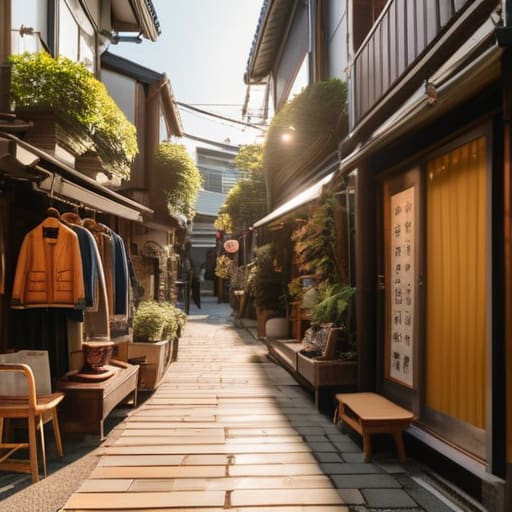
Most people approach Shimokitazawa like a tourist, rushing from one bright storefront to another, trying to capture the “vibe” in a single photograph. But if you treat the neighborhood like a chaotic checklist, you’ll miss the very thing that makes it pulse. To truly understand the character of this district, you have to look past the neon and the crowds. Finding the right shimokitazawa vintage shops isn’t about following a trend; it’s about navigating a complex, unpredictable labyrinth of textile history and personal expression.
I’ve spent the last few weeks mapping these streets, often losing track of time in basement stalls that smell of cedar and aged denim. In this guide, I’m stepping away from the mainstream hype to show you the pieces that actually matter. I will walk you through five specific finds—ranging from heavy-duty workwear to delicate mid-century pieces—that represent the true soul of the area. By the end of this, you won’t just know where to shop; you’ll know how to spot the quality that others simply walk right past.
Table of Contents
The Curated Silence of Desert Snow
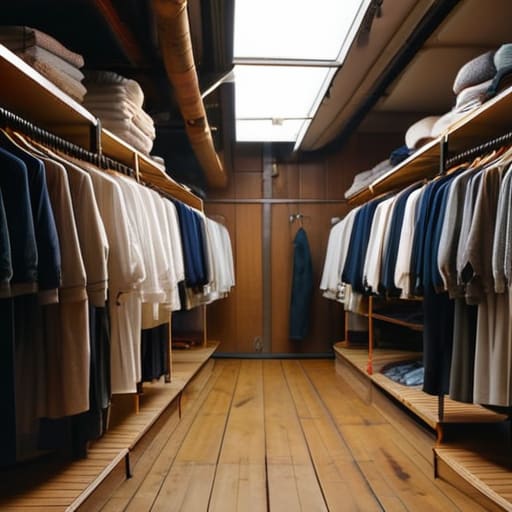
There is a specific kind of stillness you encounter when you step into Desert Snow. Unlike the frantic energy of the main thoroughfare, this shop feels like a well-managed warehouse where every item has been granted a purposeful place. It appeals to my sense of order; the garments aren’t merely piled high, but rather organized with a precision that reminds me of the inventory logs I used to manage in my younger years.
Lost in the Layers of New York Joe Exchange
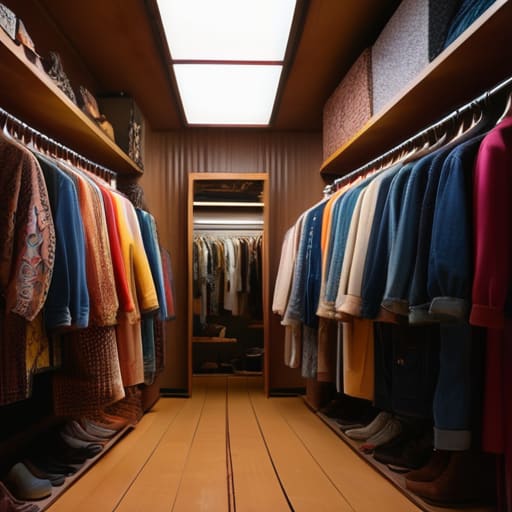
If you are looking for a lesson in density, New York Joe Exchange is your destination. It is a sprawling, somewhat overwhelming labyrinth that demands a certain level of navigational patience. I find that the best way to approach a shop like this is to treat it like a complex transit map—you have to commit to a route, follow the visual cues, and accept that you might end up in a corner you didn’t plan to visit.
The Timeless Grain of Flamingo
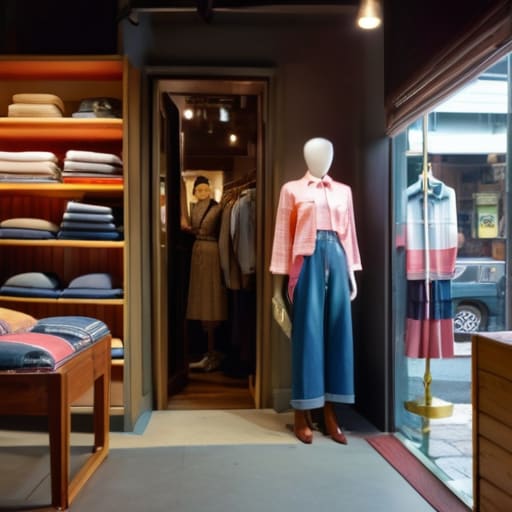
Flamingo operates with a steady, reliable rhythm that I find deeply comforting. It doesn’t try to reinvent the wheel; instead, it focuses on providing a consistent, high-quality selection of American-style vintage that feels both nostalgic and functional. The lighting is soft, and the layout allows for a measured pace of browsing, which is a rarity in the more aggressive retail spaces of Tokyo.
Finding Texture at Chicago
Chicago feels less like a retail outlet and more like a personal archive. There is an intimacy to the way the racks are arranged, a sense that the owner’s personal taste is the guiding architecture of the entire space. For someone who appreciates the fine details of construction, this shop is a treasure trove of heavy cottons, faded washes, and sturdy workwear.
The Subterranean Charm of Stick Out
To find Stick Out, you have to be willing to look slightly beneath the surface, both literally and figuratively. It possesses a raw, unpolished energy that stands in stark contrast to the more manicured boutiques nearby. It is a place of high-density discovery, where the thrill comes from the sheer unpredictability of what might be tucked away in a corner or hanging on a back rack.
Reflections from the Backstreets
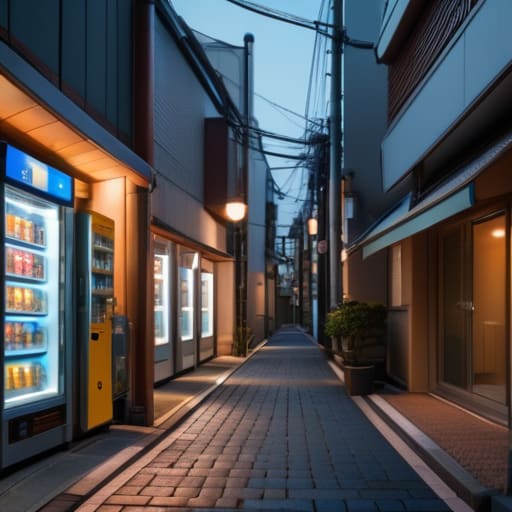
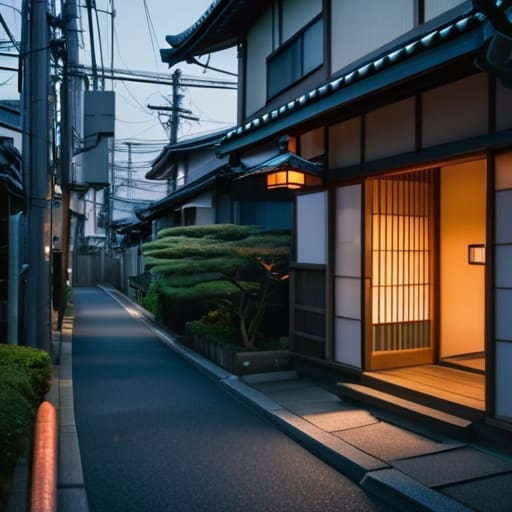
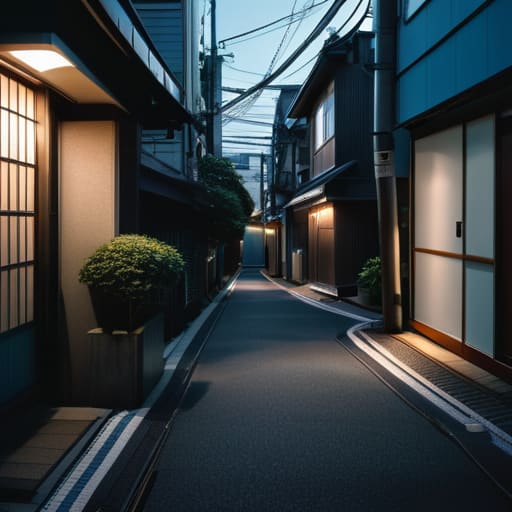
Don’t let the station crowds dictate your pace; the true character of Shimokitazawa reveals itself only when you wander into the narrow, unmapped alleys away from the main thoroughfares.
Look past the curated storefronts and seek out the cluttered, basement-level shops where the real history of the neighborhood is tucked away in disorganized racks.
Approach vintage hunting with patience rather than a checklist; the most meaningful finds are often the ones that require a bit of digging and a willingness to embrace the chaos.
The Texture of Time
“In Shimokitazawa, you aren’t just buying old clothes; you are tracing the lineage of a garment that has survived decades of shifting tastes. There is a profound, quiet dignity in a well-worn denim jacket or a faded silk scarf—it is the physical evidence of a life lived, tucked away in a corner of a shop that most people are too hurried to notice.”
Rurik Salonen
The Rhythm of the Hunt
Navigating the winding lanes of Shimokitazawa requires more than just a map; it requires a certain level of patience and a willingness to embrace the unexpected. Whether you found yourself lost in the curated nostalgia of a high-end boutique or digging through the organized chaos of a basement thrift store, the essence of this neighborhood remains the same. It isn’t merely about the acquisition of garments, but rather the process of discovery. From the heavy denim to the faded graphic tees, each piece tells a story of a previous life, waiting to be integrated into your own. These shops serve as the vital organs of the district, pumping a sense of history and character into an ever-changing urban landscape.
As I sit in a small cafe near the station, sketching the intersection of the local lines in my notebook, I am reminded that the best finds are rarely the ones advertised on a neon sign. The true soul of Shimokitazawa lives in the quiet, unscripted moments between the storefronts. If you approach these streets with a steady gaze and a lack of urgency, you will find that the city offers much more than just retail therapy. It offers a glimpse into a slower, more intentional way of existing. Don’t just shop; observe, breathe, and let the neighborhood reveal its secrets to you one alleyway at a time.
Frequently Asked Questions
Is it better to hunt for specific designer labels or just wander through the smaller, unorganized stalls?
If you’re looking for a specific label, you’ll find it in the curated boutiques near the station, but you’re essentially just paying for the convenience of organization. To me, the real value lies in the unorganized stalls. There is a certain logistical satisfaction in the hunt—navigating the clutter to find that one perfectly preserved piece of denim or a silk scarf that everyone else missed. The chaos is where the character lives.
How much cash should I keep on hand, since many of these basement shops don't seem to take cards?
In these smaller, basement-level shops, the digital convenience we’ve grown accustomed to often hits a wall. You’ll find that while major retailers are seamless, the true soul of Shimokitazawa—the tiny, curated spaces—still runs on yen. I always keep at least 10,000 to 15,000 yen in my wallet specifically for these outings. It’s better to have a few extra coins in your pocket than to find a perfect, weathered jacket only to realize you’re stuck.
What is the best time of day to visit if I want to avoid the heavy crowds and actually see the shop displays?
If you want to see the displays without the crushing weight of the afternoon crowds, aim for the late morning—around 11:00 AM. Most shops in Shimokitazawa open their doors then, and there is a brief, golden window before the student rush and the evening socialites descend. The light is clean, the aisles are navigable, and you can actually appreciate the curation of a rack without someone brushing past your shoulder.