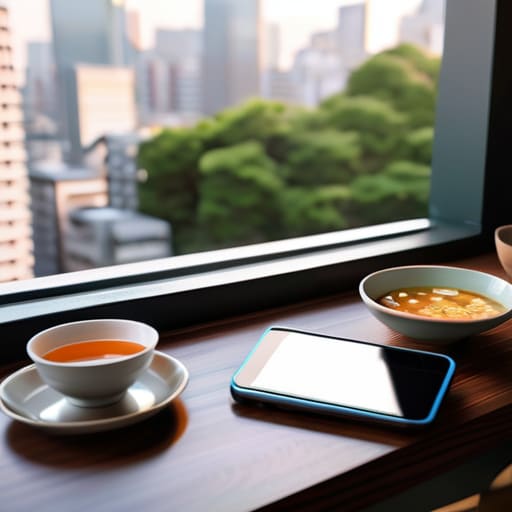
I sat in a cramped, dimly lit izakaya in Setagaya last Tuesday, watching a young salaryman meticulously count out coins for a single bowl of udon. Most travel guides will try to sell you on the idea that Tokyo is a playground of endless luxury or an impossible financial fortress, but they miss the nuance. The truth about tokyo lifestyle costs isn’t found in the high-end department stores of Ginza; it’s hidden in the incremental expenses of daily survival—the precise cost of a monthly commuter pass, the subtle premium on a grocery run in a residential ward, and the way rent dictates your entire sense of geography.
I have no interest in providing you with glossy, idealized spreadsheets that ignore the reality of living on the ground. Instead, I want to offer a logistical breakdown of what it actually takes to sustain a life here without losing your mind or your savings. My goal is to help you navigate the functional reality of this city, moving past the tourist myths to understand the true rhythm of its economy. We will look at the numbers through a lens of practicality, focusing on how to find that quiet, sustainable balance within the urban machine.
Table of Contents
- Tokyo Rent by Neighborhood Finding Sanctuary in the Quiet Corners
- Navigating Tokyo Transportation Costs for Expats and Commuters
- The Logistics of Living: Five Ways to Manage Your Daily Outlay
- The Logistics of a Balanced Life in Tokyo
- The Hidden Ledger of Urban Living
- The Sum of the Parts
- Frequently Asked Questions
Tokyo Rent by Neighborhood Finding Sanctuary in the Quiet Corners
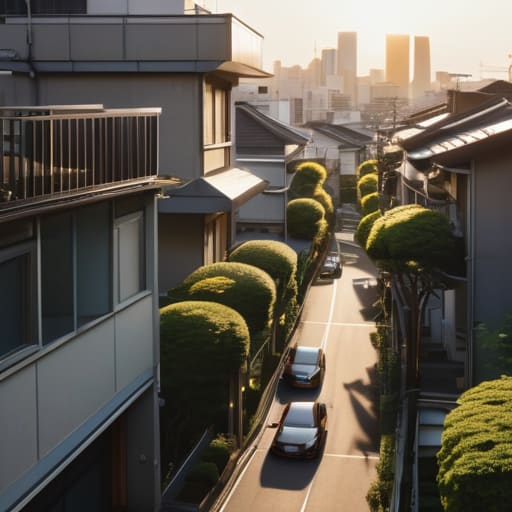
When I look at a map of the city, I don’t see districts; I see layers of density and access. Most newcomers fixate on Minato or Shibuya, drawn by the bright lights and the perceived prestige. But as someone who spent decades optimizing routes, I know that the real value lies in the periphery. If you are looking into Tokyo rent by neighborhood, the math changes significantly once you step just three or four stops away from the major hubs. Moving toward the residential calm of Setagaya or the slightly more rugged edges of Nerima can drastically alter your monthly overhead without sacrificing the city’s essential rhythm.
Finding sanctuary often means trading a view of the Skytree for a view of a quiet courtyard. I’ve found that the most sustainable way of living in Tokyo on a budget isn’t about deprivation, but about strategic placement. By choosing a neighborhood that sits on a well-connected line—perhaps the Chuo or the Den-en-toshi—you balance your housing costs against your commute. You aren’t just paying for square footage; you are paying for the distance between your front door and the pulse of the city.
Navigating Tokyo Transportation Costs for Expats and Commuters
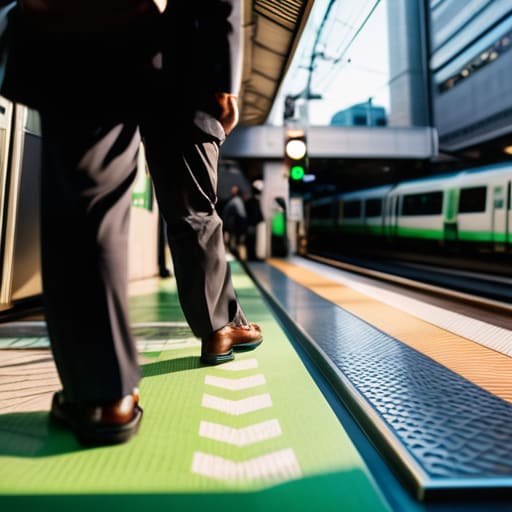
If you spent your career in logistics, you know that efficiency is often a matter of fine-tuning the small, recurring variables. In Tokyo, your most significant variable after housing is the transit network. While many newcomers focus on the sheer scale of the city, the real math lies in the daily rhythm of the commuter pass. Tokyo transportation costs for expats are rarely a single, daunting lump sum; rather, they are a series of precise, incremental fares that fluctuate depending on whether you are riding the Yamanote loop or venturing out on the private lines.
I’ve found that the most economical way to navigate this web isn’t just about finding the cheapest route, but about strategic connectivity. If you choose a residence slightly further from the city center to manage your Tokyo rent by neighborhood, you must weigh that saving against the cost of a longer, multi-transfer commute. A well-planned route can save you thousands of yen a month, but a poorly mapped one will slowly bleed your budget dry through unnecessary transfers and late-night taxi rides. It is a delicate balance of distance and efficiency.
The Logistics of Living: Five Ways to Manage Your Daily Outlay
- Opt for the “Set-Menu” culture. In the smaller, neighborhood eateries—the ones tucked away from the main thoroughfares—the teishoku (set meal) is your best ally. It provides a balanced, predictable cost for lunch and dinner that avoids the premium price tag of standalone dishes in more tourist-heavy districts.
- Master the art of the supermarket “discount hour.” If you time your grocery runs to the late evening, you’ll see the stickers change. The local supermarkets significantly mark down fresh produce and bento boxes as they approach closing time. It is a small, efficient way to maintain a high quality of life without the premium markup.
- Leverage your employer for the commute. In Japan, the company commuter pass is a standard logistical expectation. Ensure your transit costs are being handled through your professional arrangement, as the daily out-of-pocket expense for multiple subway transfers can quietly erode a monthly budget if left unmanaged.
- Seek out the “Konbini” for utility, not luxury. While convenience stores are a marvel of efficiency, they are a trap for the unwary. Use them for specific, time-sensitive needs, but rely on local grocery stores for your staples to avoid the convenience tax that accumulates on every small purchase.
- Invest in quality over quantity for your domestic basics. When setting up a home, avoid the impulse to buy everything new and expensive. The secondhand market in Tokyo—from specialized appliance shops to well-maintained furniture outlets—is incredibly robust. It allows you to furnish a functional, minimalist space with much greater precision and less waste.
The Logistics of a Balanced Life in Tokyo
Real urban stability in Tokyo isn’t found by chasing the lowest possible rent, but by calculating the trade-off between a smaller footprint and the efficiency of a well-connected transit line.
Financial breathing room is often determined by how well you master the local rhythm; small, habitual savings on daily transit and grocery logistics add up more than any grand budget cut.
To truly live here without burnout, one must budget not just for necessities, but for the occasional quiet corner—the small cafes and analog spaces that keep the city’s chaos at bay.
The Hidden Ledger of Urban Living
When people ask me about the cost of Tokyo, they expect a spreadsheet of yen and cents; but the true expense isn’t found in the price of a meal or a monthly pass, it’s the silent trade-off between the convenience of the neon center and the quiet, affordable sanctuary of the outer wards.
Rurik Salonen
The Sum of the Parts
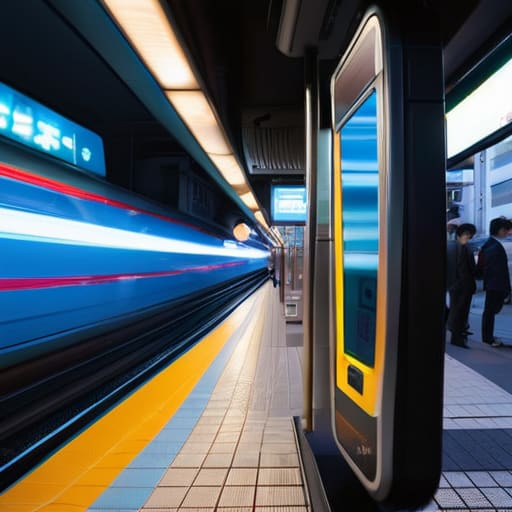
Calculating the cost of a life in Tokyo is rarely a matter of simple arithmetic. It is a balancing act between the predictable expenses—the monthly rent for a small but functional studio in Setagaya or the daily tap of a Suica card—and the variable costs of navigating a city that never truly stops. While the figures for food, utilities, and transport can certainly add up, they are often offset by the sheer efficiency of the infrastructure. You aren’t just paying for a train ride; you are paying for the gift of time and the ability to move through a massive metropolis with surgical precision. When you account for the nuances of neighborhood choice and your personal transit habits, the budget begins to reveal its true shape.
Ultimately, the true price of living here isn’t found on a spreadsheet, but in the value you place on the city’s quiet rhythms. If you look past the high-end shopping districts and the tourist-heavy hubs, you find a lifestyle that rewards the observant and the disciplined. There is a profound, understated beauty in mastering the logistics of this life—finding that perfect, inexpensive ramen shop tucked behind a subway exit or the way a well-planned commute allows for a moment of stillness. Tokyo asks for your resources, yes, but in return, it offers a masterclass in organized living that is well worth the investment.
Frequently Asked Questions
How much of a buffer should I set aside for the unpredictable fluctuations in utility costs during Tokyo's humid summers and biting winters?
I’ve learned through years of managing unpredictable variables that a margin of error is your best friend. In Tokyo, the extremes are what catch you off guard. I’d recommend setting aside an extra 15% to 20% above your baseline utility estimates. Those humid July afternoons when the AC runs non-stop, or the biting January nights when the heaters fight the chill, can cause sudden, sharp spikes that a standard budget won’t catch.
Beyond the standard grocery runs, what is the actual weekly expenditure for a balanced diet when shopping at local supermarkets versus more convenient convenience stores?
If you rely on the convenience of konbini, you’ll see your weekly budget bleed out through small, frequent leaks—expect to spend upwards of ¥15,000 just on quick meals. However, the real efficiency lies in the local supermarkets. By timing your visits for the evening discounts and sourcing seasonal staples, a balanced diet can be maintained for closer to ¥8,000. It’s a logistical trade-off: a bit more planning for a much more sustainable rhythm.
Are there hidden logistical costs to consider when setting up a household in a smaller, more efficient apartment in the outer wards?
It’s the “efficiency tax” that catches people off guard. When you downsize into a compact unit in the outer wards, you aren’t just saving on rent; you’re often paying for the lack of utility. Small footprints mean higher costs for specialized, space-saving appliances and, more importantly, the logistical friction of daily life. You’ll find yourself spending more on delivery fees or extra trips to the supermarket because your pantry lacks the luxury of volume.
