Author: Rurik Salonen

  • Managing Density in Japanese Cities

    Managing Density in Japanese Cities

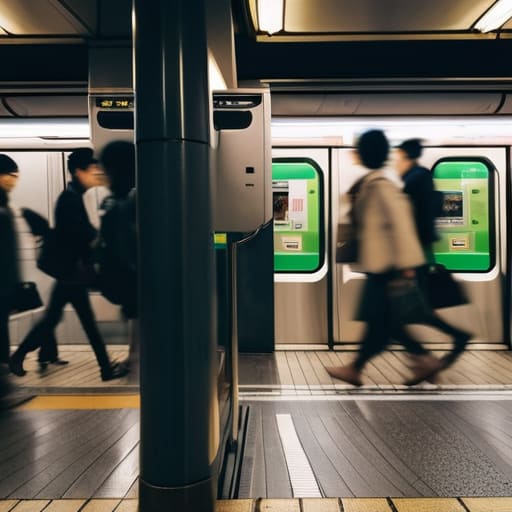
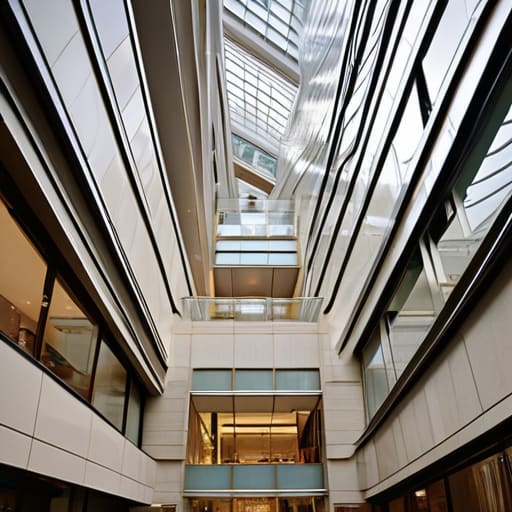
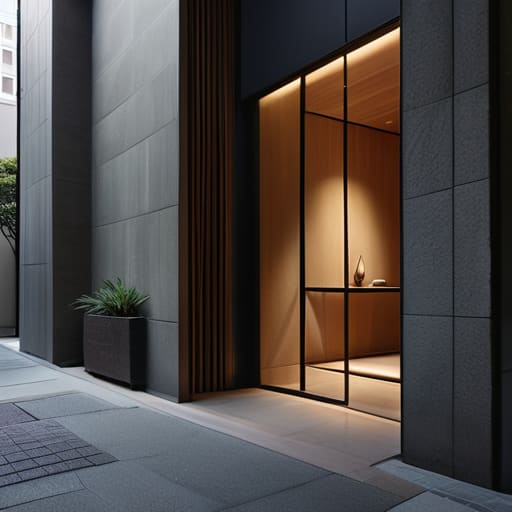
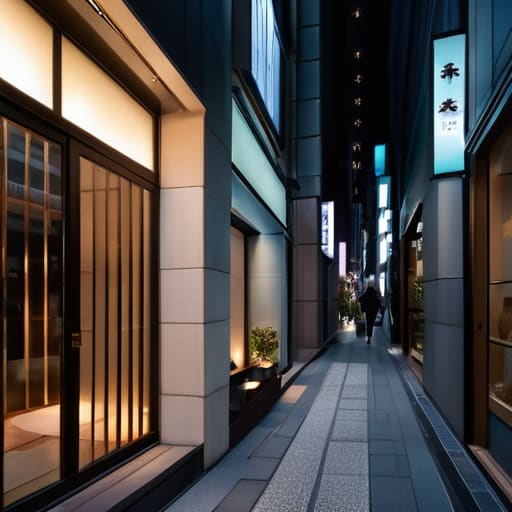
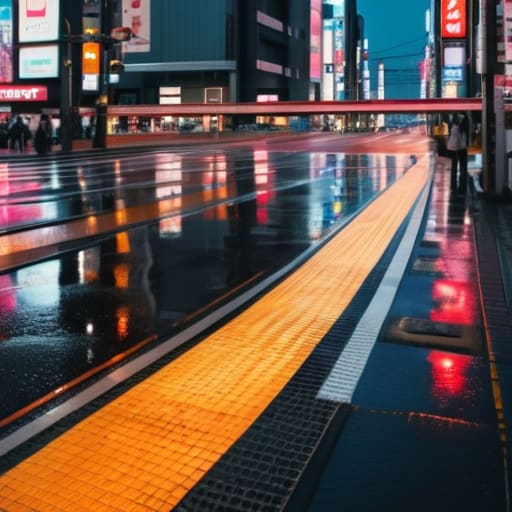
    I was standing on the platform at Shinjuku Station last Tuesday, watching a sea of dark suits move with a precision that would make a logistics manager weep, when it hit me. Most people look at the sheer scale of these crowds and see nothing but chaos or overwhelming pressure. They talk about japanese urban density as if it’s a problem to be solved or a statistic to be feared, but they are looking at the wrong metrics. They see the crush of bodies, but they miss the invisible choreography that keeps the entire machine from grinding to a halt.

    I’m not here to give you a lecture on census data or architectural theory. Instead, I want to show you how to navigate these high-pressure corridors without losing your sense of self. I’ll be sharing what I’ve learned from years of observing these transit arteries—from finding the quiet pockets of stillness tucked behind neon-lit facades to understanding the functional elegance of a city that lives vertically. We are going to look past the noise and find the logic in the squeeze.

    Table of Contents

    The Transit Veins Efficiency in Urban Planning

    The Transit Veins Efficiency in Urban Planning.

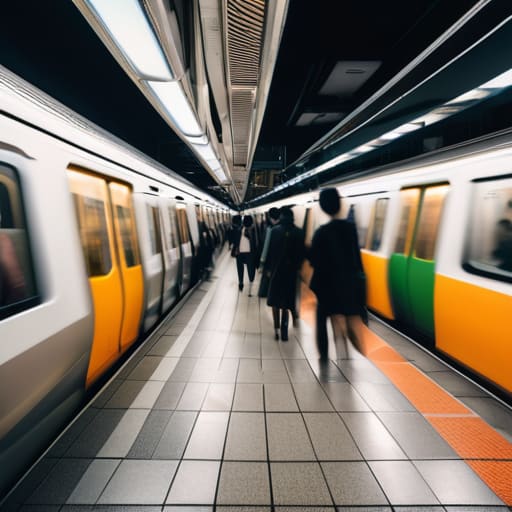
    I’ve spent many mornings leaning against the window of a Yamanote line carriage, watching the cityscape blur into a rhythmic strobe of steel and glass. To the uninitiated, the sheer volume of people can feel overwhelming, but to a logistics mind, there is a profound elegance in how it all moves. This isn’t just about getting from point A to point B; it is a masterclass in Japanese urban planning efficiency. The transit system acts as the circulatory system of the city, pumping millions of souls through the metropolitan arteries with a precision that makes the chaos feel almost choreographed.

    When you study the way these hubs are designed, you realize that the movement of people dictates everything else. The station isn’t just a stop; it is the gravity well around which all life orbits. This constant flow is what makes high-density residential living viable here. Because the trains are so reliable and frequent, the need for massive, sprawling infrastructure is replaced by a tighter, more intentional way of existing. You see it in the way the neighborhoods tighten around the tracks, creating a seamless, if occasionally breathless, connection between the home and the world outside.

    Demographics in Motion the Tokyo Metropolitan Area Pulse

    Demographics in Motion the Tokyo Metropolitan Area Pulse.

    When I sit in a corner cafe in Shinjuku, watching the tide of commuters ebb and flow, I’m not just seeing people; I’m seeing the living data of the Tokyo metropolitan area demographics. There is a specific, restless energy to this movement. Unlike the sprawling, car-centric expansion I managed during my years in logistics, Tokyo’s growth feels vertical and tightly wound. You see it in the way the population clusters around transit hubs, creating a human current that never truly settles.

    This concentration has forced a fascinating evolution in how people occupy space. I’ve spent many afternoons sketching the layout of these neighborhoods, noting how high-density residential living has become an art form. You see it most clearly in the rise of micro-apartment design trends, where every square centimeter is engineered for utility. It isn’t just about saving space; it’s a response to the sheer pressure of urbanization in East Asia. There is a quiet, disciplined dignity in how a single occupant navigates a room designed with such surgical precision—a testament to a city that has learned to thrive within its own limits.

    • Master the art of the “micro-destination.” In a dense city, don’t look for grand plazas; look for the three-seat coffee shop or the tiny shrine tucked between two office towers. That is where the city actually lives.
    • Let the transit map be your compass, not just a guide. I’ve found that understanding the hierarchy of the rail lines—the express versus the local—is the only way to truly grasp how the different layers of the city interact.
    • Embrace the verticality. When space is at a premium, the most interesting views and the most functional services aren’t on the street level. Learn to look up; the best quiet corners are often on the fourth or fifth floor of a nondescript building.
    • Time your movements to the city’s breathing. To see the beauty in the density without being swallowed by it, avoid the peak rush. There is a specific, meditative stillness in a station at 10:00 AM that you will never find at 8:00 AM.
    • Carry light, but carry purpose. In these narrow alleys and crowded carriages, your gear is a burden. I keep my film camera accessible but compact, and my notebook tucked away, ensuring I move through the crowd like a ghost rather than an obstacle.

    The Lessons in the Layers

    Density isn’t just a headcount; it’s a masterclass in spatial efficiency where every square meter of a city must justify its existence.

    True urban resilience is found in the seamless handoff between massive transit arteries and the quiet, walkable capillaries of local neighborhoods.

    To understand a city’s future, look past the gleaming skyscrapers and observe how the smallest, most cramped corners manage to maintain a sense of order and dignity.

    The Paradox of Proximity

    “There is a peculiar, quiet dignity in the way millions of people coexist in such tight quarters; it is not the chaos of a crowd, but a highly choreographed dance where everyone respects the invisible boundaries of the person standing right next to them.”

    Rurik Salonen

    The Human Scale within the Machine

    The Human Scale within the Machine.

    When you step back and look at the data, Japanese urban density can feel like an overwhelming mathematical equation of sheer numbers and logistical feats. We have looked at how the transit veins keep the heart beating and how the demographic shifts shape the very bones of the Tokyo metropolitan area. But density is more than just a high concentration of people per square kilometer; it is a delicate equilibrium between massive infrastructure and the individual’s need for space. The efficiency of the rail networks and the strategic placement of residential hubs are what prevent the chaos from turning into collapse, creating a system where millions can move with a choreographed precision that few other nations have mastered.

    Ultimately, my time spent sketching these maps and watching the crowds from quiet corners has taught me that density isn’t something to be feared, but something to be understood. There is a profound, quiet dignity in how a city manages to be both incredibly crowded and deeply personal at the same time. As I close my notebook and prepare for my next transit connection, I am reminded that the true beauty of Japan’s urban landscape lies in the small, functional miracles that happen every day. If you look closely enough, you will find that even in the densest thicket of steel and concrete, there is always a way to find your own rhythm within the rush.

    Frequently Asked Questions

    How do these dense residential pockets manage to maintain such a low level of noise and social friction?

    It’s a delicate, unspoken choreography. In those narrow residential pockets, there is a profound respect for the invisible boundaries of others. It isn’t just about strict noise ordinances; it’s a collective, quiet discipline. People move with a certain intentionality, keeping voices low and footsteps light. I’ve noticed that when the physical space is this tight, the social contract becomes even more rigid. Silence isn’t just a preference here—it’s a form of mutual respect.

    Is the extreme efficiency of the transit hubs sustainable as the population continues to age and shrink?

    It is a question that keeps me thinking as I watch the commuters drift by. On paper, the math looks grim; a shrinking tax base makes maintaining such intricate arteries difficult. However, I suspect the solution won’t be found in expansion, but in refinement. We are seeing a shift toward automation and smarter, more compact hubs. The system may become quieter, but as long as it remains precise, it will likely endure.

    Where does the "quiet beauty" go when the city inevitably expands into even more crowded, vertical spaces?

    It doesn’t disappear; it simply retreats. As the skyline climbs higher, the quiet beauty migrates downward and inward. You find it in the micro-spaces: a single, sun-drenched vending machine corner, a tiny shrine tucked between two concrete giants, or the hushed atmosphere of a basement jazz bar. The vertical expansion forces the soul of the city into the cracks, making those small, hidden moments feel even more intentional and precious.

  • Using City Buses for Urban Travel

    Using City Buses for Urban Travel

    I remember sitting on a weathered bench in a quiet corner of Kanazawa, the smell of damp asphalt and cedar hanging in the air, watching a single local bus pull up to a stop that didn’t appear on any major tourist map. Most travelers obsess over the high-speed efficiency of the Shinkansen, treating the journey as something to be conquered rather than experienced. But in my thirty years of managing complex logistics, I learned that the real heartbeat of a system isn’t found in its fastest artery; it’s found in its capillaries. There is a specific, meditative quality to traveling by bus japan, a way of seeing the landscape shift from neon-soaked intersections to the quiet, moss-covered outskirts of a village that no bullet train would ever bother to stop for.

    I have no interest in giving you a glossy, sanitized brochure of “must-see” routes. Instead, I want to offer you a functional blueprint for navigating the country’s bus networks with the precision of a professional and the curiosity of a local. I will share the practicalities of fare systems, the subtle etiquette of the boarding process, and how to find those small, quiet windows of time where the road truly reveals the soul of the country.

    Table of Contents

    Navigating Japanese Bus Stops and Local Rhythms.

    There is a specific, quiet geometry to a Japanese bus stop. Unlike the frantic energy of Shinjuku Station, these roadside markers are studies in order. When you are first navigating Japanese bus stops, you’ll notice the signage is remarkably precise, often detailing arrival times with a level of accuracy that would make any logistics professional weep with joy. I find myself standing there, notebook in hand, watching how the locals position themselves—not in a chaotic cluster, but in a disciplined line that respects the unspoken social contract.

    The actual boarding process is equally rhythmic, though it requires a moment of mental recalibration. Most travelers worry about the mechanics of payment, but once you understand how to use IC cards on buses, the friction disappears. You simply tap your Suica or Pasmo against the reader as you enter—or sometimes exit, depending on the municipality—and the machine handles the rest with a polite, electronic chirp. It is a seamless transaction that allows you to keep your eyes on the street, observing the way the neighborhood shifts from neon-lit storefronts to the soft, residential shadows of the backstreets.

    Intercity vs Local Bus Travel Choosing Your Pace

    Intercity vs Local Bus Travel Choosing Your Pace

    There is a fundamental distinction between the high-speed efficiency of a highway coach and the slow, wandering pulse of a local line. When I need to move between major hubs like Tokyo and Osaka, I lean toward the highway bus. It is a logistical marvel—predictable, comfortable, and often much more cost-effective than the Shinkansen. If you find yourself planning several long-distance legs, looking into a highway bus pass japan can be a strategic move for your budget, though I personally prefer the flexibility of booking individual legs as my itinerary evolves.

    However, if you truly want to see how the landscape shifts, you must embrace the local routes. This is where the real character of the country reveals itself, in the small towns that the express lines bypass entirely. The transition between these two modes is where most travelers stumble. You’ll find that while the long-distance coaches require reservations, the local lines are far more fluid. Understanding intercity vs local bus travel is less about speed and more about deciding whether you want to arrive at a destination, or whether you want to experience the journey itself.

    The Logician’s Guide to a Seamless Journey

    • Keep a physical IC card—like a Suica or Pasmo—at the ready. While the digital versions on your phone are convenient, there is a certain tactile reliability in tapping a physical card against the reader that ensures you aren’t fumbling with a screen while a queue forms behind you.
    • Master the “Rear Entry, Front Exit” rule. Most local buses operate on a system where you board through the middle or rear doors and pay as you depart from the front. It is a simple flow, but if you try to pay upon boarding, you’ll find yourself disrupting a very finely tuned machine.
    • Carry a small coin purse specifically for 10-yen and 100-yen coins. Even in an era of digital payments, many smaller, rural lines still rely on heavy coin usage for change machines. Nothing breaks my concentration like digging through a wallet for exact change while the driver waits patiently.
    • Study the route map before you board, not just the destination. In my experience, the most interesting views aren’t found at the major hubs, but in the way a bus winds through the narrow, residential arteries of a neighborhood. Knowing your stops allows you to look out the window rather than staring anxiously at a GPS.
    • Respect the silence of the cabin. The Japanese bus is a sanctuary of shared space. A quiet carriage isn’t just a matter of etiquette; it is part of the city’s rhythm. If you want to observe the world through your lens, you must first learn to exist quietly within it.

    The Logistics of the Slow Path

    Observe the local stops as more than just transit points; they are the pulse of the neighborhood where the city’s real character is revealed.

    Choose your route based on the depth of experience you seek, understanding that the slower local lines offer a perspective that high-speed rail simply cannot provide.

    Master the small details—the rhythm of the boarding process and the quiet etiquette of the passengers—to move through the urban landscape with intention rather than haste.

    ## The View from the Window Seat

    “While the Shinkansen offers speed, it is the local bus that offers intimacy; it is a slow, deliberate movement through the veins of a neighborhood, allowing you to see the way a city actually lives when it isn’t trying to impress a tourist.”

    Rurik Salonen

    The View from the Window Seat

    The View from the Window Seat.

    As I close my notebook and pack away my pens, I find myself reflecting on the logistical elegance of the Japanese bus network. Whether you are navigating the intricate, stop-and-go rhythms of a local city route or settling into the steady, long-haul pace of an intercity coach, there is a profound sense of order to be found. You have learned that success lies in the details: understanding the nuances of the IC card, respecting the quiet etiquette of the cabin, and recognizing that the schedule is a promise made by the city to its people. It isn’t just about getting from point A to point B; it is about mastering the mechanical heartbeat of the landscape.

    Ultimately, I have found that the best way to see Japan isn’t through the high-speed blur of a Shinkansen window, but through the slower, more deliberate lens of a bus route. When you choose the bus, you are choosing to witness the world in its most honest state—the small convenience stores, the sleepy residential streets, and the way the light hits a mountain pass at dusk. Don’t rush to reach your destination. Instead, allow yourself to get lost in the transit, for it is in these slow, rolling moments that you truly begin to understand how a country breathes.

    Frequently Asked Questions

    How do I manage fare payments on local routes where a single IC card might not be accepted?

    When the IC card reader remains dark, don’t panic; it’s simply a shift in the local logistics. In these smaller pockets, cash is still king. I always keep a dedicated pouch of 100-yen coins and small bills tucked away for exactly this reason. Most local lines operate on a “pay as you exit” system, so you’ll likely need to drop your fare into a machine near the driver before stepping off.

    Is it practical to rely on bus schedules for tight connections between cities, or should I build in more buffer time?

    In my years managing logistics, I learned that a schedule is a plan, not a promise. In Japan, while the buses are remarkably punctual, they aren’t immune to the unpredictable—a sudden downpour or a heavy tourist season can ripple through the entire network. If you are chasing a tight connection between cities, don’t gamble with it. Build in at least thirty minutes of buffer. I’d much rather spend that time sketching a quiet street corner than sprinting through a terminal.

    What are the unspoken etiquette rules for seating and boarding when the bus gets crowded during peak hours?

    When the bus swells with the rush-hour crowd, the unspoken code is one of quiet efficiency. Don’t wait for a seat to open; move toward the center to make room for those behind you. If you are seated, keep your bag on your lap—never on the seat next to you. Most importantly, when it’s time to disembark, a small, silent nod to those you’ve passed is the only acknowledgment required. Efficiency is the highest form of respect here.

  • Exploring Japanese Cafe Culture

    Exploring Japanese Cafe Culture

    I remember sitting in a cramped, neon-lit corner of Shibuya last Tuesday, clutching a lukewarm latte that cost more than my first analog camera. I was surrounded by people filming their foam art for social media, completely oblivious to the rhythmic hiss of the espresso machine or the way the afternoon light hit the wooden counter. It struck me then that most travelers completely miss the point of japanese cafe culture by chasing the aesthetic instead of the atmosphere. They hunt for the “Instagrammable” spots, but in doing so, they overlook the functional stillness that makes these spaces so vital to the city’s rhythm.

    I have no interest in pointing you toward overpriced, hollow trends. Instead, I want to show you how to navigate the labyrinth of side streets to find the places where the coffee is precise and the silence is respected. My goal is to provide a practical guide to the quiet, essential corners of the Japanese coffee scene—the kind of places where you can actually hear your own thoughts. We aren’t looking for monuments here; we are looking for the heartbeat of the neighborhood.

    Table of Contents

    The Slow Rhythm of Traditional Kissaten Etiquette

    The Slow Rhythm of Traditional Kissaten Etiquette.

    There is a specific, almost sacred tempo to a traditional kissaten that you simply won’t find in the frantic energy of the modern Tokyo coffee scene. Stepping through those heavy wooden doors feels less like entering a business and more like entering a private living room preserved in amber. Here, the service isn’t hurried; it is deliberate. You’ll notice the subtle nuances of traditional kissaten etiquette, from the silent, precise way the proprietor places your cup on the saucer to the hushed tones maintained by the patrons. It is a space designed for contemplation, not for the rapid-fire consumption of caffeine.

    I often find myself sitting in these dimly lit corners, watching the light play across dark wood paneling and feeling a profound sense of Showa era cafe nostalgia. In these establishments, the ritual of the pour is as important as the bean itself. There is no rush to clear the table for the next customer. Instead, there is a quiet respect for the individual’s time, an unspoken agreement that you are permitted to simply exist within these four walls.

    Finding Showa Era Cafe Nostalgia in Quiet Alleys

    Finding Showa Era Cafe Nostalgia in Quiet Alleys.

    To find the true heart of Showa era cafe nostalgia, you have to abandon the main thoroughfares and follow the narrow veins of the side streets. I often find myself wandering through the residential pockets of Setagaya or the older quarters of Taito, looking for that specific, weathered wooden sign that signals a doorway to the past. These aren’t the bright, high-ceilinged spaces of the modern Tokyo coffee scene; they are dim, amber-lit sanctuaries where time seems to have congealed around the scent of dark-roast beans and old paper.

    Inside, the atmosphere is heavy with a sense of permanence. You’ll find velvet upholstery that has smoothed over decades of use and heavy glass ashtrays that serve as silent monuments to a different age. There is a profound, unspoken dignity in these spaces. While the world outside rushes toward the next digital convenience, these small establishments remain anchored. It is in these quiet, shadowed corners—away from the neon glare—that I feel I am finally witnessing the authentic pulse of the city as it used to be.

    • Respect the silence of the Kissaten; these spaces are designed for contemplation, not for loud conversation or frantic typing, so keep your presence as unobtrusive as possible.
    • Don’t rush the process; in many traditional establishments, the coffee is brewed with a deliberate, slow precision that demands you sit back and wait for the craft to unfold.
    • Observe the unspoken etiquette of space; if you are a solo traveler, a small corner seat or a spot at the counter is often more respectful to the flow of the shop than occupying a larger table.
    • Carry small denominations of yen; while modern Tokyo is increasingly digital, the soul of the neighborhood cafe often resides in small, family-run shops that still prefer the tactile simplicity of cash.
    • Watch the staff’s movements; there is a subtle choreography to how they serve, and mirroring that level of calm and order will make your experience—and theirs—far more seamless.

    Lessons from the Counter: What the Cafe Teaches Us About the City

    To truly understand a neighborhood, look past the bright lights of the main thoroughfares and seek out the quiet, dimly lit corners where the locals find their rhythm.

    Respect the unspoken rules of the space; in a world of constant noise, the deliberate silence of a well-run cafe is a functional necessity, not an inconvenience.

    Value the texture of history over the sheen of modernity, finding more meaning in a weathered wooden counter than in the most polished, trend-driven establishment.

    The Architecture of Stillness

    A cafe in Japan isn’t just a place to consume caffeine; it is a finely tuned mechanism for pausing. Whether it’s the precise pour of a master in a dim Kissaten or the solitary hum of a corner shop, these spaces provide the necessary friction to slow down a world that is otherwise moving much too fast.

    Rurik Salonen

    The Geometry of a Quiet Moment

    The Geometry of a Quiet Moment.

    Whether you find yourself navigating the strict, polished etiquette of a high-end kissaten or stumbling upon a weathered Showa-era relic tucked behind a Shinjuku subway exit, the essence of Japanese cafe culture remains the same. It is a deliberate rejection of the frantic pace that defines the modern metropolis. Through these spaces, we see how a simple cup of coffee can serve as an anchor, bridging the gap between the relentless momentum of the city and the internal need for stillness. We have explored how these establishments are not merely businesses, but carefully curated environments that preserve a specific, measured way of being in a world that rarely stops to breathe.

    As I sit here, sketching the intersection of a narrow alleyway in my notebook, I am reminded that the most profound urban experiences aren’t found in the neon glare of Shibuya Crossing. They are found in the transition—the moment you step off a crowded train and into the hushed, cedar-scented air of a backstreet sanctuary. To truly understand Japan, you must learn to look for these small, functional pauses in the logistical flow of the streets. Don’t just visit the landmarks; seek out the corners where the city finally slows down. That is where you will find its true, beating heart.

    Frequently Asked Questions

    How can I distinguish between a modern specialty coffee shop and a traditional kissaten just by looking at the storefront?

    It’s a matter of visual logistics. If you see floor-to-ceiling glass, minimalist wood, and a bright, clinical light, you’ve found a modern specialty shop—they want the street to see the craft. But a kissaten? It hides. Look for heavy wooden doors, small, frosted windows, or a dim, recessed entryway. They aren’t trying to recruit the passerby; they are preserving a sanctuary for those who already know how to find them.

    Are there specific social etiquettes I should follow to avoid disrupting the quiet atmosphere of these smaller establishments?

    In these smaller spaces, silence isn’t an absence of sound; it’s a shared respect. Keep your phone on silent—the sharp vibration of a notification can feel like a hammer blow in a quiet kissaten. If you must take a call, step outside. Speak in low tones, and try to avoid the heavy clatter of a laptop. I find that observing more than observing loudly allows you to truly settle into the room’s natural rhythm.

    Is it common to spend several hours with a single cup of coffee, or is there an unspoken expectation to move along?

    In a traditional kissaten, time seems to bend differently. You won’t find the frantic “turnover” culture of a Starbucks here. If you’re tucked into a corner with a book and a single, well-made pour-over, there is an unspoken permission to linger. However, I’ve learned to read the room: if the shop is packed and patrons are waiting for tables, a respectful traveler eventually makes room. Balance is key.

  • Best Views of the Tokyo Skyline

    Best Views of the Tokyo Skyline

    Most tourists will point you toward a glass-walled observation deck in Roppongi, promising a “spectacular” panorama for a hefty entrance fee. They sell you a sterilized, postcard version of the city that feels more like a showroom than a living organism. But if you’re looking for the real tokyo skyline views, you won’t find them behind a velvet rope or a crowded elevator queue. I’ve spent decades analyzing how systems move, and I can tell you that the city’s true scale is best understood from the unpolished edges—the elevated walkways and the quiet, mid-level transit hubs where the architecture actually meets the street.

    I have no interest in chasing the hype or the most “Instagrammable” spots that everyone else is fighting over. Instead, I want to show you how to find the city’s horizon through a lens of functional beauty. In this guide, I’ll share the specific, understated locations where you can sit with a notebook, watch the light change over the concrete sprawl, and actually feel the rhythm of the metropolis. This isn’t a list of monuments; it is a map to the quiet corners where the view finally makes sense.

    Table of Contents

    The Great Vertical Debate Tokyo Tower vs Skytree Comparison

    The Great Vertical Debate Tokyo Tower vs Skytree Comparison

    When it comes to the Tokyo Tower vs Skytree comparison, the choice isn’t really about height—it’s about the emotional frequency of the view. The Skytree is a marvel of modern engineering, a needle piercing the clouds that offers a clinical, almost god-like perspective of the Kanto Plain. From that altitude, the city looks like a sprawling circuit board. If you are hunting for clear Mount Fuji visibility from Tokyo on a crisp morning, the Skytree is your logical destination. It is efficient, vast, and undeniably impressive in its scale.

    However, my preference has always leaned toward the warmer, more nostalgic glow of Tokyo Tower. There is something about its orange lattice that feels more human, more grounded in the city’s history. While the Skytree dominates the horizon, the Tower sits nestled within the urban fabric, providing a view that feels integrated rather than detached. For those seeking the best time for sunset views in Tokyo, I find the Tower offers a more intimate transition from day to night. One is a feat of logistics; the other is a piece of the city’s beating heart.

    Chasing the Golden Hour Best Time for Sunset Views Tokyo

    Chasing the Golden Hour Best Time for Sunset Views Tokyo

    Timing is everything when you’re trying to capture the city’s transition from day to night. If you are looking for the best time for sunset views Tokyo, you cannot simply show up when the sun begins to dip. You need to be positioned at least forty-five minutes prior. This allows you to witness the “blue hour”—that fleeting moment when the sky deepens into a heavy indigo and the first artificial lights begin to flicker on, creating a sharp, geometric contrast against the fading natural light.

    For those of us who prefer a more grounded perspective, I often skip the crowded observation decks in favor of finding specific night photography spots Tokyo offers in the quieter pockets of the city. I’ve found that the light behaves differently depending on your elevation. While the massive towers offer a panoramic sweep, standing on a mid-level terrace or a quiet rooftop allows you to see the way the shadows stretch across the concrete canyons of Shinjuku. It is in this specific window of time that the city stops being a collection of buildings and starts feeling like a single, living organism breathing through its neon arteries.

    Practical Logistics for the Observant Traveler

    • Skip the high-altitude tourist traps during peak hours. If you want to actually see the city rather than the back of someone’s head, aim for mid-week mornings or late evenings when the crowds thin out and the light settles.
    • Keep a physical map or a hand-drawn sketch in your notebook. Digital maps are efficient, but they don’t help you understand the topography of the skyline; knowing which districts sit on higher ground will tell you exactly where to look for the best vantage points.
    • Look for “viewing windows” in unexpected places. Many high-rise office buildings or even certain department stores in Shinjuku and Marunouchi have quiet, overlooked windows that offer a more grounded, unvarnished perspective than a polished observation deck.
    • Carry a lightweight tripod or a steady hand. If you’re shooting on film, the transition from twilight to night is a logistical challenge; you need to be prepared for the rapid shift in light levels to capture the city’s glow without losing the structural detail.
    • Use the transit system to your advantage. Instead of traveling to a single landmark, identify stations that sit on elevated tracks or near major interchanges. Sometimes the most profound view of the skyline is the one you catch through a train window as you cross a bridge.

    Beyond the Observation Decks: My Practical Findings

    Don’t mistake height for perspective; while the Skytree offers scale, the true character of the city is often better captured from mid-level vantage points where the street-level rhythm is still visible.

    Timing your ascent is a logistical necessity, not just a suggestion—aiming for the transition between golden hour and twilight allows you to see how the city’s functional layers shift from sunlight to neon.

    The most meaningful views aren’t always found in ticketed skyscrapers, but in the quiet, overlooked corners of transit hubs and public spaces that offer a more honest look at Tokyo’s sprawling anatomy.

    The View Beyond the Glass

    Most people look for a skyline through a telescope or a high-altitude window, but if you want to see the true architecture of Tokyo, you have to look at how the lights of the skyscrapers bleed into the dark arteries of the rail lines below; that is where the city’s real geometry lives.

    Rurik Salonen

    Beyond the Viewfinder

    Tokyo sunset views Beyond the Viewfinder.

    Ultimately, finding the perfect vantage point in Tokyo is less about the height of the building and more about the timing of the light. Whether you find yourself weighing the nostalgic, crimson glow of Tokyo Tower against the sheer, modern scale of the Skytree, or you are timing your ascent to catch that fleeting moment when the sun dips below the horizon, the goal remains the same. It is about choosing a perspective that aligns with your own pace. You don’t need to conquer every observation deck to understand this city; sometimes, the most profound views are found when you stop competing with the crowds and simply observe the transition from daylight to neon.

    As I sit here, closing my notebook and watching the last of the twilight fade into the sprawl, I am reminded that a skyline is a living, breathing organism. It is a complex network of movement, light, and shadow that never truly sleeps. Don’t get caught up in the pursuit of the “perfect” photograph or the most famous landmark. Instead, look for the places where the city feels most honest—where the grid of the streets meets the soft blur of the evening haze. If you look closely enough, you will realize that Tokyo doesn’t just show you its beauty; it invites you to witness its quiet, rhythmic soul.

    Frequently Asked Questions

    Are there any specific rooftop gardens or public spaces that offer a view without the heavy price tag of a dedicated observation deck?

    If you want to bypass the ticket booths, look toward the civic spaces. The Tokyo Metropolitan Government Building in Shinjuku offers two observation decks for free—it’s a logistical marvel of public accessibility. For something more intimate, I often find myself at the rooftop garden of Shibuya Sky’s lower levels or the quiet terraces of various department stores in Ginza. They offer a dignified view of the urban sprawl without the commercial noise.

    Which transit lines or specific station exits provide the most seamless access to these elevated vantage points?

    If you’re looking for efficiency, don’t waste time wandering the surface. For the Skytree area, aim for the Oshiage Station exits; the integration between the Hanzomon and Asakusa lines makes the ascent almost seamless. When heading toward the Shinjuku skyline, the West Exit of Shinjuku Station is your best bet—it’s a bit of a labyrinth, but it puts you directly in the flow of the high-rises without unnecessary detours.

    How much does the seasonal haze or humidity affect the clarity of the skyline when planning a photography session?

    If you’re planning a shoot, you have to account for the atmosphere. In the summer, the humidity is thick; it creates a heavy, milky haze that softens the skyline, making everything feel somewhat claustrophobic. It’s beautiful for certain moods, but clarity is lost. Personally, I wait for the crisp, dry air of late autumn or winter. That’s when the visibility is sharpest, allowing the distant outlines of the mountains and skyscrapers to cut through the air with surgical precision.

  • Modern Architectural Trends in Japanese Cities

    Modern Architectural Trends in Japanese Cities

    I was sitting on a wooden bench near Shinjuku Station last Tuesday, watching the rain bead against a glass-and-steel facade, when it hit me how much noise there is surrounding the topic of japan architecture trends. Most people will try to sell you on the idea that the “next big thing” is some high-concept, avant-garde marvel designed for a glossy magazine cover. They treat architecture like a series of flashy, disconnected monuments, completely ignoring the logistical heartbeat that makes a city actually function. To me, the real story isn’t found in the celebrity-designed skyscrapers that demand your attention; it’s found in the way a new residential block respects the narrow footprint of a centuries-old alleyway.

    In this piece, I’m stripping away the marketing fluff to look at what is actually happening on the ground. I won’t be giving you a list of superficial aesthetics to chase; instead, I want to show you how modern design is quietly evolving to solve the real-world pressures of density and transit. We are going to look at the intersection of tradition and utility, finding the truth in the structural details that most travelers—and even many locals—walk right past.

    Table of Contents

    How Contemporary Tokyo Urban Planning Dictates the Street

    How Contemporary Tokyo Urban Planning Dictates the Street.

    To understand the street level in Tokyo, you have to look past the skyscrapers and focus on the granular logic of the sidewalk. Unlike the sweeping, grand boulevards of Paris or New York, contemporary Tokyo urban planning operates on a scale of hyper-efficiency and extreme density. It is a logistical puzzle where every centimeter of space is negotiated. You see it in the way a tiny, three-story residence is squeezed perfectly between a convenience store and a train entrance, yet somehow maintains its own sense of dignity and order.

    The rhythm of the street is dictated by this tension between the macro and the micro. I often find myself sketching how the heavy, brutalist weight of a concrete foundation transitions into the delicate, lighter elements of a facade. There is a fascinating wood and concrete integration in Japan that allows these structures to feel both indestructible and strangely organic. It isn’t just about aesthetics; it is about how the built environment manages the flow of millions of people while still carving out pockets of stillness. The street doesn’t just host the people; it directs them with a silent, structural precision.

    The Quiet Shift in Japanese Residential Design Evolution

    The Quiet Shift in Japanese Residential Design Evolution.

    Walking through the residential pockets of Setagaya or the quieter fringes of Osaka, I’ve noticed a subtle, almost rhythmic change in how people inhabit space. We are seeing a profound Japanese residential design evolution that moves away from the sheer density of the bubble era toward something far more intentional. It isn’t about grand gestures; it is about the way a single window is positioned to catch the afternoon light, or how a narrow entryway manages the transition from the frantic street to a private sanctuary.

    There is a growing reverence for the marriage of old and new, specifically through wood and concrete integration in Japan. I often find myself sketching these facades in my notebook—the way a raw, brutalist concrete wall provides a sturdy anchor for the warmth of charred cedar cladding. This isn’t just an aesthetic choice; it’s a practical response to the need for longevity and thermal efficiency. By blending these materials, architects are finding a way to honor traditional meets modern Japanese structures without sacrificing the structural integrity required by our changing climate. It is a quiet, sturdy kind of progress.

    Observations from the Field: Navigating the New Japanese Landscape

    • Look for the “Micro-Lot” Logic. Don’t be discouraged by the narrowness of new builds; the current trend is about maximizing vertical utility within tiny footprints. It’s a masterclass in spatial efficiency that even a logistics veteran can admire.
    • Follow the Light, Not the Landmark. Modern Japanese design is increasingly obsessed with how natural light penetrates deep into dense urban blocks. Watch for the clever use of translucent materials and internal courtyards that defy the surrounding shadows.
    • Prioritize Material Honesty. There is a growing movement away from synthetic finishes. You’ll notice more raw concrete, charred cedar (shou sugi ban), and exposed steel. It’s a return to textures that age with dignity rather than looking worn out.
    • Study the Transit-Adjacent Integration. The most successful new developments aren’t just near stations; they are designed to flow with them. Look for how private commercial spaces bleed into public walkways, creating a seamless transition from the platform to the storefront.
    • Observe the “Buffer Zone” Philosophy. Even in the most crowded districts, architects are finding ways to create psychological distance. Look for the subtle use of gravel paths, slight elevation changes, or minimalist screens that separate the chaotic street from the private sanctuary.

    The Lessons in the Layers

    Modern Japanese architecture is no longer just about the grand silhouette; it is about how a structure negotiates the narrow, high-pressure spaces between the transit lines and the residential blocks.

    We are seeing a vital shift away from massive, impersonal developments toward a design philosophy that respects the human scale and the quiet, functional rhythm of the neighborhood.

    To truly understand the future of the Japanese cityscape, one must look past the neon facades and observe how new materials and spatial planning are being used to reclaim stillness within the urban chaos.

    The Geometry of Quietude

    “Most people look at a skyscraper and see a feat of engineering, but I look at the way a new development manages to leave a sliver of silence between the concrete and the street. Modern Japanese design isn’t about the grand gesture; it’s about the disciplined negotiation between a growing population and the fundamental human need for a moment of stillness.”

    Rurik Salonen

    The Living Blueprint

    The Living Blueprint of Japanese architecture.

    Looking back at the progression we have traced, it becomes clear that Japanese architecture is not a static collection of styles, but a fluid response to necessity. From the way Tokyo’s massive transit hubs dictate the flow of pedestrian life to the subtle, increasingly private evolution of residential spaces, the trend is moving toward a delicate balance of density and discretion. We are seeing a move away from the sheer, overwhelming scale of the post-war era toward a more intentional, human-centric design that respects both the limited footprint of the land and the psychological need for quietude.

    As I sit here in a small cafe near Shinjuku, sketching the intersection of a steel girder and a weathered wooden door, I am reminded that the true soul of a city isn’t found in its blueprints, but in its rhythm. The trends we observe today are merely the outward symptoms of a culture constantly recalibrating itself to find harmony within the machine. To truly understand Japan’s architectural future, one must stop looking at the skyscrapers and start watching the way the light hits a narrow alleyway at dusk. It is in those quiet, functional details that the city truly breathes.

    Frequently Asked Questions

    How are these new architectural shifts affecting the traditional "shitamachi" neighborhoods that many travelers seek out?

    It’s a delicate friction. In neighborhoods like Yanaka or Asakusa, these new shifts act like a slow-moving tide. You see it in the way a sleek, glass-fronted cafe suddenly occupies a lot once held by a low-slung wooden machiya. The scale is changing. While these updates bring much-needed structural resilience, there’s a risk of losing that granular, human rhythm. I find myself sketching these intersections—where the old, weathered textures meet the sharp, clean lines of modern efficiency.

    As density increases in Tokyo, how is the concept of private outdoor space being reimagined in modern residential builds?

    In Tokyo, you won’t find sprawling lawns, but you will find intention. As density tightens, architects are trading breadth for verticality and light. I’ve noticed a shift toward “micro-voids”—recessed balconies, internal courtyard pockets, and rooftop terraces that act as lungs for the home. It’s a clever logistical workaround; they are carving out slivers of sky to ensure that even in a concrete jungle, a resident can still feel the wind and the changing seasons.

    To what extent is the integration of transit hubs into commercial design changing the way we experience the "walkability" of Japanese cities?

    In my years managing logistics, I learned that efficiency is often invisible. In Japan, that invisibility is a design triumph. By weaving commercial hubs directly into transit nodes, the “walk” is no longer a chore between destinations; it becomes a seamless, multi-layered experience. You aren’t just walking to a shop; you are navigating a living organism. This integration shrinks the perceived distance of the city, making even the densest urban sprawl feel remarkably navigable and human-scaled.

  • Principles of Japanese Interior Design

    Principles of Japanese Interior Design

    I remember sitting in a cramped, third-floor apartment in Setagaya, the kind of space where every square centimeter has to earn its keep. The light was filtering through a paper screen, casting a soft, geometric grid across the tatami, and for the first time in my career, I wasn’t thinking about efficiency or logistics—I was just breathing. Most people approach japanese interior design as a shopping list of expensive bamboo furniture and overpriced linen cushions, treating it like a lifestyle brand you can simply buy your way into. But after years of watching people clutter their homes with “minimalist” trinkets, I’ve realized they are missing the point entirely. It isn’t about the objects you buy; it’s about the intentionality of the space between them.

    In this guide, I’m not going to sell you on a trend or a catalog aesthetic. Instead, I want to share what I’ve learned from observing how these homes actually function under the pressure of daily life. We are going to look past the surface-level decor to understand the practical logic of Japanese spatial philosophy. My goal is to help you find that same sense of quiet, functional beauty in your own environment, stripped of the marketing hype and focused entirely on the truth of the details.

    Table of Contents

    The Wabi Sabi Philosophy in Decor and Imperfect Beauty

    The Wabi Sabi Philosophy in Decor and Imperfect Beauty.

    I remember sitting in a small tea house in Kanazawa, watching the light catch the uneven glaze of a handmade ceramic bowl. It wasn’t perfect; it had a slight wobble, a tiny crack repaired with gold. That is the essence of the wabi-sabi philosophy in decor. It is a rejection of the sterile, mass-produced perfection we often chase in the West. In a Japanese home, beauty isn’t found in symmetry, but in the way an object shows its age and its history.

    When I look at how these principles translate to a living space, I see a deliberate embrace of organic textures and neutral palettes. It isn’t about emptiness for the sake of being modern; it is about making room for the soul of the materials. You see it in the grain of a weathered timber beam or the soft, diffused light passing through paper screens. There is a profound, quiet dignity in choosing objects that feel lived-in, allowing the home to age alongside its inhabitants rather than fighting against the inevitable passage of time.

    Mastering Minimalist Zen Aesthetics Through Living Space

    Mastering Minimalist Zen Aesthetics Through Living Space.

    In my years of managing logistics, I learned that efficiency isn’t just about speed; it is about the removal of everything that does not serve a purpose. This is the core of minimalist zen aesthetics. When I sit in a small apartment in Setagaya, I don’t see “emptiness.” Instead, I see a deliberate orchestration of space. It is a way of living that demands you curate your surroundings with intention, ensuring that every object has room to breathe.

    Achieving this balance requires more than just clearing out the clutter; it requires a deep appreciation for natural materials in interior design. I often find myself sketching the joinery of a low-profile coffee table, marveling at how traditional japanese woodworking techniques allow for structural integrity without the need for intrusive metal hardware. By utilizing wood, stone, and paper, a room ceases to be a mere container and becomes a living extension of the environment. The goal isn’t to create a museum of nothingness, but to build a sanctuary where the mind can finally settle.

    The Practical Mechanics of a Balanced Room

    • Prioritize natural light over artificial glare. In my years of logistics, I learned that the right environment depends on visibility; in a home, this means using thin, translucent window treatments like shoji-inspired screens that allow sunlight to diffuse softly rather than hitting a surface with harsh, disruptive intensity.
    • Curate your surfaces with intention. A cluttered tabletop is a failure of organization. Instead of displaying every trinket you own, select one or two meaningful objects—a single ceramic vase or a well-worn book—and give them the physical space required to actually be seen.
    • Incorporate organic textures to ground the space. A room filled with synthetic materials feels sterile and disconnected. I find that introducing wood grain, stone, or linen provides a tactile reality that makes a modern apartment feel lived-in and steady.
    • Respect the flow of movement. Just as a well-designed transit hub prevents bottlenecks, a room must allow for effortless movement. Keep the floor plan clear and avoid placing heavy furniture in a way that disrupts the natural path from one area to another.
    • Use a muted, earthy color palette. Avoid the visual noise of high-contrast, neon, or overly saturated hues. Stick to the tones found in nature—sand, charcoal, moss, and soft clay—to create a backdrop that settles the mind rather than demanding constant attention.

    The Essentials of Intentional Living

    True Japanese design isn’t about the absence of things, but the presence of purpose; every object in a room should serve a function or hold a quiet, meaningful place in your daily rhythm.

    Embrace the texture of the natural world—rough wood, hand-fired ceramics, and woven fibers—to bridge the gap between the rigid structure of modern living and the organic flow of the outside world.

    View your living space as a breathing entity that requires negative space (ma) to function, allowing the eye and the mind the necessary room to rest and find clarity.

    ## The Logic of the Void

    “In my years managing logistics, I learned that efficiency is often found in what you remove, not what you add; Japanese design operates on that same principle, treating empty space not as a vacuum to be filled, but as the essential framework that allows a room to finally breathe.”

    Rurik Salonen

    The Intentionality of Space

    The Intentionality of Space in Japanese design.

    As I sit in a small cafe in Shimokitazawa, watching the afternoon light shift across the wooden grain of a table, I am reminded that Japanese interior design is less about a set of rules and more about a deliberate way of being. We have explored how the acceptance of imperfection through wabi-sabi breathes life into a room, and how the disciplined restraint of Zen minimalism allows a space to actually function rather than just exist. It is a careful balance between the presence of an object and the meaningful void left around it. When you strip away the clutter, you aren’t just cleaning a room; you are clearing a path for clarity and purpose.

    Ultimately, designing a home through this lens requires a shift in perspective—from what we can add to what we can rightfully leave out. It is an exercise in observation, much like my time spent sketching the complex veins of the Tokyo subway system. You begin to realize that the most profound beauty doesn’t demand your attention with loud colors or expensive trinkets; instead, it waits patiently in the shadows and the stillness. I encourage you to look for that quiet geometry in your own surroundings. Start small, be intentional, and allow your living space to become a place where you can finally hear yourself think.

    Frequently Asked Questions

    How can I incorporate these principles into a small apartment without making it feel sparse or uninviting?

    The trick is to stop thinking about “emptiness” and start thinking about “intention.” In a small footprint, every object must earn its place. Instead of filling every corner, I focus on texture—a heavy linen throw or a single, well-worn wooden stool. It’s about layering warmth through materials rather than volume. If you choose quality over quantity, you aren’t creating a void; you’re creating room for the light to breathe.

    Is it possible to balance the minimalist Japanese aesthetic with the practical need for storing modern household clutter?

    It is a common friction point, isn’t it? We live in a world of chargers, manuals, and miscellaneous debris that doesn’t exactly scream “Zen.” But after years of managing logistics, I’ve learned that efficiency doesn’t have to be ugly. The key is hidden storage—low-profile cabinetry or modular units that tuck away the chaos. You aren’t fighting the aesthetic; you are simply applying a layer of tactical organization to protect the visual peace.

    Beyond the visual elements, how does the use of natural materials like cedar or tatami actually affect the atmosphere and "breathability" of a room?

    It isn’t just about the look; it’s about the sensory rhythm of the room. When I sit on tatami, there is a specific, earthy scent that grounds the space. These materials act as a living skin for the home. Cedar and rush grass regulate humidity naturally, pulling moisture from the air and releasing it as needed. It creates a tactile, breathable atmosphere that feels less like a static box and more like a living organism.

  • The Unique Experience of Living in Koyasan

    The Unique Experience of Living in Koyasan

    I remember sitting on a damp wooden bench at Danjo Garan, the smell of cedar and incense thick in the mountain air, watching a local monk navigate the steep stone steps with a heavy crate of supplies. Most people come here looking for a spiritual epiphany or a picturesque retreat, but they rarely ask what it actually takes to sustain a life on this slope. There is a profound difference between visiting a temple and the reality of living in Koyasan, where the silence isn’t just a backdrop for meditation—it’s a logistical challenge that demands respect.

    I’m not interested in selling you on the romanticized myth of mountain seclusion. Instead, I want to pull back the curtain on the functional reality of this sacred space. Over the next few sections, I will provide a grounded, no-nonsense look at the infrastructure, the seasonal rhythms, and the quiet complexities of establishing a home here. We won’t be talking about tourist landmarks; we will be discussing the practicalities of mountain life that most guidebooks conveniently forget to mention.

    Table of Contents

    Shingon Buddhism Daily Life and the Quiet Pulse

    Shingon Buddhism Daily Life and the Quiet Pulse.

    To understand the cadence of this mountain, you have to look past the incense smoke and observe the way the morning bell dictates the movement of the residents. Shingon Buddhism daily life isn’t a performance staged for visitors; it is a structured, rhythmic reality that governs everything from when the shops open to the precise timing of the local bus. There is a profound, almost mechanical grace in how the monks move between temples, a logistical precision that I find deeply comforting. It reminds me of the old supply chain schedules I used to manage, though here, the only “delivery” is a sense of spiritual continuity.

    When considering the realities of Koyasan community living, one must realize that the silence is rarely absolute. It is a textured quiet, filled with the soft shuffle of tabi socks on wooden corridors and the distant chant of sutras. For those contemplating relocating to rural Japan, this isn’t just a change of scenery; it is a commitment to a different tempo of existence. You learn to find your place within a carefully choreographed stillness that demands you slow your pace to match the mountain’s own breath.

    Finding Belonging in Koyasan Community Living

    Finding Belonging in Koyasan Community Living.

    It is easy to view this mountain as a mere museum of faith, but for those actually settling here, the reality is far more grounded. Koyasan community living isn’t about a constant state of meditation; it is about the practical, sometimes gritty, logistics of mountain life. You see it in the way the residents coordinate during the heavy snowfalls or how the shopkeepers near the temple gates maintain a quiet, unspoken rhythm of mutual support. It is a social fabric woven from necessity and shared silence.

    For those considering relocating to rural Japan, the transition requires a shift in how you perceive “amenities.” You won’t find the sprawling convenience of Shinjuku here. Instead, you find a different kind of utility—a network of small, specialized grocers and the reliable, if infrequent, timing of the local bus. There is a profound, understated dignity in this way of life. You learn to stop fighting the isolation and start appreciating the way the community leans into the stillness, finding a sense of purpose in the very act of maintaining such a unique, high-altitude enclave.

    The Logistics of Mountain Living: Five Practicalities for the Long Term

    • Master the Nankai Railway schedule as if it were your own pulse. In the city, a missed train is an inconvenience; here, it is a significant disruption to your entire day. You must learn to live by the rhythm of the bus and the rail, understanding that the mountain dictates the pace, not your personal agenda.
    • Invest in high-quality, seasonal layers rather than a single heavy coat. The humidity in the valleys and the biting chill of the high-altitude winds require a modular approach to clothing. If you approach your wardrobe with the same precision I used for supply chain management, you won’t find yourself caught off guard by a sudden mountain squall.
    • Cultivate a relationship with the local grocery cooperatives early on. You won’t find the endless, neon-lit convenience of a Tokyo ward here. Understanding the seasonal availability of produce and the specific delivery days for smaller shops is essential for maintaining a steady, functional household.
    • Accept the necessity of digital disconnection. While I carry my film camera to capture the light, I’ve learned that the most important things in Koyasan happen in the gaps between signals. Don’t fight the intermittent connectivity; instead, use those moments to observe the textures of the cedar forests or the way the light hits the temple eaves.
    • Learn the unspoken social geography of the temple-adjacent neighborhoods. There is a delicate balance between being a resident and being a visitor. Respect the quietude of the monastic paths and the privacy of the temple grounds, and you will find that the community opens up to you in ways a mere tourist never experiences.

    The Logistics of a Mountain Life

    Living in Koyasan requires a shift from the efficiency of urban transit to a more patient, rhythmic acceptance of mountain logistics, where the schedule of a single bus or the arrival of a delivery truck dictates the day’s flow.

    True integration into the community isn’t found in the grand temple ceremonies, but in the small, repetitive interactions within the local shops and the shared understanding of the mountain’s seasonal temperament.

    To thrive here, one must trade the pursuit of constant movement for the ability to find stillness, learning to see the functional beauty in the quiet, unhurried spaces between the spiritual landmarks.

    ## The Logistics of Stillness

    “Living in Koyasan isn’t about the grand architecture of the temples; it’s about the way your internal rhythm eventually synchronizes with the slow, deliberate pace of the mountain fog and the solitary chime of a bell echoing through a narrow, cedar-lined street.”

    Rurik Salonen

    The Quiet Logic of the Mountain

    The Quiet Logic of the Mountain landscape.

    Living in Koyasan is not a decision one makes lightly, nor is it a lifestyle defined by constant movement. It is a commitment to a different kind of cadence—one where the spiritual rhythms of Shingon Buddhism and the tight-knit necessity of mountain community life dictate your daily schedule. We have looked at how the temple bells serve as a functional clock and how the shared responsibilities of local living create a sense of purpose that modern cities often lack. To call this place home is to accept that efficiency is not measured in speed, but in the steady, intentional way you integrate yourself into the landscape and its ancient traditions.

    As I sit here, sketching the way the light hits the cedar trees in my notebook, I am reminded that we often travel to escape ourselves, yet we move to Koyasan to find what remains when the noise is stripped away. It is a place that demands your presence. If you are looking for the frantic energy of a metropolis, you will find it frustrating; but if you seek to understand how a human life can be anchored by silence, then the mountain is waiting. The truth of this place isn’t found in the grand ceremonies, but in the quiet realization that you have finally learned how to breathe in sync with the world around you.

    Frequently Asked Questions

    How does the seasonal isolation of the mountain affect the logistics of daily life and access to essential services?

    When the heavy snows descend, the mountain’s logistics shift from fluid to fragile. You learn quickly that “on-demand” is a luxury that doesn’t exist here. The single winding road becomes a bottleneck, and the bus schedules—once a reliable rhythm—become tentative. I’ve found that survival in Koyasan requires a preemptive mindset: stocking up on essentials before the first frost and understanding that, for a few months a year, you are truly on your own.

    What are the practical realities of navigating the local transit connections between the temple districts and the more residential areas?

    Navigating Koyasan requires a shift in mindset; you aren’t managing a high-frequency metro, but a delicate, timed dance. The local buses are the lifeblood here, connecting the temple clusters to the residential fringes. They are reliable, but the intervals can feel long if you aren’t prepared. I always keep a physical map in my notebook—digital signals can be temperamental in the mountain mist, and knowing the exact stop names is essential for finding those quiet, tucked-away corners.

    For someone coming from a fast-paced urban environment, how does one adjust to the slower, more ritual-based tempo of the local community?

    The transition is less about changing your pace and more about recalibrating your internal clock. In Tokyo, efficiency is measured by speed; in Koyasan, it is measured by presence. You’ll feel the friction initially—the urge to rush through a task or bypass a ritual. My advice is to lean into the friction. Stop treating the local rhythms as obstacles to your schedule and start viewing them as the new infrastructure of your day.

  • Exploring Residential Neighborhoods in Tokyo

    Exploring Residential Neighborhoods in Tokyo

    I was sitting in a cramped café near Shinjuku last Tuesday, watching a young couple pore over a glossy real estate brochure that promised “the ultimate urban lifestyle.” It struck me how much misinformation is peddled about tokyo residential areas; people are sold this dream of high-rise luxury or trendy, hyper-connected hubs, when the actual soul of the city exists somewhere else entirely. Most guides will point you toward the bright lights and the expensive convenience, but they miss the logistical reality of how a person actually lives, breathes, and moves through these streets.

    I’m not here to sell you on a lifestyle brochure or a curated list of “must-live” districts that look good on Instagram. Instead, I want to walk you through the city’s layout with a bit of logistical honesty. I’ll show you how to evaluate a neighborhood by its transit efficiency, its quiet corners, and its functional beauty. My goal is to help you look past the hype and find a place that truly works for your rhythm, focusing on the unseen details that make a house feel like a home in this sprawling metropolis.

    Table of Contents

    Deciphering the Rhythm of Commuter Friendly Neighborhoods Tokyo

    Deciphering the Rhythm of Commuter Friendly Neighborhoods Tokyo

    To understand where to live in this sprawling megalopolis, you have to stop looking at a map and start looking at a timetable. For someone who spent decades optimizing supply chains, I see the city not as a collection of buildings, but as a series of interconnected pulses. When people ask me about finding commuter friendly neighborhoods Tokyo, they are usually looking for convenience, but what they actually need is predictability. You want a station that doesn’t just get you to Shinjuku, but one that offers a seamless transition from the frantic energy of the Yamanote line to the relative stillness of your front door.

    I’ve found that the most successful transitions happen in the mid-tier residential zones—places like Setagaya or Suginami. These aren’t the flashy hubs of Minato, but they offer a much more sustainable rhythm for long-term living. As I track the shifting Tokyo real estate market trends, I notice a pattern: the real value isn’t in the proximity to the skyscraper, but in the quality of the walk from the ticket gate to your apartment. It is in those twenty minutes of quiet, tree-lined streets that you truly begin to feel at home.

    Navigating the Shifting Currents of Tokyo Real Estate Market Trends.

    In my years managing supply chains, I learned that even the most complex systems are subject to invisible shifts in pressure. The same applies to the city’s geography. When looking at current Tokyo real estate market trends, it’s clear that the traditional gravity of the central wards is being challenged by a new, decentralized movement. As the core becomes increasingly dense and expensive, a subtle migration is occurring toward the periphery. People are no longer just chasing the prestige of Minato or Shibuya; they are seeking a better equilibrium between accessibility and space.

    I’ve noticed this most clearly when sketching out the transit lines in my notebook. The demand is surging in areas that offer a seamless connection to the Yamanote loop but provide a much more manageable cost of living in Tokyo residential districts. It isn’t a mass exodus, but rather a strategic repositioning. For those navigating the complexities of a move, understanding these shifting currents is essential. You aren’t just looking for a roof; you are looking for where the city’s next logical expansion is breathing.

    The Logician’s Guide to Selecting a Home Base

    • Map the “Last Mile” manually. A station might be only five minutes away on a transit map, but that doesn’t account for the steep hills of Setagaya or the labyrinthine walkways of Shinjuku. Walk the route from the station to a potential apartment at dusk; if the walk feels draining or poorly lit, the convenience is an illusion.
    • Prioritize the “Station Hierarchy” over the line name. It isn’t enough to live on the Chuo Line; you need to know if you are at a major hub or a minor stop. Living near a transfer point offers flexibility, but it also brings a specific kind of mechanical noise and foot traffic that can disrupt the quiet you might be seeking.
    • Audit the local “Shotengai” or shopping streets. A neighborhood’s soul is found in its grocery stores and small pharmacies, not its department stores. If a residential area lacks a functional, local street with daily necessities, you will find yourself relying too heavily on convenience stores, which erodes the sense of community.
    • Observe the soundscape during peak transit hours. I often sit in a local park near a prospective neighborhood during the morning rush. You aren’t just listening for trains; you are listening to the frequency of the city—the hum of buses, the announcements, and the density of the crowds. This tells you more about the area’s energy than any real estate brochure ever could.
    • Look for the “Green Buffer.” In a concrete megalopolis, the presence of small, unplanned pockets of greenery or well-maintained neighborhood shrines acts as a pressure valve. These spaces provide a necessary psychological break from the urban density and are often the best indicators of a stable, long-term residential community.

    The Logistical Essentials for Finding Your Place in Tokyo

    Prioritize the transit connection over the neighborhood’s name; a home is only as functional as its proximity to a reliable line that fits your specific daily flow.

    Look beyond the shiny facades of major hubs and seek out the “breathing spaces”—those smaller, residential pockets where the local rhythm remains steady and unhurried.

    Understand that Tokyo’s real estate is a living organism, constantly shifting between high-density commercial demand and the quiet, enduring charm of its established outskirts.

    The Soul in the Suburbs

    Most people look at a map of Tokyo and see a frantic web of lines and stations, but if you look closer, you see that the true character of the city isn’t found in the neon of Shinjuku; it’s found in the quiet, predictable cadence of a residential street in Setagaya, where the life of the city finally learns to breathe.

    Rurik Salonen

    Finding Your Own Corner of the Map

    Finding Your Own Corner of the Map.

    Choosing a place to live in this sprawling megalopolis is less about selecting a prestigious zip code and more about understanding the logistical flow of your daily life. We have looked at how the pulse of the commuter lines dictates the energy of a neighborhood, and how the shifting tides of the real estate market demand a certain level of pragmatism. Whether you find yourself drawn to the efficient, high-density hubs that keep the city moving or the tucked-away residential pockets that offer a reprieve from the neon glare, the decision ultimately rests on how you intend to interface with the city’s vast machinery. It is a delicate balance between accessibility and tranquility, a calculation that requires both a map and a bit of intuition.

    In the end, Tokyo will never be a city you simply “solve.” It is a living, breathing organism that reveals its secrets only to those willing to slow down and observe. As I sit here sketching the convergence of the Yamanote line in my notebook, I am reminded that the most meaningful living happens in the spaces between the landmarks. Don’t just look for a house; look for the rhythm of the street where you wake up. Seek out the small, functional beauty of a corner shop or a quiet shrine near your station. If you listen closely enough, you won’t just find a residence—you will find where you belong within the chaos.

    Frequently Asked Questions

    How do the subtle differences in noise levels and street widths change as I move further away from the major Yamanote Line hubs?

    It’s a predictable, almost mathematical transition. As you drift away from the Yamanote hubs, the roar of the city begins to fracture. Those wide, multi-lane arteries that feed the stations gradually narrow into intimate, single-lane lanes. The constant hum of heavy traffic gives way to the rhythmic click of bicycles and the distant chime of pedestrian crossings. You trade the overwhelming scale of the transit hubs for a silence that feels earned.

    Beyond the obvious convenience of the subway, how can I gauge the true "breath" and community character of a neighborhood before committing to a move?

    Don’t look at the station map; look at the storefronts. I often sit in a small, local kissaten near a station and simply watch. Are the residents carrying groceries from a local market, or is everything coming from a convenience store? If you see elderly neighbors greeting one another or children walking to school without a frantic rush, you’ve found a neighborhood that breathes. The true character is found in those quiet, unscripted moments.

    For someone who values quiet, functional beauty, which residential pockets offer the best balance between modern logistical efficiency and a sense of old-world stillness?

    If you seek that specific equilibrium, look toward Setagaya or the quieter reaches of Suginami. In Setagaya, the Den-en-toshi Line provides a seamless logistical artery, yet once you step away from the station, the chaos dissolves into narrow, tree-lined lanes. It is a masterclass in urban planning—efficient enough to keep you connected, but quiet enough to hear the click of your Leica shutter. It’s where the city’s pulse slows down just enough to breathe.

  • Visiting Japanese Seafood Markets

    Visiting Japanese Seafood Markets

    I remember standing on a damp corner in Tsukiji just after dawn, the air thick with the scent of brine and diesel, watching a veteran wholesaler sort through a crate of sea bream with the precision of a surgeon. Most travelers arrive at japanese seafood markets expecting a polished, tourist-friendly spectacle, but they often find themselves trapped in overpriced stalls that serve nothing more than a sanitized version of reality. They chase the neon lights and the “must-see” labels, completely missing the functional beauty of the actual trade. To me, the real magic isn’t in the souvenir shops; it’s in the grit, the heavy lifting, and the quiet, rhythmic efficiency of the morning auction.

    I have no interest in helping you check a box on a bucket list. Instead, I want to show you how to navigate these spaces like someone who actually understands how a city breathes. My goal is to strip away the marketing fluff and provide you with a logistical roadmap to the authentic stalls where the quality is high and the pretension is low. We are going to look past the hype to find the quiet corners where the true soul of the sea is traded.

    Table of Contents

    Finding the Best Time to Visit Seafood Markets

    Finding the Best Time to Visit Seafood Markets.

    If you want to understand the true mechanics of these markets, you have to respect the clock. Most travelers arrive at midday, expecting a bustling spectacle, only to find the energy has already dissipated. To witness the real movement—the frantic, synchronized dance of the wholesale fish auctions Japan is famous for—you need to be there before the sun even thinks about rising. There is a certain cold, blue clarity to the market at 4:00 AM; it is a time when the logistics of the entire city are being decided in the shadows of the stalls.

    However, timing isn’t just about the auction. If your goal is less about the industrial scale and more about the sensory experience, aim for the late morning. This is when the transition from wholesale to retail becomes seamless, and the street food in Tsukiji begins to scent the air with toasted seaweed and grilled scallops. For me, the sweet spot is that brief window when the heavy lifting is done, but the vendors still possess that sharp, professional pride in their displays. It is in these quiet, transitional hours that you can truly observe the ebb and flow of the city’s lifeblood.

    The Hidden Truth of Wholesale Fish Auctions Japan

    The Hidden Truth of Wholesale Fish Auctions Japan

    Most visitors arrive at the auction sites expecting a theatrical spectacle, but the reality of wholesale fish auctions Japan is far more disciplined. It is a masterclass in logistical precision. I’ve sat in the shadows of these terminals, watching the lightning-fast hand signals and the rhythmic, almost silent exchange of high-stakes commerce. There is no room for wasted motion here; every movement is calculated to ensure the cold chain remains unbroken from the vessel to the distributor. It is a brutal, beautiful efficiency that mirrors the heartbeat of the city itself.

    To truly grasp the scale of it, you have to look past the bright lights and the shouting. The real story lies in the unspoken hierarchy of the vendors and the sheer velocity of the trade. While many seek a curated Tokyo fish market tour to see the “show,” the actual auction is a closed-loop system designed for speed and accuracy. It isn’t about the spectacle; it is about the integrity of the product moving through a complex, invisible web of supply and demand.

    • Arrive before the world wakes up. If you want to see the market in its true state—not as a polished showroom for tourists, but as a functioning engine of commerce—you need to be there in the pre-dawn hours. By 9:00 AM, the raw energy has often evaporated, replaced by the slower, more performative rhythm of retail.
    • Follow the scent, not the signs. The most authentic stalls rarely have bright, neon-lit menus or English translations plastered on the glass. Look for the small, weathered wooden counters where the locals stand. If the atmosphere feels a bit cramped and the air is thick with salt and brine, you’re likely in the right place.
    • Carry small denominations of yen. In the frantic, high-speed environment of a wholesale market, nobody wants to be fumbling with a large bill or waiting for a credit card machine to boot up. Efficiency is the unspoken law here; having crisp, small notes shows respect for the merchant’s time and keeps the flow of the market moving.
    • Observe the logistics of the scale. Don’t just look at the fish; look at how they are handled. Watch the way the crates are stacked, how the ice is distributed, and how the workers move through the narrow aisles. Understanding the movement of the goods will give you a deeper appreciation for the sheer scale of the operation.
    • Eat where the workers eat. If you see a tiny, no-frills stall tucked between two massive seafood distributors, sit down. These spots don’t care about aesthetics or “Instagrammable” plating; they care about freshness and speed. That is where you will find the most honest bowl of kaisendon you’ve ever tasted.

    Practical Wisdom for the Observant Traveler

    Arrive before the crowds to witness the market’s true operational rhythm; the most authentic interactions occur in the pre-dawn hours when the city is still finding its footing.

    Look past the polished storefronts and follow the narrow, damp corridors where the local trade actually happens; that is where you will find the real soul of the seafood.

    Approach these spaces with a quiet respect for their function; remember that you are a guest in a living, breathing logistical machine, not just a spectator at a tourist attraction.

    The Logistics of Flavor

    “If you want to understand the true pulse of a city like Tokyo, don’t look at the neon lights; look at the way the fish markets move at four in the morning. It is a masterpiece of silent, synchronized logistics—a complex dance of supply and demand that ensures the city’s heart keeps beating long before the first commuter even reaches the station.”

    Rurik Salonen

    The Final Log

    The Final Log: Japanese wholesale market auction.

    Navigating these markets requires more than just an appetite; it demands an appreciation for the clock and a respect for the unspoken hierarchy of the wholesale floor. We have seen that success lies in the timing—arriving before the sun has fully committed to the sky—and in looking past the neon-lit storefronts to find the true wholesale auctions where the city’s pulse is most audible. Whether you are watching the frantic, rhythmic exchange of a tuna auction or simply observing the way a vendor handles a crate of seasonal uni, you are witnessing the logistical backbone of Japanese culinary culture. It is a complex, beautiful machine that operates with a precision most travelers will never truly grasp.

    As I sit here, sketching the intersection of a narrow market alley in my notebook, I am reminded that the best way to see a city is to watch how it feeds itself. Don’t just go to the markets to eat; go to witness the quiet, functional beauty of a system that has perfected itself over centuries. When you finally step away from the crowds and find that small, damp corner where the real trade happens, you aren’t just a tourist anymore. You are a witness to the living breath of the city.

    Frequently Asked Questions

    Is it possible for a solo traveler to observe the wholesale auctions without disrupting the professional rhythm of the traders?

    It is entirely possible, provided you approach it with the same respect a professional would show a high-stakes boardroom. I’ve found that the key is invisibility. Arrive early, stay on the periphery, and keep your movements minimal. Do not attempt to photograph the traders mid-transaction; their rhythm is a delicate, high-speed dance. If you act as a silent observer rather than a spectator, you won’t disrupt the flow—you’ll simply become part of the scenery.

    Beyond the high-end tuna, what are the smaller, more functional stalls where locals actually source their daily catch?

    If you drift away from the polished counters of the tuna auctions, you’ll find the real pulse of the market in the secondary aisles. Look for the stalls with no English signage—the ones where the vendors are shouting over the hum of ice saws. This is where locals grab seasonal mackerel or small, salt-cured sardines. It isn’t glamorous, but there is a profound, functional beauty in seeing a neighborhood’s daily sustenance traded with such unhurried precision.

    How do the different market layouts in Tokyo and Osaka change the way one should navigate them for the most authentic experience?

    Tokyo’s markets, like the remnants of Tsukiji, demand a disciplined, linear approach; you follow the main arteries to find the best stalls, much like navigating a well-oiled supply chain. Osaka’s Kuromon is different—it’s a labyrinthine sprawl. There is no master plan there. To find the real soul of Osaka, you have to abandon the map, drift into the narrowest side-alleys, and let the scent of charcoal and brine dictate your direction.

  • Visiting the Ikebukuro District

    Visiting the Ikebukuro District

    I was standing on the platform of the Yamanote Line last Tuesday, watching a sea of salarymen surge toward the gates, and I realized that most people completely misunderstand ikebukuro urban life. They see the towering department stores and the neon-drenched chaos of Sunshine City and assume it is just another loud, commercialized hub designed to drain your wallet and your patience. But if you only look at the bright lights, you are missing the actual mechanics of the district. To the untrained eye, it is just noise; to me, it is a complex, breathing organism that functions with a surprising, hidden precision.

    I am not here to give you a list of the trendiest cafes or the most expensive shopping malls. Instead, I want to show you how to navigate the friction of this neighborhood to find its quietest, most functional corners. I will guide you through the narrow alleyways and the rhythmic transit patterns that define the true essence of ikebukuro urban life, focusing on the small, steady details that most travelers simply walk right past. Let’s look past the hype and see how this city actually moves.

    Table of Contents

    The Rhythms of the Ikebukuro Station Transit Hub

    The Rhythms of the Ikebukuro Station Transit Hub.

    To understand the scale of this place, one must stand at the center of the ikebukuro station transit hub during the morning rush. It is a massive, interlocking machine of steel and human intent. I often find myself leaning against a pillar, notebook in hand, watching the synchronized chaos of the Yamanote and Saikyo lines. There is a specific, mechanical grace to how thousands of commuters navigate the labyrinthine corridors without colliding; it is a testament to the city’s unspoken social contracts.

    Once the initial surge of the workday subsides, the energy shifts from efficiency to a different kind of momentum. The station acts as a funnel, drawing people toward the massive shopping malls in ikebukuro or deeper into the neon-lit veins of the district. While many flock to the more famous subculture and pop culture trends found in the nearby anime hubs, I prefer to watch the transition of the crowd itself. You can see the city change its skin in real-time, moving from the rigid discipline of the salaryman to the restless, vibrant pulse of the evening.

    Beyond Sunshine City Attractions Finding the Citys Breath

    Beyond Sunshine City Attractions Finding the Citys Breath

    Most visitors find themselves pulled toward the gravitational center of the Sunshine City attractions, lost in the neon-lit spectacle of the massive shopping malls in Ikebukuro. It is understandable; the scale is designed to overwhelm. But if you step just two or three blocks away from that polished commercial surface, the air changes. The frantic energy of the crowds thins out, replaced by the scent of toasted sesame and the muffled sounds of a neighborhood actually living its life.

    I often find myself wandering into the narrow side streets where the influence of subculture and pop culture trends begins to feel more organic and less manufactured. You see it in the small, specialized hobby shops and the quiet cafes that cater to the local Ikebukuro otaku culture. These aren’t just tourist stops; they are the connective tissue of the district. Here, the city stops performing for the cameras and begins to breathe in its own idiosyncratic rhythm, revealing a layer of authenticity that no guidebook can truly capture.

    Practical Observations for Navigating the Ikebukuro Maze

    • Don’t rely solely on the digital maps when the crowds thicken; instead, look for the overhead signage and the natural flow of the commuters. In a station as complex as this, the most efficient path is often found by observing the direction of the collective movement rather than fighting against it.
    • If you find the neon glare of the main thoroughfares overwhelming, seek out the “shotengai” or covered shopping streets. These narrow arteries offer a more human scale to the urban sprawl, providing a shaded, rhythmic walk that feels much more grounded than the towering glass of the commercial districts.
    • Timing is your most valuable asset in Ikebukuro. To truly observe the city without being swept away by it, aim to explore the smaller side streets during the mid-morning lull, after the salarymen have reached their desks but before the student crowds descend in the late afternoon.
    • Carry a physical notebook and a pen, even if you think your phone is enough. There is a specific kind of spatial logic to Ikebukuro’s multi-level layout that is better captured through a quick hand-drawn sketch or a written note than a frantic series of screenshots.
    • Embrace the verticality of the neighborhood. Many of the most interesting, quiet moments—a small shrine, a tiny coffee shop, or a view of the skyline—are tucked away on the third or fourth floors of unassuming buildings, just one flight of stairs away from the urban chaos.

    Lessons from the Ikebukuro Grid

    True urban understanding requires looking past the neon-lit commercial centers to observe the seamless, almost invisible choreography of the transit networks that sustain them.

    The soul of a district isn’t found in its major landmarks, but in the quiet, functional spaces—the narrow alleys and side streets—where the frantic pace of the commuter rush finally subsides.

    To navigate a city like Tokyo effectively, one must learn to appreciate the tension between its massive, high-pressure hubs and the small, breathing pockets of stillness tucked within the logistics of the sprawl.

    The Logistics of Soul

    Most people see Ikebukuro as a frantic collision of neon and crowds, but if you watch the way the commuters flow through the turnstiles and where the narrow streets finally break into stillness, you realize the chaos isn’t accidental—it is the very heartbeat of a city that never stops breathing.

    Rurik Salonen

    The Quiet Logic of the Concrete Maze

    The Quiet Logic of the Concrete Maze.

    As I close my notebook and prepare to navigate my way back toward the Yamanote line, I find myself reflecting on the sheer complexity of this district. Ikebukuro is often dismissed as a mere collection of shopping malls and loud, neon-lit corridors, but to look closer is to see a masterpiece of logistical precision and human habit. We have looked past the superficial glare of the commercial hubs to find the true character of the area: the way the massive transit hub functions as a living, breathing organism, and how the narrow side streets offer a necessary sanctuary from the relentless pace of the center. It is in these unseen transitions—the shift from the roar of the station to the hush of a residential alleyway—that the city’s true identity resides.

    For those who travel with intention, Ikebukuro serves as a reminder that no urban space is monolithic. If you allow yourself to step off the beaten path and ignore the frantic pull of the major attractions, you will discover that the city is not something to be conquered, but something to be observed with patience. Do not merely pass through these streets; let them teach you their rhythm. The beauty of urban life isn’t found in the grand monuments, but in the quiet, functional grace of a city that knows exactly how to keep moving, even when the world around it seems to be standing still.

    Frequently Asked Questions

    How do the different neighborhoods surrounding the station change in character once the commuters head home?

    Once the rush hour tide recedes, the character of the surrounding blocks shifts almost instantly. Near the station, the neon-soaked commercial zones remain loud, fueled by late-night diners and shoppers. But as you walk just ten minutes toward the residential fringes, the atmosphere settles. The frantic energy of the transit hub gives way to a softer, more intimate rhythm—the hum of vending machines and the quiet clinking of glassware from small, neighborhood izakayas.

    Where can one find the most reliable quiet spots to sit and observe the city without being caught in the main tourist flow?

    If you want to escape the frantic current of the station, head toward the residential fringes of the North Exit. I often find myself tucked into the corner of a small, independent kissaten—the kind with heavy curtains and the scent of dark roast. Alternatively, look for the smaller neighborhood shrines nestled between apartment blocks; they offer a stillness that the main thoroughfares simply cannot afford. It is there, in the margins, that the city truly reveals itself.

    What are the best ways to navigate the complex maze of Ikebukuro’s underground walkways without losing one's sense of direction?

    The underground is a logistical puzzle, not a labyrinth. My advice? Stop fighting the flow. Instead of staring at your phone, look up. Watch the way the floor tiling changes or how the overhead signage shifts from transit directions to retail. I find it best to pick a single anchor—a specific department store entrance or a landmark exit—and orient myself to it. If you feel lost, rise to the surface. The street level is the only true compass.