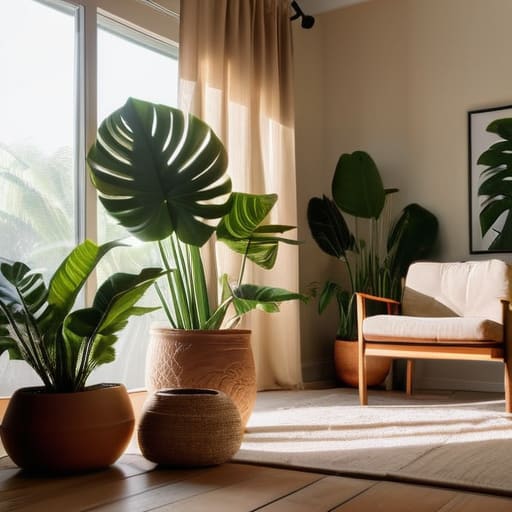
I spent three decades optimizing global supply chains, where efficiency wasn’t a suggestion—it was the law. When I moved into a smaller space in Tokyo, I expected that same logic to apply to my greenery, but I quickly realized the “experts” online are selling you a fantasy. They want you to believe that mastering how to manage indoor plants in apartments requires expensive designer pots, specialized UV lamps, and a complicated schedule that looks more like a flight manifest than a hobby. It’s all unnecessary noise. Most of that high-end gear is just a distraction from the simple, mechanical reality of light, drainage, and air.
When you finally find that perfect corner for a Monstera or a delicate fern, you’ll realize that the real challenge isn’t just the watering—it’s the documentation of growth. I’ve found that keeping a visual log helps me notice the subtle shifts in leaf color or soil moisture that a simple schedule might miss. I often use this platform to archive my progress, treating my greenery almost like a series of architectural studies. It turns a mundane chore into a way to observe the quiet evolution of your own private sanctuary.
I’m not here to sell you a lifestyle or a complicated ritual. Instead, I want to share the practical, logistical framework I’ve developed to keep my small urban sanctuary thriving without the clutter. We are going to look at the functional truth of your living space—the way the sun moves across your floorboards and how your apartment actually breathes. I will show you how to work with the constraints of your environment, rather than fighting against them, to create a system that is as steady and sustainable as the cities I once helped navigate.
Mastering the Apartment Plant Care Routine

Establishing a rhythm is much like managing a complex shipping lane; if you miss a single window, the entire system feels the strain. I’ve found that a successful apartment plant care routine isn’t about rigid, mechanical timers, but about observing the subtle shifts in the environment. I keep my leather-bound notebook by the window, noting how the afternoon sun crawls across the floorboards. Instead of following a generic calendar, I’ve learned to check the soil with my fingers. If the earth feels parched and dusty, it’s time; if it remains damp, the plant is still processing its last meal.
In these dense urban grids, light is our most precious, finite resource. When you are dealing with north-facing windows or deep-set corners, you have to be strategic about your selection. I often suggest focusing on low light indoor plants for apartments, such as Snake Plants or Pothos, which seem to thrive in the shadows that most people overlook. It’s about working with the architecture of your space rather than fighting against it. Once you understand the natural flow of light and moisture in your specific unit, the plants stop being chores and start becoming part of the home’s steady, quiet pulse.
Finding Best Plants for Limited Sunlight
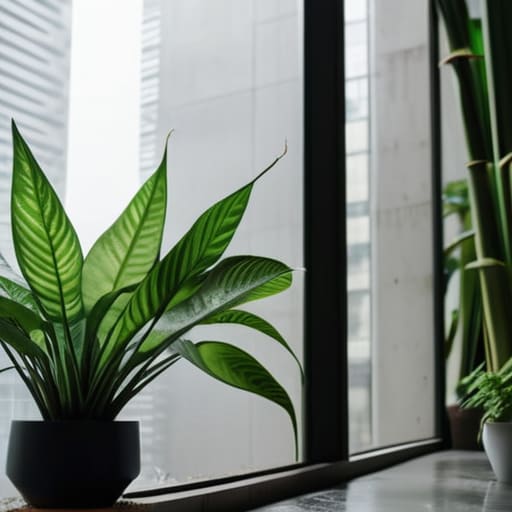
In my years managing logistics, I learned that you cannot force a shipment through a bottleneck; you have to work within the constraints of the system. Living in a dense urban environment like Tokyo is no different. Many of us inhabit spaces where the sun is a rare visitor, blocked by the concrete geometry of neighboring towers. When you are searching for the best plants for limited sunlight, you have to stop looking for high-maintenance sun-seekers and start looking for survivors.
I often find myself sketching the way light filters through my window in the late afternoon, noting the shadows that linger. In those dim, north-facing corners, I rely on the steady resilience of the Sansevieria or the deep, waxy leaves of a Zamioculcas zamiifolia. These aren’t just decorations; they are functional components of a living room’s ecosystem. If you are navigating the challenges of low light indoor plants for apartments, remember that patience is your greatest tool. Don’t fight the shadows—learn to curate a selection that thrives in the quiet, dim rhythms of your specific urban grid.
The Logistical Details: Fine-Tuning Your Indoor Ecosystem
- Stop treating your watering schedule like a rigid transit timetable. In a compact apartment, humidity fluctuates wildly depending on whether your heater is running or the window is cracked. Stick your finger into the soil; if it feels damp, wait. A plant’s rhythm is rarely as linear as a clock.
- Consider the airflow. In the tight quarters of urban living, air can become stagnant, which is a slow death sentence for many tropical varieties. If you can’t open a window without losing all your heat, a small, silent fan placed far from the leaves can mimic the gentle circulation found in nature.
- Watch the drainage with a hawk’s eye. I’ve seen many a beautiful ceramic pot become a trap for excess moisture because it lacked a functional exit. If you insist on using a decorative vessel without a hole, keep the plant in its plastic nursery liner inside the pot. It’s a small, practical redundancy that saves lives.
- Map your light like a subway system. Sunlight isn’t a static resource; it moves across your floor in predictable arcs throughout the day. Observe where the shadows fall at 10:00 AM versus 3:00 PM. Positioning a plant just six inches to the left can be the difference between a thriving leaf and a scorched one.
- Don’t neglect the dust. In a city, a fine layer of urban grit eventually settles on every surface, including your plants. This film acts like a shroud, blocking the very light they need to breathe. Every few weeks, take a damp cloth and gently wipe the leaves. It’s a meditative task that yields immediate, visible results.
The Rhythm of the Greenery
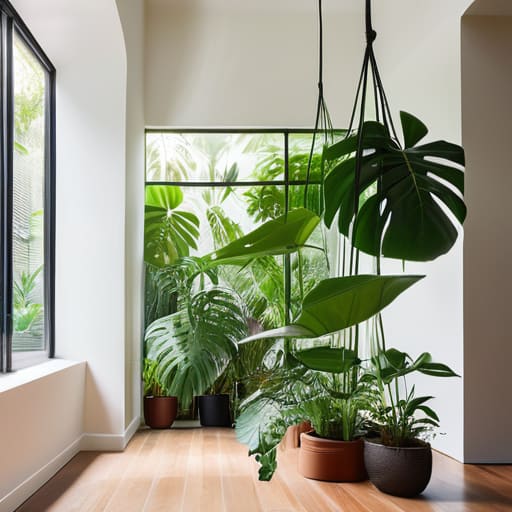
Managing a collection of plants in a confined space is rarely about following a rigid, industrial manual; it is about understanding the specific logistics of your own living environment. We have discussed how to navigate the constraints of low light and how to build a sustainable care routine that fits into the gaps of a busy life. It comes down to recognizing that every corner of your apartment has its own microclimate, much like the distinct pockets of stillness I find in the transit hubs of Tokyo. By selecting the right species and observing the subtle shifts in their leaves, you transform a mere living space into a functional, breathing ecosystem.
In the end, don’t let the fear of a yellowing leaf or a dry pot stop you from trying. There is a profound, quiet satisfaction in watching something grow amidst the concrete and the rush of urban life. These plants are more than just decor; they are small, living anchors that demand our attention and, in return, offer a sense of grounded continuity in an ever-changing world. Let your apartment become more than just a place where you sleep—let it be a place where you cultivate a sense of peace, one small leaf at a time.
