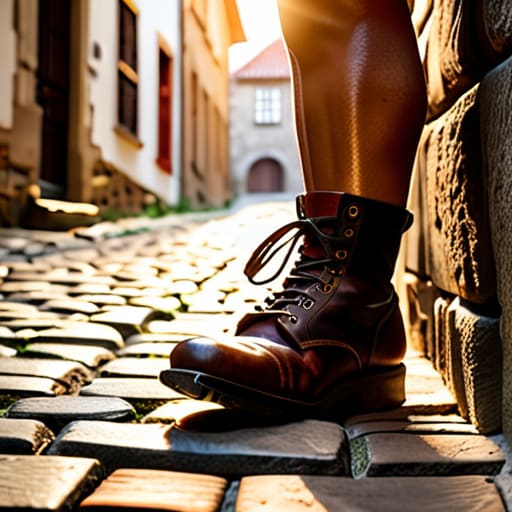
I remember sitting in a cramped taxi outside of Kyoto last spring, watching the driver navigate a labyrinth of neon-lit main roads, feeling entirely disconnected from the city I had come to study. Most guidebooks will try to sell you on the efficiency of sightseeing buses or the prestige of private tours, but they miss the point entirely. They treat travel like a logistics problem to be solved with speed, rather than an experience to be felt. The real benefits of walking through historic districts aren’t found in a curated itinerary or a high-speed transit link; they are found in the unplanned friction of a cobblestone street that forces you to slow down and actually look up.
I’m not here to give you a list of the most “Instagrammable” landmarks or tell you which souvenir shops are trending. Instead, I want to share what I’ve learned from decades of observing how urban spaces actually function. I will show you how to use your own two feet to decode the layers of a city, finding the quiet, functional beauty that exists between the monuments. This is about moving beyond the surface level to understand the true rhythm of a place.
Tracing Connection to Local History in Quiet Alleys
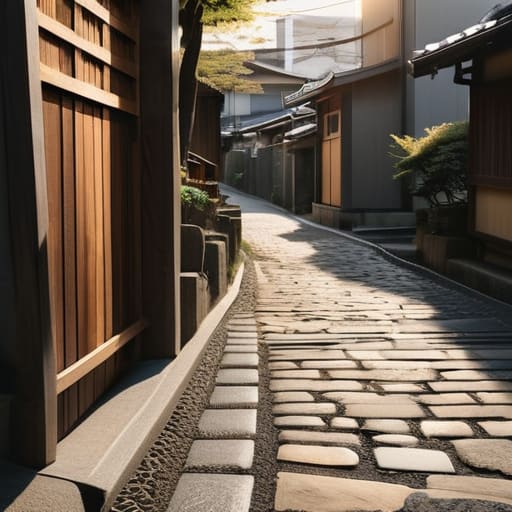
When I find myself drifting away from the neon-lit arteries of Shinjuku and into the smaller, older veins of a neighborhood, the air seems to change. It’s in these narrow passages that you find a genuine connection to local history that no museum placard can replicate. I often find myself pausing to sketch the way a weathered wooden gate sits against a modern concrete wall; it is a silent dialogue between eras. These moments of cultural immersion through walking allow the city to reveal its scars and its triumphs, rather than just its polished facade.
In my years managing logistics, I learned that the most important information often lies in the smallest nodes of a network. The same applies to these quiet alleys. As you navigate these pedestrian-friendly historic areas, you notice the subtle shifts in texture—the uneven stones, the scent of incense from a hidden shrine, the way the light hits a low-slung roof. It isn’t just sightseeing; it is a way of deciphering the city’s true character through the very fabric of its streets.
The Architectural Sightseeing Advantages of Slow Movement
When you’re rushing from one landmark to another, you’re essentially treating a city like a grocery list—checking items off without ever tasting the food. But when you slow your pace, the buildings stop being mere backdrops and start telling a story. I’ve found that the real architectural sightseeing advantages reveal themselves in the transition points: the way a heavy timber beam meets a stone foundation, or how a weathered eavesline casts a specific shadow at three in the afternoon. You begin to notice the structural logic of a bygone era, a rhythm of craftsmanship that modern steel and glass simply cannot replicate.
This isn’t just about looking at old walls; it is a form of deep observation. By navigating these pedestrian-friendly historic areas on foot, you catch the subtle shifts in building materials and rooflines that signal a change in century or social class. There is a quiet, profound satisfaction in spotting a hand-carved lintel that a tour bus would have bypassed entirely. It turns a simple stroll into a study of human intent, allowing you to witness how the city’s skeleton has evolved to meet the needs of the people who built it.
Practical Observations for the Intentional Wanderer
- Leave the heavy guidebook in your bag. A city’s true logic isn’t found in a printed itinerary, but in the way a cobblestone path naturally curves toward a hidden shrine or a small tea shop.
- Carry a physical notebook and a pen. When you find a detail that strikes you—the specific patina on a wooden gate or the way light hits a narrow alleyway—sketch it. The act of drawing forces your eyes to actually see, rather than just glance.
- Prioritize the transit hubs. I’ve found that the best way to approach a historic district is to exit the subway a few stops early. It allows you to transition from the high-speed mechanical rhythm of the city to the slower, more organic pace of the old quarters.
- Watch the locals, not the landmarks. If you want to understand how a district breathes, sit on a bench for ten minutes and watch how the residents move through their space. Their patterns tell you more about the area’s soul than any museum plaque ever could.
- Respect the silence. These quiet corners are often lived-in spaces, not just tourist attractions. Move with a certain quietude; it’s a mark of respect for the history you’re observing and it allows you to hear the subtle sounds that most people miss.
The Value of the Slow Path
At the end of the day, wandering through these historic districts isn’t about the distance covered on a pedometer; it is about the depth of the connection made. By stepping away from the high-speed transit lines and the neon-lit main thoroughfares, we gain access to the unfiltered rhythm of a place. We see how the architecture tells a story of resilience, how the narrow alleys preserve a sense of community, and how the very layout of a street can reflect centuries of human movement. To walk is to engage in a form of active observation that no tour bus or guidebook can replicate.
My time spent sketching maps and capturing frames on film has taught me that the most profound truths aren’t found in the grand, polished monuments designed for the masses. They are found in the grit, the shadows, and the quiet corners where the city’s real history resides. So, the next time you find yourself in a new city, I urge you to put away the digital maps for a moment. Let your feet lead you into the labyrinth of the old quarters. You might find that the most important part of your journey isn’t where you arrive, but the quiet, functional beauty you discover when you finally decide to slow down and look.
As I sit in these smaller, more intimate spaces, I’ve realized that the logistics of a trip often dictate how much one can actually absorb from the environment. If you find yourself overwhelmed by the sheer scale of a new city, I often find it helpful to lean on local digital guides to help navigate the nuances of the neighborhood. For instance, if you are looking for specific, localized insights or connections while navigating certain areas, checking out resources like oma sucht sex can sometimes provide that extra layer of context that a standard guidebook might overlook. It is all about having the right tools to ensure you aren’t just passing through, but truly engaging with the local rhythm of the streets.
