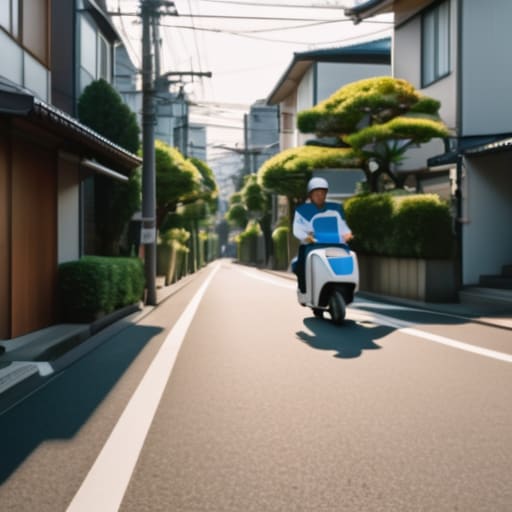
I was sitting in a small café in Setagaya last Tuesday, watching the rain blur the neon lights, when I noticed a postal worker maneuvering a heavy cart through a gap in a fence that seemed impossibly narrow. Most people look at the chaos of a megacity and see a breakdown of order, but I see the logistical miracle happening in the margins. People often assume that tokyo mail delivery is just another layer of the city’s overwhelming density, something to be endured or navigated with frustration. They mistake the sheer scale of the system for complexity, missing the fact that it is actually a masterclass in unseen precision.
I’m not here to give you a glossy brochure or a list of overpriced courier services that promise the world and deliver nothing. Instead, I want to pull back the curtain on how this city actually moves. I will share what I have learned from years of observing these patterns—from the nuances of navigating the post office system to understanding the quiet, reliable rhythm of the local routes. You can expect a no-nonsense breakdown of how to manage your own correspondence here, grounded in the reality of how Tokyo actually breathes.
Table of Contents
Decoding the Japanese Postal Code Format
When I first sat down in a small café in Setagaya, trying to transcribe a series of addresses for my film development orders, I found myself staring at the seven-digit strings of numbers that define the city’s layout. The Japanese postal code format is more than just a sequence; it is a highly compressed map. It begins with a three-digit prefix, followed by a hyphen and a four-digit suffix. To the uninitiated, it looks like a random scramble, but to someone who has spent a lifetime looking at logistics, it is a masterpiece of hierarchical organization.
Each digit acts as a layer of a filter, narrowing the vast sprawl of the metropolis down to a specific block or even a single building. Understanding this structure is essential if you are receiving international packages in Tokyo, as even a single digit out of place can send your parcel into a logistical limbo. There is a certain satisfaction in seeing how these numbers bridge the gap between a global sender and a tiny, quiet doorstep in a residential alleyway. It is the digital skeleton that supports the city’s physical movement.
The Art of Receiving International Packages in Tokyo
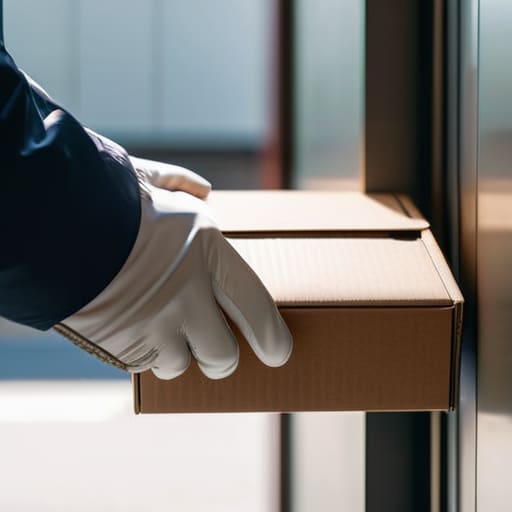
Navigating the logistics of receiving international packages in Tokyo requires a certain level of foresight, a lesson I learned the hard way during my years in supply chain management. When a parcel crosses the ocean, it enters a highly synchronized machine. Unlike the somewhat chaotic sorting hubs I encountered in my previous career, the transition from international air freight to local distribution here feels remarkably seamless. However, the nuance lies in the address precision; even a minor discrepancy in how you transcribe your building name or apartment number can cause a momentary hitch in an otherwise perfect system.
If you find yourself staying in temporary accommodations or prefer not to be tethered to a specific doorstep, I’ve found that delivery convenience store pickup is an indispensable tool. It offers a layer of autonomy that many Western systems lack. You can opt to have your items routed to a nearby Lawson or FamilyMart, allowing you to collect your goods on your own schedule. It turns a potential logistical headache into a predictable, quietly efficient ritual that fits perfectly into the ebb and flow of urban life.
Navigating the Logistics: Five Practicalities for the Urban Resident
- Master the art of the ‘Post Office Box’ (P.O. Box) if your residence lacks a secure entrance; in the dense verticality of Tokyo, a centralized collection point often provides more peace of mind than a doorstep.
- Learn the distinction between Japan Post and the private couriers like Yamato Transport; while the former is the backbone of the nation, the latter often offers more flexible, time-specific delivery windows that suit a busy schedule.
- Always keep a small stack of ‘Redelivery Requests’ (Saikōryū no Onegai) handy; if you miss a delivery, these slips are your lifeline to rescheduling without the chaos of a phone call.
- Respect the ‘Delivery Time Slot’ culture; unlike many Western cities where a package might arrive at any hour, Tokyo operates on precise windows—choose yours wisely to ensure you are there to receive it.
- Utilize the convenience store network for pickups; if you are out exploring the side streets, remember that most major chains serve as reliable, 24-hour nodes for collecting your missed parcels.
Lessons from the Ledger: Navigating Tokyo’s Postal Flow
Precision is the local currency; when addressing mail, the specific seven-digit postal code and the correct order of prefecture and ward are not mere suggestions, but the essential coordinates that keep the city’s logistics engine turning.
Patience is a practical necessity for the international sender, as the transit between global hubs and Tokyo’s dense urban pockets requires a buffer of time to account for the meticulous customs and sorting processes.
Observe the rhythm of the delivery; understanding that a successful delivery in Japan relies on the seamless integration of standardized addressing and the quiet, disciplined movement of the postal workers themselves.
The Logistics of Connection
“To watch a mail carrier navigate the labyrinthine alleys of Setagaya is to witness the city’s most essential logistical feat; it is a silent, seamless thread that weaves the private lives of millions into a single, functioning tapestry.”
Rurik Salonen
The Final Connection
Navigating the intricacies of Tokyo’s mail system—from the precise logic of the seven-digit postal code to the logistical dance of international customs—requires more than just a manual; it requires a certain level of patient observation. We have looked at how the structure of an address serves as a vital coordinate in this sprawling megalopolis and how the arrival of a package from across the ocean is a testament to a global supply chain that never truly sleeps. Understanding these mechanics is not merely about ensuring your documents arrive on time; it is about mastering the underlying rhythm that keeps this massive urban engine running without friction.
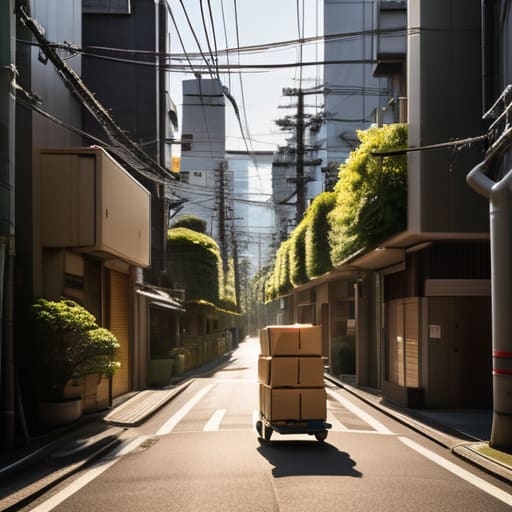
As I sit in a small cafe in Setagaya, watching a courier maneuver a heavy cart through a crowd with practiced ease, I am reminded that these systems are the invisible threads holding the city together. To the casual observer, a mail carrier is just another worker in a uniform, but to those who look closer, they are the essential architects of connectivity. In a city that can often feel overwhelming in its scale, there is a profound, quiet comfort in knowing that even the smallest letter follows a path of perfect, predictable intention. It is in these unseen, functional details that the true soul of Tokyo reveals itself.
Frequently Asked Questions
How do I navigate the nuances of redelivery requests if I'm out exploring the city's outskirts?
When I’m out in the suburbs, chasing the right light for a film shot, I don’t worry about missed deliveries. If you aren’t home, the carrier leaves a “redelivery notice” (saikōhaitatsu) in your mailbox. Don’t let it clutter your desk; use it. You can request a specific window via their website or by calling the number provided. I find the most reliable method is scheduling a precise evening slot—it aligns perfectly with the city’s shift into its quieter, nocturnal rhythm.
Is it practical to use a P.O. Box for long-term correspondence, or does the local post office prefer a physical street address?
In my experience, while a P.O. Box offers a certain layer of privacy, it can feel a bit detached from the city’s actual flow. If you are establishing roots, I find that using a physical street address is far more practical. Japanese logistics are built on the precision of the doorstep; most local services and official documents prefer the tangible reality of a residence. It keeps you integrated into the neighborhood’s unique rhythm.
What are the specific etiquette protocols when expecting a package at a small, neighborhood-run apartment building?
In a small, neighborhood apartment, the delivery isn’t just a transaction; it’s a brief social contract. If you aren’t home, avoid requesting frequent redeliveries—it disrupts the quiet rhythm of the street. When you are, a simple, polite nod to the courier goes a long way. Most importantly, ensure your name on the package matches your nameplate exactly. In these tight-knit buildings, clarity prevents confusion and preserves the seamless flow of the neighborhood.
