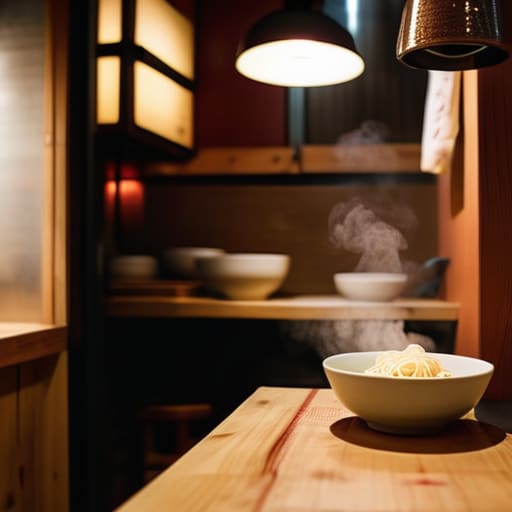
I remember sitting on a cramped stool in a Shinjuku basement last November, the steam from a bowl of tonkotsu rising to meet the dim fluorescent lights. The only sound was the rhythmic clack-clack of chopsticks against ceramic and the distant, muffled hum of the Marunouchi line passing beneath the floorboards. Most travel guides will tell you that eating solo in japan is a logistical hurdle to be cleared or a “brave” feat of independence, but they miss the point entirely. It isn’t about being brave; it’s about the singular clarity that comes when you stop performing for a dining companion and finally start noticing the texture of the broth and the precise efficiency of the service.
I have no interest in giving you a list of flashy, Instagram-ready cafes that cater to tourists. Instead, I want to share the practicalities of navigating the city’s culinary landscape through the eyes of someone who values functional beauty. I will show you how to identify the quiet, high-quality counters that thrive in the gaps between the neon lights, ensuring your solo meals are not just efficient, but deeply restorative.
Table of Contents
- Mastering the Subtle Nuances of Solo Dining Etiquette Japan
- Finding Solace in Tokyos Best Solo Friendly Restaurants
- The Logistics of a Quiet Table: Five Practical Rules for the Solo Diner
- The Logistics of a Quiet Table
- The Geometry of a Solitary Table
- The Quiet Reward of the Solo Table
- Frequently Asked Questions
Mastering the Subtle Nuances of Solo Dining Etiquette Japan
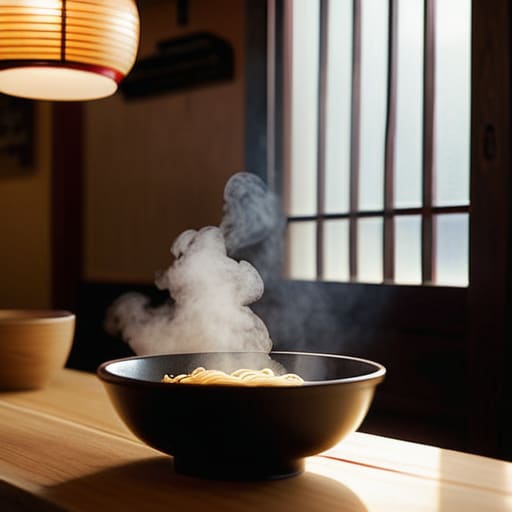
To navigate a Japanese eatery alone is to participate in a silent, highly coordinated dance. Most of the magic happens at the counter seating culture japan is famous for; these narrow wooden strips act as a buffer between you and the world. When you sit, you aren’t just occupying a chair; you are entering a space of focused efficiency. I’ve found that the most respectful approach is to observe the rhythm of the room before making your move. A slight nod to the chef and a quiet “Sumimasen” is often all the introduction you need.
There is a specific grace in the way people occupy these spaces. In many ramen shops for solo travelers, the goal is not social interaction, but a singular focus on the bowl in front of you. It is perfectly acceptable—even encouraged—to remain entirely within your own thoughts. Avoid the urge to linger too long once the meal is finished; in the logistics of a busy kitchen, turnover is part of the city’s heartbeat. Respect the flow, and the city will welcome you back.
Finding Solace in Tokyos Best Solo Friendly Restaurants
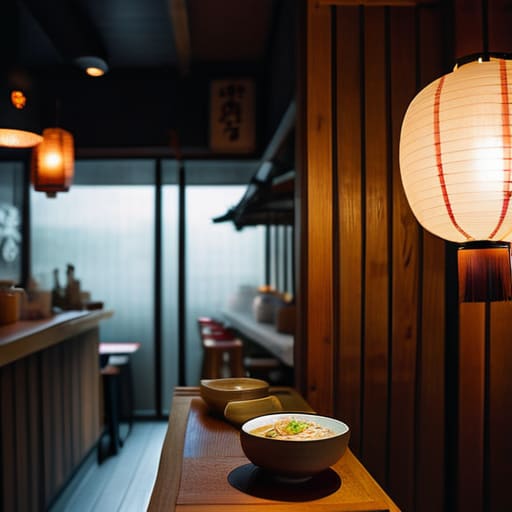
In Tokyo, the architecture of a meal is often defined by its physical boundaries. I find that the most profound sense of peace comes from seeking out the narrow, wood-paneled establishments where the counter seating culture in Japan dictates the flow of the evening. In these spaces, you aren’t an intruder; you are simply another moving part in a well-oiled machine. I often find myself drawn to the small, steam-filled ramen shops in Shinjuku or near the Yamanote line. These ramen shops for solo travelers offer a specific kind of sanctuary, where the only required social interaction is a polite nod to the chef and the rhythmic sound of slurping.
Beyond the heavy hitters of the food scene, there is a distinct comfort in the more utilitarian corners of the city. While some might see a brightly lit Lawson or FamilyMart as merely a stop for supplies, I view them through a different lens. A well-curated convenience store food guide in Japan reveals that these spots are actually masterclasses in efficiency and quietude. There is a certain, understated dignity in sitting on a small stool by a window, watching the Shibuya scramble from a distance, while enjoying a perfectly composed rice ball.
The Logistics of a Quiet Table: Five Practical Rules for the Solo Diner
- Look for the counter. In the dense urban corridors of Shinjuku or Umeda, the counter—or kaunta—is the solo traveler’s sanctuary. It provides a natural boundary between you and the room, allowing you to watch the chef’s precision without feeling like an intruder in a social space.
- Timing is your greatest ally. If you want to avoid the frantic energy of the salaryman rush, aim for the “shoulder hours”—just before the lunch peak or shortly after the dinner crowd settles. A city breathes differently when the queues aren’t pressing against the glass.
- Master the art of the single-person queue. Many of the best establishments operate on a strict first-come, first-served basis with limited seating. Don’t be deterred by a line; observe the flow. If you see a small group, remember that a single person often moves through the system much faster.
- Carry small denominations. While Japan is modernizing, the most authentic, tucked-away eateries often rely on a physical ticket machine or a cash-only register. There is no need to fumble with a large wallet at a cramped counter; a few crisp 1,000-yen notes keep the interaction seamless.
- Embrace the silence of the meal. You don’t need to fill the space with a book or a phone to appear busy. There is a profound, functional dignity in simply focusing on the steam rising from a bowl of udon. In Japan, being alone is not a lack of company; it is a deliberate choice of presence.
The Logistics of a Quiet Table
Embrace the counter seat as your primary vantage point; it is the most efficient way to observe the rhythm of the kitchen without disrupting the flow of the space.
Learn to read the unspoken cues of a busy shop, such as the subtle nod of a chef or the specific placement of a menu, to navigate your meal with minimal friction.
View solo dining not as an act of isolation, but as a logistical opportunity to decompress and witness the functional beauty of a city through its most intimate culinary corners.
The Geometry of a Solitary Table
To eat alone in a Japanese city is not to be lonely; it is to become a silent observer of the machinery that keeps it running. There is a profound, understated dignity in sitting at a narrow wooden counter, letting the steam from a bowl of noodles act as a veil between you and the rush of the world outside.
Rurik Salonen
The Quiet Reward of the Solo Table
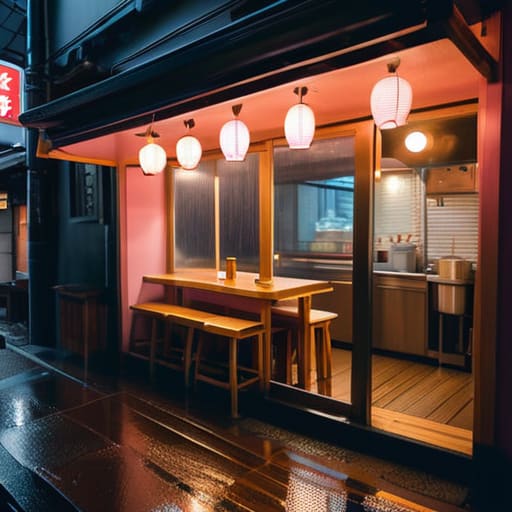
As I sit here in a small corner of Shinjuku, watching the rain blur the neon lights outside, I am reminded that solo dining in Japan is less about the food and more about the mastery of one’s own presence. We have covered the logistical essentials—from navigating the unspoken etiquette of the counter seat to identifying those tucked-away ramen stalls that serve as sanctuaries for the solitary traveler. It is a practice of observation, requiring you to respect the rhythm of the kitchen while finding your own steady beat amidst the city’s relentless movement. When you stop viewing a single seat as a lack of company and start seeing it as a privileged vantage point, the entire dining experience shifts.
Ultimately, the true value of eating alone in these crowded metropolises lies in the stillness it affords you. In a world that constantly demands our attention and our social performance, there is a profound, almost sacred freedom in being just another anonymous face in a sea of commuters. Do not rush through these meals to reach your next destination. Instead, lean into the solitude. Allow yourself to truly taste the broth and hear the ambient hum of the street. In those quiet, unscripted moments between the subway stops, you might find that you aren’t just observing the city—you are finally learning how to breathe with it.
Frequently Asked Questions
How do I navigate the unspoken rules of ordering at a ticket machine kiosk without feeling like I'm disrupting the flow?
The ticket machine is just another node in the city’s logistics, and like any efficient system, it relies on steady movement. Don’t approach the kiosk until you’ve mentally mapped your order. Stand back, observe the interface for a moment, and decide on your meal before you touch the screen. Once you’re in, be decisive. Speed isn’t about rushing; it’s about minimizing friction. Keep your wallet ready, tap, and move along to the counter.
Is there a specific time of day when the noise levels in these small eateries subside enough to actually enjoy a moment of solitude?
If you’re looking for that rare, suspended moment of stillness, aim for the lull between 2:30 and 5:00 PM. The lunch rush has bled away, and the salarymen haven’t yet descended for their evening ritual. In these mid-afternoon hours, the hum of the city feels distant. It is the perfect window to sit, observe the light hitting a wooden counter, and simply exist without the pressure of the crowd.
If I'm carrying my notebook and sketching, will I be seen as an intrusion in more traditional, cramped dining spaces?
I’ve sat in many of those cramped, wood-paneled stalls myself. If you’re sketching, the key is to remain small. As long as your notebook doesn’t encroach on the counter or disrupt the flow of the server, most will see you as just another quiet observer. I find that if I keep my movements deliberate and my presence minimal, my sketching becomes part of the room’s stillness rather than an intrusion.
