Category: Food

  • Exploring Japanese Cafe Culture

    Exploring Japanese Cafe Culture

    I remember sitting in a cramped, neon-lit corner of Shibuya last Tuesday, clutching a lukewarm latte that cost more than my first analog camera. I was surrounded by people filming their foam art for social media, completely oblivious to the rhythmic hiss of the espresso machine or the way the afternoon light hit the wooden counter. It struck me then that most travelers completely miss the point of japanese cafe culture by chasing the aesthetic instead of the atmosphere. They hunt for the “Instagrammable” spots, but in doing so, they overlook the functional stillness that makes these spaces so vital to the city’s rhythm.

    I have no interest in pointing you toward overpriced, hollow trends. Instead, I want to show you how to navigate the labyrinth of side streets to find the places where the coffee is precise and the silence is respected. My goal is to provide a practical guide to the quiet, essential corners of the Japanese coffee scene—the kind of places where you can actually hear your own thoughts. We aren’t looking for monuments here; we are looking for the heartbeat of the neighborhood.

    Table of Contents

    The Slow Rhythm of Traditional Kissaten Etiquette

    The Slow Rhythm of Traditional Kissaten Etiquette.

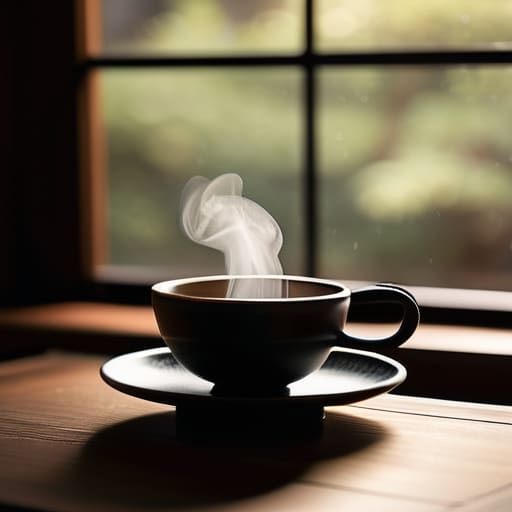
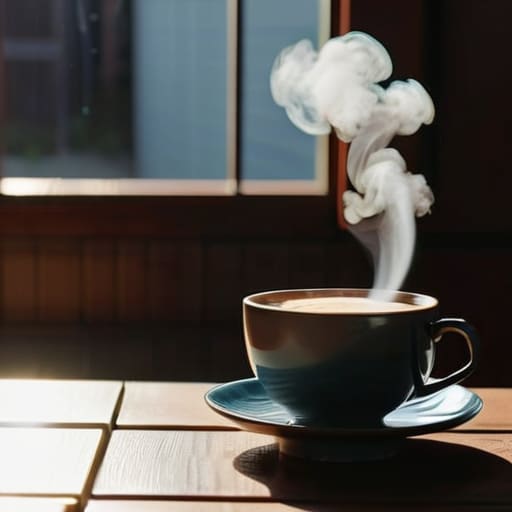
    There is a specific, almost sacred tempo to a traditional kissaten that you simply won’t find in the frantic energy of the modern Tokyo coffee scene. Stepping through those heavy wooden doors feels less like entering a business and more like entering a private living room preserved in amber. Here, the service isn’t hurried; it is deliberate. You’ll notice the subtle nuances of traditional kissaten etiquette, from the silent, precise way the proprietor places your cup on the saucer to the hushed tones maintained by the patrons. It is a space designed for contemplation, not for the rapid-fire consumption of caffeine.

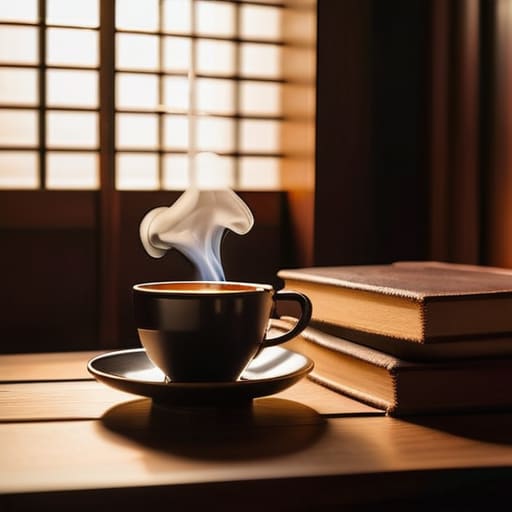
    I often find myself sitting in these dimly lit corners, watching the light play across dark wood paneling and feeling a profound sense of Showa era cafe nostalgia. In these establishments, the ritual of the pour is as important as the bean itself. There is no rush to clear the table for the next customer. Instead, there is a quiet respect for the individual’s time, an unspoken agreement that you are permitted to simply exist within these four walls.

    Finding Showa Era Cafe Nostalgia in Quiet Alleys

    Finding Showa Era Cafe Nostalgia in Quiet Alleys.

    To find the true heart of Showa era cafe nostalgia, you have to abandon the main thoroughfares and follow the narrow veins of the side streets. I often find myself wandering through the residential pockets of Setagaya or the older quarters of Taito, looking for that specific, weathered wooden sign that signals a doorway to the past. These aren’t the bright, high-ceilinged spaces of the modern Tokyo coffee scene; they are dim, amber-lit sanctuaries where time seems to have congealed around the scent of dark-roast beans and old paper.

    Inside, the atmosphere is heavy with a sense of permanence. You’ll find velvet upholstery that has smoothed over decades of use and heavy glass ashtrays that serve as silent monuments to a different age. There is a profound, unspoken dignity in these spaces. While the world outside rushes toward the next digital convenience, these small establishments remain anchored. It is in these quiet, shadowed corners—away from the neon glare—that I feel I am finally witnessing the authentic pulse of the city as it used to be.

    • Respect the silence of the Kissaten; these spaces are designed for contemplation, not for loud conversation or frantic typing, so keep your presence as unobtrusive as possible.
    • Don’t rush the process; in many traditional establishments, the coffee is brewed with a deliberate, slow precision that demands you sit back and wait for the craft to unfold.
    • Observe the unspoken etiquette of space; if you are a solo traveler, a small corner seat or a spot at the counter is often more respectful to the flow of the shop than occupying a larger table.
    • Carry small denominations of yen; while modern Tokyo is increasingly digital, the soul of the neighborhood cafe often resides in small, family-run shops that still prefer the tactile simplicity of cash.
    • Watch the staff’s movements; there is a subtle choreography to how they serve, and mirroring that level of calm and order will make your experience—and theirs—far more seamless.

    Lessons from the Counter: What the Cafe Teaches Us About the City

    To truly understand a neighborhood, look past the bright lights of the main thoroughfares and seek out the quiet, dimly lit corners where the locals find their rhythm.

    Respect the unspoken rules of the space; in a world of constant noise, the deliberate silence of a well-run cafe is a functional necessity, not an inconvenience.

    Value the texture of history over the sheen of modernity, finding more meaning in a weathered wooden counter than in the most polished, trend-driven establishment.

    The Architecture of Stillness

    A cafe in Japan isn’t just a place to consume caffeine; it is a finely tuned mechanism for pausing. Whether it’s the precise pour of a master in a dim Kissaten or the solitary hum of a corner shop, these spaces provide the necessary friction to slow down a world that is otherwise moving much too fast.

    Rurik Salonen

    The Geometry of a Quiet Moment

    The Geometry of a Quiet Moment.

    Whether you find yourself navigating the strict, polished etiquette of a high-end kissaten or stumbling upon a weathered Showa-era relic tucked behind a Shinjuku subway exit, the essence of Japanese cafe culture remains the same. It is a deliberate rejection of the frantic pace that defines the modern metropolis. Through these spaces, we see how a simple cup of coffee can serve as an anchor, bridging the gap between the relentless momentum of the city and the internal need for stillness. We have explored how these establishments are not merely businesses, but carefully curated environments that preserve a specific, measured way of being in a world that rarely stops to breathe.

    As I sit here, sketching the intersection of a narrow alleyway in my notebook, I am reminded that the most profound urban experiences aren’t found in the neon glare of Shibuya Crossing. They are found in the transition—the moment you step off a crowded train and into the hushed, cedar-scented air of a backstreet sanctuary. To truly understand Japan, you must learn to look for these small, functional pauses in the logistical flow of the streets. Don’t just visit the landmarks; seek out the corners where the city finally slows down. That is where you will find its true, beating heart.

    Frequently Asked Questions

    How can I distinguish between a modern specialty coffee shop and a traditional kissaten just by looking at the storefront?

    It’s a matter of visual logistics. If you see floor-to-ceiling glass, minimalist wood, and a bright, clinical light, you’ve found a modern specialty shop—they want the street to see the craft. But a kissaten? It hides. Look for heavy wooden doors, small, frosted windows, or a dim, recessed entryway. They aren’t trying to recruit the passerby; they are preserving a sanctuary for those who already know how to find them.

    Are there specific social etiquettes I should follow to avoid disrupting the quiet atmosphere of these smaller establishments?

    In these smaller spaces, silence isn’t an absence of sound; it’s a shared respect. Keep your phone on silent—the sharp vibration of a notification can feel like a hammer blow in a quiet kissaten. If you must take a call, step outside. Speak in low tones, and try to avoid the heavy clatter of a laptop. I find that observing more than observing loudly allows you to truly settle into the room’s natural rhythm.

    Is it common to spend several hours with a single cup of coffee, or is there an unspoken expectation to move along?

    In a traditional kissaten, time seems to bend differently. You won’t find the frantic “turnover” culture of a Starbucks here. If you’re tucked into a corner with a book and a single, well-made pour-over, there is an unspoken permission to linger. However, I’ve learned to read the room: if the shop is packed and patrons are waiting for tables, a respectful traveler eventually makes room. Balance is key.

  • Visiting Japanese Seafood Markets

    Visiting Japanese Seafood Markets

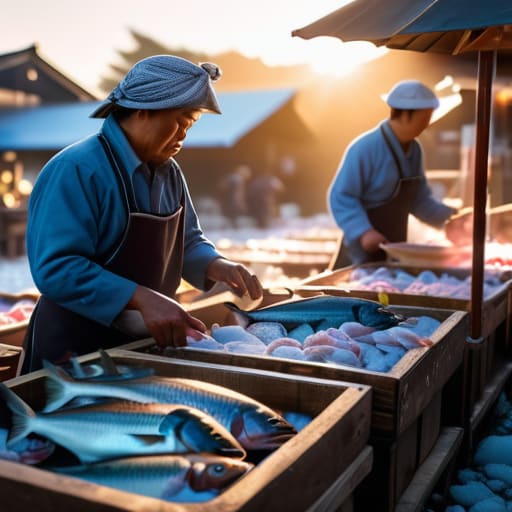
    I remember standing on a damp corner in Tsukiji just after dawn, the air thick with the scent of brine and diesel, watching a veteran wholesaler sort through a crate of sea bream with the precision of a surgeon. Most travelers arrive at japanese seafood markets expecting a polished, tourist-friendly spectacle, but they often find themselves trapped in overpriced stalls that serve nothing more than a sanitized version of reality. They chase the neon lights and the “must-see” labels, completely missing the functional beauty of the actual trade. To me, the real magic isn’t in the souvenir shops; it’s in the grit, the heavy lifting, and the quiet, rhythmic efficiency of the morning auction.

    I have no interest in helping you check a box on a bucket list. Instead, I want to show you how to navigate these spaces like someone who actually understands how a city breathes. My goal is to strip away the marketing fluff and provide you with a logistical roadmap to the authentic stalls where the quality is high and the pretension is low. We are going to look past the hype to find the quiet corners where the true soul of the sea is traded.

    Table of Contents

    Finding the Best Time to Visit Seafood Markets

    Finding the Best Time to Visit Seafood Markets.

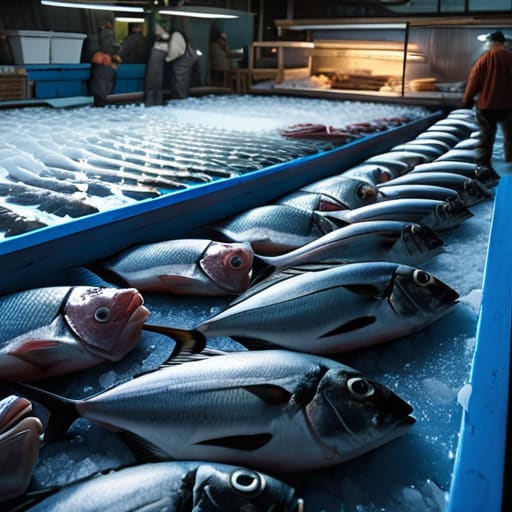
    If you want to understand the true mechanics of these markets, you have to respect the clock. Most travelers arrive at midday, expecting a bustling spectacle, only to find the energy has already dissipated. To witness the real movement—the frantic, synchronized dance of the wholesale fish auctions Japan is famous for—you need to be there before the sun even thinks about rising. There is a certain cold, blue clarity to the market at 4:00 AM; it is a time when the logistics of the entire city are being decided in the shadows of the stalls.

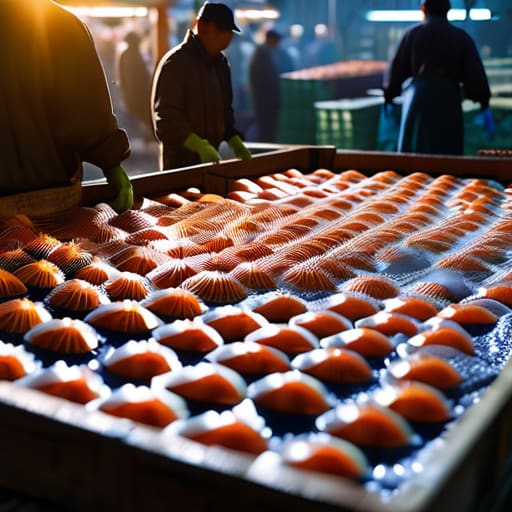
    However, timing isn’t just about the auction. If your goal is less about the industrial scale and more about the sensory experience, aim for the late morning. This is when the transition from wholesale to retail becomes seamless, and the street food in Tsukiji begins to scent the air with toasted seaweed and grilled scallops. For me, the sweet spot is that brief window when the heavy lifting is done, but the vendors still possess that sharp, professional pride in their displays. It is in these quiet, transitional hours that you can truly observe the ebb and flow of the city’s lifeblood.

    The Hidden Truth of Wholesale Fish Auctions Japan

    The Hidden Truth of Wholesale Fish Auctions Japan

    Most visitors arrive at the auction sites expecting a theatrical spectacle, but the reality of wholesale fish auctions Japan is far more disciplined. It is a masterclass in logistical precision. I’ve sat in the shadows of these terminals, watching the lightning-fast hand signals and the rhythmic, almost silent exchange of high-stakes commerce. There is no room for wasted motion here; every movement is calculated to ensure the cold chain remains unbroken from the vessel to the distributor. It is a brutal, beautiful efficiency that mirrors the heartbeat of the city itself.

    To truly grasp the scale of it, you have to look past the bright lights and the shouting. The real story lies in the unspoken hierarchy of the vendors and the sheer velocity of the trade. While many seek a curated Tokyo fish market tour to see the “show,” the actual auction is a closed-loop system designed for speed and accuracy. It isn’t about the spectacle; it is about the integrity of the product moving through a complex, invisible web of supply and demand.

    • Arrive before the world wakes up. If you want to see the market in its true state—not as a polished showroom for tourists, but as a functioning engine of commerce—you need to be there in the pre-dawn hours. By 9:00 AM, the raw energy has often evaporated, replaced by the slower, more performative rhythm of retail.
    • Follow the scent, not the signs. The most authentic stalls rarely have bright, neon-lit menus or English translations plastered on the glass. Look for the small, weathered wooden counters where the locals stand. If the atmosphere feels a bit cramped and the air is thick with salt and brine, you’re likely in the right place.
    • Carry small denominations of yen. In the frantic, high-speed environment of a wholesale market, nobody wants to be fumbling with a large bill or waiting for a credit card machine to boot up. Efficiency is the unspoken law here; having crisp, small notes shows respect for the merchant’s time and keeps the flow of the market moving.
    • Observe the logistics of the scale. Don’t just look at the fish; look at how they are handled. Watch the way the crates are stacked, how the ice is distributed, and how the workers move through the narrow aisles. Understanding the movement of the goods will give you a deeper appreciation for the sheer scale of the operation.
    • Eat where the workers eat. If you see a tiny, no-frills stall tucked between two massive seafood distributors, sit down. These spots don’t care about aesthetics or “Instagrammable” plating; they care about freshness and speed. That is where you will find the most honest bowl of kaisendon you’ve ever tasted.

    Practical Wisdom for the Observant Traveler

    Arrive before the crowds to witness the market’s true operational rhythm; the most authentic interactions occur in the pre-dawn hours when the city is still finding its footing.

    Look past the polished storefronts and follow the narrow, damp corridors where the local trade actually happens; that is where you will find the real soul of the seafood.

    Approach these spaces with a quiet respect for their function; remember that you are a guest in a living, breathing logistical machine, not just a spectator at a tourist attraction.

    The Logistics of Flavor

    “If you want to understand the true pulse of a city like Tokyo, don’t look at the neon lights; look at the way the fish markets move at four in the morning. It is a masterpiece of silent, synchronized logistics—a complex dance of supply and demand that ensures the city’s heart keeps beating long before the first commuter even reaches the station.”

    Rurik Salonen

    The Final Log

    The Final Log: Japanese wholesale market auction.

    Navigating these markets requires more than just an appetite; it demands an appreciation for the clock and a respect for the unspoken hierarchy of the wholesale floor. We have seen that success lies in the timing—arriving before the sun has fully committed to the sky—and in looking past the neon-lit storefronts to find the true wholesale auctions where the city’s pulse is most audible. Whether you are watching the frantic, rhythmic exchange of a tuna auction or simply observing the way a vendor handles a crate of seasonal uni, you are witnessing the logistical backbone of Japanese culinary culture. It is a complex, beautiful machine that operates with a precision most travelers will never truly grasp.

    As I sit here, sketching the intersection of a narrow market alley in my notebook, I am reminded that the best way to see a city is to watch how it feeds itself. Don’t just go to the markets to eat; go to witness the quiet, functional beauty of a system that has perfected itself over centuries. When you finally step away from the crowds and find that small, damp corner where the real trade happens, you aren’t just a tourist anymore. You are a witness to the living breath of the city.

    Frequently Asked Questions

    Is it possible for a solo traveler to observe the wholesale auctions without disrupting the professional rhythm of the traders?

    It is entirely possible, provided you approach it with the same respect a professional would show a high-stakes boardroom. I’ve found that the key is invisibility. Arrive early, stay on the periphery, and keep your movements minimal. Do not attempt to photograph the traders mid-transaction; their rhythm is a delicate, high-speed dance. If you act as a silent observer rather than a spectator, you won’t disrupt the flow—you’ll simply become part of the scenery.

    Beyond the high-end tuna, what are the smaller, more functional stalls where locals actually source their daily catch?

    If you drift away from the polished counters of the tuna auctions, you’ll find the real pulse of the market in the secondary aisles. Look for the stalls with no English signage—the ones where the vendors are shouting over the hum of ice saws. This is where locals grab seasonal mackerel or small, salt-cured sardines. It isn’t glamorous, but there is a profound, functional beauty in seeing a neighborhood’s daily sustenance traded with such unhurried precision.

    How do the different market layouts in Tokyo and Osaka change the way one should navigate them for the most authentic experience?

    Tokyo’s markets, like the remnants of Tsukiji, demand a disciplined, linear approach; you follow the main arteries to find the best stalls, much like navigating a well-oiled supply chain. Osaka’s Kuromon is different—it’s a labyrinthine sprawl. There is no master plan there. To find the real soul of Osaka, you have to abandon the map, drift into the narrowest side-alleys, and let the scent of charcoal and brine dictate your direction.

  • Different Varieties of Miso Soup

    Different Varieties of Miso Soup

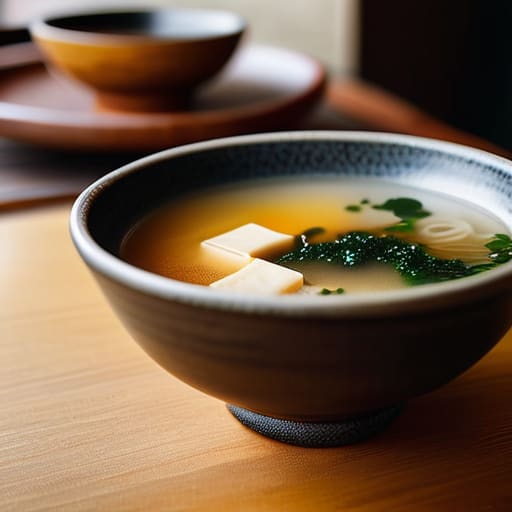
    I was sitting in a cramped, steam-filled corner of a basement eatery near Shinjuku Station last Tuesday, watching a salaryman nurse a bowl of broth with a focus usually reserved for high-stakes negotiations. Most travel guides will try to sell you on the “exotic” complexity of different miso soup varieties, treating them like fine wines to be swirled and sniffed. But that’s nonsense. To me, the real distinction isn’t about pretension; it’s about the functional soul of the bowl—how a dark, heavy red miso can anchor a cold morning, while a pale, delicate white variety acts as a gentle palate cleanser after a heavy meal.

    I have no interest in the polished, tourist-friendly versions of these recipes you find in glossy magazines. Instead, I want to walk you through the logistics of flavor—the actual, grounded differences in fermentation, color, and character that define the various miso soup varieties you’ll encounter in the real Japan. My goal is to give you a practical map of these subtle shifts, so you can stop looking for the “best” soup and start recognizing the right one for the moment.

    Table of Contents

    Decoding the Umami Flavor Profile in Every Spoonful

    Decoding the Umami Flavor Profile in Every Spoonful

    To understand the depth of a good broth, one must look past the steam and focus on the foundation. In my years of logistics, I learned that the strength of a system lies in its base components; the same is true here. The true complexity of the umami flavor profile begins long before the paste hits the pot. It starts with the choice of dashi. I often find myself weighing the subtle, sea-scented clarity of kombu dashi against the more aggressive, smoky punch of bonito dashi. While the former offers a cleaner, more minimalist canvas, the latter provides a structural weight that anchors the entire bowl.

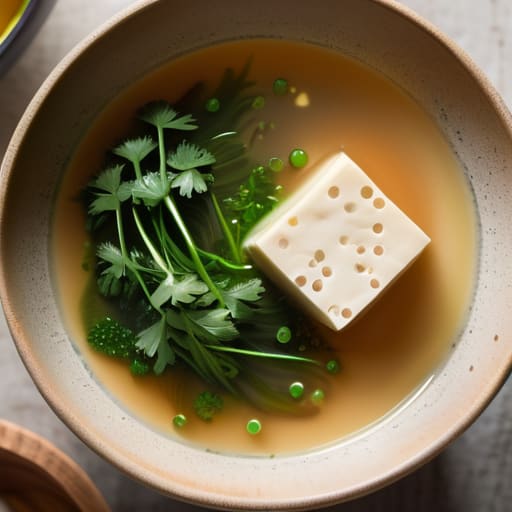
    The character shifts dramatically once you introduce the fermented elements. Understanding the white vs red miso differences is essential for anyone trying to map the culinary landscape of a neighborhood. White miso, or shiro miso, is lighter and carries a delicate sweetness that feels appropriate for a quiet morning. Red miso, conversely, is fermented longer, yielding a saltier, more robust profile that commands attention. When these are paired with thoughtful tofu and seaweed additions, the soup ceases to be mere sustenance and becomes a study in balance.

    White vs Red Miso Differences a Study in Fermentation

    White vs Red Miso Differences a Study in Fermentation

    To understand the nuances of these pastes, one must look past the color and see the clock. In my years of managing logistics, I learned that timing dictates everything; fermentation is no different. White miso, or shiro miso, is the product of a shorter, gentler aging process. It possesses a subtle, almost creamy sweetness that feels light on the palate. I often find it paired with delicate tofu and seaweed additions during a quiet morning, providing a soft introduction to the day without overwhelming the senses.

    In contrast, red miso—aka miso—is a study in patience and intensity. It has been left to mature in wooden vats for months, perhaps even years, resulting in a deep, salty complexity that commands attention. When I encounter this variety in a small izakaya, it feels more substantial, more grounded. The white vs red miso differences aren’t just about hue; they represent a spectrum of fermentation that dictates how a dish breathes. While white miso offers a fleeting, bright note, red miso provides a heavy, resonant bassline that anchors the entire meal.

    A Logician’s Guide to Navigating the Miso Landscape

    • Respect the dashi foundation. Just as a global supply chain relies on its primary arteries, a miso soup is only as strong as its base broth. If you are dining in a neighborhood shop, pay attention to whether they use katsuobushi (bonito) or kombu (kelp); the broth is the silent architecture upon which the miso rests.
    • Match the weight of the paste to the density of the ingredients. If you find yourself in a stall serving hearty, chunky vegetables or thick tofu, look for a darker, more robust red miso. For lighter, more delicate seasonal greens, a pale white miso will preserve the subtle nuances without overwhelming them.
    • Observe the seasonal rhythm. In my travels through Osaka, I’ve noticed that the varieties often shift with the weather. Heavy, fermented pastes feel more grounding during the damp, humid summer months, while lighter, clearer broths offer a necessary clarity during the biting chill of winter.
    • Don’t rush the infusion. If you are preparing this at home, never boil the miso paste itself. High heat destroys the delicate enzymes and the complex soul of the fermentation. Whisk it in at the very last moment, much like the final calibration of a complex logistical plan.
    • Look for the “hidden” varieties in regional specialties. Don’t limit your search to the standard supermarket labels. Some of the most profound experiences I’ve had involve local, artisanal pastes found in small, non-descript shops near transit hubs—pastes that carry the specific salinity and character of their home prefecture.

    The Logistics of a Perfect Bowl

    Understanding that miso is not a monolith, but a spectrum of fermentation where the color and saltiness dictate the dish’s role in a meal’s rhythm.

    Recognizing that the true soul of the soup lies in the quality of the dashi, the invisible foundation that carries the miso’s character through the broth.

    Learning to seek out the regional variations found in neighborhood stalls, where the specific blend of paste often tells the story of the local terrain.

    The Logistics of Flavor

    “Much like a well-oiled transit network, a perfect bowl of miso is a study in balance; it isn’t just about the salt or the grain, but how the specific depth of the fermentation interacts with the broth to create a momentary, quiet equilibrium in the middle of a frantic day.”

    Rurik Salonen

    The Final Sip

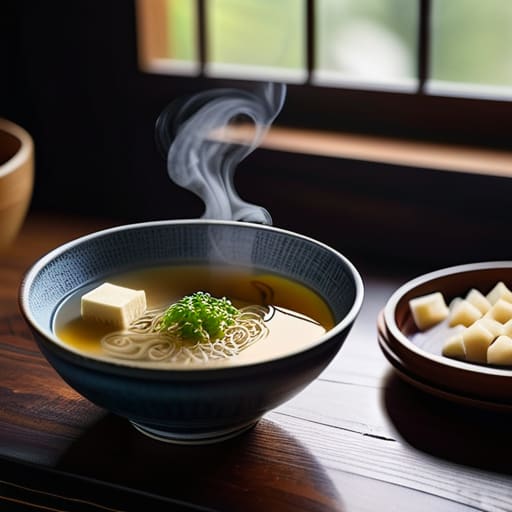
    Steaming miso ramen, The Final Sip.

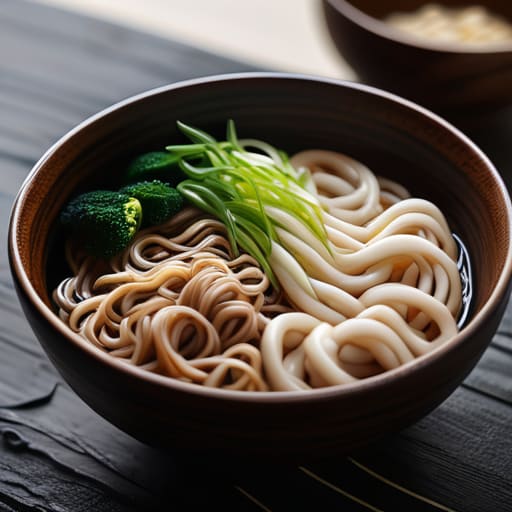
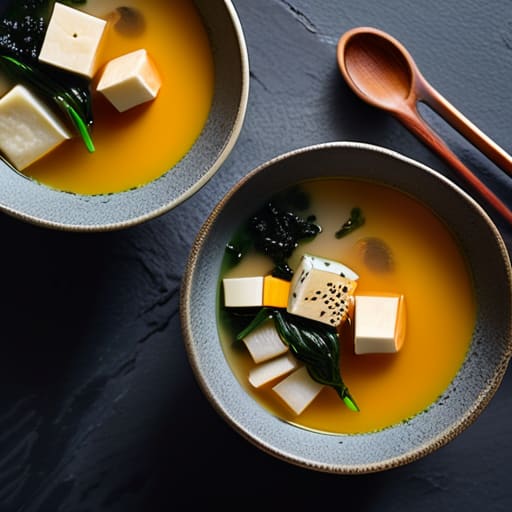
    As I sit here in this small corner of Shimokitazawa, watching the steam rise from my bowl, the complexity of what we have discussed becomes clear. Whether it is the delicate, slightly sweet notes of a white miso or the deep, fermented intensity of a red variety, each bowl is a result of careful, patient timing. We have looked at how the salinity, the color, and the specific fermentation process dictate the character of the broth. To truly understand miso is to understand that there is no single “correct” way to enjoy it; rather, there is a vast spectrum of flavor that responds to the ingredients paired with it, from the subtle crunch of tofu to the earthy depth of dried seaweed.

    Ultimately, my time spent navigating these narrow streets has taught me that the most profound lessons aren’t found in the grand architecture, but in these small, steaming vessels. A bowl of miso soup is more than just a morning ritual or a simple side dish; it is a quiet testament to the beauty of precision. When you stop rushing through the transit hubs and start paying attention to the subtle shifts in flavor, you begin to see how a city truly breathes. I encourage you to look past the tourist menus and find your own quiet corner, where the broth tells a story that no guidebook could ever capture.

    Frequently Asked Questions

    How does the choice of dashi—whether it's kombu, bonito, or something more obscure—change the way the specific miso variety expresses itself?

    The dashi is the foundation upon which the miso performs. If I use a clean, kelp-based kombu dashi, the delicate, sweet notes of white miso are allowed to sing without distraction. However, when I pair a robust, smoky bonito dashi with a deep red miso, the flavors engage in a heavy, structural dialogue—much like the interplay of steel and stone in a city terminal. The broth doesn’t just carry the miso; it dictates its character.

    Are there certain regional miso styles in Japan that are better suited for specific times of the year or particular seasonal ingredients?

    In my travels, I’ve noticed the Japanese palate shifts with the seasons, much like the changing light for my film photography. During the biting chill of winter, I find myself gravitating toward the robust, saltier red misos of Aichi; they offer a grounding warmth that feels necessary. Conversely, as spring arrives, the lighter, sweeter white misos pair beautifully with delicate seasonal greens, mirroring the subtle, fleeting freshness of the city as it wakes.

    When navigating a local market or a small neighborhood eatery, what are the subtle visual cues that distinguish a freshly fermented miso from one that has been sitting on a shelf?

    When I’m browsing a local market, I look for life in the texture. Freshly fermented miso rarely looks uniform; it possesses a certain luster and a slight, moist sheen. If it looks dull, dusty, or unnaturally smooth, it’s likely been sitting too long. I pay close attention to the surface—a vibrant, slightly uneven grain suggests a living culture. It’s a small detail, but in a city of precision, these subtle textures tell the real story.

  • Popular Types of Japanese Donburi

    Popular Types of Japanese Donburi

    The steam from a heavy ceramic bowl often does more to clear the mind than any meditation retreat ever could. I remember sitting in a cramped, six-seat shop near Shinjuku Station during a torrential downpour last November, watching the chef move with a mechanical, rhythmic precision that reminded me of the logistics hubs I used to manage. There was no garnish for the sake of social media, no unnecessary flourishes—just the honest, concentrated weight of donburi rice bowls placed firmly on the counter. Most people spend their time chasing Michelin stars or overpriced fusion trends, but they miss the functional beauty of a meal that is designed to do one thing: sustain you.

    I have no interest in the curated, “Instagrammable” dining guides that clutter your feed. Instead, I want to show you how to find the real thing. My goal is to help you navigate the backstreets and subway exits to locate those quiet, unassuming stalls where the quality of the ingredients speaks louder than the decor. We are going to look past the neon lights to find the authentic heart of Japanese comfort food, focusing on the texture of the grain and the temperature of the broth.

    Table of Contents

    Tracing Umami Flavors Through Hidden Alleyway Kitchens

    Tracing Umami Flavors Through Hidden Alleyway Kitchens

    To find the heart of a city, you have to follow the steam. I often find myself drifting away from the neon-lit main drags of Shinjuku or Namba, seeking out those narrow, lightless corridors where the signage is weathered and the seating is cramped. It is in these tucked-away kitchens that the true essence of Japanese comfort food culture reveals itself. There is no pretense here; there is only the rhythmic sound of a chef working a seasoned wok and the deep, savory scent of dashi permeating the air.

    Navigating these menus requires a bit of logistical intuition. You might find yourself caught in the classic debate of gyudon vs katsudon—the former offering a quick, salty efficiency for the salaryman on the move, while the latter provides a heavy, breaded warmth that feels like a sanctuary. Each bowl is a study in balance, layering umami flavors in donburi through slow-simmered onions or perfectly fried proteins. I find that the best meals aren’t found in the glossy brochures, but in these quiet, shadowed spaces where the city’s pulse feels most honest.

    The Soulful Contrast of Gyudon vs Katsudon

    The Soulful Contrast of Gyudon vs Katsudon.

    If you sit at a worn wooden counter during a frantic lunch hour, you’ll quickly realize that the choice between gyudon and katsudon is more than just a matter of preference; it is a study in urban tempo. The gyudon is the city’s heartbeat—efficient, streamlined, and reliable. Thinly sliced beef and onions simmered in a savory dashi broth provide a direct hit of umami flavors in donburi that fuels the salaryman on the move. It is the quintessential quick rice bowl meal, designed for those who respect the precision of a ticking clock.

    Katsudon, however, demands a different kind of presence. There is a certain weight to it, a deliberate slowing down. The crispy, golden texture of the breaded pork cutlet, softened slightly by a ribbon of egg, represents the more indulgent side of Japanese comfort food culture. While the beef bowl is about momentum, the katsudon is about sustenance and reward. One keeps you moving through the subway arteries; the other invites you to sit, breathe, and find a moment of stillness amidst the metropolitan rush.

    The Logistics of a Perfect Bowl: Five Practical Rules for the Discerning Eater

    • Timing is everything. If you want to avoid the frantic rush of the salaryman crowd, aim for the “dead zones” between 2:00 PM and 5:00 PM. You’ll find a much more contemplative atmosphere, allowing you to actually observe the steam rising from the bowl rather than just inhaling it in a hurry.
    • Watch the counter, not the menu. In the smaller, more authentic shops, the most skilled hands are often the ones working the narrowest counters. If you see a chef moving with practiced, economical motions—no wasted energy, no unnecessary noise—that is where the best donburi is being composed.
    • Respect the architecture of the bowl. A true donburi is a feat of structural engineering. The rice at the bottom should be seasoned enough to stand on its own, acting as the foundation for the toppings. If the rice is merely a bland bed for the protein, the shop hasn’t mastered the balance.
    • Seek out the “Single-Track” specialists. Much like a well-oiled supply chain, the best kitchens often focus on a single, highly refined product. A shop that only serves Tendon or only serves Unadon has likely spent decades perfecting the specific logistics of that one dish.
    • Don’t fear the narrowest entrances. In Tokyo and Osaka, the most significant culinary rewards are often hidden behind doors so small you have to duck. If the alleyway looks like a logistical nightmare, the kitchen inside is likely a masterpiece of efficiency and flavor.

    The Logistics of a Perfect Meal

    Look past the neon-lit storefronts; the most authentic donburi is found in the quiet, functional kitchens tucked into the transit arteries of the city.

    Understand the distinction between the quick, salty efficiency of a gyudon and the heavier, more comforting weight of a katsudon to match your rhythm for the day.

    True flavor isn’t just in the ingredients, but in the seamless, unhurried ritual of the bowl—a small, steady moment of order amidst the urban chaos.

    The Geometry of a Single Bowl

    A donburi is more than just a meal; it is a masterclass in logistical efficiency. You have the foundation of rice, the structural integrity of the protein, and the unifying glaze of the sauce—all contained within a single ceramic vessel, designed to fuel a person while they remain perfectly in motion with the city.

    Rurik Salonen

    The Last Grain of Rice

    A bowl representing The Last Grain of Rice.

    As I sit here in this small shop, watching the steam rise against the windowpane, I am reminded that a donburi bowl is more than just a quick meal for a commuter. We have traced the lineage of these dishes from the heavy, comforting layers of katsudon to the efficient, savory simplicity of gyudon, and we have seen how the best versions are often tucked away in those unassuming, narrow alleyways that most travelers overlook. Whether it is the precise balance of dashi or the texture of the rice, these bowls represent a masterclass in logistical culinary efficiency—delivering maximum soul within a single, compact vessel.

    Ultimately, seeking out the perfect donburi is a lesson in how to truly observe a city. It requires you to step off the main thoroughfare, ignore the neon glow of the tourist traps, and follow the scent of soy and simmering broth into the quiet corners of the neighborhood. If you approach your travels with this kind of deliberate curiosity, you will find that the most profound experiences aren’t found in the grand monuments, but in the small, steaming bowls that sustain the city’s pulse. Keep your eyes low and your appetite open; the real Japan is waiting in the details.

    Frequently Asked Questions

    Is there a specific etiquette I should follow when eating at these small, counter-only donburi shops?

    When you’re squeezed onto a narrow stool in a shop no larger than a shipping container, etiquette is about respecting the flow. It’s a high-efficiency environment. Don’t linger over your phone; focus on the bowl. When you’re finished, place your chopsticks neatly across the rest or in the provided holder—never stick them upright in the rice. Most importantly, a quiet “Gochisousama-deshita” as you depart acknowledges the craft behind your meal.

    How can I tell the difference between a quick, mass-produced bowl and one made with traditional, slow-simmered ingredients?

    You look for the indicators of intent. A mass-produced bowl is a product of efficiency; the rice is often overly polished, and the sauce has a singular, aggressive sweetness that masks everything else. A proper, slow-simmered bowl reveals itself in the layers. Look for a deep, translucent broth where the dashi holds its own against the soy, and rice that retains a slight, structural integrity. If the flavor hits you all at once and vanishes, it’s assembly-line work. If it lingers, you’ve found the craft.

    Are there certain types of donburi that are better suited for a solo traveler looking for a quiet moment rather than a busy lunch rush?

    If you’re seeking solitude, steer clear of the heavy, fried options like Katsudon during peak hours; they tend to attract the boisterous lunch crowds. Instead, look for Oyakodon or a simple Ten-don in the smaller, counter-only shops. There is a meditative quality to watching a chef carefully ladle dashi over soft eggs. It’s a slower, more rhythmic meal that suits a quiet corner and a steady mind.

  • Understanding Yakitori Grill Styles

    Understanding Yakitori Grill Styles

    I was sitting in a cramped, smoke-filled alleyway in Shinjuku last Tuesday, watching a chef manipulate a bed of glowing embers with the precision of a watchmaker. Most travel guides will try to sell you on the “luxury” of high-end dining, but they completely miss the point. They focus on the menu, while I’ve learned that the true character of a meal is dictated by the yakitori grill styles used behind the counter. Whether it’s the intense, localized heat of a traditional binchotan setup or the more forgiving flow of a gas-assisted unit, the hardware is the silent architect of the flavor.

    I’m not here to give you a polished marketing pitch or a list of expensive restaurants to check off your bucket list. Instead, I want to pull back the curtain on the logistics of heat. I will walk you through the functional differences between these various setups, stripping away the hype to show you how each method affects the texture, the smoke, and the soul of the skewer. If you want to understand how a kitchen truly breathes, this is where we begin.

    Table of Contents

    Traditional Japanese Kushiyaki Methods and the Binchotan Charcoal Benefits

    Traditional Japanese Kushiyaki Methods and the Binchotan Charcoal Benefits.

    When I sit at a narrow counter in a Shinjuku alleyway, I am less interested in the menu and more focused on the heat. To understand traditional Japanese kushiyaki methods, one must look past the skewers and toward the fuel. Most masters rely on binchotan charcoal, a white oak variety that burns with a steady, intense heat. Unlike the flickering, smoky flames of standard lump charcoal, binchotan offers a clean, infrared radiation that sears the meat instantly. This prevents the juices from escaping, locking them within the protein before the exterior even begins to crisp.

    The true binchotan charcoal benefits lie in this precision; it produces almost no smoke or odor, allowing the delicate scent of the yakitori seasoning and tare to remain the protagonist of the meal. In a high-end setting, this might be part of a seamless omakase style grilling experience, where the chef manages the temperature with the same meticulous care I once applied to a global shipping manifest. It is a controlled, rhythmic dance of fire and timing that turns a simple piece of poultry into something profound.

    Omakase Style Grilling the Chefs Quiet Dialogue With Fire

    Omakase Style Grilling the Chefs Quiet Dialogue With Fire

    Sitting at a narrow counter in a cramped Shinjuku alley, you realize that omakase style grilling is less about a menu and more about a rhythm. There is no frantic shouting of orders here; instead, there is a silent, rhythmic communication between the chef and the glowing embers. He doesn’t just cook; he listens to the meat. He watches for the exact moment the fat begins to render, knowing instinctively when the heat from the coals is sufficient to sear the exterior without drying the center. It is a delicate, unspoken choreography played out in the space between the grill and the plate.

    In these intimate settings, the mastery of traditional Japanese kushiyaki methods becomes palpable. The chef manages the airflow and the placement of each skewer with a precision that reminds me of the complex logistics I once managed—every movement has a purpose. You see him brush the yakitori seasoning and tare onto the skewers with a practiced, light hand, ensuring the glaze caramelizes perfectly under the intense, clean heat. It is a masterclass in patience, where the goal isn’t speed, but a perfect, fleeting moment of culinary equilibrium.

    The Logistics of the Flame: Five Observations for the Discerning Diner

    • Watch the airflow. A well-designed grill isn’t just about the heat; it’s about the ventilation. If you see a chef adjusting the ceramic plates beneath the charcoal, they are managing the oxygen flow to control the temperature—a precision that dictates whether a skewer is merely cooked or truly transformed.
    • Seek the smoke, but respect the clarity. In a high-end setting using binchotan, the smoke should be a delicate, fragrant veil, not a heavy shroud. If the smoke is thick and acrid, the fuel is likely low-grade or the airflow is poorly managed, which masks the natural flavor of the meat.
    • Observe the spatial layout. The best yakitori stalls are organized with the efficiency of a well-run warehouse. There should be a clear, logical progression from the raw prep area to the heat zone, allowing the chef to move with a steady, rhythmic economy that ensures no skewer sits too long in the heat.
    • Look for the “indirect heat” zones. Not every part of a professional grill is meant for direct flame. A seasoned chef uses the edges of the coals to gently finish a skewer, ensuring the interior is tender while the exterior maintains its crisp, charred integrity.
    • Don’t ignore the vessel. The material of the grill—be it heavy ceramic or traditional clay—acts as a thermal battery. A heavy, high-quality grill maintains a consistent, steady heat that prevents the temperature fluctuations that lead to unevenly cooked poultry.

    The Logistics of Flavor: Key Lessons from the Grill

    The choice of fuel is never arbitrary; the steady, intense heat of binchotan is a logistical necessity for achieving a perfect sear without compromising the moisture of the meat.

    Mastery lies in the nuances of the chef’s movement—an unspoken rhythm where the timing of the flip and the management of the coals dictate the entire experience.

    To truly appreciate yakitori, one must look past the skewer itself and observe the environment, recognizing that the quality of the meal is inseparable from the heat and the craft of the person tending the fire.

    The Architecture of Heat

    “A grill is more than just a tool; it is the logistical heart of the shop. Whether it’s the wide, communal expanse of a street-side stall or the precise, intimate radius of a chef’s personal station, the way the heat is distributed dictates the entire rhythm of the meal.”

    Rurik Salonen

    The Final Ember

    Yakitori grilling with The Final Ember.

    Whether you find yourself seated at a high-end counter witnessing the precision of an omakase master or tucked into a narrow alleyway beside a rugged, charcoal-fired stall, the essence of yakitori remains the same. We have seen how the choice of fuel—from the intense, clean heat of binchotan to the more communal, smoky atmosphere of standard grills—dictates the entire rhythm of the meal. It is a delicate logistical dance between temperature, airflow, and timing. To understand the grill is to understand the fundamental architecture of the meal itself; it is the engine that transforms simple ingredients into something profound.

    As I sit here, sketching the layout of this particular izakaya in my notebook, I am reminded that the best things in life rarely require grand gestures. They require patience and a respect for the process. A city like Tokyo is a vast, complex machine, but its true pulse is found in these small, flickering moments of heat and smoke. Don’t just rush through your meal to reach the next destination. Instead, lean into the warmth, watch the embers glow, and allow yourself to appreciate the quiet, functional beauty of a craft perfected over centuries.

    Frequently Asked Questions

    How does the choice between electric and charcoal grills impact the specific flavor profile of the skin versus the meat?

    It comes down to the management of fat and heat. An electric grill offers a controlled, steady temperature—reliable, but it lacks the violent, aromatic interaction of fire. You get a clean cook, but the skin often remains merely cooked. With charcoal, especially binchotan, the high, radiant heat renders the fat instantly. That fat drips onto the coals, creates a momentary flare of smoke, and then rises back up to lacquer the skin with a distinct, primal crispness that electricity simply cannot replicate.

    For someone traveling through smaller neighborhoods, how can I tell if a shop is using high-quality binchotan just by looking at the setup?

    Look for the subtle signs in the setup. In smaller shops, you won’t see a massive, flashy grill, but rather a compact, well-maintained unit. Pay attention to the ash. High-quality binchotan burns incredibly clean; if you see a fine, white, almost powdery ash settling around the coals rather than thick, black soot, you’re in good hands. It’s a quiet indicator of a steady, intense heat that respects the ingredient.

    Is there a significant difference in the way skewers are rotated or managed when moving from a high-volume street stall to a more formal setting?

    The difference is in the rhythm. At a street stall, it’s a frantic, practiced dance—constant motion to keep up with the crowd, managing heat with raw intuition. In a formal setting, the rotation becomes a deliberate, almost meditative act. There is no rush. The chef manages each skewer with a precision that respects the timing of the charcoal, ensuring the heat penetrates perfectly without ever breaking the quiet composure of the kitchen.

  • A Guide to Japanese Bento Boxes

    A Guide to Japanese Bento Boxes

    I remember sitting on a crowded Yamanote Line train during rush hour, the air thick with the scent of roasted sesame and soy, watching a salaryman carefully peel back the lid of his japanese bento box. In that cramped, metallic space, there was something profoundly orderly about the way the pickled radish sat perfectly against the tamagoyaki. Most travel guides will try to sell you on the “aesthetic” or the high-end, lacquered art pieces meant for display, but they miss the point entirely. A bento isn’t a souvenir; it is a masterclass in spatial efficiency and a vital tool for navigating the urban grind.

    I’m not here to give you a list of overpriced department store delicacies or tell you how to make a meal look “Instagrammable.” Instead, I want to talk about the mechanics of a good meal—how to find the most functional, honest boxes in the city’s quietest corners and how to understand the logistics of flavor that keep a commuter going. I’ll share what I’ve learned from years of observing these small, contained worlds, focusing on the practical details that actually matter when you’re living your life in transit.

    Table of Contents

    The Architecture of Flavor Bento Box Compartments and Layout

    The Architecture of Flavor Bento Box Compartments and Layout.

    When I look at a well-constructed meal, I don’t just see food; I see a masterclass in spatial management. Much like the logistical efficiency I spent decades perfecting in global shipping, the bento box compartments and layout serve a functional purpose. Each section is a designated zone, preventing flavors from bleeding into one another and ensuring that a delicate piece of tamagoyaki remains untouched by the juices of a pickled plum. It is a controlled environment designed for stability during transit.

    There is a profound logic to how the various elements are arranged. It isn’t merely about aesthetic food presentation tips; it is about the structural integrity of the meal. You’ll notice how the heavier grains act as a foundation, while the smaller, more colorful vegetables fill the gaps to prevent shifting. This careful distribution ensures balanced nutrition in bento is achieved through variety, utilizing every square centimeter of available space. To the untrained eye, it is just a lunch; to me, it is a perfectly optimized system of small, delicious parts working in total harmony.

    The Quiet Truth of Traditional Bento Ingredients

    When I look closely at a well-crafted meal, I don’t just see food; I see a logistical triumph of color and texture. The true soul of the experience lies in the traditional bento ingredients that have remained largely unchanged for generations. It isn’t about extravagance, but about a disciplined selection of seasonal elements—perhaps a piece of salt-grilled mackerel, a few slices of pickled daikon, and a handful of tamagoyaki. There is a profound sense of order in how these items interact, providing a sense of balanced nutrition in bento that sustains a person through a long afternoon of work or travel.

    I’ve noticed that the most successful boxes rely on a strict adherence to the five colors: red, yellow, green, black, and white. This isn’t merely for show; it is a functional way to ensure variety. As I sit in a corner of a Shinjuku park, sketching the way the light hits the lacquer, I realize that these ingredients are chosen to hold their integrity. They are designed to be eaten at room temperature, maintaining their structural and flavorful essence without the need for heat. It is a quiet, edible form of functional beauty.

    The Logistics of the Lunchbox: Five Rules for a Balanced Bento

    The Logistics of the Lunchbox: Five Rules for a Balanced Bento
    • Respect the spatial constraints. Just as in a well-managed warehouse, every millimeter matters; use small, colorful garnishes like pickled ginger or bright green edamame to plug the gaps and prevent the components from shifting during a bumpy subway ride.
    • Prioritize moisture control. A successful bento relies on dry textures; ensure your proteins are properly drained or wrapped to prevent juices from seeping into the rice, which can compromise the integrity of the entire meal.
    • Seek the balance of temperature. I’ve learned that the best bento components are those that taste intentional when eaten at room temperature, rather than those that rely on being piping hot to be palatable.
    • Color is your functional guide. Aim for a spectrum of five colors—red, yellow, green, black, and white—not just for aesthetics, but to ensure a logistical variety of nutrients that will sustain you through a long afternoon.
    • Choose your vessel with purpose. Don’t just grab any plastic container; find a sturdy, well-fitted box that fits comfortably in your bag and reflects the quiet, organized ritual of the meal you are about to consume.

    The Logistics of a Perfect Meal

    A bento is a masterclass in spatial efficiency, where every millimeter of compartment space is utilized to prevent flavor bleed and maintain structural integrity.

    True quality lies in the balance of textures and colors, ensuring that the meal remains visually engaging and nutritionally complete even when eaten in transit.

    To appreciate a bento is to respect the intentionality behind its assembly; it is a small, portable ecosystem designed to provide stability amidst the urban rush.

    The Geometry of a Meal

    A bento box is more than just a meal; it is a masterclass in spatial efficiency. To look at one is to see a microcosm of the city itself—everything has its designated place, nothing is wasted, and within that tight, organized boundary, there is a profound sense of order that makes the chaos of the workday feel momentarily manageable.

    Rurik Salonen

    The Final Assembly

    The Final Assembly of a bento box.

    When we look past the surface, a bento box is more than just a meal; it is a masterclass in logistical precision and sensory balance. We have seen how the deliberate architecture of its compartments prevents the chaos of flavors from bleeding into one another, and how the selection of ingredients reflects a deep, seasonal respect for the land. Whether it is the careful placement of a pickled plum or the structural integrity of a rice mound, every element serves a purpose. It is a carefully orchestrated system designed to provide sustenance while maintaining a sense of order, much like the well-oiled transit networks that keep these cities breathing.

    As I sit on a park bench near Shinjuku, watching the sunlight filter through the trees while I unpack my own small container, I am reminded that there is dignity in the small things. We often spend our lives chasing the grand gestures—the towering skyscrapers or the famous shrines—but the true essence of a culture is often found in these quiet, functional rituals. A bento box teaches us that even within the rush of a metropolitan life, there is always room to find beauty, balance, and a moment of stillness. It is not just about eating; it is about how we choose to organize our world, one small compartment at a time.

    Frequently Asked Questions

    How do I maintain the structural integrity and temperature of a bento when traveling through different urban climates?

    When moving between the humid subway tunnels and the biting wind of an Osaka street, I’ve learned that thermal management is a logistical necessity. I rely on insulated, high-quality canvas wraps—furoshiki—to buffer temperature shifts. For structural integrity, I avoid stacking heavy rice portions atop delicate proteins. If I’m traveling long distances, I keep the bento in a structured, hard-shell bag to prevent the contents from shifting during the inevitable jolts of the Yamanote Line.

    Are there specific types of lacquerware or containers that are best suited for long-term use in a daily commute?

    If you’re looking for something that survives the daily grind of a commute, skip the delicate, high-gloss ceremonial pieces. I’ve found that Shunkei-nuri is far more practical; its translucent lacquer reveals the wood grain beneath, offering a rugged elegance that handles minor scuffs well. For true longevity, seek out heavy-duty Wajima-nuri. It’s incredibly durable due to the layered technique, making it a reliable companion for those long, rhythmic train rides through the city.

    Where can I find the best local shops that specialize in seasonal, hand-crafted bento rather than the mass-produced versions found in major stations?

    To find the real thing, you must step away from the polished glass of Shinjuku or Osaka Station. I find my best meals in the shotengai—the local shopping streets—tucked behind the main thoroughfares. Look for small, family-run depachika in older department stores or neighborhood grocers. The magic is in the seasonal shifts; seek out shops where the menu changes with the micro-seasons. That is where the city’s true rhythm resides.

  • The Experience of Eating Fugu Pufferfish

    The Experience of Eating Fugu Pufferfish

    The knife moved with a precision that felt almost surgical, a rhythmic slice through translucent flesh that seemed far too delicate to be anything more than a ghost on the plate. I remember sitting in a cramped, wood-paneled room in Osaka, the air thick with the scent of dashi and the quiet, focused tension of the chef. Most travel guides treat fugu pufferfish dining as a dare or a high-priced spectacle for the tourist crowd, but sitting there, I realized it wasn’t about the risk of the toxin; it was about the unwavering discipline required to master it.

    I have no interest in the flashy, overpriced showrooms designed to separate travelers from their yen. Instead, I want to show you how to find the real thing—the places where the ritual is respected and the logistics of the meal are as seamless as a well-run transit line. I will guide you through the practicalities of identifying a legitimate kitchen and understanding the quiet mechanics of a proper meal, ensuring your experience is defined by culinary truth rather than hollow hype.

    Table of Contents

    The Precision of the Blade and Licensed Fugu Chefs

    The Precision of the Blade and Licensed Fugu Chefs.

    Watching the chef work is like observing a master technician managing a high-stakes logistics operation where the margin for error is zero. There is no room for a misplaced stroke or a moment of distraction. In the world of traditional Japanese culinary arts, the preparation of this fish is less about cooking and more about a rigorous, surgical discipline. You realize quickly that this isn’t just dinner; it is a highly regulated ritual governed by strict tetrodotoxin safety protocols that have been passed down through generations.

    The atmosphere in the room shifts as the chef begins the fugu sashimi preparation. He moves with a steady, practiced economy of motion that I’ve only ever seen in high-level industrial specialists. Each slice is translucent, laid out on the plate in a pattern that mimics a blooming chrysanthemum. It is a testament to the years of training required to earn the title of licensed fugu chefs. To witness such precision is to understand that in Japan, beauty is often inseparable from a profound, disciplined respect for danger.

    Pufferfish Toxicity Explained Through a Single Bite

    Pufferfish Toxicity Explained Through a Single Bite

    To understand the weight of the meal, one must look past the translucent beauty of the plate and acknowledge the chemistry at work. The danger lies in tetrodotoxin, a neurotoxin far more potent than cyanide, which resides within the liver and ovaries of the fish. It is a substance that does not yield to heat or seasoning; there is no culinary trick to neutralize it. This is why tetrodotoxin safety protocols are not merely suggestions in a kitchen, but a rigid, life-or-death framework that governs the entire experience.

    When I sit in these quiet, dimly lit rooms, I am acutely aware that the thinness of the slice is a testament to the chef’s mastery over a lethal element. The sensation of the meat on the tongue—a slight, faintly numbing tingle—is often the hallmark of a perfectly executed dish. It is a delicate equilibrium where the risk is managed through decades of discipline. In these moments, the meal transcends mere exotic seafood dining experiences; it becomes a profound lesson in the precision of survival through the lens of traditional Japanese culinary arts.

    • Seek out the license, not the decor. In a city as vast as Tokyo, a flashy storefront is often a distraction. Look for the small, unassuming establishments where the chef’s credentials are the primary draw; true mastery rarely needs to shout.
    • Observe the rhythm of the room. Fugu dining is a slow process, a deliberate pacing that mirrors the precision of the preparation. Do not rush the meal; treat it as a study in patience rather than a quick stop between subway transfers.
    • Trust the seasonal flow. Much like the logistics of a supply chain, the availability and quality of fugu depend heavily on the time of year. Ask your host what is currently at its peak; there is a specific, fleeting perfection to certain species that no menu can fully capture.
    • Mind the pairing. While a crisp sake is the traditional companion, pay attention to how the acidity of the drink interacts with the clean, subtle texture of the fish. The goal is balance, not masking the delicate flavor of the meat.
    • Keep a steady hand and a quiet mind. There is a certain tension inherent in eating something so potentially volatile. Lean into that quiet awareness. It makes the experience more than just a meal—it becomes a moment of profound, singular presence.

    Lessons from the Plate

    Respect the ritual, not just the flavor; the skill of the chef is the only thing standing between a culinary masterpiece and a lethal mistake.

    Look past the tourist menus and seek out the small, unassuming shops where the focus is on precision rather than presentation.

    Understand that dining on fugu is an exercise in trust—a quiet pact between the diner and the expert that honors the city’s disciplined nature.

    The Logistics of Risk

    “In my former life, I managed risks by calculating margins of error; here, sitting in a dim corner of Shimonoseki, I realize that some experiences are defined by the very thinness of that margin—a culinary dance where the precision of the chef is the only thing standing between a transcendent meal and a fatal mistake.”

    Rurik Salonen

    The Final Taste of Risk and Ritual

    The Final Taste of Risk and Ritual.

    To sit before a plate of fugu is to acknowledge a delicate contract between the diner and the chef. We have traced the journey from the lethal biological reality of the pufferfish to the rigorous, decades-long training required to master its preparation. It is not merely a matter of removing toxin; it is a discipline of absolute precision that mirrors the very logistics I spent my career studying—where a single error in the chain of command results in total failure. When you finally taste that translucent slice, you aren’t just consuming seafood; you are participating in a carefully regulated dance between danger and culinary mastery.

    As I sit in these quiet, dimly lit corners of the city, sketching the lines of the subway in my notebook, I am often reminded that the most profound experiences are rarely the loudest. Eating fugu is not about the spectacle of the hunt or the thrill of the danger, but about the quiet respect for a tradition that refuses to be rushed. It teaches us that there is a specific kind of functional beauty in things that require patience and expertise. In a world that constantly demands more speed, perhaps we should look more closely at the slow, deliberate rituals that keep the soul of a city alive.

    Frequently Asked Questions

    How can I be certain that the restaurant I've chosen adheres to the strict licensing regulations required for serving fugu?

    You won’t find this answer in a glossy guidebook. In Japan, the certification is formal: look for the fugu shikishi—a framed certificate—displayed prominently near the kitchen or entrance. It’s a mark of the chef’s specific license. However, my advice is more practical. Choose establishments with a sense of gravity. If the restaurant feels established, quiet, and respects the ritual of the meal, they aren’t cutting corners. In logistics, we trust systems; in dining, trust the pedigree.

    Is there a specific etiquette or a certain way to approach the tasting to truly appreciate the subtle textures of the fish?

    Don’t rush. In a city that moves at a frantic pace, the fugu table is a rare pocket of stillness. I’ve learned that the best way to approach it is to treat each slice as a study in texture rather than a mere morsel. Start with the sashimi—the tessa—and let it sit on your tongue for a moment. Notice the translucency, the slight resistance, and the way the flavor evolves as it reaches room temperature.

    Beyond the sashimi, what are the other ways fugu is typically prepared in a traditional setting, such as in soups or hot pots?

    While the translucent slices of sashimi command the most attention, the true soul of the meal often lies in the heat. I’ve found that fugu chiri—a communal hot pot where the fish is simmered in a delicate dashi—is where the texture truly sings. Most importantly, don’t overlook the karaumi, the final soup made from the boiling broth. It’s a concentrated, restorative essence that captures the very breath of the sea.

  • Exploring Osaka Kushikatsu

    Exploring Osaka Kushikatsu

    I was sitting in a polished, glass-fronted eatery in Shinsaibashi last Tuesday, watching a group of tourists struggle through a menu of “gourmet” fusion bites that cost more than a decent bottle of sake. It struck me then how much the essence of the city gets lost when we try to dress up its simplest joys. People treat kushikatsu fried skewers like they need a Michelin star or a complex explanation to be valid, but that’s a fundamental misunderstanding of the craft. The real magic isn’t in the plating or the presentation; it’s in that perfect, rhythmic crunch of a well-executed batter that has been mastered through decades of repetition in a narrow, steam-filled kitchen.

    I’m not here to give you a curated list of overpriced tourist traps or a lecture on culinary trends. Instead, I want to show you how to find the stalls where the grease is honest and the atmosphere is thick with the unfiltered pulse of Osaka. I’ll guide you toward the cramped, functional spaces where the logistics of the kitchen and the quality of the oil tell a story of efficiency and tradition. We are going to skip the hype and focus on finding the true soul of the street, one skewer at a time.

    Table of Contents

    Tracing Traditional Osaka Cuisine Through Golden Crusts

    Tracing Traditional Osaka Cuisine Through Golden Crusts

    Tracing Traditional Osaka Cuisine Through Golden Crusts

    To understand the rhythm of Osaka, you have to look past the neon lights of Dotonbori and focus on the steam rising from a communal fryer. This isn’t fine dining; it is a study in efficiency and local pride. When I sit at these narrow wooden counters, I am struck by how traditional Osaka cuisine relies on such a narrow margin of error. The goal is a precise, airy panko breadcrumb texture—a golden shell that protects the integrity of the ingredient inside without becoming a heavy, oil-soaked burden.

    The beauty lies in the selection. You’ll see a master at work, prepping a rotating inventory of seasonal finds. While some gravitate toward the heavier options, I find the most clarity in the simpler pairings; a single piece of lotus root or a firm quail egg tells a story of regional agriculture. Of course, one must respect the unspoken laws of the table. There is a strict kushikatsu dipping sauce etiquette that governs the experience: one dip, no double-dipping, and a shared respect for the communal vessel. It is a small, disciplined ritual that keeps the chaos of the city at bay.

    The Panko Breadcrumb Texture of a Citys Soul

    The Panko Breadcrumb Texture of a Citys Soul.

    There is a specific, almost rhythmic quality to the sound of a well-executed fry. As I sat at a scarred wooden counter in Shinsekai last Tuesday, I realized that the panko breadcrumb texture is not merely a culinary choice; it is a structural necessity. Unlike the heavy, doughy batters found in Western frying, these airy, jagged flakes create a protective shell that preserves the integrity of what lies within. Whether it is a piece of tender lotus root or a morsel of quail, the crunch provides a momentary barrier before the heat of the oil gives way to the steam of the ingredient.

    To master this dish, one must respect the delicate balance of the kushikatsu ingredients list. It isn’t about complexity, but about the precision of the coating. I watched a chef work with the efficiency of a seasoned logistics manager, his movements minimizing waste while maximizing the golden surface area. When you finally dip a skewer into the communal vat, remember the unspoken kushikatsu dipping sauce etiquette: a single, decisive dip is all that is required. To double-dip is to disrupt the flow of the entire kitchen—a breach of the very order that makes these small stalls function so beautifully.

    The Logistics of the Perfect Bite: A Few Rules for the Kushikatsu Counter

    • Respect the “No Double Dipping” rule with absolute discipline. In these cramped, communal spaces, the shared sauce tin is a matter of public hygiene and unspoken social contract; dip once, and only once.
    • Order with a sense of rhythm rather than greed. Start with the lighter, vegetable-based skewers to prime your palate before moving into the heavier, protein-rich options that demand more of your attention.
    • Watch the oil, not just the skewer. A skilled chef manages the temperature of the vat like a finely tuned engine; if the crust feels heavy or greasy rather than crisp, the logistics of the fry have failed.
    • Embrace the chaos of the small stall. The best kushikatsu isn’t found in a polished dining room, but in the narrow, steam-filled corridors where the noise of the city provides the only soundtrack you need.
    • Use your senses to gauge the freshness. A truly exceptional skewer should have a distinct, clean snap when you bite through the panko, a sign that the ingredients were sourced with the same precision I once demanded in my supply chain days.

    The Logistics of Flavor: Three Lessons from the Skewer

    Beyond the grease and the crunch, kushikatsu is a study in efficiency; it is a masterclass in how a city feeds its workers quickly, without sacrificing the integrity of the ingredient.

    To truly understand Osaka, you must look past the neon lights of Dotonbori and find the quiet, steam-filled stalls where the rhythm of the frying pan dictates the pace of the neighborhood.

    The perfection of the dish lies in its tactile details—the precise weight of the panko coating and the communal ritual of the shared sauce—reminding us that even in a sprawling metropolis, connection is found in the smallest, most functional traditions.

    The Logistics of Flavor

    “There is a precise, almost mathematical elegance to a perfect kushikatsu; it is the intersection of heat, timing, and texture, serving as a small, golden anchor in the frantic rush of an Osaka evening.”

    Rurik Salonen

    The Final Bite

    Golden kushikatsu skewers: The Final Bite.

    Looking back at the layers we have peeled away, it becomes clear that kushikatsu is far more than a mere snack of deep-fried protein. It is a masterclass in logistical precision, from the careful temperature control of the oil to the specific, granular selection of panko that creates that signature, golden architecture. We have seen how these skewers act as a culinary map of Osaka, tracing the city’s history through everything from humble lotus root to premium wagyu. To eat here is to witness a meticulous ritual of texture and timing, where the crunch of the breading serves as a bridge between the city’s gritty industrial past and its vibrant, modern culinary present.

    As I sit here in a dim corner of Shinsekai, sketching the movement of the crowd in my notebook, I am reminded that the most profound truths are rarely found in the grand gestures of a city. They are found in the steam rising from a communal fryer and the shared silence of strangers enjoying a meal. Don’t just seek out the famous spots; instead, look for the stalls where the grease on the counter tells a story of decades of consistency. If you listen closely to the rhythm of the kitchen, you will realize that finding the soul of a city often requires nothing more than a simple skewer and the patience to truly taste it.

    Frequently Asked Questions

    Is there a specific etiquette I should follow when sharing the communal sauce at these traditional stalls?

    The rule is simple, yet absolute: no double-dipping. In these cramped, shared spaces, the communal sauce tin is a single entity. You dip your skewer once, enjoy the crunch, and move on. It isn’t just about hygiene; it’s about the collective respect for the person sitting next to you. I’ve seen many a newcomer hesitate, but once you grasp the rhythm of the stall, the etiquette becomes second nature.

    How can I tell the difference between a standard snack and a truly high-quality kushikatsu prepared by a master?

    It comes down to the physics of the bite. A standard snack leaves you with a heavy, oil-soaked coating that sits in your stomach like lead. A master’s work is different; the crust is a gossamer-thin veil, providing a sharp, clean crunch that yields immediately to the ingredient beneath. You aren’t eating breadcrumbs; you are eating the texture of the protein, protected by a golden, non-greasy armor that vanishes on the tongue.

    Are there certain types of ingredients I should look for to experience the most authentic seasonal flavors of Osaka?

    If you want to taste the seasons, look toward the sea and the soil. In the spring, seek out bamboo shoots or seasonal white fish; they offer a lightness that cuts through the oil. As summer approaches, look for lotus root or seasonal vegetables that provide a necessary crunch. I’ve found that the most authentic stalls don’t have massive menus—they have small, rotating lists dictated by what arrived at the market that morning.

  • The Tradition of Japanese Mochi

    The Tradition of Japanese Mochi

    I remember standing in a small, steam-filled workshop on the outskirts of Kyoto, watching an elderly man work a heavy wooden mallet with a precision that defied his age. There was no high-tech machinery or sanitized, automated assembly line; there was only the rhythmic, bone-deep thud of wood hitting grain and the scent of toasted rice hanging heavy in the humid air. Most people treat the mochi making process as a mere culinary step or a tourist spectacle to be photographed and forgotten, but they miss the mechanical soul of it. It isn’t about following a sterile recipe; it is about understanding the physical transition of matter from hard grain to a living, elastic texture.

    I have no interest in the over-sanitized, “perfect” versions you see in glossy lifestyle magazines that strip away the grit and the effort. Instead, I want to show you the actual logistics of the craft. I’m going to strip away the fluff and walk you through the essential mechanics of how this transformation happens, from the initial steam to the final, delicate shaping. You won’t find any hollow hype here—just a grounded, step-by-step look at how to master the true rhythm of the work.

    Table of Contents

    Glutinous Rice Flour Preparation Seeking the Foundation

    Glutinous Rice Flour Preparation Seeking the Foundation

    Before the heavy rhythm of the mallet begins, there is a quiet, essential stage of preparation that most travelers overlook. In my years of logistics, I learned that a system is only as reliable as its raw components. The same holds true here. The foundation of any successful batch lies in the glutinous rice flour preparation, a stage that demands a certain patience. You cannot rush the grain. Whether you are using whole grains for a more traditional approach or high-quality flour for a smoother finish, the moisture content must be managed with surgical precision.

    I often find myself sketching the way steam rises from the steaming baskets in my notebook, noting how the humidity in the air seems to change the very character of the room. This is where the mochi texture and consistency are truly decided. If the rice is under-steamed, the resulting dough will be stubborn and fractured; if over-soaked, it loses its structural integrity. It is a delicate equilibrium, a silent negotiation between water and starch that sets the stage for the physical labor to come.

    The Rhythms of Traditional Mochi Pounding Technique

    The Rhythms of Traditional Mochi Pounding Technique.

    There is a specific kind of discipline required when the traditional mochi pounding technique begins. It isn’t merely about strength; it is about the synchronization of two people acting as a single, efficient unit. One person wields the heavy wooden kine, driving it into the stone mortar with a steady, downward force, while the other works with lightning speed to flip and dampen the dough. If the timing is off by even a fraction of a second, the rhythm breaks. It reminded me of the precision I used to demand in a well-oiled logistics hub—everything must move in concert to prevent a bottleneck.

    As the heavy strikes continue, you can see the transformation happening in real-time. The grainy, separate clumps of rice begin to surrender, merging into a singular, cohesive mass. This is where the mochi texture and consistency are truly forged. You aren’t just shaping food; you are witnessing a physical transition from starch to silk. It is a heavy, percussive dance that demands your full attention, turning a simple task into a profound study of human coordination.

    The Fine Details: Small Adjustments for a Perfect Result

    • Watch the moisture levels with a critical eye; the line between a supple dough and a sticky, unmanageable mess is thinner than a subway map, and it requires constant, subtle adjustments of water or starch.
    • Respect the temperature of your tools; if the wooden mallets or the stone basins hold too much residual heat, they can prematurely alter the texture of the rice, stripping away that essential, elastic soul.
    • Do not rush the cooling phase; just as a complex supply chain needs time to settle, the mochi needs a controlled descent in temperature to stabilize its structure before you attempt to shape it.
    • Keep your dusting starch—usually katakuriko—at a minimum; too much powder acts like grit in a well-oiled machine, dulling the clean, translucent finish that defines high-quality mochi.
    • Listen to the sound of the impact; a seasoned maker doesn’t just watch the rice, they listen to the change in the thud of the mallet, which signals exactly when the grains have finally surrendered their individual identities to become one.

    Lessons from the Mortar and Pestle

    True quality is a product of patience; you cannot rush the transformation of grain into dough without losing the soul of the texture.

    Precision in the foundation—the preparation of the rice—is just as critical as the strength of the person wielding the mallet.

    There is a profound, functional beauty in repetitive labor that demands both physical rhythm and a calm, steady mind.

    The Weight of the Moment

    You can see it in the way the steam rises and the mallet falls—a precise, heavy cadence that reminds you that perfection isn’t something you manufacture, but something you labor toward through rhythm and patience.

    Rurik Salonen

    The Soul in the Grain

    The Soul in the Grain mochi making.

    Looking back at the sequence—from the meticulous selection of the glutinous rice to the heavy, synchronized cadence of the pounding—one realizes that mochi making is less about a recipe and more about a logistical harmony. It requires a precise balance of heat, moisture, and physical force. If the flour is poorly prepared or the rhythm of the mallet falters, the entire structure collapses into something uninspired. To master the process is to respect the delicate interplay between raw ingredients and disciplined technique, ensuring that the final product possesses that singular, elastic grace that defines the craft.

    As I sit here in this small corner of the city, watching the steam rise from a fresh batch, I am reminded that the best things in life rarely happen through haste. We live in an era of instant gratification, of processed convenience and automated speed, yet the mochi demands our patience. There is a profound, quiet dignity in doing things the slow way. It teaches us that when we stop rushing through the transit of our lives, we might finally notice the unseen beauty in the labor itself. Sometimes, the most meaningful truths are found not in the destination, but in the steady, rhythmic pulse of the work.

    Frequently Asked Questions

    How does the temperature of the environment affect the texture and shelf life of the finished mochi?

    The climate is a silent partner in this process. In the humid heat of a Tokyo summer, the mochi absorbs moisture from the air, turning tacky and losing its structural integrity far too quickly. Conversely, a dry, cool environment can draw the moisture out, leaving the surface brittle. To preserve that perfect, elastic pull, I find it best to store them in a cool, stable space—protecting the delicate balance between softness and longevity.

    Is there a specific way to tell if the rice has been steamed sufficiently before the pounding begins?

    You don’t look for a timer; you look for the translucency. When I watch the steam rise, I’m searching for that specific moment when the opaque, chalky white of the raw grain gives way to a soft, pearlescent sheen. If you press a grain between your fingers, it shouldn’t resist. It should yield completely, feeling tender and slightly tacky, without a hard, starchy core remaining. That subtle shift in texture is the signal to begin.

    Beyond the traditional wooden mallets, are there ways to replicate that specific elasticity in a modern home kitchen?

    In a modern kitchen, you lack the heavy kine and the rhythmic impact of the mallet, but you can still chase that texture. A heavy-duty stand mixer with a paddle attachment can work, provided you move in short, decisive bursts to avoid overheating. However, for true elasticity, I find a hand-held whisk or even a wooden spoon works better. It requires more effort, but that manual resistance is how you truly feel the dough’s transformation.

  • An Introduction to Wagashi Japanese Sweets

    An Introduction to Wagashi Japanese Sweets

    I was sitting in a cramped, wood-paneled tea house near the Umeda station last Tuesday, watching the rain blur the neon lights outside, when I realized how much the modern world has misunderstood japanese sweets wagashi. Most travelers—and frankly, even some locals—treat these confections like mere edible ornaments, chasing after the most expensive, gold-leafed displays in Ginza department stores just for the sake of a photograph. They treat it like a luxury commodity rather than what it actually is: a deliberate pause in the middle of a frantic day. To me, a wagashi isn’t a trophy to be displayed; it is a functional piece of edible art that should ground you.

    I have no interest in the flashy, overpriced hype that clutters most travel guides. Instead, I want to show you how to find the true essence of these seasonal morsels in the quiet, unpretentious corners of the city. In the following pages, I’ll share my observations on how to identify quality through texture and seasonality, and more importantly, how to find the small, nameless shops where the craft is still a quiet, respected ritual. We aren’t looking for souvenirs; we are looking for the soul of the season.

    Table of Contents

    Tracing the Zen Buddhist Influence on Sweets

    Tracing the Zen Buddhist Influence on Sweets.

    To understand why these confections carry such a profound weight, one must look past the sugar and toward the temple. As I sat in a small tea house overlooking a stone garden in Kyoto, I realized that the Zen Buddhist influence on sweets is not merely a historical footnote; it is the very architecture of the experience. In the monasteries, sweets were never meant to be indulgent or loud. They were designed to facilitate mindfulness, serving as a brief, sensory pause in a life of discipline. This restraint is why you won’t find the heavy, cloying syrups common in Western desserts here. Instead, there is a deliberate focus on simplicity and the ephemeral nature of the moment.

    This philosophy manifests most clearly in the meticulous use of nerikiri art techniques, where craftsmen transform simple bean paste into delicate sculptures of plum blossoms or maple leaves. Each piece is a lesson in impermanence. Even the subtle variations in anko bean paste varieties—ranging from the coarse, rustic texture of tsubuan to the silky smoothness of koshian—serve to ground the palate without overwhelming it. It is a controlled, quiet elegance that mirrors the way a well-managed system operates: every element has a purpose, and nothing is wasted.

    Deciphering the Subtle Nuances of Anko Bean Paste Varieties

    Deciphering the Subtle Nuances of Anko Bean Paste Varieties.

    To the untrained eye, it is simply a dark, sweet paste. But if you sit long enough in a quiet tea house, you realize that understanding the different anko bean paste varieties is much like understanding the different grades of efficiency in a shipping lane—it is all about the grain and the finish. There is koshian, which is refined and silk-smooth, stripped of its skins to achieve a texture that vanishes almost instantly on the tongue. Then there is tsubuan, the more rustic, textured version where the whole beans remain intact, offering a tactile, earthy resistance that feels honest and grounded.

    I often find myself comparing these textures to the way a city moves; some parts are streamlined and polished, while others retain a rugged, human grit. When paired with different mochi texture and types, the experience shifts entirely. A dense, chewy grain provides a heavy anchor for a light, aerated paste, whereas a soft, pillowy rice cake allows the subtle floral notes of the bean to take center stage. It isn’t just about sugar; it is about the delicate balance of structural integrity and flavor.

    • Pay close attention to the seasonality; a truly skilled confectioner isn’t just making a sweet, they are capturing a fleeting moment in time, whether it’s the pale pink of a cherry blossom or the deep ochre of autumn leaves.
    • Don’t rush the experience. Wagashi is designed to be consumed slowly, often paired with the bitter, grounding notes of matcha, creating a deliberate balance that requires your full presence.
    • Observe the vessel as much as the sweet itself. In my travels through the smaller tea houses in Osaka, I’ve noticed that the ceramic plate or wooden tray is an extension of the confection, providing the necessary visual context for its texture.
    • Look for the “hidden” details in the craftsmanship. Much like a well-designed transit map, the beauty of a high-quality wagashi lies in its precision—the way a single fold of Nerikiri dough defines a shape without being overbearing.
    • Seek out the local artisans in the neighborhoods just outside the main tourist hubs. The most honest expressions of these sweets are often found in small, family-run shops where the recipe hasn’t changed in decades, tucked away near quiet subway exits.

    Lessons from the Sweetness

    To truly understand wagashi, one must look past the sugar and see the seasonal intent; a sweet is not just a snack, but a temporal marker of the year’s shifting rhythm.

    The complexity of the craft lies in the tension between texture and restraint, where the subtle grit of anko or the softness of mochi tells a story of precision and patience.

    Finding the heart of Japanese confectionery requires stepping off the main thoroughfares and into the quiet, unassuming shops where tradition is preserved through daily, unhurried ritual.

    The Architecture of a Single Bite

    “In my years managing supply chains, I learned that the most complex systems are often those that appear the most seamless; wagashi is much the same—a precise, delicate engineering of season and texture that demands you slow your pace just to truly perceive it.”

    Rurik Salonen

    The Last Morsel

    Wagashi sweets representing The Last Morsel.

    As I sit here in a small tea house near the Shinjuku station, watching the commuters rush toward their next connection, I realize that wagashi is far more than a simple confection. It is a complex system of seasonal storytelling, rooted in the disciplined traditions of Zen Buddhism and refined through the precise, technical mastery of bean paste preparation. From the structural elegance of the shapes to the subtle shifts in sweetness between koshian and tsubuan, every element serves a specific, functional purpose. To understand these sweets is to understand the meticulous logistics of Japanese aesthetics, where nothing is accidental and every ingredient is placed with intention.

    Ultimately, my time spent documenting these small rituals has taught me that the true soul of a city isn’t found in its neon lights or towering skyscrapers, but in these quiet, fleeting moments of grace. A single piece of wagashi, paired with a bowl of bitter matcha, offers a necessary pause in an otherwise frantic world. I encourage you to look past the crowded tourist paths and seek out these small, deliberate pauses for yourself. When you stop rushing to the next monument, you might just find that the most profound truths are waiting in the simplest of flavors.

    Frequently Asked Questions

    How can I tell the difference between the various textures of mochi when I'm standing in a crowded shop?

    When the shop is loud and the line is moving, don’t rely on the menu. Look at the surface tension. If the mochi has a dull, matte finish, it’s likely koshi-an style—soft and refined. If it catches the light with a slight, translucent sheen, you’re looking at something more substantial, perhaps tsubuan or a traditional pounded rice texture. Watch how it yields to the tongs; a slow, heavy sag indicates a dense, chewy heart.

    Is there a specific etiquette I should follow when being served wagashi during a formal tea ceremony?

    In a formal setting, etiquette is less about rigid rules and more about respecting the rhythm of the ceremony. When the wagashi is presented, place it on your small ceramic plate. Use the provided pick to divide it into small, manageable pieces. The goal is to finish the sweet before the tea arrives; the sweetness is designed to prime your palate for the tea’s bitterness. It’s a quiet, deliberate dance of timing.

    Where can I find seasonal sweets that aren't just aimed at tourists, but reflect the actual micro-seasons of the Japanese calendar?

    To find the real thing, you have to step away from the neon-lit storefronts of Ginza. I’ve found that the most authentic seasonal offerings are tucked away in the shitamachi neighborhoods or near the smaller, residential stations on the Chuo Line. Look for shops with a simple noren curtain and no English signage. They don’t market to crowds; they cater to the local rhythm, changing their displays to match the exact, fleeting micro-seasons.