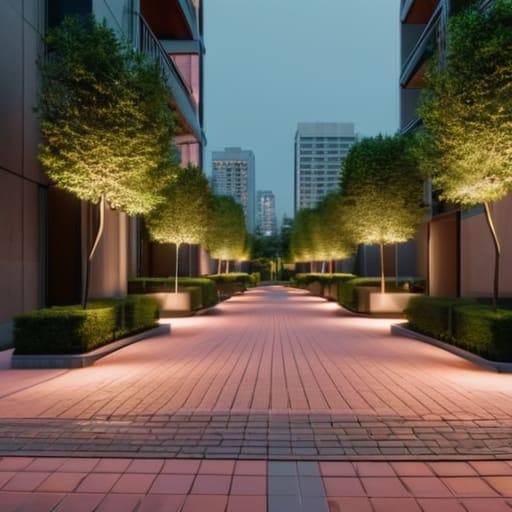
Most people look at Minato and see nothing but a glittering, impenetrable wall of high-rise luxury and excessive price tags. They think finding a way into the minato ward residential landscape requires a massive corporate salary or a stroke of sheer luck. I’ve spent decades watching people chase the neon lights of Roppongi, only to realize they’ve missed the actual soul of the district. They get caught up in the prestige, forgetting that a home isn’t a status symbol—it’s the quiet space you return to after the world has been too loud for too long.
I’m not here to sell you on the glamour or show you a curated list of penthouses that don’t exist for anyone with a sensible budget. Instead, I want to walk you through the functional reality of living here. I’ll show you how to navigate the subtle shifts in neighborhood character, from the polished streets of Azabu to the more grounded, rhythmic pockets that most commuters overlook. My goal is to help you find that rare, quiet corner where the city’s logistics actually work in your favor.
Table of Contents
Tracing the Pulse of Premium Housing Minato Tokyo
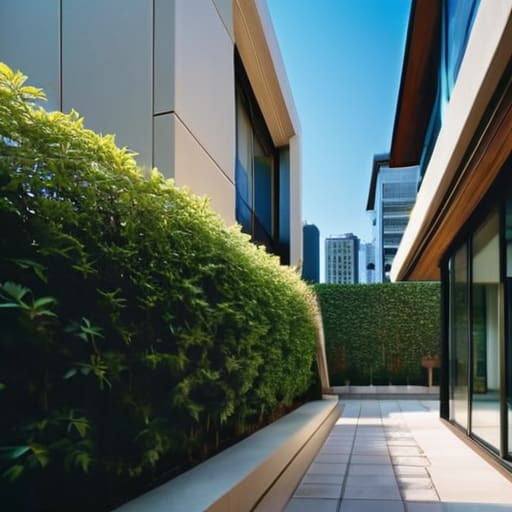
To understand the layout of premium housing Minato Tokyo, you cannot simply look at a map; you have to observe the flow of people from the major transit hubs to the tucked-away residential pockets. In my years managing logistics, I learned that the most efficient systems are often the most elegant. Minato operates similarly. While the skyscrapers of Roppongi command attention, the true character of the area lies in how the high-end rental properties Tokyo offers are distributed along the subtle veins of the subway lines. You see it in the way the density shifts from the commercial roar of Akasaka to the hushed, manicured streets of Azabu.
Navigating the Minato ward real estate market requires a certain level of patience and a keen eye for detail. It isn’t just about square footage; it is about the proximity to a quiet park or the way a particular street manages to remain silent despite being minutes from a major station. I often find myself sketching these transitions in my notebook—noting where the frantic energy of the city finally yields to the sophisticated calm of a well-placed residential enclave.
Finding Solace in Expat Friendly Neighborhoods Tokyo
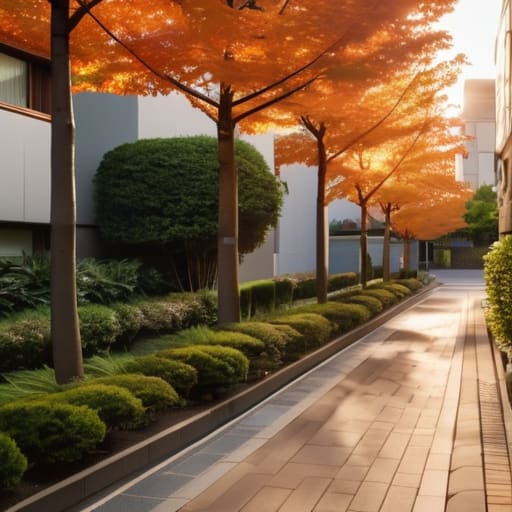
For those arriving from abroad, the sheer density of Tokyo can feel overwhelming, but certain pockets of the ward offer a much-needed sense of equilibrium. I’ve often found that the most successful transitions into Japanese life happen in the expat friendly neighborhoods Tokyo offers within Minato, where the infrastructure feels almost intuitive. In areas like Azabu or Roppongi, the presence of international schools and Western-style amenities isn’t just a convenience; it creates a specific kind of social rhythm that eases the friction of cultural adjustment.
However, it isn’t all about the convenience of a high-end grocery store. I tend to gravitate toward the streets where the high-end rental properties Tokyo provides meet the quiet dignity of old-growth trees. There is a certain grace in finding a building that offers modern comforts while respecting the privacy of the street. Navigating the Minato ward real estate market can feel like a logistical puzzle, but once you settle into a neighborhood that balances international accessibility with local stillness, you stop feeling like a visitor and start feeling like a resident.
The Logistics of Living: Five Practical Realities of Minato Life
- Prioritize the walking distance to the nearest station over the prestige of the neighborhood name. In Minato, a five-minute detour can be the difference between a seamless commute and a daily struggle against the elements.
- Learn the distinction between the major arteries and the residential capillaries. The most livable pockets are often tucked three or four alleys away from the main roads, where the hum of the city softens into something manageable.
- Map your grocery logistics before signing a lease. While convenience stores are ubiquitous, finding a reliable, high-quality supermarket within a reasonable walking radius is what determines the long-term rhythm of your domestic life.
- Factor in the “vertical” aspect of urban living. In a ward this dense, your view and your elevation change everything—not just for the aesthetic, but for how much natural light manages to penetrate your living space.
- Observe the neighborhood during the evening transition. A street that looks tranquil at noon can transform into a different ecosystem entirely once the office crowds depart; watch how the local foot traffic shifts to ensure it aligns with your need for quiet.
The Logistical Heart of Minato Living
True value in Minato isn’t found in the glitz of Roppongi, but in the seamless connectivity of its residential pockets that allow a person to move through the city without friction.
Finding a home here requires looking past the high-rise facades to understand the micro-climates of the side streets, where the urban noise finally gives way to something more human.
For the long-term resident, the ideal balance lies in selecting a neighborhood that serves as a functional anchor—close enough to the transit arteries to be efficient, yet tucked away enough to maintain a sense of quietude.
The Logistics of Living
“Minato isn’t just a collection of high-end addresses; it is a masterclass in urban equilibrium, where the relentless momentum of global commerce meets the silent, disciplined grace of a well-tended residential alleyway.”
Rurik Salonen
The Final Map
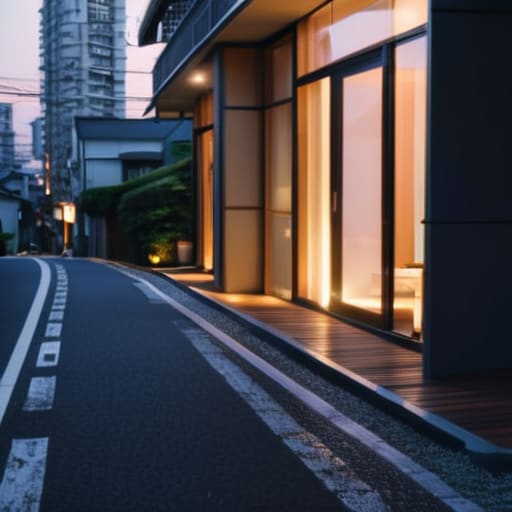
Looking back at the layers we have peeled away, it becomes clear that Minato is not a monolith. It is a complex, living machine composed of distinct gears—from the high-octane, polished corridors of Azabu that cater to a global elite, to the more rhythmic, settled pockets where expatriate life finds its footing. Choosing a place to live here isn’t just about proximity to the office or the prestige of a postal code; it is about deciding which specific frequency of the city you want to tune into. Whether you seek the seamless connectivity of a major transit hub or the buffered silence of a residential backstreet, Minato offers a way to exist within the center without being consumed by it.
As I sit here in a small café near Shiba Park, sketching the intersection of a local bus route and a pedestrian walkway, I am reminded that a home is more than four walls. It is the way the morning light hits your specific street and the predictable, comforting hum of the neighborhood waking up. Don’t rush your decision by looking only at the blueprints or the real estate brochures. Instead, walk the streets at different hours. Listen to the cadence of the district. To truly live in Minato, you must first learn to read its quietest lines.
Frequently Asked Questions
How does the proximity to major transit hubs like Shinagawa or Shimbashi affect the actual noise levels in the residential pockets nearby?
It’s a logistical paradox. Proximity to Shimbashi or Shinagawa offers unparalleled efficiency, but it comes with a sensory tax. In my experience, the noise isn’t just the trains; it’s the rhythmic vibration of the city itself. However, if you step just two or three blocks deep into the residential pockets, the layout of the narrow streets often acts as a natural buffer. You find a strange, muffled stillness that belies the chaos just a stone’s throw away.
For someone used to more spacious layouts, how do the high-end apartments in Minato compare to traditional residential living in terms of functional space?
If you’re coming from a background of sprawling floor plans, Minato’s luxury high-rises will feel like a lesson in precision. You won’t find wasted square footage here. Instead of sheer volume, you’re paying for the intelligence of the layout—built-in storage, seamless transitions, and optimized flow. It’s a shift from horizontal breadth to vertical efficiency. It’s less about the luxury of emptiness and more about the luxury of everything having its exact, purposeful place.
Beyond the obvious luxury, what are the practical logistical challenges of managing daily life in such a high-density, premium ward?
The luxury is seamless, but the logistics are demanding. In a high-density ward like Minato, your greatest adversary is the “last mile.” Even with world-class transit, navigating narrow residential arteries on foot or by bike can feel like a puzzle. Grocery runs require precision timing to avoid the evening rush, and managing waste disposal in cramped apartment layouts demands a disciplined, almost surgical approach to organization. It’s a high-maintenance rhythm that requires constant calibration.
