Category: Japan

  • Using City Buses for Urban Travel

    Using City Buses for Urban Travel

    I remember sitting on a weathered bench in a quiet corner of Kanazawa, the smell of damp asphalt and cedar hanging in the air, watching a single local bus pull up to a stop that didn’t appear on any major tourist map. Most travelers obsess over the high-speed efficiency of the Shinkansen, treating the journey as something to be conquered rather than experienced. But in my thirty years of managing complex logistics, I learned that the real heartbeat of a system isn’t found in its fastest artery; it’s found in its capillaries. There is a specific, meditative quality to traveling by bus japan, a way of seeing the landscape shift from neon-soaked intersections to the quiet, moss-covered outskirts of a village that no bullet train would ever bother to stop for.

    I have no interest in giving you a glossy, sanitized brochure of “must-see” routes. Instead, I want to offer you a functional blueprint for navigating the country’s bus networks with the precision of a professional and the curiosity of a local. I will share the practicalities of fare systems, the subtle etiquette of the boarding process, and how to find those small, quiet windows of time where the road truly reveals the soul of the country.

    Table of Contents

    Navigating Japanese Bus Stops and Local Rhythms.

    There is a specific, quiet geometry to a Japanese bus stop. Unlike the frantic energy of Shinjuku Station, these roadside markers are studies in order. When you are first navigating Japanese bus stops, you’ll notice the signage is remarkably precise, often detailing arrival times with a level of accuracy that would make any logistics professional weep with joy. I find myself standing there, notebook in hand, watching how the locals position themselves—not in a chaotic cluster, but in a disciplined line that respects the unspoken social contract.

    The actual boarding process is equally rhythmic, though it requires a moment of mental recalibration. Most travelers worry about the mechanics of payment, but once you understand how to use IC cards on buses, the friction disappears. You simply tap your Suica or Pasmo against the reader as you enter—or sometimes exit, depending on the municipality—and the machine handles the rest with a polite, electronic chirp. It is a seamless transaction that allows you to keep your eyes on the street, observing the way the neighborhood shifts from neon-lit storefronts to the soft, residential shadows of the backstreets.

    Intercity vs Local Bus Travel Choosing Your Pace

    Intercity vs Local Bus Travel Choosing Your Pace

    There is a fundamental distinction between the high-speed efficiency of a highway coach and the slow, wandering pulse of a local line. When I need to move between major hubs like Tokyo and Osaka, I lean toward the highway bus. It is a logistical marvel—predictable, comfortable, and often much more cost-effective than the Shinkansen. If you find yourself planning several long-distance legs, looking into a highway bus pass japan can be a strategic move for your budget, though I personally prefer the flexibility of booking individual legs as my itinerary evolves.

    However, if you truly want to see how the landscape shifts, you must embrace the local routes. This is where the real character of the country reveals itself, in the small towns that the express lines bypass entirely. The transition between these two modes is where most travelers stumble. You’ll find that while the long-distance coaches require reservations, the local lines are far more fluid. Understanding intercity vs local bus travel is less about speed and more about deciding whether you want to arrive at a destination, or whether you want to experience the journey itself.

    The Logician’s Guide to a Seamless Journey

    • Keep a physical IC card—like a Suica or Pasmo—at the ready. While the digital versions on your phone are convenient, there is a certain tactile reliability in tapping a physical card against the reader that ensures you aren’t fumbling with a screen while a queue forms behind you.
    • Master the “Rear Entry, Front Exit” rule. Most local buses operate on a system where you board through the middle or rear doors and pay as you depart from the front. It is a simple flow, but if you try to pay upon boarding, you’ll find yourself disrupting a very finely tuned machine.
    • Carry a small coin purse specifically for 10-yen and 100-yen coins. Even in an era of digital payments, many smaller, rural lines still rely on heavy coin usage for change machines. Nothing breaks my concentration like digging through a wallet for exact change while the driver waits patiently.
    • Study the route map before you board, not just the destination. In my experience, the most interesting views aren’t found at the major hubs, but in the way a bus winds through the narrow, residential arteries of a neighborhood. Knowing your stops allows you to look out the window rather than staring anxiously at a GPS.
    • Respect the silence of the cabin. The Japanese bus is a sanctuary of shared space. A quiet carriage isn’t just a matter of etiquette; it is part of the city’s rhythm. If you want to observe the world through your lens, you must first learn to exist quietly within it.

    The Logistics of the Slow Path

    Observe the local stops as more than just transit points; they are the pulse of the neighborhood where the city’s real character is revealed.

    Choose your route based on the depth of experience you seek, understanding that the slower local lines offer a perspective that high-speed rail simply cannot provide.

    Master the small details—the rhythm of the boarding process and the quiet etiquette of the passengers—to move through the urban landscape with intention rather than haste.

    ## The View from the Window Seat

    “While the Shinkansen offers speed, it is the local bus that offers intimacy; it is a slow, deliberate movement through the veins of a neighborhood, allowing you to see the way a city actually lives when it isn’t trying to impress a tourist.”

    Rurik Salonen

    The View from the Window Seat

    The View from the Window Seat.

    As I close my notebook and pack away my pens, I find myself reflecting on the logistical elegance of the Japanese bus network. Whether you are navigating the intricate, stop-and-go rhythms of a local city route or settling into the steady, long-haul pace of an intercity coach, there is a profound sense of order to be found. You have learned that success lies in the details: understanding the nuances of the IC card, respecting the quiet etiquette of the cabin, and recognizing that the schedule is a promise made by the city to its people. It isn’t just about getting from point A to point B; it is about mastering the mechanical heartbeat of the landscape.

    Ultimately, I have found that the best way to see Japan isn’t through the high-speed blur of a Shinkansen window, but through the slower, more deliberate lens of a bus route. When you choose the bus, you are choosing to witness the world in its most honest state—the small convenience stores, the sleepy residential streets, and the way the light hits a mountain pass at dusk. Don’t rush to reach your destination. Instead, allow yourself to get lost in the transit, for it is in these slow, rolling moments that you truly begin to understand how a country breathes.

    Frequently Asked Questions

    How do I manage fare payments on local routes where a single IC card might not be accepted?

    When the IC card reader remains dark, don’t panic; it’s simply a shift in the local logistics. In these smaller pockets, cash is still king. I always keep a dedicated pouch of 100-yen coins and small bills tucked away for exactly this reason. Most local lines operate on a “pay as you exit” system, so you’ll likely need to drop your fare into a machine near the driver before stepping off.

    Is it practical to rely on bus schedules for tight connections between cities, or should I build in more buffer time?

    In my years managing logistics, I learned that a schedule is a plan, not a promise. In Japan, while the buses are remarkably punctual, they aren’t immune to the unpredictable—a sudden downpour or a heavy tourist season can ripple through the entire network. If you are chasing a tight connection between cities, don’t gamble with it. Build in at least thirty minutes of buffer. I’d much rather spend that time sketching a quiet street corner than sprinting through a terminal.

    What are the unspoken etiquette rules for seating and boarding when the bus gets crowded during peak hours?

    When the bus swells with the rush-hour crowd, the unspoken code is one of quiet efficiency. Don’t wait for a seat to open; move toward the center to make room for those behind you. If you are seated, keep your bag on your lap—never on the seat next to you. Most importantly, when it’s time to disembark, a small, silent nod to those you’ve passed is the only acknowledgment required. Efficiency is the highest form of respect here.

  • Modern Architectural Trends in Japanese Cities

    Modern Architectural Trends in Japanese Cities

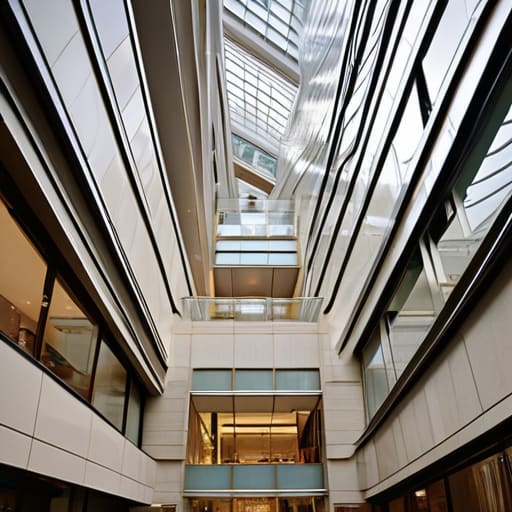
    I was sitting on a wooden bench near Shinjuku Station last Tuesday, watching the rain bead against a glass-and-steel facade, when it hit me how much noise there is surrounding the topic of japan architecture trends. Most people will try to sell you on the idea that the “next big thing” is some high-concept, avant-garde marvel designed for a glossy magazine cover. They treat architecture like a series of flashy, disconnected monuments, completely ignoring the logistical heartbeat that makes a city actually function. To me, the real story isn’t found in the celebrity-designed skyscrapers that demand your attention; it’s found in the way a new residential block respects the narrow footprint of a centuries-old alleyway.

    In this piece, I’m stripping away the marketing fluff to look at what is actually happening on the ground. I won’t be giving you a list of superficial aesthetics to chase; instead, I want to show you how modern design is quietly evolving to solve the real-world pressures of density and transit. We are going to look at the intersection of tradition and utility, finding the truth in the structural details that most travelers—and even many locals—walk right past.

    Table of Contents

    How Contemporary Tokyo Urban Planning Dictates the Street

    How Contemporary Tokyo Urban Planning Dictates the Street.

    To understand the street level in Tokyo, you have to look past the skyscrapers and focus on the granular logic of the sidewalk. Unlike the sweeping, grand boulevards of Paris or New York, contemporary Tokyo urban planning operates on a scale of hyper-efficiency and extreme density. It is a logistical puzzle where every centimeter of space is negotiated. You see it in the way a tiny, three-story residence is squeezed perfectly between a convenience store and a train entrance, yet somehow maintains its own sense of dignity and order.

    The rhythm of the street is dictated by this tension between the macro and the micro. I often find myself sketching how the heavy, brutalist weight of a concrete foundation transitions into the delicate, lighter elements of a facade. There is a fascinating wood and concrete integration in Japan that allows these structures to feel both indestructible and strangely organic. It isn’t just about aesthetics; it is about how the built environment manages the flow of millions of people while still carving out pockets of stillness. The street doesn’t just host the people; it directs them with a silent, structural precision.

    The Quiet Shift in Japanese Residential Design Evolution

    The Quiet Shift in Japanese Residential Design Evolution.

    Walking through the residential pockets of Setagaya or the quieter fringes of Osaka, I’ve noticed a subtle, almost rhythmic change in how people inhabit space. We are seeing a profound Japanese residential design evolution that moves away from the sheer density of the bubble era toward something far more intentional. It isn’t about grand gestures; it is about the way a single window is positioned to catch the afternoon light, or how a narrow entryway manages the transition from the frantic street to a private sanctuary.

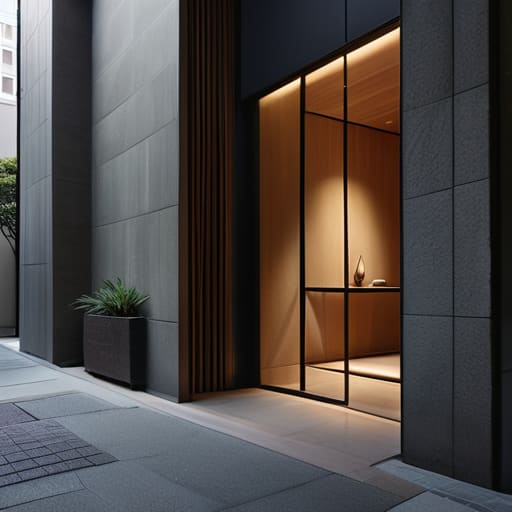
    There is a growing reverence for the marriage of old and new, specifically through wood and concrete integration in Japan. I often find myself sketching these facades in my notebook—the way a raw, brutalist concrete wall provides a sturdy anchor for the warmth of charred cedar cladding. This isn’t just an aesthetic choice; it’s a practical response to the need for longevity and thermal efficiency. By blending these materials, architects are finding a way to honor traditional meets modern Japanese structures without sacrificing the structural integrity required by our changing climate. It is a quiet, sturdy kind of progress.

    Observations from the Field: Navigating the New Japanese Landscape

    • Look for the “Micro-Lot” Logic. Don’t be discouraged by the narrowness of new builds; the current trend is about maximizing vertical utility within tiny footprints. It’s a masterclass in spatial efficiency that even a logistics veteran can admire.
    • Follow the Light, Not the Landmark. Modern Japanese design is increasingly obsessed with how natural light penetrates deep into dense urban blocks. Watch for the clever use of translucent materials and internal courtyards that defy the surrounding shadows.
    • Prioritize Material Honesty. There is a growing movement away from synthetic finishes. You’ll notice more raw concrete, charred cedar (shou sugi ban), and exposed steel. It’s a return to textures that age with dignity rather than looking worn out.
    • Study the Transit-Adjacent Integration. The most successful new developments aren’t just near stations; they are designed to flow with them. Look for how private commercial spaces bleed into public walkways, creating a seamless transition from the platform to the storefront.
    • Observe the “Buffer Zone” Philosophy. Even in the most crowded districts, architects are finding ways to create psychological distance. Look for the subtle use of gravel paths, slight elevation changes, or minimalist screens that separate the chaotic street from the private sanctuary.

    The Lessons in the Layers

    Modern Japanese architecture is no longer just about the grand silhouette; it is about how a structure negotiates the narrow, high-pressure spaces between the transit lines and the residential blocks.

    We are seeing a vital shift away from massive, impersonal developments toward a design philosophy that respects the human scale and the quiet, functional rhythm of the neighborhood.

    To truly understand the future of the Japanese cityscape, one must look past the neon facades and observe how new materials and spatial planning are being used to reclaim stillness within the urban chaos.

    The Geometry of Quietude

    “Most people look at a skyscraper and see a feat of engineering, but I look at the way a new development manages to leave a sliver of silence between the concrete and the street. Modern Japanese design isn’t about the grand gesture; it’s about the disciplined negotiation between a growing population and the fundamental human need for a moment of stillness.”

    Rurik Salonen

    The Living Blueprint

    The Living Blueprint of Japanese architecture.

    Looking back at the progression we have traced, it becomes clear that Japanese architecture is not a static collection of styles, but a fluid response to necessity. From the way Tokyo’s massive transit hubs dictate the flow of pedestrian life to the subtle, increasingly private evolution of residential spaces, the trend is moving toward a delicate balance of density and discretion. We are seeing a move away from the sheer, overwhelming scale of the post-war era toward a more intentional, human-centric design that respects both the limited footprint of the land and the psychological need for quietude.

    As I sit here in a small cafe near Shinjuku, sketching the intersection of a steel girder and a weathered wooden door, I am reminded that the true soul of a city isn’t found in its blueprints, but in its rhythm. The trends we observe today are merely the outward symptoms of a culture constantly recalibrating itself to find harmony within the machine. To truly understand Japan’s architectural future, one must stop looking at the skyscrapers and start watching the way the light hits a narrow alleyway at dusk. It is in those quiet, functional details that the city truly breathes.

    Frequently Asked Questions

    How are these new architectural shifts affecting the traditional "shitamachi" neighborhoods that many travelers seek out?

    It’s a delicate friction. In neighborhoods like Yanaka or Asakusa, these new shifts act like a slow-moving tide. You see it in the way a sleek, glass-fronted cafe suddenly occupies a lot once held by a low-slung wooden machiya. The scale is changing. While these updates bring much-needed structural resilience, there’s a risk of losing that granular, human rhythm. I find myself sketching these intersections—where the old, weathered textures meet the sharp, clean lines of modern efficiency.

    As density increases in Tokyo, how is the concept of private outdoor space being reimagined in modern residential builds?

    In Tokyo, you won’t find sprawling lawns, but you will find intention. As density tightens, architects are trading breadth for verticality and light. I’ve noticed a shift toward “micro-voids”—recessed balconies, internal courtyard pockets, and rooftop terraces that act as lungs for the home. It’s a clever logistical workaround; they are carving out slivers of sky to ensure that even in a concrete jungle, a resident can still feel the wind and the changing seasons.

    To what extent is the integration of transit hubs into commercial design changing the way we experience the "walkability" of Japanese cities?

    In my years managing logistics, I learned that efficiency is often invisible. In Japan, that invisibility is a design triumph. By weaving commercial hubs directly into transit nodes, the “walk” is no longer a chore between destinations; it becomes a seamless, multi-layered experience. You aren’t just walking to a shop; you are navigating a living organism. This integration shrinks the perceived distance of the city, making even the densest urban sprawl feel remarkably navigable and human-scaled.

  • Exploring Residential Neighborhoods in Tokyo

    Exploring Residential Neighborhoods in Tokyo

    I was sitting in a cramped café near Shinjuku last Tuesday, watching a young couple pore over a glossy real estate brochure that promised “the ultimate urban lifestyle.” It struck me how much misinformation is peddled about tokyo residential areas; people are sold this dream of high-rise luxury or trendy, hyper-connected hubs, when the actual soul of the city exists somewhere else entirely. Most guides will point you toward the bright lights and the expensive convenience, but they miss the logistical reality of how a person actually lives, breathes, and moves through these streets.

    I’m not here to sell you on a lifestyle brochure or a curated list of “must-live” districts that look good on Instagram. Instead, I want to walk you through the city’s layout with a bit of logistical honesty. I’ll show you how to evaluate a neighborhood by its transit efficiency, its quiet corners, and its functional beauty. My goal is to help you look past the hype and find a place that truly works for your rhythm, focusing on the unseen details that make a house feel like a home in this sprawling metropolis.

    Table of Contents

    Deciphering the Rhythm of Commuter Friendly Neighborhoods Tokyo

    Deciphering the Rhythm of Commuter Friendly Neighborhoods Tokyo

    To understand where to live in this sprawling megalopolis, you have to stop looking at a map and start looking at a timetable. For someone who spent decades optimizing supply chains, I see the city not as a collection of buildings, but as a series of interconnected pulses. When people ask me about finding commuter friendly neighborhoods Tokyo, they are usually looking for convenience, but what they actually need is predictability. You want a station that doesn’t just get you to Shinjuku, but one that offers a seamless transition from the frantic energy of the Yamanote line to the relative stillness of your front door.

    I’ve found that the most successful transitions happen in the mid-tier residential zones—places like Setagaya or Suginami. These aren’t the flashy hubs of Minato, but they offer a much more sustainable rhythm for long-term living. As I track the shifting Tokyo real estate market trends, I notice a pattern: the real value isn’t in the proximity to the skyscraper, but in the quality of the walk from the ticket gate to your apartment. It is in those twenty minutes of quiet, tree-lined streets that you truly begin to feel at home.

    Navigating the Shifting Currents of Tokyo Real Estate Market Trends.

    In my years managing supply chains, I learned that even the most complex systems are subject to invisible shifts in pressure. The same applies to the city’s geography. When looking at current Tokyo real estate market trends, it’s clear that the traditional gravity of the central wards is being challenged by a new, decentralized movement. As the core becomes increasingly dense and expensive, a subtle migration is occurring toward the periphery. People are no longer just chasing the prestige of Minato or Shibuya; they are seeking a better equilibrium between accessibility and space.

    I’ve noticed this most clearly when sketching out the transit lines in my notebook. The demand is surging in areas that offer a seamless connection to the Yamanote loop but provide a much more manageable cost of living in Tokyo residential districts. It isn’t a mass exodus, but rather a strategic repositioning. For those navigating the complexities of a move, understanding these shifting currents is essential. You aren’t just looking for a roof; you are looking for where the city’s next logical expansion is breathing.

    The Logician’s Guide to Selecting a Home Base

    • Map the “Last Mile” manually. A station might be only five minutes away on a transit map, but that doesn’t account for the steep hills of Setagaya or the labyrinthine walkways of Shinjuku. Walk the route from the station to a potential apartment at dusk; if the walk feels draining or poorly lit, the convenience is an illusion.
    • Prioritize the “Station Hierarchy” over the line name. It isn’t enough to live on the Chuo Line; you need to know if you are at a major hub or a minor stop. Living near a transfer point offers flexibility, but it also brings a specific kind of mechanical noise and foot traffic that can disrupt the quiet you might be seeking.
    • Audit the local “Shotengai” or shopping streets. A neighborhood’s soul is found in its grocery stores and small pharmacies, not its department stores. If a residential area lacks a functional, local street with daily necessities, you will find yourself relying too heavily on convenience stores, which erodes the sense of community.
    • Observe the soundscape during peak transit hours. I often sit in a local park near a prospective neighborhood during the morning rush. You aren’t just listening for trains; you are listening to the frequency of the city—the hum of buses, the announcements, and the density of the crowds. This tells you more about the area’s energy than any real estate brochure ever could.
    • Look for the “Green Buffer.” In a concrete megalopolis, the presence of small, unplanned pockets of greenery or well-maintained neighborhood shrines acts as a pressure valve. These spaces provide a necessary psychological break from the urban density and are often the best indicators of a stable, long-term residential community.

    The Logistical Essentials for Finding Your Place in Tokyo

    Prioritize the transit connection over the neighborhood’s name; a home is only as functional as its proximity to a reliable line that fits your specific daily flow.

    Look beyond the shiny facades of major hubs and seek out the “breathing spaces”—those smaller, residential pockets where the local rhythm remains steady and unhurried.

    Understand that Tokyo’s real estate is a living organism, constantly shifting between high-density commercial demand and the quiet, enduring charm of its established outskirts.

    The Soul in the Suburbs

    Most people look at a map of Tokyo and see a frantic web of lines and stations, but if you look closer, you see that the true character of the city isn’t found in the neon of Shinjuku; it’s found in the quiet, predictable cadence of a residential street in Setagaya, where the life of the city finally learns to breathe.

    Rurik Salonen

    Finding Your Own Corner of the Map

    Finding Your Own Corner of the Map.

    Choosing a place to live in this sprawling megalopolis is less about selecting a prestigious zip code and more about understanding the logistical flow of your daily life. We have looked at how the pulse of the commuter lines dictates the energy of a neighborhood, and how the shifting tides of the real estate market demand a certain level of pragmatism. Whether you find yourself drawn to the efficient, high-density hubs that keep the city moving or the tucked-away residential pockets that offer a reprieve from the neon glare, the decision ultimately rests on how you intend to interface with the city’s vast machinery. It is a delicate balance between accessibility and tranquility, a calculation that requires both a map and a bit of intuition.

    In the end, Tokyo will never be a city you simply “solve.” It is a living, breathing organism that reveals its secrets only to those willing to slow down and observe. As I sit here sketching the convergence of the Yamanote line in my notebook, I am reminded that the most meaningful living happens in the spaces between the landmarks. Don’t just look for a house; look for the rhythm of the street where you wake up. Seek out the small, functional beauty of a corner shop or a quiet shrine near your station. If you listen closely enough, you won’t just find a residence—you will find where you belong within the chaos.

    Frequently Asked Questions

    How do the subtle differences in noise levels and street widths change as I move further away from the major Yamanote Line hubs?

    It’s a predictable, almost mathematical transition. As you drift away from the Yamanote hubs, the roar of the city begins to fracture. Those wide, multi-lane arteries that feed the stations gradually narrow into intimate, single-lane lanes. The constant hum of heavy traffic gives way to the rhythmic click of bicycles and the distant chime of pedestrian crossings. You trade the overwhelming scale of the transit hubs for a silence that feels earned.

    Beyond the obvious convenience of the subway, how can I gauge the true "breath" and community character of a neighborhood before committing to a move?

    Don’t look at the station map; look at the storefronts. I often sit in a small, local kissaten near a station and simply watch. Are the residents carrying groceries from a local market, or is everything coming from a convenience store? If you see elderly neighbors greeting one another or children walking to school without a frantic rush, you’ve found a neighborhood that breathes. The true character is found in those quiet, unscripted moments.

    For someone who values quiet, functional beauty, which residential pockets offer the best balance between modern logistical efficiency and a sense of old-world stillness?

    If you seek that specific equilibrium, look toward Setagaya or the quieter reaches of Suginami. In Setagaya, the Den-en-toshi Line provides a seamless logistical artery, yet once you step away from the station, the chaos dissolves into narrow, tree-lined lanes. It is a masterclass in urban planning—efficient enough to keep you connected, but quiet enough to hear the click of your Leica shutter. It’s where the city’s pulse slows down just enough to breathe.

  • Modes of Urban Mobility in Japan

    Modes of Urban Mobility in Japan

    I was standing on the Shinjuku platform last Tuesday, the kind of hour where the air feels thick with the collective intent of a million commuters, when it hit me. Most travel guides will tell you that the secret to navigating the country is a shiny, overpriced rail pass or a complex app that promises to solve everything. They sell you the idea that japan urban mobility is a puzzle to be solved with technology, but they miss the point entirely. To me, it isn’t about the gadgets; it’s about understanding the unspoken choreography of the crowd and the mechanical precision that keeps the entire organism from collapsing under its own weight.

    I have no interest in giving you a sanitized list of tourist shortcuts or marketing fluff. Instead, I want to show you how to actually read the city. My goal is to pull back the curtain on the logistical reality of these streets, offering you a grounded perspective on how to move through these sprawling metropolises with purpose and ease. I’ll share what I’ve learned from years of observing these patterns, focusing on the practical nuances that turn a chaotic commute into a seamless, almost meditative, experience.

    Table of Contents

    The Precision of Tokyo Transit Infrastructure

    The Precision of Tokyo Transit Infrastructure.

    I spent decades looking at flow charts and bottleneck analyses, but no spreadsheet can capture the sheer physical grace of the Tokyo transit infrastructure. When you stand in Shinjuku Station, you aren’t just looking at a hub; you are witnessing a masterclass in public transportation efficiency. There is a silent, unspoken choreography to the way millions of commuters navigate these subterranean arteries. It isn’t the chaotic rush one might expect, but rather a highly disciplined movement where every second is accounted for, and every transfer is a testament to meticulous logistical planning.

    As I sit on a platform, sketching the overlapping lines of the Yamanote and Chuo routes in my notebook, I am struck by how the system manages the tension between scale and precision. It isn’t just about the heavy rail; it is about how the city handles the smaller gaps. I’ve noticed a quiet evolution in last mile connectivity as well, with well-organized bus feeder lines and a growing integration of shared bicycles that bridge the distance between the station and the doorstep. This seamlessness is what allows the city to breathe without choking on its own density.

    Public Transportation Efficiency in Japans Arteries

    Public Transportation Efficiency in Japans Arteries.

    If you look closely at the logistics of a morning commute in Osaka or Tokyo, you realize it isn’t just about speed; it is about the seamless handoff between systems. The true hallmark of public transportation efficiency in Japan lies in how the heavy rail arteries feed into the smaller, more localized networks. I often sit in the station, sketching the flow of commuters in my notebook, and I am struck by how little friction exists. There is a profound, silent choreography in the way a passenger moves from a high-speed Shinkansen to a local line, and finally to the bus or the walking path that completes their journey.

    However, the real magic happens when you step away from the major hubs and examine the last mile connectivity that keeps these massive machines running. In the narrower residential streets, the integration of small-scale solutions—be it the ubiquitous bicycle or the meticulously timed local bus—ensures that no neighborhood is left isolated. This layered approach to movement is what allows a city of millions to function without collapsing under its own weight. It is a masterclass in sustainable urban planning that prioritizes the movement of people over the storage of vehicles.

    • Invest in a physical IC card—Suica or Pasmo—the moment you land. While the digital versions on your phone are convenient, there is a certain tactile reliability to the card that allows you to move through gates with a practiced, rhythmic efficiency that mirrors the locals.
    • Master the art of the “silent commute.” In the density of a Tokyo morning, the most profound way to respect the city’s flow is to embrace the quiet. Keep your phone on silent and your voice low; the collective stillness is what allows the system to function without friction.
    • Do not fear the complexity of the station maps. Instead of fighting the labyrinth, use it as a study. I often find that the most interesting, quiet corners—the small coffee stalls or forgotten shrines—are tucked away in the secondary corridors of the larger hubs like Shinjuku or Umeda.
    • Study the timetables, but don’t let them dictate your soul. The precision of Japanese rail is a marvel of logistics, but the real magic happens when you use that reliability to give yourself permission to linger. If you know the next train is exactly seven minutes away, you can afford to spend those seven minutes watching the light hit a platform.
    • Download a reliable transit app, but keep your eyes up. Technology is a tool for navigation, but if you stare at a screen, you will miss the subtle shifts in the city’s movement. Use the app to find your way, but use your eyes to understand where you actually are.

    The Quiet Logic of the Urban Pulse

    True mobility in Japan isn’t just about speed; it’s about the seamless, almost invisible synchronization between massive transit networks and the individual’s daily rhythm.

    To understand the city, one must look past the crowded stations and observe the silent discipline that keeps the entire logistical machine from collapsing under its own weight.

    The most profound connections to a metropolitan landscape are found not in the grand terminals, but in the predictable, functional grace of the local lines that stitch the neighborhoods together.

    The Pulse Beneath the Pavement

    The Pulse Beneath the Pavement: Tokyo transit.

    “Most travelers see a train schedule as a mere utility, but to me, it is the city’s circulatory system; when you observe the seamless choreography of a Tokyo transfer, you aren’t just seeing logistics, you are seeing the silent, disciplined heartbeat of a civilization in motion.”

    Rurik Salonen

    The Pulse Beneath the Pavement

    Looking back at the sheer scale of what we have discussed, it becomes clear that Japan’s urban mobility is far more than a feat of engineering or a triumph of scheduling. It is a delicate, interconnected ecosystem where the precision of the Tokyo rail networks and the seamless flow of the arterial transit lines work in concert to sustain the life of the nation. We have seen how efficiency is not merely about speed, but about the reliability of the connection—the way a city manages to move millions of souls without losing its sense of order. To understand these systems is to understand the very logistical backbone that allows the Japanese metropolis to thrive amidst its own density.

    As I sit in a small cafe near Shinjuku, watching the commuters move with a quiet, practiced grace, I am reminded that the true beauty of travel lies in these subtle movements. We often spend our lives rushing toward a destination, oblivious to the intricate machinery that carries us there. But if you take a moment to step back, to observe the rhythm of the arrivals and the silent choreography of the platforms, you realize that the transit system is the city’s true circulatory system. Do not just ride the train; listen to the city breathe through its tracks, for it is in these functional details that the soul of Japan is most clearly revealed.

    Frequently Asked Questions

    How do the smaller, regional lines manage to maintain such seamless connectivity with the massive metropolitan networks?

    It comes down to a masterclass in logistical integration. While the massive networks feel like monoliths, they function through seamless “through-services.” Many regional lines don’t just meet the metropolitan tracks at a terminal; their trains actually transition directly onto the larger lines, flowing into the city center without the passenger ever needing to change cars. It is a synchronized handoff that turns a fragmented map into a single, breathing organism.

    Beyond the efficiency of the trains, how much does the walking infrastructure and pedestrian flow impact the overall rhythm of the city?

    Efficiency is only half the story. If the trains are the arteries, the sidewalks are the capillaries. I’ve found that the true rhythm of a city reveals itself in how people move between the stations. In Tokyo, the seamless transition from a crowded platform to a wide, unobstructed pedestrian crossing allows the city to breathe. It’s that deliberate, unobstructed flow—the way a sidewalk respects the traveler—that prevents the urban machinery from feeling overwhelming.

    For someone who prefers a slower pace, are there specific transit patterns or quieter routes that allow for a more observant experience of the urban landscape?

    If you want to slow down, step away from the Yamanote line. I find the most clarity on the smaller, private railway lines—take the Odakyu toward Setagaya or the Keio lines. These routes move with a gentler cadence. Instead of rushing through tunnels, you’ll see the architecture of residential neighborhoods shift through the window. It’s in these quieter transitions, away from the terminal hubs, where you truly see how the city breathes.

  • Spending Time in Osaka Castle Park

    Spending Time in Osaka Castle Park

    I remember sitting on a weathered stone bench near the outer moat last autumn, my Leica hanging heavy around my neck, watching a single salaryman methodically peel an orange. While the crowds were busy jostling for the perfect selfie in front of the main tower, I found myself captivated by the mechanical precision of the stone walls and the way the light hit the water. Most people approach osaka castle park like they’re checking a box on a tourist itinerary, rushing toward the reconstructed keep as if it were a destination in itself. They miss the point entirely. They see a monument, but they fail to see the living circulatory system of the city that pulses around these ancient fortifications.

    I’m not here to tell you which gift shops are the most photogenic or how to navigate the souvenir stalls. Instead, I want to show you how to actually inhabit the space. I’ll guide you through the peripheral paths and the quiet transit nodes that allow you to bypass the noise, focusing on the structural elegance and the subtle rhythms that define the park. My goal is to help you find the functional beauty hidden in plain sight, far away from the frantic pace of the typical sightseeing loop.

    Table of Contents

    Tracing the Tokugawa Era Architecture Japan Left Behind

    Tracing the Tokugawa Era Architecture Japan Left Behind

    Standing before the massive stone ramparts, you realize quickly that these walls weren’t built for aesthetics; they were built for survival. As I traced the rough texture of the granite blocks with my eyes, I was struck by the sheer logistical audacity of the construction. This is a masterclass in tokugawa era architecture japan left behind, where every curve of the stone and every angle of the defensive walls served a singular, uncompromising purpose. The scale is meant to intimidate, a physical manifestation of the power required to hold a territory in the seventeenth century.

    I found myself drifting away from the main reconstruction to look at the smaller, peripheral structures that still cling to the perimeter. While many visitors rush toward the central keep, the real story lies in the way the older stone foundations interact with the surrounding terrain. If you follow the less-trodden osaka castle park walking trails, you can find sections where the masonry feels more intimate, less like a monument and more like a living part of the landscape. There is a certain quiet dignity in how these weathered edges have held their ground against centuries of urban expansion.

    Finding Peace on the Osaka Castle Park Walking Trails

    Finding Peace on the Osaka Castle Park Walking Trails.

    Most people arrive here with a singular objective: the main keep. They rush toward the stone walls, driven by a checklist, but they miss the connective tissue of the grounds. If you step away from the paved arteries and follow the osaka castle park walking trails that wind through the periphery, the noise of the city begins to dampen. I find that the true character of the park reveals itself in these secondary paths, where the canopy of ancient trees creates a natural buffer against the urban sprawl.

    There is a specific cadence to these trails that changes with the light. I often find myself pausing near the smaller stone basins, sketching the way the shadows fall across the moss. While many travelers hunt for the best time to visit osaka castle for cherry blossoms, I prefer the quieter, off-peak hours when the wind is low. In those moments, you aren’t just a spectator of history; you are part of the park’s slow, steady respiration. It is in these unscripted, silent stretches that the city finally feels manageable.

    Logistics for the Observant Traveler: Five Ways to Navigate the Grounds

    • Avoid the main plaza during the midday heat; the stone walls retain a significant amount of thermal mass, and the lack of shade in the central courtyard can be draining. Instead, aim for the periphery where the canopy is thicker.
    • If you are carrying a film camera, the light tends to turn harsh and unforgiving around the main keep by 2:00 PM. I find the best textures—the moss on the stone foundations and the grain of the older trees—are captured most effectively in the soft, directional light of the early morning.
    • Do not rely solely on the primary signage. The park is a complex network of secondary paths that often lead to much quieter vantage points. I suggest carrying a physical map or a notebook; sometimes, the best way to understand the layout is to trace the pedestrian flow yourself.
    • Use the Tanimachi Line to arrive at Tanimachi Yonchome Station rather than the more crowded routes near the main gate. It allows you to enter the park through a more gradual transition from the urban grid into the green space, rather than being thrust directly into the tourist center.
    • Watch the way the local residents use the space after 5:00 PM. While the historical sites may feel like a museum, the park itself functions as a vital lung for the city. Observing these daily patterns provides a much clearer picture of Osaka’s social rhythm than any guidebook can offer.

    Lessons from the Grounds

    Look past the reconstructed towers and focus on the stone walls; the true history of the site is written in the precision of the masonry and the way the landscape manages the flow of people.

    The park’s value isn’t in its scale, but in its utility as a breathing space where the city’s frantic energy is forced to slow down to the pace of a walking trail.

    To truly understand Osaka, you must observe the intersection of the historical and the mundane—how a centuries-old fortification now serves as a quiet backdrop for the daily rhythms of modern commuters.

    The Logistics of Stillness

    “Most people see the castle as a monument to the past, but if you sit long enough by the moat, you realize it is actually a study in movement—the way the modern city surges around these stone walls while the park itself maintains a steady, unhurried breath.”

    Rurik Salonen

    The Quiet Geometry of Memory

    The Quiet Geometry of Memory at Osaka.

    As I sit here on a weathered bench, sketching the intersection of a stone rampart and a modern walkway, I realize that Osaka Castle Park is far more than a collection of historical relics. It is a study in layered coexistence. We have looked at the heavy, intentional weight of the Tokugawa-era stonework and the way the winding trails offer a necessary reprieve from the city’s frantic logistics. To understand this park is to understand how Osaka balances its immense, historical gravity with the need for a functional, breathing green space for the millions who live in its shadow. It is not just a destination; it is a vital organ in the city’s sprawling anatomy.

    Most travelers will leave here with nothing but a digital photo of the main keep, but I hope you find something more substantial. I hope you find the moment where the noise of the traffic fades into the background and you notice the deliberate stillness of a single courtyard. Don’t rush to the next landmark on your list. Instead, allow yourself to sit, to observe, and to simply witness how the past continues to anchor the present. In the end, the true value of a place isn’t found in its grandest monuments, but in the quiet rhythm it leaves behind in your mind long after you’ve departed.

    Frequently Asked Questions

    If I'm looking to capture the interplay of light and shadow on the stone walls, what is the best time of day to visit with a film camera?

    If you’re looking to capture those massive stone walls, aim for the late afternoon, perhaps an hour before sunset. The low-angle light creates long, dramatic shadows that emphasize the texture and scale of the masonry—it’s where the history really feels heavy. If you’re using film, that golden hour provides the perfect contrast without blowing out your highlights. Just watch your shutter speed; the shadows can get deep quite quickly.

    Beyond the main paths, are there specific quiet corners or smaller shrines within the park grounds that offer a reprieve from the larger crowds?

    If you drift away from the main thoroughfares, look for the smaller stone lanterns tucked near the peripheral groves. I often find myself lingering near the minor shrines scattered along the eastern edge; they lack the grandiosity of the central monuments, but they possess a stillness that the main paths lack. There is a certain dignity in these overlooked corners. They offer a chance to observe the park’s true mechanics, away from the tourist currents.

    How does the park's accessibility and layout change once the sun begins to set, and is it worth staying for the evening atmosphere?

    As the light fades, the park’s logistical flow shifts. The daytime crowds of tourists dissipate, replaced by a more purposeful movement of locals using the paths for evening exercise. The layout feels less like a destination and more like a transit corridor for the neighborhood. It is absolutely worth staying; the illumination of the stone walls against the darkening sky creates a stark, structural beauty that my film camera struggles to capture, but my eyes find deeply grounding.

  • Finding Unique Boutiques in Tokyo

    Finding Unique Boutiques in Tokyo

    I was sitting in a cramped, over-priced cafe in Ginza last Tuesday, watching a group of tourists struggle through a glossy guidebook, looking for the “must-see” labels. They were chasing the same neon-lit storefronts that every influencer on the planet has already documented a thousand times. To be honest, that isn’t what tokyo boutique shopping should feel like. If you are looking for a high-speed chase through luxury department stores just to find something that looks like it belongs in a generic airport terminal, you are looking in the wrong places. The true essence of the city isn’t found in the mass-produced prestige of the big brands; it’s hidden in the quiet, deliberate choices made by craftsmen in the side streets.

    I have no interest in selling you a dream of effortless glamour. Instead, I want to show you how to navigate the city’s intricate layers to find pieces that actually have a story. My goal is to guide you toward the functional beauty of Tokyo—the small, specialized shops where the proprietor knows exactly why a certain stitch matters. I’ll skip the hype and focus on the logistics of finding quality, from the tucked-away ateliers of Nakameguro to the steady, quiet elegance of certain Omotesando corners.

    Table of Contents

    Tracing the Lines of Designer Boutiques in Tokyo Districts

    Tracing the Lines of Designer Boutiques in Tokyo Districts.

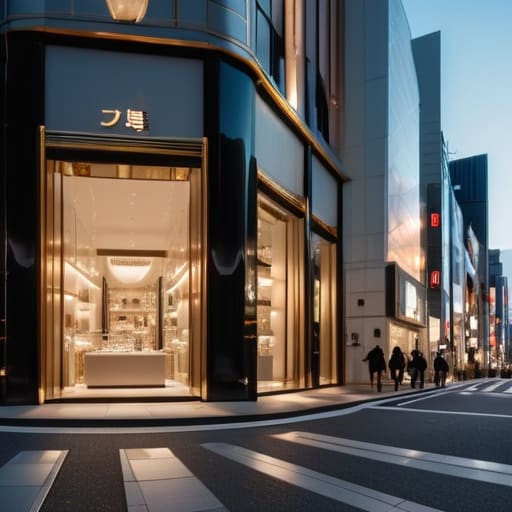
    To understand the flow of fashion in this city, one must first understand its arteries. I find that the most rewarding way to navigate the landscape of designer boutiques in Tokyo districts is to follow the logic of the transit lines. If you take the Ginza line, you are stepping into a world of polished, high-concept elegance where the storefronts feel like architectural statements. But for me, the true rhythm of the city reveals itself when you transition to the Hanzomon line and head toward Aoyama. Here, the scale shifts; the massive department stores give way to smaller, more intentional spaces that demand a slower pace of observation.

    In these pockets, you encounter the real artisanal clothing Tokyo has to offer—pieces that aren’t just manufactured, but composed. I often find myself ducking into a side street in Omotesando, away from the main thoroughfare, to find a single, quiet storefront. These are the hidden gems in Tokyo fashion that most commuters miss in their rush to the station. It is in these narrow corridors, where the light hits a linen garment just right, that you truly sense how the city’s aesthetic pulse beats.

    Finding Hidden Gems in Tokyo Fashion Alleys

    Finding Hidden Gems in Tokyo Fashion Alleys

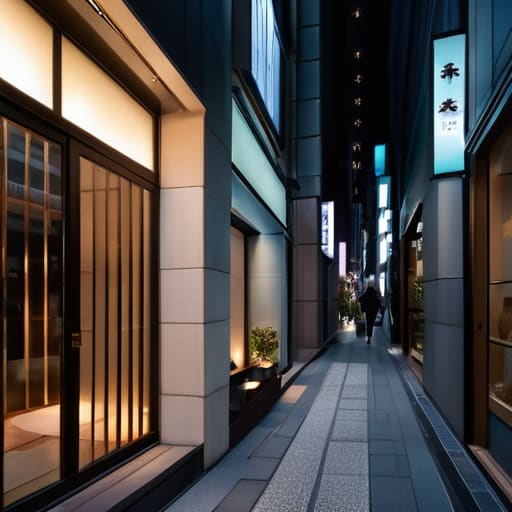
    To find the true essence of style here, one must learn to ignore the bright signage of the main thoroughfares. I often find myself drifting away from the heavy foot traffic of Omotesando, turning instead into the narrow veins of Ura-Harajuku. It is in these tight, labyrinthine passages that you encounter the most compelling hidden gems in Tokyo fashion. There is a certain rhythm to these side streets; they lack the frantic energy of the commercial hubs, offering instead a steady, intentional pace that suits a slow afternoon of observation.

    I recently spent an hour tucked away in a small, unmarked space near Cat Street, watching a shopkeeper meticulously fold a single linen shirt. This is the hallmark of artisanal clothing Tokyo has perfected—a marriage of high-level craftsmanship and quiet humility. These curated spaces don’t shout for your attention; they wait to be discovered. For me, the joy isn’t in the brand name on the door, but in the way the light hits a hand-stitched seam in a shop that feels more like a private library than a retail outlet.

    • Respect the rhythm of the shop. Many of the best boutiques in districts like Aoyama or Nakameguro are small, intimate spaces. Avoid entering in large groups; a single traveler or a pair moves through these narrow aisles with much more grace and allows the shopkeeper to focus on the curation.
    • Carry physical currency, even if you assume the world is digital. While the major flagship stores in Ginza will have no trouble with a credit card, the true treasures—the independent designers tucked away in basement levels or side streets—often operate on a cash-only basis.
    • Study the transit maps before you commit to a district. Tokyo’s shopping is decentralized. Don’t try to “do” Harajuku and Ginza in one afternoon; you’ll spend more time fighting the Yamanote Line crowds than actually looking at craftsmanship. Pick one neighborhood, master its walking routes, and settle in.
    • Look for the “Tax-Free” signage early. If you plan on making a significant purchase, keep your passport on you. Most reputable boutiques offer immediate tax exemptions for tourists, which can save you a meaningful amount, but you cannot claim it retroactively once you’ve left the store.
    • Observe the packaging. In my years of logistics, I learned that how a thing is wrapped tells you everything about its value. In Tokyo, the presentation is part of the product. If a shop takes great care in the paper and the fold, you can trust they took equal care in the stitching.

    The Logistics of Style: Lessons from the Tokyo Streets

    Skip the flagship department stores if you want character; true style is found in the deliberate, small-scale curation of neighborhood boutiques where the shopkeeper knows the provenance of every stitch.

    Use the subway map as your guide to fashion, but don’t be afraid to disembark at the “wrong” station; often, the most meaningful discoveries happen in the quiet transitions between major hubs.

    Observe the rhythm of the street before you shop; the best boutiques aren’t just retail spaces, they are functional parts of a district’s ecosystem that respect the local pace of life.

    The Logistics of Style

    The Logistics of Style in Tokyo shopping.

    Most people approach shopping in Tokyo as a frantic hunt for labels, but if you watch the flow of the streets, you realize the real treasures aren’t found in the grand department stores; they are tucked into the quiet, deliberate spaces where a single shopkeeper treats a garment with the same precision a navigator treats a map.

    Rurik Salonen

    The Logistics of Style

    As I close my notebook and look back over the maps of my recent excursions, it becomes clear that boutique shopping in Tokyo is less about a transaction and more about a calculated journey. We have moved from the high-concept designer hubs of major districts to the intimate, narrow corridors where the true craftsmanship resides. Whether you are navigating the organized chaos of a flagship storefront or stumbling upon a single-maker atelier in a quiet side street, the common thread is a relentless commitment to detail. To find the best, you cannot simply follow the brightest lights; you must follow the flow of the city itself, moving through its veins to find where the quality truly lives.

    Ultimately, the most profound discoveries aren’t found on a curated list or a trending social media feed. They are found when you allow yourself to get slightly lost, when you step off the main thoroughfare and let your curiosity guide your pace. Tokyo rewards the observant traveler—the one who understands that true elegance often hides in plain sight, tucked away behind a nondescript wooden door. Don’t just shop for things; shop for the stories and the precision that define this metropolis. In the end, the city doesn’t just provide products; it provides a lesson in intentionality that stays with you long after you’ve returned home.

    Frequently Asked Questions

    How do I navigate the etiquette and language barriers when entering small, high-end boutiques in neighborhoods like Aoyama?

    In Aoyama, silence is a form of respect. When you step into a boutique, a soft greeting is expected, but you needn’t worry about perfect Japanese. A polite, slight nod and a quiet “Sumimasen” (excuse me) go a long way. Don’t feel pressured to speak; these spaces are designed for observation. If you need assistance, simply catch their eye. They value discretion over chatter. Just move slowly, and let the craftsmanship speak for itself.

    Is it worth searching for specific designer pieces in these smaller shops, or is the inventory too limited compared to major department stores?

    It’s a matter of logistics, really. If you’re hunting for the latest seasonal runway pieces, stick to the department stores in Ginza; they have the volume and the breadth. But if you’re looking for something with character—a specific vintage weave or a niche label that hasn’t been diluted by mass distribution—the smaller shops are superior. They carry curated, intentional inventory. You won’t find everything, but what they do have, they’ve chosen with purpose.

    What are the best ways to transport delicate purchases through the city's transit systems without risking damage?

    When you’ve spent a day scouting delicate finds, the last thing you want is a crushed box from a crowded Chuo Line car. I always opt for the smaller, local lines or the midday lull to avoid the rush. If a purchase is particularly fragile, I use the Takkyubin delivery services; having a shop courier send it directly to your hotel is far more efficient than wrestling with a heavy, awkward parcel on a subway escalator.

  • Navigating Japanese Cities as a Solo Traveler

    Navigating Japanese Cities as a Solo Traveler

    I remember sitting on a wooden bench in a small station outside of Osaka, the smell of damp concrete and roasted tea lingering in the air, watching a single salaryman meticulously organize his briefcase. There was no grand temple in sight, no neon-soaked spectacle, yet in that quiet, rhythmic moment, I understood the country better than any guidebook could explain. Most people approach traveling solo japan as if it were a checklist of crowded monuments and overpriced tourist traps, but they miss the functional beauty that exists in the margins. They chase the noise, while the real soul of the country is found in the silence between the train arrivals.

    I’m not here to sell you on a curated fantasy or a list of “must-see” landmarks that will only leave you exhausted and lonely. Instead, I want to share the logistics of a meaningful journey—the kind of practical, grounded advice that helps you navigate the complexities of a foreign transit system while finding your own quiet corners. I will show you how to move through this country with intention, focusing on the small, steady details that make a solo trip feel less like an expedition and more like a way of breathing.

    Table of Contents

    Navigating Japan Public Transport Alone the Quiet Art of Transit

    There is a certain meditative quality to navigating Japan public transport alone that many travelers overlook in their rush to reach a destination. While most see the subway as a mere utility, I see it as the city’s circulatory system. When you are moving through Shinjuku or Umeda by yourself, you aren’t just a passenger; you are an observer of a perfectly synchronized machine. I often find myself leaning against the doors, my Leica ready, watching the subtle shifts in posture as the train transitions from the frantic energy of a business district to the hushed, suburban stretches of the outer lines.

    The key to mastering this is not just knowing which line to take, but understanding the unwritten rules of the carriage. Respecting the silence is perhaps the most vital piece of Japan cultural etiquette for solo travelers. It is in this shared quiet that you truly begin to feel the rhythm of the local life. If you approach the rails with patience rather than urgency, the complexity of the transit network ceases to be a hurdle and becomes a way to witness the city’s true, functional beauty.

    Japan Solo Travel Budget Finding Value in the Unseen Details

    Japan Solo Travel Budget Finding Value in the Unseen Details

    When I spent my career managing global supply chains, I learned that efficiency isn’t about cutting costs; it’s about optimizing resources. Applying this to a Japan solo travel budget requires a similar shift in perspective. Most travelers focus on the high-priced convenience of hotel breakfasts or central Shinjuku dining, but the true value lies in the periphery. I’ve found that the most profound savings—and the best experiences—come from embracing the local rhythm. A quick meal at a standing sushi bar or a bowl of ramen from a vending-machine shop isn’t just a way to save yen; it is an entry point into the city’s functional soul.

    The logistics of where you sleep can also dictate the flow of your journey. While luxury hotels are tempting, I often find that solo traveler accommodation in Japan is best found in smaller, specialized business hotels or well-managed guesthouses near major transit hubs. These spots offer a streamlined, no-nonsense approach to living that mirrors the city’s own efficiency. By prioritizing proximity to the rails over grand lobbies, you reclaim both time and capital, allowing you to spend more on the things that actually matter: a high-quality roll of film or a quiet afternoon in a hidden neighborhood cafe.

    The Logistics of Solitude: Five Practical Anchors for the Solo Traveler

    • Carry a physical map or a printed guide of your primary transit hub. While digital tools are efficient, they can fail or drain your battery, and there is a certain groundedness in unfolding a paper map to orient yourself when the digital world feels too frantic.
    • Master the art of the “single-person meal.” In Japan, dining alone is not a social failure; it is a practiced norm. Look for counter seating in small ramen shops or izakayas; it allows you to observe the kitchen’s rhythm without the pressure of conversation.
    • Invest in a high-quality, lightweight daypack. When you are traveling alone, your bag is your mobile base. It should be organized enough that you can find your film canisters or a notebook without rummaging, keeping your movements fluid and unobtrusive.
    • Use the “Coin Locker” system as your logistical safety net. Don’t lug your heavy luggage through crowded stations while trying to navigate a new neighborhood. Utilize the lockers at major terminals to free your hands and your mind, allowing you to focus entirely on your surroundings.
    • Schedule “blank space” into your itinerary. The temptation to optimize every hour is strong, but the true character of a city reveals itself in the unplanned gaps. Allow yourself an hour to simply sit on a park bench or in a quiet station waiting room, watching the world move past.

    The Solo Traveler’s Blueprint

    View the transit map as your city’s circulatory system; mastering the rhythm of the trains allows you to move with purpose rather than reacting to the chaos.

    Real value is found in the margins—prioritize functional, quiet accommodations and local eateries that offer authenticity over the inflated costs of tourist landmarks.

    Embrace the solitude as an observational tool; traveling alone grants you the stillness required to notice the small, logistical details that define the true character of Japan.

    The Solitude of the Commute

    “When you travel alone through Japan, you aren’t just a passenger; you become a silent observer of a massive, synchronized machine. There is a profound, steady peace to be found in realizing that even in a crowd of millions, you can find your own rhythm within the transit lines.”

    Rurik Salonen

    The View from the Platform

    The View from the Platform in Japan.

    Looking back on the logistical framework of a solo journey through Japan, it becomes clear that success lies in the balance between preparation and presence. We have discussed how mastering the intricacies of the transit networks provides a sense of agency, and how a disciplined budget allows you to find value in the small, authentic experiences rather than the expensive tourist traps. By managing your resources and your routes with a bit of intentionality, you remove the friction that often causes travel anxiety. When you stop worrying about the mechanics of how to get from A to B, you finally free your mind to observe the rhythmic efficiency that makes this country so unique.

    Ultimately, traveling solo in Japan is not about conquering a destination or checking off a list of famous shrines. It is about the quiet dignity found in a well-timed train arrival or the stillness of a side street in Osaka just as the sun begins to set. I have found that the most profound moments occur when you stop fighting the flow of the city and start moving with it. Let the maps guide your feet, but let your curiosity guide your soul. If you approach this country with a steady hand and an observant eye, you will find that Japan reveals its true self only to those willing to sit quietly and watch.

    Frequently Asked Questions

    How do I manage the logistics of navigating smaller, regional train lines when I don't speak much Japanese?

    Don’t let the kanji intimidate you; think of it as a logistical puzzle rather than a language barrier. I always carry a physical map and a translation app, but the real trick is watching the colored lines and station numbers. Regional lines are remarkably consistent. If you can identify the line color and the final destination on the digital displays, you’re halfway there. Focus on the patterns, not the words. The rhythm is universal.

    Are there specific neighborhoods or types of accommodation that offer a more quiet, observant experience for a solo traveler?

    If you want to escape the neon-soaked friction of Shinjuku, look toward the residential pockets of Yanaka in Tokyo or the quieter fringes of Nakazakicho in Osaka. These areas favor the pedestrian and the observer. For lodging, I tend to bypass the large hotel chains. Instead, seek out small, family-run ryokans or boutique guesthouses tucked into side streets. They offer a predictable, steady rhythm that allows you to truly settle into the city’s breathing pattern.

    How can I balance a practical budget without sacrificing the ability to capture those small, meaningful moments on my analog camera?

    It’s a delicate calibration, much like managing a complex supply chain. To keep your film budget from swallowing your food budget, I suggest prioritizing “slow transit.” Instead of expensive taxis, use the local lines; the light hitting the commuters at dusk is free and far more cinematic. I also find that walking through residential wards costs nothing but yields the best shots. Save your yen for quality film, and let the city’s natural rhythm be your guide.

  • The Role of Urban Greenery in Japanese Cities

    The Role of Urban Greenery in Japanese Cities

    I was standing on the platform at Shinjuku Station last Tuesday, watching the frantic, rhythmic surge of commuters, when I realized most people view the city as nothing more than a concrete machine. They chase the neon lights and the towering glass monoliths, completely oblivious to the fact that japan urban greenery isn’t just found in the sprawling, manicured parks that make the brochures. It’s actually much more subtle than that. It’s the stubborn patch of ferns clinging to a stone wall near a subway vent, or the way a single, ancient maple tree manages to claim its space between two massive office blocks. If you only look for the “big” sights, you’ll miss the actual soul of the landscape.

    I’m not here to give you a curated list of the most Instagrammable botanical gardens or the expensive tourist traps. Instead, I want to show you how to recognize the quiet, functional beauty that keeps these megalopolises from suffocating. I’ll be sharing my observations on how to find those hidden pockets of stillness—the small, overlooked verges and transit-side gardens—that allow a city to truly breathe.

    Table of Contents

    Tokyo Metropolitan Green Spaces and the Transit Side Verges

    Tokyo Metropolitan Green Spaces and the Transit Side Verges.

    When I sit on the Yamanote line, I don’t look at the crowds; I look at the slivers of green that punctuate the concrete. There is a deliberate logic to how Tokyo manages its greenery, a concept I’ve come to recognize as a sophisticated form of biophilic design in Japanese cities. It isn’t about massive, sprawling parks like Central Park; rather, it is about the strategic placement of small, functional pockets of life. You’ll see it in the way a station entrance is softened by a manicured hedge, or how a narrow alleyway is lined with potted ferns that seem to absorb the city’s roar.

    These transit-side verges are more than just aesthetic choices; they are essential to the city’s respiratory system. I’ve noticed that the most effective Tokyo metropolitan green spaces are those that exist in the margins—the tiny, mossy embankments alongside elevated tracks or the small groves tucked between office towers. These micro-habitats offer a necessary reprieve, proving that even in a hyper-dense metropolis, the integration of nature is a vital component of urban functionality and mental clarity.

    Traditional Garden Integration in Modern Cities

    Traditional garden integration in modern cities.

    It is one thing to see a park, but quite another to witness how a centuries-old aesthetic survives the relentless pressure of concrete. In my time walking the streets of Shinjuku and Ginza, I’ve noticed that traditional garden integration in modern cities isn’t merely a decorative choice; it’s a structural necessity for the city’s soul. You might be rushing toward a subway entrance, only to find a small, meticulously raked gravel garden tucked between two glass towers. These aren’t accidents. They are deliberate pockets of stillness that prevent the urban landscape from becoming entirely sterile.

    What fascinates me most is how these spaces utilize biophilic design in Japanese cities to bridge the gap between the hyper-modern and the ancient. It isn’t just about planting trees; it is about the geometry of the space—the way a stone lantern or a single maple tree is positioned to provide a visual anchor amidst the chaos of a commute. Even in the densest districts, these small, curated environments act as a psychological buffer, proving that a city can be both a high-speed logistical marvel and a place that still knows how to hold its breath.

    Observations from the Field: How to Navigate the Green Veins of the City

    • Don’t just look up at the skyscrapers; look down at the street level. The most meaningful greenery often exists in the narrow gaps between a concrete wall and a train line, or in the small, deliberate plantings that soften the edge of a busy intersection.
    • Use the transit maps as your guide to nature. Many of Tokyo’s larger parks are strategically positioned near major hubs, but the real magic happens when you step two or three stations away from the main lines, where the greenery begins to feel less like “infrastructure” and more like a neighborhood’s soul.
    • Carry a physical notebook, not just a phone. When you find a pocket garden or a small shrine grove, sit for ten minutes. Sketching the layout or simply noting the way the light hits the moss helps you understand the spatial logic of how the Japanese integrate nature into high-density living.
    • Pay attention to the seasonal shifts in the “micro-gardens.” In a city as dense as Osaka or Tokyo, the change of seasons isn’t signaled by vast forests, but by the specific way a single maple tree overhanging a subway entrance turns crimson. These small shifts are the city’s heartbeat.
    • Respect the silence of the green pockets. These small urban sanctuaries serve a functional purpose for the locals—they are places to decompress. Approach them with a quiet, observant mindset, treating them not as tourist attractions, but as the vital lungs of the metropolitan machine.

    The Logic of the Green Margin

    True urban vitality isn’t found in massive, isolated parks, but in the seamless way greenery is woven into the transit corridors we use every day.

    The most profound moments of stillness occur when a centuries-old garden design meets a modern subway exit, proving that tradition and efficiency aren’t mutually exclusive.

    To truly understand a Japanese city, one must look past the concrete and observe the small, functional pockets of nature that allow the metropolitan machine to breathe.

    The Logic of the Leaf

    “In a city built on the relentless efficiency of steel and concrete, these pockets of greenery aren’t just aesthetic flourishes; they are the vital pressure valves that prevent the entire metropolitan machine from overheating.”

    Rurik Salonen

    The Quiet Architecture of the City

    The Quiet Architecture of the City.

    Looking back at the layers we’ve peeled away, it becomes clear that Japan’s urban greenery isn’t just an aesthetic afterthought; it is a vital, functional component of the metropolitan machine. From the meticulously maintained transit-side verges that soften the harsh edges of concrete corridors to the ancient, walled gardens that offer a sudden, silent reprieve from the Shibuya scramble, these spaces serve a purpose. They are the connective tissue between the relentless pace of modern logistics and the human need for stillness. We have seen how the integration of tradition and modern infrastructure allows a city of millions to maintain its equilibrium without losing its soul.

    As I sit here in a small cafe near Shinjuku, sketching the way the light hits a single maple tree framed by a steel skyscraper, I am reminded that the true essence of a city is found in these small, deliberate concessions to nature. You don’t need to seek out a massive national park to find peace; often, the most profound moments occur in the unnoticed slivers of green tucked between a subway exit and a vending machine. My advice to any traveler is this: stop looking at the skyline for a moment. Look down, look between the buildings, and listen for the way the city breathes through its leaves.

    Frequently Asked Questions

    How do these small, tucked-away green pockets actually impact the efficiency and flow of the city's transit-heavy layout?

    It’s a matter of psychological friction. In my years in logistics, I learned that any bottleneck isn’t just physical; it’s mental. When a commuter transitions from a frantic, concrete-heavy transfer to a small, shaded pocket of greenery, it acts as a pressure valve. These spaces provide a momentary sensory reset, lowering the collective cortisol of the crowd. By smoothing out the mental fatigue of the transit flow, the city actually moves more fluidly.

    Are there specific seasons when these hidden gardens and subway-side verges offer the most distinct visual character for photography?

    If you’re looking through a lens, timing is everything. Late April offers that fleeting, frantic energy of cherry blossoms, but for me, it’s too crowded. I prefer the deep, saturated greens of June, just before the monsoon hits; the moss in those tiny shrine pockets becomes incredibly vivid. Alternatively, November provides a sharp, structural clarity. The autumn colors against the concrete transit lines create a contrast that feels both fleeting and profoundly intentional.

    Beyond the famous public parks, how can a traveler find these smaller, more functional green spaces without a map or a guide?

    Stop looking at your phone and start looking at the elevation. In cities like Tokyo, the real greenery often follows the logic of the terrain. Look for the narrow, stone-stepped alleys that climb away from the main thoroughfares; they almost always lead to small, shaded pockets of shade and shrine gardens. Follow the sound of water or the sudden drop in temperature. If a street feels quieter, follow it. The greenery is usually hiding in the gaps.

  • Finding Coworking Spaces in Tokyo

    Finding Coworking Spaces in Tokyo

    I’ve spent most of my life managing the movement of goods across oceans, but nothing quite tests your internal equilibrium like trying to find a moment of stillness in the middle of a Tokyo rush hour. For the modern professional, the city can feel like a beautiful, relentless machine that offers very little room to actually think. You find yourself wandering through the neon-lit corridors of Shibuya or the concrete canyons of Shinjuku, searching for a place where the noise fades into a productive hum. The challenge isn’t just finding a desk; it’s discovering the right kind of tokyo coworking spaces that offer more than just high-speed Wi-Fi and a sterile atmosphere.

    In the following pages, I’ve bypassed the flashy, corporate lounges that most travel guides prioritize. Instead, I’ve selected five specific locations that I believe capture the true essence of urban focus. Whether you need a sun-drenched corner for deep reflection or a highly efficient hub near a major transit artery, these selections will help you navigate the city’s professional landscape with intention. I promise to show you where the city’s rhythm meets your need for quiet, functional productivity.

    Table of Contents

    The Quiet Efficiency of Share Lounge

    The Quiet Efficiency of Share Lounge.

    Most people mistake productivity for constant movement, but I’ve found that true focus requires a certain level of structured stillness. The Share Lounge locations, particularly those tucked near major hubs like Shibuya, operate with a logistical precision that I find deeply comforting. It isn’t a frantic startup hub; rather, it feels like a well-oiled machine designed for the solitary professional who needs to disappear into their work for a few hours.

    Finding Solitude in Tsutaya Books' Workspaces

    Finding Solitude in Tsutaya Books' Workspaces.

    There is a specific kind of magic found in the intersection of literature and labor. When I wander into the more expansive Tsutaya locations, I am not looking for a desk so much as I am seeking an atmosphere of intellect. These spaces don’t scream “office”; they whisper “inspiration.” It is a far cry from the sterile, white-walled coworking cubicles that dominate the business districts of Marunouchi.

    The Minimalist Charm of WeWork's Hidden Corners

    The Minimalist Charm of WeWork's Hidden Corners.

    While the name WeWork often conjures images of high-energy networking and neon-lit lounges, I prefer to look for their more understated outposts. There are certain locations, often nestled in older, repurposed buildings, that retain a sense of character that the glass skyscrapers lack. These spots offer a functional, no-nonsense environment that appeals to my preference for practical design.

    The Local Pulse of Station Work

    As someone who spent decades studying the movement of goods and people, I have a profound respect for the transit-adjacent workspaces that pop up near major stations. These are the unsung heroes of Tokyo’s urban infrastructure. They cater to the commuter who has found a gap in their schedule or the traveler who needs a temporary base of operations between long-distance legs.

    The Zen of Small-Scale Neighborhood Hubs

    If you want to truly understand how a neighborhood breathes, you must step away from the primary arteries of the Yamanote Line. I have often stumbled upon tiny, independent coworking spots in the residential pockets of Setagaya or even parts of Shimokitazawa. These places are intimate and unpretentious, often run by a single person who knows exactly how much coffee a regular needs.

    The Logistics of Finding Your Focus

    Avoid the polished, high-traffic hubs in major districts if you need deep work; instead, look for spaces situated just one or two stops away from the main Yamanote loop to find a more consistent, quiet rhythm.

    Success in Tokyo’s remote landscape depends on understanding the local transit flow; choose a workspace that aligns with your natural movement patterns rather than fighting against the city’s peak-hour congestion.

    The most productive environments are often found in the “in-between” spaces—small, functional corners that prioritize utility and calm over the performative aesthetics of modern corporate offices.

    The Logistics of Focus

    “In a city that never truly stops breathing, a good coworking space isn’t just about high-speed internet or ergonomic chairs; it is a necessary valve. It is that rare, functional pocket of stillness where the frantic rhythm of the Yamanote line fades into the background, allowing you to finally hear your own thoughts.”

    Rurik Salonen

    The Rhythm of the Workspace

    Choosing where to plant yourself for the day in this sprawling metropolis isn’t merely a matter of checking for high-speed Wi-Fi or a reliable espresso machine. It is about understanding the logistical flow of your own productivity. Whether you find your focus in the high-energy hubs of Shibuya or the hushed, sun-drenched corners of a neighborhood station, each space offers a different way to engage with the city. From the structured professional environments to the more intimate, tucked-away desks, the right choice depends entirely on how you intend to navigate the day’s demands.

    As I sit here, sketching the intricate web of the Chuo Line in my notebook, I am reminded that Tokyo is not a monolith of neon and noise. It is a collection of small, functional rhythms. Finding your workspace is much like finding your footing in a new subway station; once you understand the layout, the chaos begins to feel like a well-oiled machine. Don’t rush to find the most famous address. Instead, look for the place that allows you to breathe alongside the city, turning a simple workday into a meaningful part of your urban journey.

    Frequently Asked Questions

    Is it better to stick to the major hubs like Shibuya, or should I look for something more tucked away near the residential lines?

    If you want the adrenaline of the machine, stick to Shibuya. It’s efficient, certainly, but it’s also a relentless tide of humanity. For me, the real clarity comes from the residential lines—places like Setagaya or even closer to the quieter stretches of the Chuo line. There is a specific, rhythmic calm in a neighborhood workspace. You trade the neon spectacle for a sense of how the city actually lives.

    How much of a difference does it actually make to pay for a dedicated desk versus just grabbing a seat in a common area?

    It comes down to the cost of your focus. If you’re just checking emails between subway transfers, a common area seat is perfectly functional. But if you’re deep in a project, the common area is a distraction—the clatter of coffee cups and the ebb of foot traffic will fray your nerves. For me, a dedicated desk is an investment in stability. It’s the difference between drifting through the city and having a home base.

    Are these spaces truly quiet enough for deep focus, or is the ambient city noise always going to bleed through?

    It depends on how you define “quiet.” If you’re expecting a library, you might be disappointed. In a city that never truly sleeps, there is always a low-frequency hum—the distant pulse of the Yamanote line or the muffled shuffle of commuters. However, the spaces I’ve vetted offer a specific kind of acoustic insulation. They don’t silence the city; they filter it, turning chaotic noise into a steady, rhythmic backdrop that actually aids concentration.

  • Celebrating Seasonal Festivals in the City

    Celebrating Seasonal Festivals in the City

    I remember sitting on a low wooden bench in a narrow Kyoto alleyway, the air thick with the scent of charcoal and damp cedar, listening to the distant, rhythmic thrum of a taiko drum. Most guidebooks will point you toward the massive, neon-lit spectacles that draw thousands of tourists, but they often miss the point entirely. To truly understand the pulse of japan seasonal festivals, you have to look past the choreographed parades and the souvenir stalls. The real magic isn’t found in the crowds; it’s found in the way a local neighborhood shifts its entire energy to honor a changing season, a subtle transition that most travelers completely overlook.

    I’m not here to sell you on a polished, tourist-ready itinerary that feels like it was pulled from a brochure. Instead, I want to show you how to navigate these traditions with a bit of logistical precision and a lot of soul. I will share my observations on how to find the quiet, functional beauty within these celebrations, focusing on the smaller, more authentic gatherings that define the local rhythm. My goal is to help you skip the hype and find the genuine connection that happens when you stop watching the spectacle and start observing the city.

    Table of Contents

    The Rhythms of Tradition Understanding the Cultural Significance of Japanes

    The Rhythms of Tradition Understanding the Cultural Significance of Japanes festivals.

    To understand the cultural significance of Japanese festivals, one must look past the spectacle and observe the logistical precision behind them. These are not mere tourist attractions; they are the heartbeat of a community, a rhythmic recalibration of time itself. Whether it is a small neighborhood gathering or a massive procession, these events serve as a vital link between the modern, high-speed world and the ancient spirits that are believed to inhabit the land.

    In my years managing supply chains, I learned that any complex system relies on its core values to remain stable. Similarly, traditional Japanese shrine festivals act as the stabilizing force for local identity. They provide a structured way for a community to acknowledge the changing seasons—praying for bountiful harvests in the spring or seeking protection from the summer heat. When you stand in the middle of a crowded street, watching the heavy mikoshi portable shrines being hoisted by synchronized teams, you aren’t just seeing a parade; you are witnessing a centuries-old mechanism of social cohesion that keeps the spirit of the city intact.

    Finding the Best Times to Visit Japan for Matsuri

    Finding the Best Times to Visit Japan for Matsuri.

    If you are planning your route, you must stop thinking in terms of a fixed itinerary and start thinking in terms of a calendar. There is no single “perfect” window; rather, the best times to visit Japan for matsuri depend entirely on which layer of the culture you wish to peel back. If you seek the heat and the roar of the crowds, the summer months offer a relentless energy. This is when the summer fireworks festivals in Japan transform the night sky into a canvas of light, and the air is thick with the scent of yakisoba from the various street stalls.

    However, if you prefer a more contemplative experience, the transitions of spring and autumn offer a different kind of grace. I often find that the seasonal celebrations in Kyoto during these shoulder seasons possess a certain dignity that the frantic summer heat can sometimes obscure. There is a specific, quiet tension in the air as the seasons shift—a sense of preparation that mirrors the meticulous logistics of the festivals themselves. Plan your transit around these peaks, but leave enough margin in your schedule to wander into the smaller, unmapped celebrations that happen in the gaps between the major events.

    • Don’t aim for the center of the spectacle. In my experience, the most profound sense of a festival is found on the periphery, where you can observe the procession from a quiet side street without being buffeted by the main surge of the crowd.
    • Study the local transit maps before you depart. Large-scale festivals can turn a simple subway ride into a logistical nightmare; I always prefer to identify a secondary station a few blocks away from the main venue to avoid the bottleneck of the primary exits.
    • Follow the scent of the food stalls, but look for the queues that aren’t composed entirely of tourists. The smaller, more unassuming stalls often serve the local community, and that is where you’ll find the authentic flavors that haven’t been diluted for the masses.
    • Bring a portable battery and a physical map. While we rely heavily on digital tools today, the sheer density of people during a major festival can cause signal congestion, and you don’t want to be left wandering a labyrinthine neighborhood without a way to find your bearings.
    • Respect the rhythm of the ritual. A matsuri is not a performance for your benefit; it is a living, breathing piece of local history. Watch the movements of the participants with quiet observation rather than constant photography, and you will find the experience far more rewarding.

    Look beyond the main event; the true essence of a festival is often found in the quiet, peripheral streets where the local community gathers long before the crowds arrive.

    Timing is everything, but don’t let a rigid schedule dictate your journey—the most profound cultural insights often come from the unplanned moments between the major processions.

    Respect the local rhythm by observing the small, functional details of how a neighborhood transforms, rather than just treating the celebration as a spectacle to be photographed.

    ## The Logistics of Spirit

    “A festival is more than just a spectacle of color and sound; it is the moment a city’s complex, mechanical heart pauses to beat in unison with its oldest traditions.”

    Rurik Salonen

    The Quiet After the Celebration

    The Quiet After the Celebration in Japan.

    As I look back over my notes, it becomes clear that planning a trip around Japan’s seasonal festivals is less about managing a calendar and more about aligning yourself with a natural cadence. Whether you are navigating the logistical complexities of a massive summer matsuri or finding yourself caught in the delicate, petal-strewn stillness of cherry blossom season, the timing is everything. You must account for the crowds, certainly, but more importantly, you must account for the shift in the city’s very atmosphere. To truly experience these moments, one must move beyond the mere scheduling of events and begin to understand the seasonal pulse that dictates when a street turns into a parade and when a shrine returns to its silent, watchful state.

    Ultimately, I have learned that the most profound connections aren’t made while standing at the front of a cheering crowd, but in the moments immediately following the spectacle. It is in the quiet, empty alleyways once the lanterns have been dimmed, or the way the air feels different just before the first autumn frost sets in. Don’t just chase the noise; seek the lingering echoes of the tradition. If you approach these festivals with a steady eye and a patient heart, you will find that the true beauty of Japan isn’t just in the grand display, but in the orderly, rhythmic way the country honors its past while moving relentlessly toward the future.

    Frequently Asked Questions

    How can I distinguish between a large-scale tourist festival and a local neighborhood matsuri that offers a more authentic, quiet experience?

    Look at the crowds, not the signs. Large-scale festivals are logistical spectacles; they are choreographed for the gaze of the outsider, often centered around major landmarks. To find the real soul of a matsuri, step away from the main thoroughfares. Seek the festivals where the portable shrines move through narrow residential alleys and the sound of the taiko drums vibrates against old wooden walls rather than concrete skyscrapers. That is where the community breathes.

    Is it practical to navigate the crowded festival routes with heavy camera gear, or should I stick to more peripheral viewing spots?

    If you’re carrying a heavy kit, my advice is simple: stay on the periphery. I’ve spent decades managing logistics, and I know that momentum is everything in a crowd. Trying to wedge yourself into the heart of a procession with a tripod and heavy lenses is a recipe for frustration and missed shots. Find a quiet corner or a slightly elevated vantage point nearby. You’ll capture more intentional, composed frames without the chaos.

    Beyond the main parade, what are the logistical details I should know about local food stalls and the etiquette of eating while walking through a crowd?

    The logistics of a matsuri can be overwhelming if you don’t prepare. Most stalls, or yatai, operate on cash; keep small denominations ready to avoid slowing the line. Regarding etiquette, the unspoken rule is simple: don’t eat while walking through a crowd. It’s disruptive and messy. Instead, find a small patch of pavement or stand near the stall to finish your yakisoba. It’s about respecting the flow of the people around you.