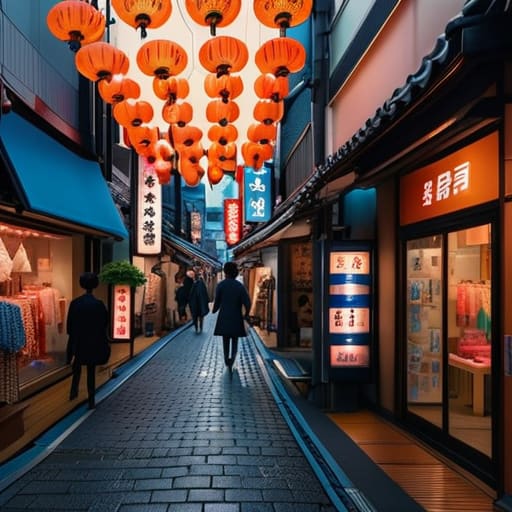
I was standing at the edge of Ginza last Tuesday, watching a sea of tourists scramble toward the flashing neon signs of the flagship department stores, and I couldn’t help but feel a sense of profound missed opportunity. Most people approach japanese shopping districts as if they are looking for a spectacle, chasing the loudest lights and the most expensive labels, but that is a logistical error. They treat the city like a theme park rather than a living, breathing organism. If you only follow the crowds toward the massive malls, you aren’t actually experiencing the commerce of Japan; you are merely participating in its surface-level noise.
I have no interest in writing a guide that tells you which luxury brand to buy or which souvenir shop has the most colorful packaging. Instead, I want to show you how to read the city’s flow. I promise to guide you toward the functional beauty of the local shotengai—those narrow, covered arcades where the rhythm of daily life actually dictates the trade. We will bypass the tourist traps and focus on the districts that possess a true, steady pulse, finding the value in the details that most people simply walk right past.
Table of Contents
- The Steady Pulse of Traditional Japanese Shopping Arcades
- Finding Quiet Truths in Boutique Shopping in Kyoto
- Navigating the Flow: A Logistician’s Guide to the Japanese Marketplace
- Lessons from the Concrete and the Cobblestone
- The Logistics of Local Life
- The Map is Not the Territory
- Frequently Asked Questions
The Steady Pulse of Traditional Japanese Shopping Arcades
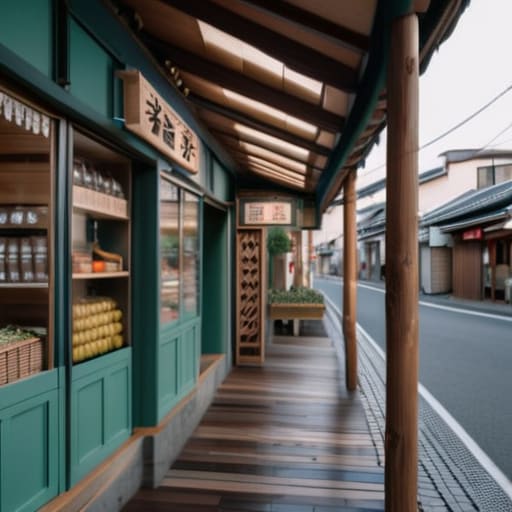
There is a specific, rhythmic efficiency to the shotengai—the traditional Japanese shopping arcades—that speaks to my old logistical sensibilities. Unlike the frantic, neon-soaked corridors of Shinjuku, these covered streets operate on a much more human scale. You can feel the temperature drop and the noise subside as you step under the canopy. It isn’t just about commerce; it’s a masterclass in urban flow. I often find myself standing at the edge of one, watching how the local residents move with purpose between the greengrocer and the tea merchant, a seamless dance of daily necessity.
Navigating these traditional Japanese shopping arcades requires a shift in perspective. You won’t find the high-octane energy of the luxury fashion districts here. Instead, you find a steady, reliable pulse. I’ve learned that the true character of a neighborhood reveals itself when you stop looking for souvenirs and start observing the unspoken social contracts at play. Whether it’s a subtle nod to a shopkeeper or the way a stroller navigates a narrow corner, there is a profound, quiet order to it all.
Finding Quiet Truths in Boutique Shopping in Kyoto
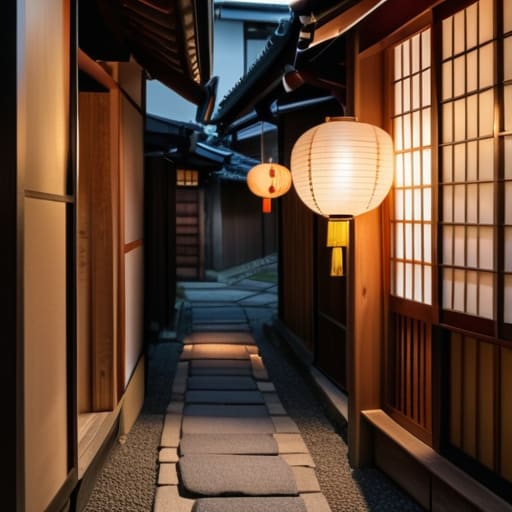
If the covered arcades of Osaka represent the city’s boisterous heartbeat, then Kyoto’s smaller lanes offer something closer to a steady, rhythmic breath. I found myself wandering away from the main thoroughfares near Gion, seeking the kind of stillness that only exists when you stop looking for a brand name and start looking for a craftsman. In these narrow corridors, boutique shopping in Kyoto ceases to be a transaction and becomes an observation of patience.
I stepped into a small shop specializing in indigo-dyed textiles, where the air smelled faintly of cedar and old paper. There was no frantic energy here, no neon-lit pressure to consume. Instead, there was a profound respect for the material. It reminded me of the logistics of quality; every stitch and every fold had a purpose, a lineage. While many travelers lose themselves in the massive luxury fashion districts japan has to offer, I find more truth in these quiet rooms. Here, the commerce is secondary to the craft, and the silence tells you more about the city’s soul than any crowded department store ever could.
Navigating the Flow: A Logistician’s Guide to the Japanese Marketplace
- Study the station map before you step foot in the district. Most shopping arteries are extensions of the transit system; if you understand where the main arteries connect, you won’t find yourself wandering aimlessly when the crowds begin to swell.
- Ignore the storefronts with the brightest LED displays. The most interesting goods—the ones with history and a sense of place—are usually tucked into the secondary streets that run parallel to the main thoroughfares.
- Observe the rhythm of the peak hours. If you want to see the functional beauty of a district without the friction of the crowd, aim for the mid-morning lull. It is the only time you can truly see how the shopkeepers prepare their spaces for the day.
- Carry a small, physical notebook. Digital maps are efficient, but they lack the spatial intuition you gain by sketching the layout of an arcade or noting the specific location of a craftsman’s workshop. It forces you to look up, rather than down.
- Respect the unspoken etiquette of the aisle. In narrow shopping streets, movement is a shared responsibility. Move with purpose, stay to one side, and allow the local flow to dictate your pace rather than fighting against it.
Lessons from the Concrete and the Cobblestone
Stop chasing the neon-lit storefronts of major intersections; the true character of a district is found in the transition zones where the main thoroughfare yields to the side street.
View a shopping arcade not just as a commercial space, but as a vital piece of urban infrastructure that dictates the social rhythm of the neighborhood.
True discovery requires a willingness to slow down—to trade the efficiency of a checklist for the quiet observation of how a local merchant interacts with their space.
The Logistics of Local Life
“A shopping district isn’t just a collection of storefronts; it is a living, breathing circulatory system. If you want to understand the soul of a city, stop looking at the displays in the windows and start watching the way the people move through the narrow veins of the alleys.”
Rurik Salonen
The Map is Not the Territory
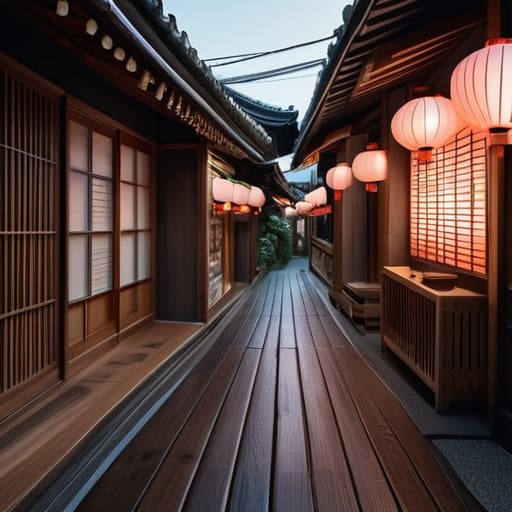
As I close my notebook and look back over the routes I’ve traced through these districts, one thing remains clear: a city’s commerce is its circulatory system. Whether you are navigating the predictable, sheltered flow of a traditional shotengai arcade or wandering the curated, silent aisles of a Kyoto boutique, you are witnessing more than just transactions. You are seeing how a culture balances its heritage with the relentless forward motion of modern life. To understand Japan, you cannot simply look at the storefronts; you must observe the logistics of the soul—how the old ways of craftsmanship persist even amidst the neon and the steel.
My advice to those arriving in these sprawling metropolises is simple: put down the digital maps and let your feet find the friction. The most profound discoveries aren’t found in the bright lights of the flagship stores, but in the moments when you stumble into a corner that feels entirely, unpretentiously real. Don’t just go shopping; go looking for the quiet, functional beauty that exists in the margins. When you stop trying to conquer the city and start trying to listen to its rhythm, you will find that the best parts of Japan are often the ones you never intended to find.
Frequently Asked Questions
How do I distinguish between a tourist-centric shopping street and a genuine neighborhood arcade where the locals actually shop?
Look at the logistics of the foot traffic. In tourist zones, the movement is erratic—people stopping to stare at maps or snap photos of storefronts. In a genuine shotengai, the flow is purposeful. Watch the elderly woman with her grocery basket or the salaryman grabbing a quick snack; they aren’t browsing, they are navigating. If the signage prioritizes English over Kanji, or if the shops sell “souvenirs” rather than daily necessities, you’ve stepped into a theater, not a neighborhood.
Is there a specific etiquette or unspoken rule for browsing smaller, family-run boutiques in these quieter districts?
In these smaller spaces, silence is your best ally. When you step into a family-run boutique, don’t rush. A simple, quiet nod or a soft “Konnichiwa” is enough. Avoid the urge to immediately reach for items; let the proprietor see you appreciating the craftsmanship first. If you’re just observing, a gentle “Miteiru dake desu” (I’m just looking) keeps the air light. Respect the stillness, and they will welcome your presence.
How much of the logistical complexity—like navigating the various station exits—should I account for when planning a day of walking through these districts?
Don’t underestimate the friction of the exits. In cities like Tokyo, a station isn’t just a stop; it’s a labyrinth. I’ve learned the hard way that “five minutes from Shinjuku” is a lie if you’re exiting at the wrong gate. Always account for an extra twenty minutes just for the transition from platform to street level. Map your exits before you arrive; it’s the only way to keep your momentum from dissolving into chaos.
