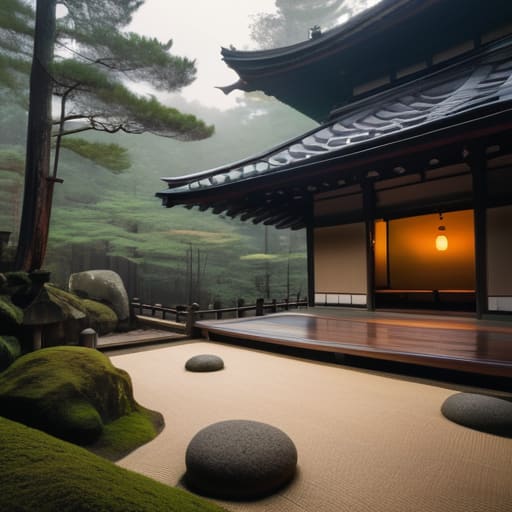
I remember sitting on a damp wooden bench at Danjo Garan, the smell of cedar and incense thick in the mountain air, watching a local monk navigate the steep stone steps with a heavy crate of supplies. Most people come here looking for a spiritual epiphany or a picturesque retreat, but they rarely ask what it actually takes to sustain a life on this slope. There is a profound difference between visiting a temple and the reality of living in Koyasan, where the silence isn’t just a backdrop for meditation—it’s a logistical challenge that demands respect.
I’m not interested in selling you on the romanticized myth of mountain seclusion. Instead, I want to pull back the curtain on the functional reality of this sacred space. Over the next few sections, I will provide a grounded, no-nonsense look at the infrastructure, the seasonal rhythms, and the quiet complexities of establishing a home here. We won’t be talking about tourist landmarks; we will be discussing the practicalities of mountain life that most guidebooks conveniently forget to mention.
Table of Contents
Shingon Buddhism Daily Life and the Quiet Pulse
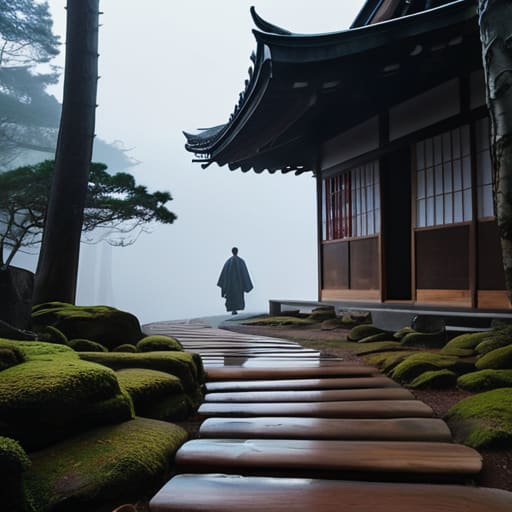
To understand the cadence of this mountain, you have to look past the incense smoke and observe the way the morning bell dictates the movement of the residents. Shingon Buddhism daily life isn’t a performance staged for visitors; it is a structured, rhythmic reality that governs everything from when the shops open to the precise timing of the local bus. There is a profound, almost mechanical grace in how the monks move between temples, a logistical precision that I find deeply comforting. It reminds me of the old supply chain schedules I used to manage, though here, the only “delivery” is a sense of spiritual continuity.
When considering the realities of Koyasan community living, one must realize that the silence is rarely absolute. It is a textured quiet, filled with the soft shuffle of tabi socks on wooden corridors and the distant chant of sutras. For those contemplating relocating to rural Japan, this isn’t just a change of scenery; it is a commitment to a different tempo of existence. You learn to find your place within a carefully choreographed stillness that demands you slow your pace to match the mountain’s own breath.
Finding Belonging in Koyasan Community Living
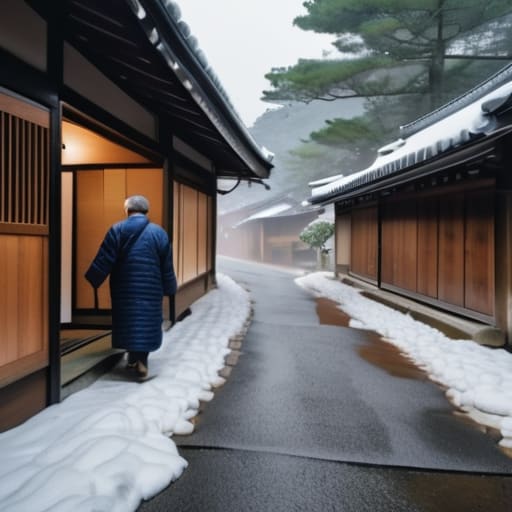
It is easy to view this mountain as a mere museum of faith, but for those actually settling here, the reality is far more grounded. Koyasan community living isn’t about a constant state of meditation; it is about the practical, sometimes gritty, logistics of mountain life. You see it in the way the residents coordinate during the heavy snowfalls or how the shopkeepers near the temple gates maintain a quiet, unspoken rhythm of mutual support. It is a social fabric woven from necessity and shared silence.
For those considering relocating to rural Japan, the transition requires a shift in how you perceive “amenities.” You won’t find the sprawling convenience of Shinjuku here. Instead, you find a different kind of utility—a network of small, specialized grocers and the reliable, if infrequent, timing of the local bus. There is a profound, understated dignity in this way of life. You learn to stop fighting the isolation and start appreciating the way the community leans into the stillness, finding a sense of purpose in the very act of maintaining such a unique, high-altitude enclave.
The Logistics of Mountain Living: Five Practicalities for the Long Term
- Master the Nankai Railway schedule as if it were your own pulse. In the city, a missed train is an inconvenience; here, it is a significant disruption to your entire day. You must learn to live by the rhythm of the bus and the rail, understanding that the mountain dictates the pace, not your personal agenda.
- Invest in high-quality, seasonal layers rather than a single heavy coat. The humidity in the valleys and the biting chill of the high-altitude winds require a modular approach to clothing. If you approach your wardrobe with the same precision I used for supply chain management, you won’t find yourself caught off guard by a sudden mountain squall.
- Cultivate a relationship with the local grocery cooperatives early on. You won’t find the endless, neon-lit convenience of a Tokyo ward here. Understanding the seasonal availability of produce and the specific delivery days for smaller shops is essential for maintaining a steady, functional household.
- Accept the necessity of digital disconnection. While I carry my film camera to capture the light, I’ve learned that the most important things in Koyasan happen in the gaps between signals. Don’t fight the intermittent connectivity; instead, use those moments to observe the textures of the cedar forests or the way the light hits the temple eaves.
- Learn the unspoken social geography of the temple-adjacent neighborhoods. There is a delicate balance between being a resident and being a visitor. Respect the quietude of the monastic paths and the privacy of the temple grounds, and you will find that the community opens up to you in ways a mere tourist never experiences.
The Logistics of a Mountain Life
Living in Koyasan requires a shift from the efficiency of urban transit to a more patient, rhythmic acceptance of mountain logistics, where the schedule of a single bus or the arrival of a delivery truck dictates the day’s flow.
True integration into the community isn’t found in the grand temple ceremonies, but in the small, repetitive interactions within the local shops and the shared understanding of the mountain’s seasonal temperament.
To thrive here, one must trade the pursuit of constant movement for the ability to find stillness, learning to see the functional beauty in the quiet, unhurried spaces between the spiritual landmarks.
## The Logistics of Stillness
“Living in Koyasan isn’t about the grand architecture of the temples; it’s about the way your internal rhythm eventually synchronizes with the slow, deliberate pace of the mountain fog and the solitary chime of a bell echoing through a narrow, cedar-lined street.”
Rurik Salonen
The Quiet Logic of the Mountain
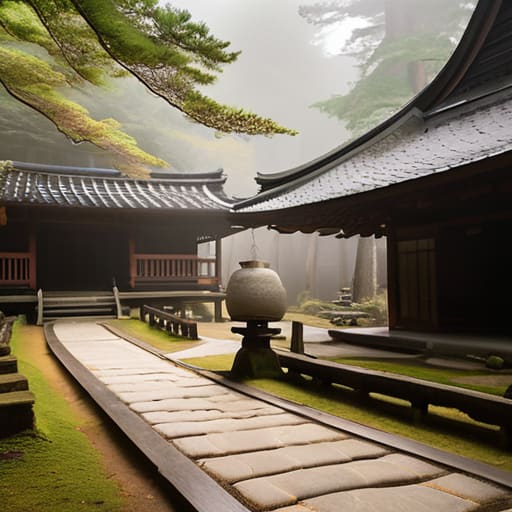
Living in Koyasan is not a decision one makes lightly, nor is it a lifestyle defined by constant movement. It is a commitment to a different kind of cadence—one where the spiritual rhythms of Shingon Buddhism and the tight-knit necessity of mountain community life dictate your daily schedule. We have looked at how the temple bells serve as a functional clock and how the shared responsibilities of local living create a sense of purpose that modern cities often lack. To call this place home is to accept that efficiency is not measured in speed, but in the steady, intentional way you integrate yourself into the landscape and its ancient traditions.
As I sit here, sketching the way the light hits the cedar trees in my notebook, I am reminded that we often travel to escape ourselves, yet we move to Koyasan to find what remains when the noise is stripped away. It is a place that demands your presence. If you are looking for the frantic energy of a metropolis, you will find it frustrating; but if you seek to understand how a human life can be anchored by silence, then the mountain is waiting. The truth of this place isn’t found in the grand ceremonies, but in the quiet realization that you have finally learned how to breathe in sync with the world around you.
Frequently Asked Questions
How does the seasonal isolation of the mountain affect the logistics of daily life and access to essential services?
When the heavy snows descend, the mountain’s logistics shift from fluid to fragile. You learn quickly that “on-demand” is a luxury that doesn’t exist here. The single winding road becomes a bottleneck, and the bus schedules—once a reliable rhythm—become tentative. I’ve found that survival in Koyasan requires a preemptive mindset: stocking up on essentials before the first frost and understanding that, for a few months a year, you are truly on your own.
What are the practical realities of navigating the local transit connections between the temple districts and the more residential areas?
Navigating Koyasan requires a shift in mindset; you aren’t managing a high-frequency metro, but a delicate, timed dance. The local buses are the lifeblood here, connecting the temple clusters to the residential fringes. They are reliable, but the intervals can feel long if you aren’t prepared. I always keep a physical map in my notebook—digital signals can be temperamental in the mountain mist, and knowing the exact stop names is essential for finding those quiet, tucked-away corners.
For someone coming from a fast-paced urban environment, how does one adjust to the slower, more ritual-based tempo of the local community?
The transition is less about changing your pace and more about recalibrating your internal clock. In Tokyo, efficiency is measured by speed; in Koyasan, it is measured by presence. You’ll feel the friction initially—the urge to rush through a task or bypass a ritual. My advice is to lean into the friction. Stop treating the local rhythms as obstacles to your schedule and start viewing them as the new infrastructure of your day.
