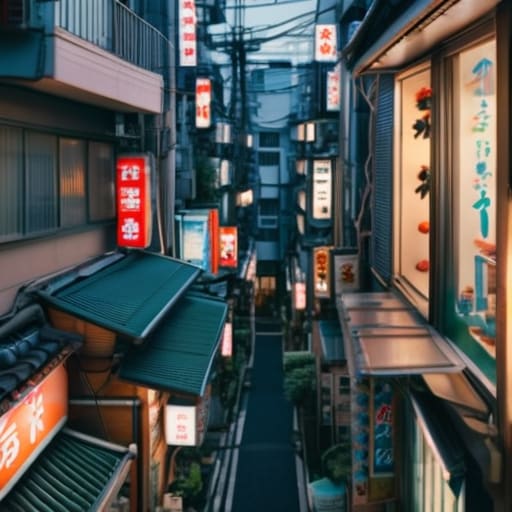
I was standing on the platform at Shinjuku Station last Tuesday, watching a sea of dark suits move with a precision that would make a logistics manager weep, when it hit me. Most people look at the sheer scale of these crowds and see nothing but chaos or overwhelming pressure. They talk about japanese urban density as if it’s a problem to be solved or a statistic to be feared, but they are looking at the wrong metrics. They see the crush of bodies, but they miss the invisible choreography that keeps the entire machine from grinding to a halt.
I’m not here to give you a lecture on census data or architectural theory. Instead, I want to show you how to navigate these high-pressure corridors without losing your sense of self. I’ll be sharing what I’ve learned from years of observing these transit arteries—from finding the quiet pockets of stillness tucked behind neon-lit facades to understanding the functional elegance of a city that lives vertically. We are going to look past the noise and find the logic in the squeeze.
Table of Contents
The Transit Veins Efficiency in Urban Planning
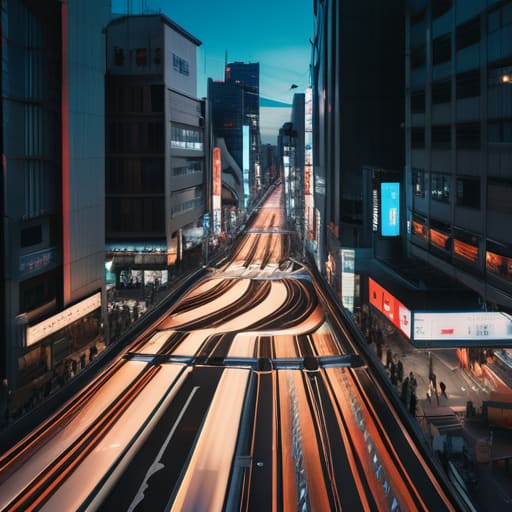
I’ve spent many mornings leaning against the window of a Yamanote line carriage, watching the cityscape blur into a rhythmic strobe of steel and glass. To the uninitiated, the sheer volume of people can feel overwhelming, but to a logistics mind, there is a profound elegance in how it all moves. This isn’t just about getting from point A to point B; it is a masterclass in Japanese urban planning efficiency. The transit system acts as the circulatory system of the city, pumping millions of souls through the metropolitan arteries with a precision that makes the chaos feel almost choreographed.
When you study the way these hubs are designed, you realize that the movement of people dictates everything else. The station isn’t just a stop; it is the gravity well around which all life orbits. This constant flow is what makes high-density residential living viable here. Because the trains are so reliable and frequent, the need for massive, sprawling infrastructure is replaced by a tighter, more intentional way of existing. You see it in the way the neighborhoods tighten around the tracks, creating a seamless, if occasionally breathless, connection between the home and the world outside.
Demographics in Motion the Tokyo Metropolitan Area Pulse
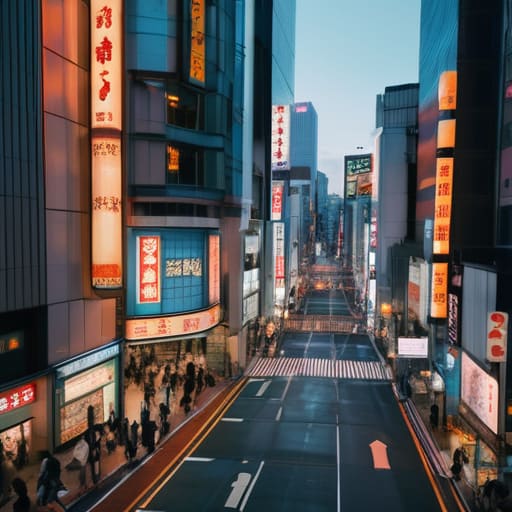
When I sit in a corner cafe in Shinjuku, watching the tide of commuters ebb and flow, I’m not just seeing people; I’m seeing the living data of the Tokyo metropolitan area demographics. There is a specific, restless energy to this movement. Unlike the sprawling, car-centric expansion I managed during my years in logistics, Tokyo’s growth feels vertical and tightly wound. You see it in the way the population clusters around transit hubs, creating a human current that never truly settles.
This concentration has forced a fascinating evolution in how people occupy space. I’ve spent many afternoons sketching the layout of these neighborhoods, noting how high-density residential living has become an art form. You see it most clearly in the rise of micro-apartment design trends, where every square centimeter is engineered for utility. It isn’t just about saving space; it’s a response to the sheer pressure of urbanization in East Asia. There is a quiet, disciplined dignity in how a single occupant navigates a room designed with such surgical precision—a testament to a city that has learned to thrive within its own limits.
Navigating the Compact: A Few Practical Observations
- Master the art of the “micro-destination.” In a dense city, don’t look for grand plazas; look for the three-seat coffee shop or the tiny shrine tucked between two office towers. That is where the city actually lives.
- Let the transit map be your compass, not just a guide. I’ve found that understanding the hierarchy of the rail lines—the express versus the local—is the only way to truly grasp how the different layers of the city interact.
- Embrace the verticality. When space is at a premium, the most interesting views and the most functional services aren’t on the street level. Learn to look up; the best quiet corners are often on the fourth or fifth floor of a nondescript building.
- Time your movements to the city’s breathing. To see the beauty in the density without being swallowed by it, avoid the peak rush. There is a specific, meditative stillness in a station at 10:00 AM that you will never find at 8:00 AM.
- Carry light, but carry purpose. In these narrow alleys and crowded carriages, your gear is a burden. I keep my film camera accessible but compact, and my notebook tucked away, ensuring I move through the crowd like a ghost rather than an obstacle.
The Lessons in the Layers
Density isn’t just a headcount; it’s a masterclass in spatial efficiency where every square meter of a city must justify its existence.
True urban resilience is found in the seamless handoff between massive transit arteries and the quiet, walkable capillaries of local neighborhoods.
To understand a city’s future, look past the gleaming skyscrapers and observe how the smallest, most cramped corners manage to maintain a sense of order and dignity.
The Paradox of Proximity
“There is a peculiar, quiet dignity in the way millions of people coexist in such tight quarters; it is not the chaos of a crowd, but a highly choreographed dance where everyone respects the invisible boundaries of the person standing right next to them.”
Rurik Salonen
The Human Scale within the Machine
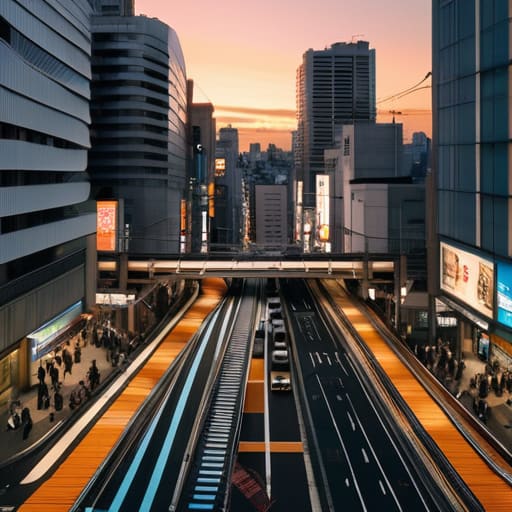
When you step back and look at the data, Japanese urban density can feel like an overwhelming mathematical equation of sheer numbers and logistical feats. We have looked at how the transit veins keep the heart beating and how the demographic shifts shape the very bones of the Tokyo metropolitan area. But density is more than just a high concentration of people per square kilometer; it is a delicate equilibrium between massive infrastructure and the individual’s need for space. The efficiency of the rail networks and the strategic placement of residential hubs are what prevent the chaos from turning into collapse, creating a system where millions can move with a choreographed precision that few other nations have mastered.
Ultimately, my time spent sketching these maps and watching the crowds from quiet corners has taught me that density isn’t something to be feared, but something to be understood. There is a profound, quiet dignity in how a city manages to be both incredibly crowded and deeply personal at the same time. As I close my notebook and prepare for my next transit connection, I am reminded that the true beauty of Japan’s urban landscape lies in the small, functional miracles that happen every day. If you look closely enough, you will find that even in the densest thicket of steel and concrete, there is always a way to find your own rhythm within the rush.
Frequently Asked Questions
How do these dense residential pockets manage to maintain such a low level of noise and social friction?
It’s a delicate, unspoken choreography. In those narrow residential pockets, there is a profound respect for the invisible boundaries of others. It isn’t just about strict noise ordinances; it’s a collective, quiet discipline. People move with a certain intentionality, keeping voices low and footsteps light. I’ve noticed that when the physical space is this tight, the social contract becomes even more rigid. Silence isn’t just a preference here—it’s a form of mutual respect.
Is the extreme efficiency of the transit hubs sustainable as the population continues to age and shrink?
It is a question that keeps me thinking as I watch the commuters drift by. On paper, the math looks grim; a shrinking tax base makes maintaining such intricate arteries difficult. However, I suspect the solution won’t be found in expansion, but in refinement. We are seeing a shift toward automation and smarter, more compact hubs. The system may become quieter, but as long as it remains precise, it will likely endure.
Where does the "quiet beauty" go when the city inevitably expands into even more crowded, vertical spaces?
It doesn’t disappear; it simply retreats. As the skyline climbs higher, the quiet beauty migrates downward and inward. You find it in the micro-spaces: a single, sun-drenched vending machine corner, a tiny shrine tucked between two concrete giants, or the hushed atmosphere of a basement jazz bar. The vertical expansion forces the soul of the city into the cracks, making those small, hidden moments feel even more intentional and precious.
