I remember sitting on a milk crate in a cramped Nakano studio last autumn, listening to the muffled, rhythmic hum of the Chuo Line passing just a few meters from my window. Most travel guides will tell you that Japanese apartment living is all about sleek minimalism or high-tech efficiency, but they miss the actual logistical reality of it. They sell you a dream of Zen-like simplicity, while ignoring the reality of managing a laundry cycle in a room the size of a walk-in closet or the peculiar geometry of a kitchen that barely fits a single rice cooker.
I’m not interested in the polished version you see on lifestyle blogs. My goal is to strip away the romanticism and give you a grounded perspective on what it actually takes to inhabit these spaces. I want to talk about the flow of a small floor plan, the subtle nuances of neighborhood noise, and how to find your own sense of order within a compact footprint. We aren’t going to talk about decor; we are going to discuss the functional truth of making a tiny space work for a human life.
Table of Contents
Mastering the Tokyo Studio Apartment Layout
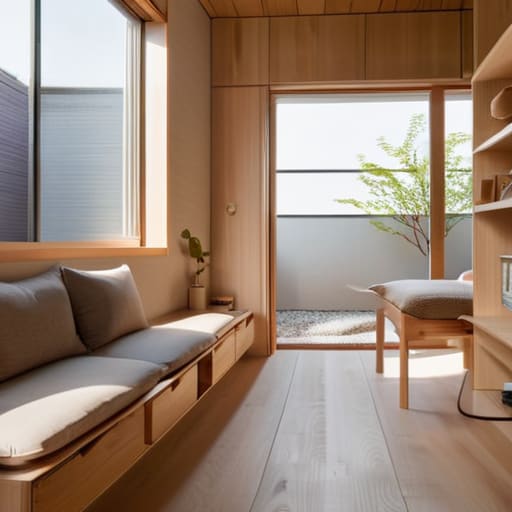
When I first moved into my unit in Setagaya, I viewed the floor plan as a puzzle with missing pieces. A typical tokyo studio apartment layout isn’t designed for sprawl; it is designed for precision. You quickly realize that every centimeter must earn its keep. I found myself sketching the perimeter in my notebook, realizing that the traditional separation of “living” and “sleeping” is a luxury most urban dwellers cannot afford. Instead, you learn to rely on verticality and intentionality.
The secret to not feeling claustrophobic lies in how you manage the transition between tasks. I’ve seen how much more breathing room a room has when you embrace japanese storage solutions, like recessed shelving or under-floor compartments, rather than cluttering the floor with bulky cabinets. It’s about more than just tidiness; it’s a form of spatial logistics. By utilizing multifunctional furniture for small homes—a table that doubles as a desk, or a platform that hides your luggage—you transform a cramped box into a functional sanctuary. In this city, efficiency isn’t just a habit; it’s a way of survival.
The Quiet Art of Japanese Storage Solutions
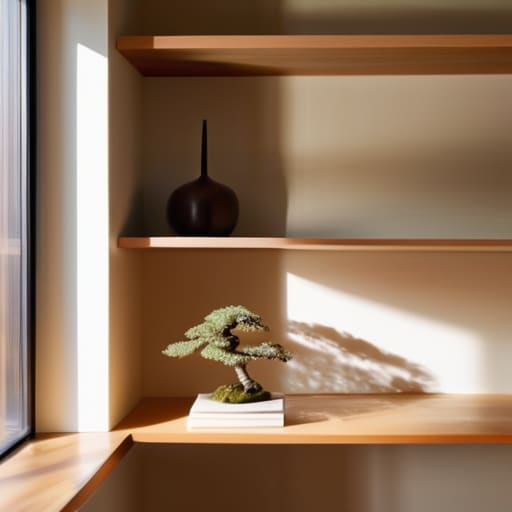
In my years managing supply chains, I learned that efficiency isn’t about having more room; it’s about the strategic placement of what you already possess. This same logic applies to the domestic sphere here. To truly embrace a japanese minimalism lifestyle, one must stop viewing storage as a way to hide clutter and start seeing it as a way to curate one’s environment. I’ve spent many afternoons observing how residents utilize the vertical plane, turning empty wall space into functional archives through modular shelving and clever, recessed niches.
The beauty lies in the intentionality of it all. You won’t find much room for the superfluous here, which forces a certain discipline. I often find myself sketching the way local residents utilize multifunctional furniture for small homes—a simple wooden bench that serves as a seat, a coffee table, and a hidden chest for seasonal linens. It is a delicate dance of utility and grace. By mastering these japanese storage solutions, a resident transforms a cramped unit into a sanctuary, proving that even the tightest constraints can foster a sense of profound order.
The Logistical Essentials: Navigating the Constraints of Urban Living
- Respect the soundscape of your neighbors. In these dense urban corridors, walls are often more of a suggestion than a barrier; investing in high-quality, noise-canceling headphones is as much a necessity for mental clarity as it is for comfort.
- Master the vertical dimension. When your floor plan is restricted, your walls become your primary real estate. I’ve found that utilizing tall, slim shelving units allows you to reclaim the “airspace” of a room without obstructing the natural flow of movement.
- Embrace the seasonal rotation. Living in Japan means living with the climate. To avoid clutter, I keep a strict system of rotating my wardrobe and bedding to match the humidity of the season, storing the “off-season” items in vacuum-sealed bags under the bed.
- Prioritize multi-functional furniture. A single-purpose piece of furniture is a luxury most small apartments cannot afford. Look for dining tables that can serve as workstations, or low-profile seating that can be tucked away when you need open floor space for guests.
- Understand the “trash logistics” of your ward. It sounds mundane, but your quality of life depends on it. Every municipality has a rigid, almost surgical schedule for different types of waste; failing to learn this rhythm is the quickest way to feel like an outsider in your own home.
The Essentials of Urban Equilibrium
Efficiency is not about cramming more into a room; it is about selecting pieces that serve multiple purposes and respect the flow of the space.
Success in a small footprint depends on vertical thinking—utilizing the walls and the space above eye level to keep the floor clear and the mind calm.
A well-managed apartment serves as a sanctuary from the city’s noise, provided you curate your belongings with the same precision as a well-oiled supply chain.
The Geometry of Living Small
“In a city like Tokyo, a home isn’t measured by its square footage, but by the intentionality of its design; when space is a luxury, every object must earn its place, and every centimeter becomes a lesson in discipline.”
Rurik Salonen
The Geometry of Living Well
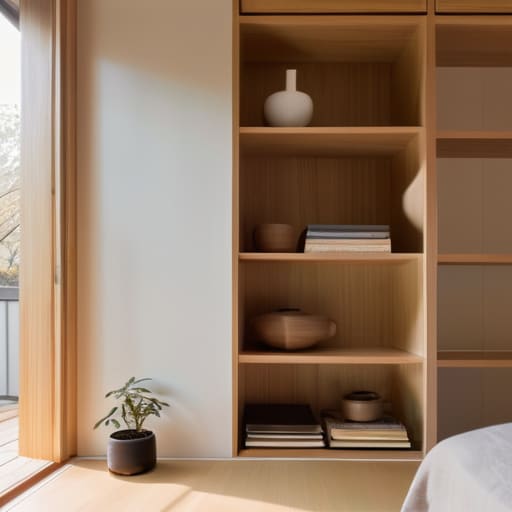
Ultimately, navigating the constraints of a Japanese apartment isn’t about fighting for more square footage; it is about mastering the logistics of space. We have looked at how a well-placed multifunctional desk can redefine a studio’s utility and how vertical storage can turn a cramped corner into a functional asset. When you stop viewing these small dimensions as limitations and start seeing them as a puzzle to be solved, the entire experience shifts. Success in these compact environments relies on a disciplined approach to what we bring inside and a deep respect for the intentionality of every object we choose to keep.
There is a profound, quiet dignity found in living with only what is necessary. As I sit in my small corner of the city, watching the light shift across my notebook, I am reminded that a home doesn’t need to be vast to be meaningful. In fact, there is a certain clarity that comes from stripping away the excess. When you master the art of small-scale living, you aren’t just managing a floor plan; you are learning how to cultivate peace within the urban rush. A small apartment is not a compromise—it is a lesson in how to live with purpose.
Frequently Asked Questions
How much does the noise from neighboring units or the street actually impact the sense of privacy in these high-density buildings?
In my years managing logistics, I learned that sound is just another flow to be managed. In these high-density buildings, privacy isn’t just about walls; it’s about acoustic management. You’ll find that while the street noise can be a constant, low-frequency hum, the real challenge is the verticality—the footsteps above or the muffled conversations next door. It forces you to curate your own silence, often through heavy curtains or the strategic placement of bookshelves.
Beyond just saving space, what are the logistical realities of managing waste and recycling in a compact urban apartment?
Managing waste in a tiny apartment is less about capacity and more about strict, rhythmic discipline. You don’t just “toss things away”; you curate them. Between the burnables, plastics, and PET bottles, your small kitchen can quickly feel like a logistics bottleneck. I’ve learned that success lies in a tiered bin system tucked under the sink. If you don’t master the sorting schedule early, the clutter—and the mental weight—will overwhelm your sanctuary.
Is it truly practical to rely on small-scale appliances, or do you eventually find yourself needing more heavy-duty equipment for daily life?
It’s a question of scale versus necessity. In my experience, the compact appliances found in most Tokyo studios—the single-burner induction cooktops or the small rice cookers—are surprisingly resilient. They are designed for the specific cadence of urban life. You don’t need a heavy-duty oven when your culinary rhythm revolves around precision and efficiency. Unless you’re planning to host large gatherings, which is a logistical challenge in itself, these small-scale tools are more than sufficient.
