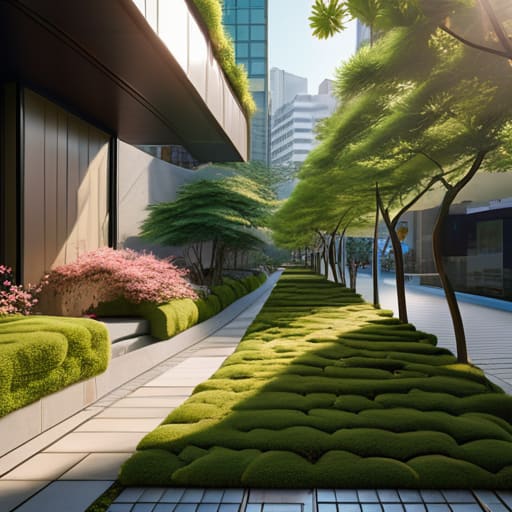
I was sitting on a cramped bench near Shinjuku Station last Tuesday, watching a businessman struggle to find a moment of peace amidst the rhythmic pulse of the city, when I realized how much we get wrong about this place. Most guidebooks will point you toward the manicured, high-budget botanical gardens or the famous temple groves, treating japanese urban greenery as if it were something you have to pay an entrance fee to experience. They sell you a polished version of nature that feels almost staged. But if you’re looking for the real pulse of the city, you won’t find it in a tourist brochure; you’ll find it in the way a single, resilient maple tree leans over a concrete drainage ditch, or how a small patch of moss claims a corner of a subway exit.
I’m not here to give you a list of the most “Instagrammable” parks in Tokyo. Instead, I want to show you how to recognize the functional beauty of the city’s hidden lungs. I will share my observations on where the greenery actually provides a sense of relief, from the accidental gardens tucked between skyscrapers to the quiet, overlooked pockets of shade that make this concrete labyrinth breathable. My goal is to help you navigate the city not just as a commuter, but as an observer of its quietest rhythms.
Table of Contents
- Biophilic Design in Tokyo How the City Breathes
- Vertical Forests in Japanese Cities Reclaiming the Skyline
- Navigating the Green: A Logistical Approach to Urban Nature
- The Logistics of Quietude: Lessons from the Concrete
- The Geometry of Peace
- The Living Pulse of the Concrete
- Frequently Asked Questions
Biophilic Design in Tokyo How the City Breathes
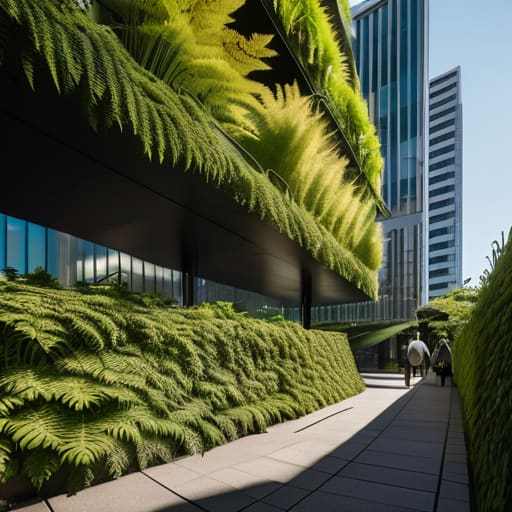
I’ve spent my career looking at how things move—how goods flow through ports and how people flow through stations. But in Tokyo, there is a different kind of flow: the way nature is being intentionally woven back into the gray. It isn’t accidental. What I see when I walk through districts like Azabudai Hills is a sophisticated application of biophilic design in Tokyo, where the architecture doesn’t just sit alongside nature, but actively invites it in. It’s a calculated attempt to soften the hard edges of the skyline, using greenery to regulate temperature and, more importantly, to soothe the human psyche.
You see it most clearly in the way modern developers are looking toward vertical forests in Japanese cities. Instead of just planting a few trees at street level, they are scaling the greenery upward, turning concrete facades into living, breathing lungs. This isn’t just about aesthetics; it’s a logistical response to the density of the metropolis. By integrating plant life into the very skin of the buildings, the city manages to mitigate the heat island effect while offering a visual reprieve for the millions of eyes passing by every day.
Vertical Forests in Japanese Cities Reclaiming the Skyline
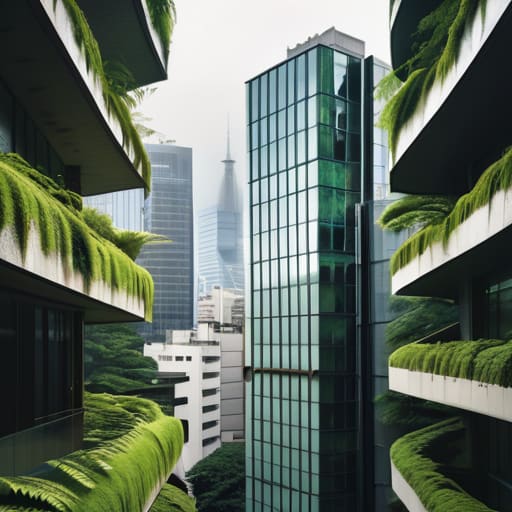
When I look up from the pavement in districts like Roppongi or Shibuya, the skyline no longer feels like a sheer wall of glass and steel. There is a growing, deliberate attempt to soften these edges. I’ve spent my afternoons sketching the way newer developments integrate vertical forests in Japanese cities, where cascading greenery spills over concrete balconies like a slow-motion waterfall. It isn’t just decoration; it feels like a calculated effort to reintegrate nature into a landscape that was once purely industrial.
What strikes me most is how these high-rise gardens seem to borrow from traditional Japanese garden aesthetics. Even at a hundred meters above the street, you see the same emphasis on texture, seasonal change, and the careful placement of stone and leaf. This isn’t the sprawling, untamed forest of the countryside, but a highly disciplined version of nature. It is sustainable urban planning in Japan applied to the vertical plane, proving that even in a hyper-dense metropolis, we can still find a way to let the city breathe upward.
Navigating the Green: A Logistical Approach to Urban Nature
- Seek out the “pocket” gardens. Don’t look for massive parks; instead, look for the tiny, three-meter-wide shrines nestled between office towers. These small gaps in the concrete are where the city’s microclimate actually functions.
- Use the transit maps as a guide. Often, the most intentional greenery follows the rail lines, creating green corridors that act as lungs for the commuters. If you follow the Yamanote line, watch for where the greenery thickens near the residential transitions.
- Observe the seasonal shifts in the “managed” greenery. In Japan, the greenery isn’t just there to exist; it is curated. Pay attention to how the pruning and the seasonal plantings change the way a street feels from April to October.
- Look upward, not just outward. In dense districts like Shinjuku, the most significant greenery is often on the fourth or fifth floor. A rooftop garden isn’t just an amenity; it’s a vital structural component of the urban ecosystem.
- Respect the silence of the greenery. When you find a mossy courtyard or a small grove, treat it with the same quiet respect you would a library. These spaces aren’t for loud socializing; they are for the quiet observation I’ve come to value.
The Logistics of Quietude: Lessons from the Concrete
True urban vitality isn’t found in massive, centralized parks, but in the strategic, microscopic integration of nature into the transit corridors we use every day.
Modern Japanese architecture is moving away from fighting the environment and toward a symbiotic design where greenery serves as both a visual relief and a functional component of the building’s ecosystem.
To truly understand a city’s health, one must look past the grand skylines and observe how much effort is being made to preserve the small, mossy, and unpolished pockets of life between the steel.
The Geometry of Peace
“In a city built on the relentless efficiency of steel and concrete, the presence of a single, well-tended maple tree isn’t just an aesthetic choice; it’s a necessary valve that releases the pressure of the urban machine.”
Rurik Salonen
The Living Pulse of the Concrete
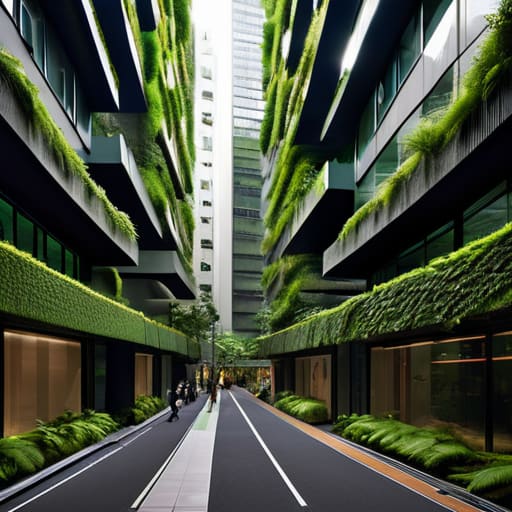
Looking back at the layers we have peeled away, it becomes clear that Japanese urban greenery is not merely an aesthetic choice or a luxury for the elite. From the calculated integration of biophilic design in high-rise corridors to the ambitious, sky-bound reach of vertical forests, these green interventions serve a vital logistical purpose. They act as the city’s circulatory system, regulating temperature and offering psychological relief to the millions who navigate these streets daily. We have seen that the greenery isn’t just decorating the city; it is actively working to mitigate the harshness of the concrete, ensuring that the metropolitan machine doesn’t simply overheat and stall, but continues to function with a certain organic grace.
As I sit here in a small cafe near Shinjuku, watching the commuters rush toward the station, I am reminded that the true value of these spaces lies in their ability to force a pause. You don’t need to climb a mountain to find nature in Japan; sometimes, you only need to look up at a treelined balcony or step into a shaded alleyway between two steel giants. The city is a living, breathing organism, and its survival depends on these small, green lungs. My advice is to stop looking for the grand vistas and start noticing the quiet resilience of a single fern growing in a crack of a subway entrance. That is where you will find the real soul of the urban landscape.
Frequently Asked Questions
How do these pockets of greenery actually impact the noise levels and the general flow of the crowds in high-traffic transit hubs?
It’s a matter of acoustic dampening and psychological pacing. In stations like Shinjuku, the sheer volume of human movement creates a frantic, jagged energy. When you introduce structured greenery—planters or living walls—it acts as a soft buffer. The foliage absorbs the sharpest edges of the mechanical roar, and more importantly, it forces a subconscious deceleration in the crowd. People don’t rush quite as violently when they’re passing through a pocket of life.
Is it possible to find these quiet, natural spaces without following a specific guide, or are they mostly tucked away in private developments?
You don’t need a guide, though you will need a keen eye and a bit of patience. While some lush pockets are indeed part of new private developments, the most rewarding spaces are often unintentional. Look for the gaps between the concrete—a small shrine tucked behind a convenience store or a narrow alleyway where ivy has claimed the walls. If you follow the sound of wind through leaves rather than the glow of neon, you’ll find them.
How does the maintenance of such dense, vertical vegetation work in a city where space and resources are already so tightly managed?
It’s a logistical puzzle, really. In a city where every square centimeter is accounted for, you can’t afford waste. These vertical gardens rely on highly integrated, automated systems—think precision drip irrigation and sensor-driven nutrient delivery built directly into the building’s skeleton. It’s not just gardening; it’s sophisticated resource management. They use reclaimed greywater and smart monitoring to ensure nothing is lost. It’s efficient, quiet, and perfectly suited to the Japanese ethos of precision.
