
Most people approach urban walking tours like they’re checking items off a grocery list—following a guide through a crowded plaza just to stare at a temple they could have seen from a bus window. It’s a frantic, superficial way to see a city, and frankly, it’s a waste of good daylight. I’ve spent decades managing complex logistics, so I have a low tolerance for inefficiency, and there is nothing more inefficient than a tour that ignores the actual mechanics of how a city functions. If you are just looking for a curated photo op in front of a monument, you aren’t really traveling; you’re just spectating.
I’m not here to sell you on the polished, tourist-trap version of city exploration. Instead, I want to show you how to use urban walking tours as a lens to see the structural truth of a place—the way the transit veins feed the neighborhoods and how the quiet, overlooked side streets hold the real history. My goal is to provide you with a practical framework for finding the functional beauty in the chaos. We aren’t looking for the highlights; we are looking for the pulse.
Table of Contents
Finding Rhythm Through Guided City Strolls

There is a specific kind of efficiency found in a well-curated path. While I often prefer to wander solo with my notebook, I have come to realize that guided city strolls offer a structural clarity that a solitary traveler might miss. A professional guide doesn’t just point at a building; they explain the logistical reason why a street curves a certain way or how a district’s layout evolved to handle the flow of millions. It’s about seeing the skeleton of the city beneath the skin.
When I look for the best ways to navigate these dense environments, I look for guides who prioritize architectural walking tours over the usual tourist traps. I want to understand the transition from Showa-era concrete to the glass-and-steel efficiency of the modern skyline. These organized movements allow you to observe the city’s pulse without getting lost in the static. By following a structured route, you aren’t just walking; you are learning to read the subtle, unspoken language of the streets, turning a simple stroll into a deep study of urban functionality.
Architectural Walking Tours and the Citys Breath
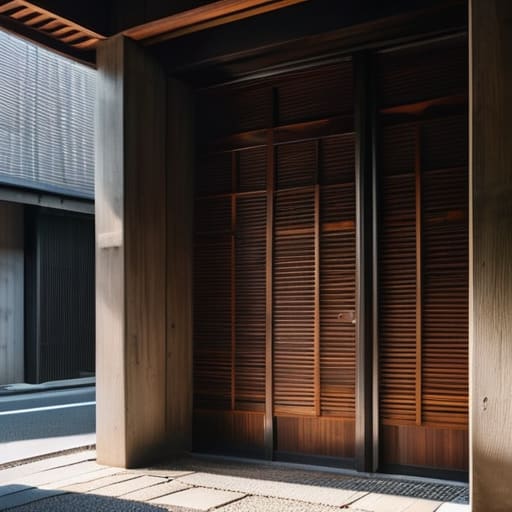
While many people flock to the grandest cathedrals or the most famous skyscrapers, I find that architectural walking tours offer a far more intimate way to gauge a city’s structural integrity and history. To me, a building isn’t just a facade; it is a record of the era that birthed it. When I walk through districts like Ginza or the older quarters of Osaka, I’m not looking for the flashiest neon. Instead, I’m looking at how the steel meets the glass, or how a narrow wooden doorway from the Meiji era survives in the shadow of a concrete monolith. It is in these transitions that you see how a city manages its own evolution.
If you are looking for more than just a photo opportunity, I suggest treating these walks as a study in spatial efficiency. The most rewarding experiences often come from finding the best walking routes in metropolitan areas where the architecture tells a story of density and necessity. It isn’t about the height of the towers, but rather the way the street level breathes between them. When you stop looking up at the summits and start looking at the seams where different eras collide, you finally begin to understand the city’s true character.
A Logistics Professional’s Guide to Navigating the Urban Path
- Prioritize the “Off-Peak” Window. If you want to actually see the city’s bones rather than just a sea of elbows, schedule your walking tour during the mid-morning lull. Avoid the rush hour crush; a city’s character is much easier to observe when you aren’t fighting the tidal wave of commuters.
- Seek the Specialist, Not the Generalist. Avoid the tours that promise to show you every major landmark in three hours. Look for guides who focus on a specific niche—be it industrial history, transit architecture, or local gastronomy. Depth will always yield more truth than breadth.
- Follow the Transit Lines. The most interesting stories often unfold at the intersections of major subway arteries or along the periphery of old rail yards. If a tour mentions how the city’s movement shaped its growth, take it seriously. The veins of the city dictate its life.
- Bring a Physical Map and a Notebook. Digital maps are efficient, but they act as a barrier between you and your surroundings. I find that sketching a junction or marking a quiet alley by hand forces me to actually look at the spatial relationship of the streets. It turns a walk into an observation.
- Embrace the Detours. The best part of any walking tour isn’t the scheduled stop; it’s the moment the guide turns down a narrow side street that wasn’t on the itinerary. If you see a quiet corner or a small, functional shrine that looks untouched by the main tourist flow, linger there. That is where the city breathes.
The Logician’s Guide to Urban Exploration
Look past the grand facades; the true character of a city reveals itself in the functional intersections of its transit hubs and the quiet, unscripted moments in its side streets.
Use walking tours not as a checklist of historical dates, but as a way to synchronize your own pace with the natural breathing patterns of the metropolitan landscape.
Prioritize observation over consumption by seeking out the small, structural details that most travelers overlook in their rush to reach the next major landmark.
## The Logistics of Observation
“A walking tour shouldn’t just be a list of dates and names shouted over a crowd; it should be a lesson in reading the city’s circulatory system, teaching you to see how a single transit artery or a narrow pedestrian vein dictates the entire life of the street.”
Rurik Salonen
The View From the Last Stop

Whether you find yourself following the curated path of a professional guide or tracing the architectural evolution of a district on your own, the goal remains the same. We have seen how a structured tour can provide the necessary framework to understand a city’s history, and how architectural walks allow us to witness the physical breath of the urban landscape. From the rhythmic efficiency of transit-led strolls to the silent stories told by stone and steel, these walks do more than just move us through space; they teach us to decode the complex logistics of human existence. It is about moving beyond the surface-level spectacle to find the functional beauty that keeps a metropolis alive.
As I sit here in a small café, sketching the intersection of two subway lines in my notebook, I am reminded that the best tours are often the ones that leave room for the unexpected. Don’t feel pressured to follow every signpost or memorize every date. Instead, allow yourself to get lost in the quiet, functional details that most travelers overlook. A city isn’t a museum to be viewed from behind glass; it is a living, breathing organism. If you approach your walk with a sense of steady observation rather than a checklist, you will find that the true heart of the city reveals itself in the spaces between the landmarks.
Frequently Asked Questions
How can I distinguish between a superficial tourist trek and a tour that actually explores the functional soul of a neighborhood?
Look for the guide’s focus. A superficial trek will keep you tethered to the “greatest hits”—the landmarks you’ve already seen on postcards. They prioritize the spectacle. A tour that seeks the functional soul, however, will lead you toward the transit hubs, the local markets, and the way the light hits a residential side street at dusk. If they aren’t explaining how the neighborhood actually operates, they aren’t showing you the city; they’re just showing you a museum.
Are there specific walking tours that focus more on the logistical layout and transit history of a city rather than just its historical monuments?
To be honest, you won’t find many commercial tours catering to that specific itch, but that’s exactly where the real discovery begins. Most operators chase the grand facades, ignoring the veins that keep the city alive. If you want to understand the logistical skeleton, skip the monument tours. Instead, trace the evolution of the rail lines or walk the repurposed industrial corridors. That’s where the city’s true structural logic reveals itself.
For someone who prefers a more solitary, observant approach, is it better to join a structured group or attempt to map out my own route through the side streets?
If you value observation, skip the group. A structured tour, no matter how well-led, imposes a cadence that isn’t yours. You become a passenger in someone else’s narrative. For a true sense of the city, map your own route. There is a specific, quiet clarity found in navigating a labyrinth of side streets alone, allowing you to pause at a single storefront or a particular junction for as long as the rhythm demands.
