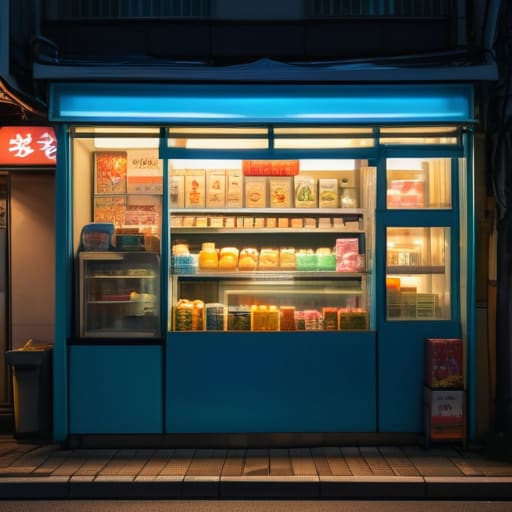
The hum of a refrigeration unit and the rhythmic ding-dong of a sliding door—these are the sounds that actually define the city’s heartbeat. I remember standing in a cramped FamilyMart near Shinjuku Station at 11 PM, my Leica heavy around my neck, watching a salaryman meticulously select a single onigiri with the same gravity one might afford a fine piece of clockwork. Most travel guides treat tokyo convenience stores as mere pit stops for tourists looking for cheap snacks, but they miss the fundamental logistics of the place. It isn’t just about convenience; it is a masterclass in urban efficiency and a vital artery that keeps the metropolis functioning while the rest of the world sleeps.
I have no interest in listing every sugary gimmick or colorful packaging designed to catch a traveler’s eye. Instead, I want to show you how to navigate these spaces like someone who understands the city’s mechanics. I will guide you through the functional essentials—from the reliable quality of the hot food counters to the quiet logic of their distribution—so you can find sustenance and stillness amidst the neon.
Table of Contents
- The Subtle War 7 Eleven vs Lawson vs Familymart
- Onigiri and Bento Options a Study in Quiet Perfection
- Logistical Nuances: Five Rules for Navigating the Konbini
- The Konbini Compass: Practical Lessons for the Urban Observer
- The Logistics of Comfort
- The Quiet Utility of the Konbini
- Frequently Asked Questions
The Subtle War 7 Eleven vs Lawson vs Familymart
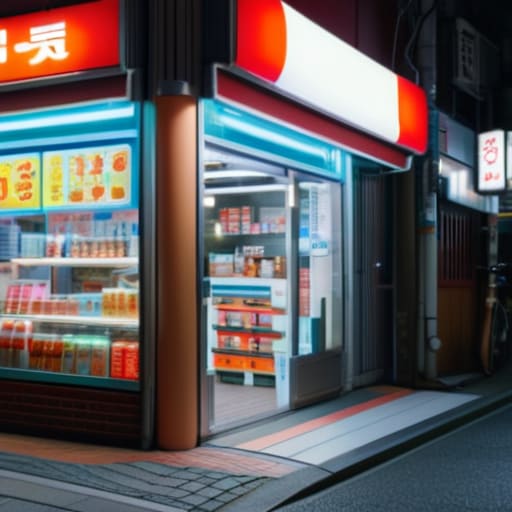
To the uninitiated, they look identical—brightly lit sanctuaries of glass and steel. But to someone who has spent a lifetime analyzing systems, the distinction between 7-Eleven, Lawson, and FamilyMart is as clear as the difference between two different logistics networks. It isn’t just about what they sell; it’s about their operational soul.
7-Eleven feels like the gold standard of efficiency, the reliable backbone of the city. Their onigiri and bento options are consistently superior, offering a level of structural integrity and freshness that makes them my go-to for a quick, midday meal. Lawson, conversely, leans into the indulgence. If you are hunting for the best Japanese konbini snacks, particularly those creamy, dessert-focused treats, Lawson is where you’ll find them. Then there is FamilyMart, which occupies a unique middle ground, often excelling in hot, fried savory items that feel a bit more communal.
Navigating the 7-Eleven vs Lawson vs FamilyMart debate requires more than just a hungry stomach; it requires an appreciation for how each brand serves the specific rhythm of the neighborhood they inhabit.
Onigiri and Bento Options a Study in Quiet Perfection
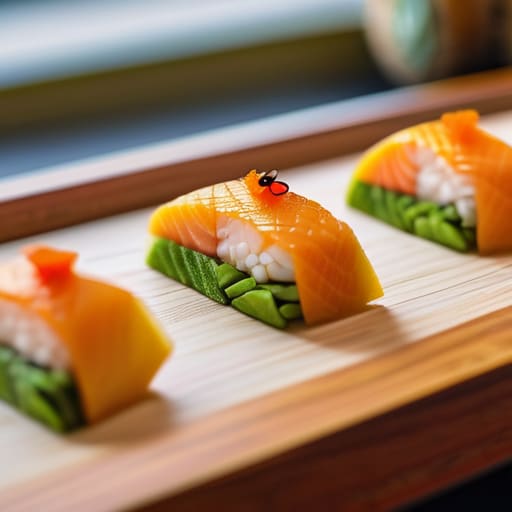
There is a specific, quiet dignity in the way a bento box is constructed. To the uninitiated, it is merely a plastic container; to me, it is a masterclass in logistical precision and nutritional balance. I often find myself standing by the refrigerated aisle, observing how the onigiri and bento options are curated to satisfy both the hurried salaryman and the contemplative traveler. Each rice ball is a small, structural marvel, wrapped with a level of care that ensures the seaweed remains crisp until the exact moment of consumption. It is a fleeting, edible geometry.
I’ve learned that the true joy lies in seeking out the seasonal limited edition konbini items, which act as a temporal marker for the city’s shifting moods. A spring-themed salmon bento or a sudden influx of chestnut-flavored sweets tells you more about the current state of Tokyo than any guidebook ever could. These items aren’t just food; they are small, rhythmic pulses of the seasons, delivered with the same efficiency that keeps the entire metropolitan engine running. In these tiny, plastic-wrapped packages, I find a sense of order that the rest of the world often lacks.
Logistical Nuances: Five Rules for Navigating the Konbini
- Master the rhythm of the counter. When you approach the register, have your payment ready—whether it’s a Suica card or physical yen—and be prepared for the cashier to ask a series of rapid-fire questions about bags and receipt needs. In a city built on efficiency, hesitation is the only friction.
- Use the ATM as your urban anchor. Most major chains house ATMs that are far more reliable for international cards than the standalone machines found in quiet backstreets. If you find yourself running low on cash in a neighborhood far from a major bank, head straight for a FamilyMart.
- Look beyond the window displays. The real logistical gems—the high-quality seasonal bento or the specific regional snacks—are often tucked away in the back corners or displayed in rotating seasonal bins. Don’t just grab what’s at eye level; scan the entire layout.
- Respect the unspoken etiquette of the seating area. Many Lawson or 7-Eleven locations offer small, functional seating nooks. These are meant for a quick respite, not a long stay. Treat them like a transit lounge: consume your meal, clear your tray, and move on to keep the flow of the city moving.
- Carry a small, reusable bag in your pocket. While most stores provide plastic ones for a nominal fee, there is a quiet dignity in being prepared. It fits my minimalist approach and saves you those extra coins while you’re navigating the narrow aisles of a cramped Shinjuku station branch.
The Konbini Compass: Practical Lessons for the Urban Observer
Do not view the convenience store as a mere pitstop; treat it as a vital node in the city’s logistical network where the most reliable, high-quality meals can be found at any hour.
Learn the subtle distinctions between the major chains—7-Eleven for its logistical consistency, Lawson for its unique sweets, and FamilyMart for its reliable hot snacks—to navigate your hunger with intent.
Use the quiet ritual of the konbini to observe the city’s rhythm, finding a moment of steady, functional calm amidst the surrounding metropolitan rush.
The Logistics of Comfort
“A konbini is more than just a retail outlet; it is a finely tuned, twenty-four-hour circulatory system that ensures the city never truly stops breathing, even in its most exhausted hours.”
Rurik Salonen
The Quiet Utility of the Konbini
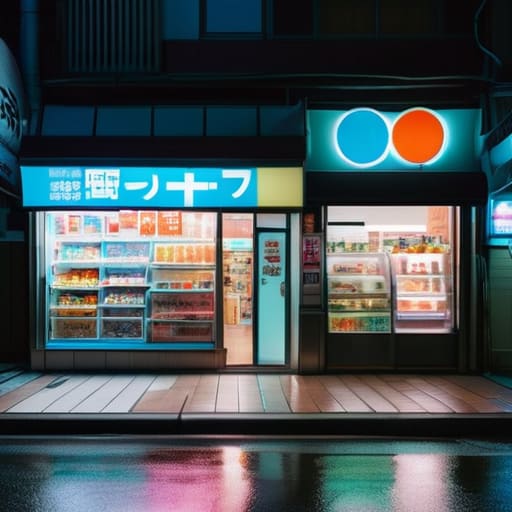
Ultimately, navigating the landscape of Tokyo’s convenience stores is less about finding a quick meal and more about understanding the logistical backbone of the city. Whether you find yourself leaning into the consistent reliability of 7-Eleven, the slightly more indulgent snack selection at Lawson, or the practical ease of FamilyMart, you are participating in a highly tuned system of urban survival. From the precise engineering of a perfectly wrapped onigiri to the seamless way these stores integrate into the ebb and flow of the subway lines, they represent a triumph of functional efficiency. They are the small, bright nodes of order that keep the massive, sprawling machine of Tokyo running smoothly through the night.
As I sit here in a small corner of a Shinjuku station, watching the commuters drift past the glowing glass doors, I am reminded that the soul of a city isn’t always found in its grand shrines or towering skyscrapers. Sometimes, it is found in these twenty-four-hour sanctuaries of light and convenience. To truly see Tokyo, you must look past the neon spectacle and appreciate the unseen rhythms of its daily rituals. There is a profound, quiet beauty in the way a city provides for its people in the smallest of ways, ensuring that no matter how chaotic the world feels, there is always a warm bento and a steady light waiting just around the corner.
Frequently Asked Questions
Is there a particular time of day when the selection of fresh bento and onigiri is at its peak before the evening rush?
If you’re looking for the most robust selection, aim for the window between 11:00 AM and 12:30 PM. This is when the morning restock has settled and the midday rush hasn’t yet depleted the shelves. I’ve found that arriving too late—say, after 1:30 PM—often means you’re left with the leftovers of the lunch crowd. For a logistics man, timing is everything; catch the replenishment, and you’ll find the best variety.
How do the service features, like printing or ticket purchasing, vary between the major chains when navigating the more complex transit hubs?
When you’re navigating the labyrinth of Shinjuku or Umeda, these stores become vital logistical nodes. I’ve found that 7-Eleven is the most reliable for multi-purpose printing—essential when a sudden document arises. FamilyMart often feels more integrated for quick ticket services, but if you need to settle a utility bill or manage complex logistics via a terminal, Lawson’s steady interface is my preference. They aren’t just shops; they are the city’s functional safety valves.
Are there specific regional differences in the snack or seasonal offerings when moving from the dense streets of Tokyo to the outskirts?
As I move away from the concrete density of Shinjuku toward the quieter edges of Chiba or Kanagawa, the rhythm shifts. In Tokyo, the shelves are a relentless stream of the “newest” trends—high-velocity, hyper-seasonal items designed for the commuter’s rush. But as the city thins, the selection feels more grounded. You’ll find more regional staples and less frantic turnover; the snacks feel less like a marketing blitz and more like a local pantry.
