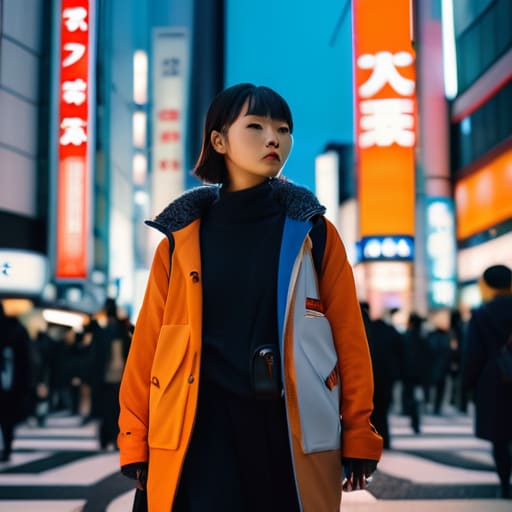
I was sitting in a cramped, dim cafe in Shimokitazawa last Tuesday, watching a young man navigate a narrow staircase. He wasn’t wearing some loud, neon-soaked costume designed for a social media feed; he was wearing a perfectly structured, charcoal-grey chore coat and trousers that moved with a quiet, intentional grace. Most people mistake japan urban fashion for the frantic, over-the-top trends you see in Harajuku’s main thoroughfares, but that’s just the surface noise. To me, the real substance lies in the functional elegance of a well-made garment and the way a person occupies space through what they wear.
I have no interest in chasing seasonal hype or telling you which overpriced labels to buy. Instead, I want to show you how to look past the spectacle to find the logic in the layers. This isn’t a guide to being trendy; it is a study of how people in Tokyo and Osaka use clothing to find order within the chaos. I promise to share what I’ve observed from the sidelines—the textures, the silhouettes, and the subtle details that define the true spirit of the city’s streets.
Table of Contents
Harajuku Street Style Trends and the Chaos of Color
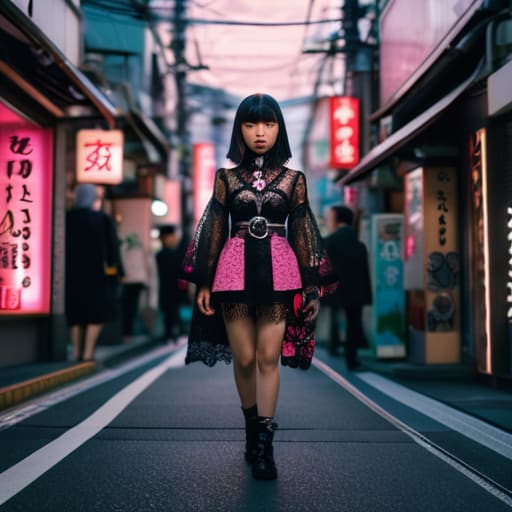
Stepping out of the station at Harajuku, the sensory shift is immediate. It is a jarring departure from the muted, efficient tones of the Yamanote Line. Here, the air feels thicker with intent. While I usually find comfort in the predictable flow of a well-managed terminal, Harajuku demands a different kind of observation. You aren’t just watching people walk; you are witnessing a deliberate defiance of the mundane. The harajuku street style trends passing me by aren’t mere outfits; they are tactical deployments of identity, using layers of lace, neon, and heavy hardware to reclaim space in an increasingly standardized world.
The sheer volume of visual data can be overwhelming, yet there is a logic to the madness if you look closely enough. I watched a group of teenagers navigating the crowd, their movements fluid despite the complex oversized silhouette trends that defined their look. There is a fascinating tension here between the chaotic maximalism of the youth and the underlying precision of how they curate their chaos. It reminds me of a complex supply chain—on the surface, it looks like a mess of moving parts, but underneath, every single piece is placed with absolute, unwavering purpose.
The Tokyo Streetwear Aesthetic in the Morning Light
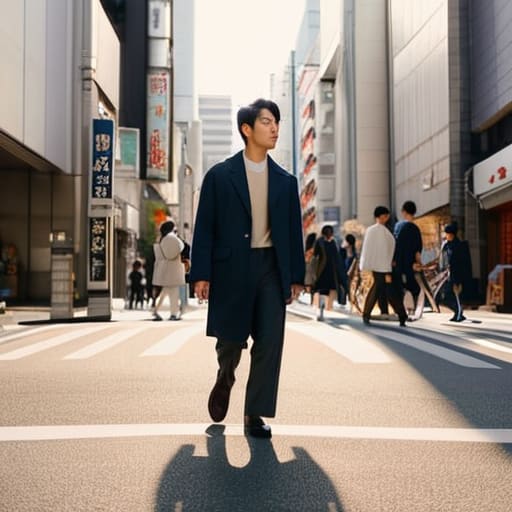
There is a specific, quiet clarity to Tokyo at 7:00 AM, before the frantic energy of the workday fully takes hold. While the neon-soaked chaos of Harajuku captures the headlines, I find more substance in the commuters drifting through Shinjuku or Ginza. In this early light, the tokyo streetwear aesthetic reveals its more disciplined side. You see it in the way a young professional balances utility with grace—perhaps a heavy cotton chore coat paired with perfectly tapered trousers. It isn’t about shouting for attention; it is about the intentionality of the garment.
As I sit on a bench near a subway entrance, sketching the flow of the crowd, I notice how the oversized silhouette trends dominate the morning rush. It is a fascinating study in proportions. There is a rhythmic quality to the way people move, often draped in layers that prioritize both comfort and a certain architectural structure. This isn’t the loud, performative style of the tourist districts, but rather a subtle, functional expression of identity that feels deeply rooted in the city’s daily pulse.
The Logistics of Style: Observing the Fabric of the City
- Look past the loud logos. The real mastery of Japanese urban dressing lies in the silhouette and the way a heavy cotton fabric holds its shape against the wind. It’s about the architecture of the garment, not the brand printed on the chest.
- Pay attention to the seasonal transitions. You’ll see a meticulous shift in layers—a lightweight technical shell in the humid June afternoons, or the deliberate stacking of knitwear as the autumn chill settles into the subway stations. It is a highly functional response to the climate.
- Observe the footwear as a study in utility. In a city built on walking and the constant ritual of removing shoes, the choice of a clean, high-quality sneaker or a structured leather boot says everything about how a person navigates the urban terrain.
- Notice the mastery of the neutral palette. While Harajuku provides the spectacle, the backbone of Tokyo’s elegance is found in the sophisticated use of navy, charcoal, and olive. These colors don’t fight the city; they harmonize with the concrete and steel.
- Study the concept of “texture over trend.” Instead of chasing what is new, look for how different materials interact—the way a crisp linen shirt meets a rugged denim jacket. It is a quiet, tactile language that rewards the patient observer.
The Quiet Logic of the Urban Wardrobe
True Japanese style isn’t found in the loud, performative outbursts of Harajuku, but in the meticulous way a person layers fabrics to navigate the city’s changing microclimates.
Urban fashion in Tokyo acts as a functional extension of the transit system; it is a disciplined balance between individual expression and the practical necessity of moving through dense, fast-paced crowds.
To understand the city’s aesthetic, one must look past the seasonal trends and observe the enduring preference for silhouettes that respect the architecture of the street and the rhythm of the sidewalk.
Beyond the Neon Facade
Most people look at Tokyo fashion and see a riot of color or a frantic pursuit of the new, but I see something else entirely—a silent, disciplined choreography of fabric and form that reveals how a person intends to move through the city’s currents.
Rurik Salonen
The Fabric of the City
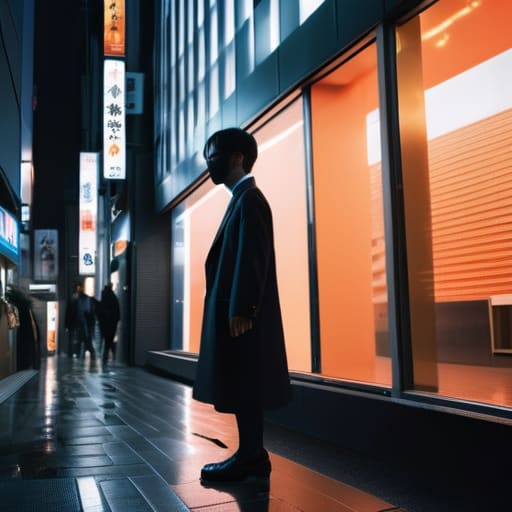
As I sit here in a small coffee shop near Shinjuku, watching the tide of commuters flow past the window, I realize that Japanese urban fashion is far more than a collection of garments. We have looked at the loud, unapologetic rebellion of Harajuku’s color palettes and the disciplined, understated precision of the morning streetwear aesthetic. What these styles share is not a single silhouette, but a profound intentionality. Whether it is the chaotic layering of a teenager or the sharp, minimalist lines of a salaryman, every choice is a response to the urban environment. Fashion here is a logistical dance between the individual and the immense, moving machinery of the metropolis.
Ultimately, to study the way people dress in Tokyo or Osaka is to study how they navigate the friction of modern life. It is not about chasing the next fleeting trend seen on a digital screen; it is about observing how a person uses texture, shape, and color to carve out a sense of self within the concrete sprawl. If you want to truly understand a city, stop looking at the landmarks and start looking at the people. You will find that the most authentic stories aren’t written in guidebooks, but are stitched into the very fabric of the sidewalk.
Frequently Asked Questions
Beyond the loud colors of Harajuku, how can one identify the subtle, high-quality fabrics that define the more understated urban styles in Ginza or Daikanyama?
In Ginza or Daikanyama, you have to stop looking at the silhouette and start looking at the drape. Forget the branding; look at how the fabric holds its shape against a breeze. I find myself watching the way a heavy navy wool or a crisp, high-thread-count cotton catches the light in a quiet alley. It isn’t about the logo, but the way the material moves—a silent testament to craftsmanship that doesn’t need to shout to be noticed.
Is there a specific seasonal logic to how Tokyoites layer their clothing, or is the aesthetic driven more by individual expression?
It’s a delicate balance of logistics and liberty. While the seasonal shifts dictate the weight of the fabrics—heavy wools in January, breathable linens in July—the true driver is a disciplined form of expression. Tokyoites treat layering like a complex transit map; there is a functional logic to how they stack pieces to navigate temperature swings, yet each layer serves a personal aesthetic purpose. It is highly intentional, never accidental.
How much of the current street style is a reaction to the fast-paced nature of the city, and how much is a deliberate nod to traditional Japanese silhouettes?
I see it as a delicate, functional tension. Much of the current aesthetic feels like a protective layer against the city’s relentless velocity—oversized silhouettes and heavy fabrics that offer a sense of personal space amidst the crowds. Yet, beneath that modern armor, the lineage of the kimono is unmistakable. It’s not a costume; it’s a structural preference for draped, flowing lines that prioritize grace and ease over the rigid constraints of Western tailoring.
