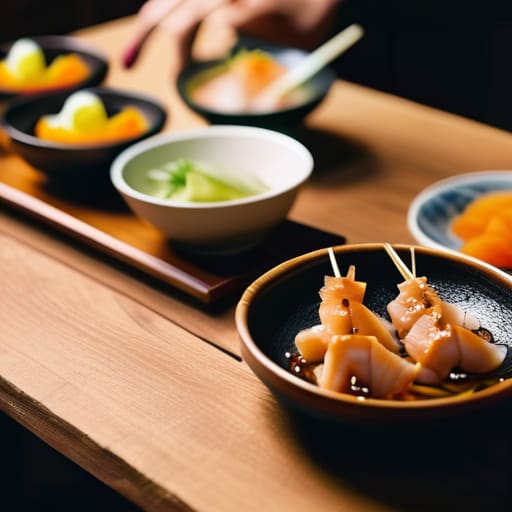
I remember sitting in a cramped, smoke-filled corner of a Shinjuku basement last autumn, clutching my Leica and watching a young traveler struggle through a mountain of tension. He wasn’t worried about the food; he was paralyzed by the fear of breaking some invisible, sacred law of izakaya etiquette. Most guidebooks will try to sell you on a rigid, almost ceremonial set of rules that makes dining feel like a high-stakes board meeting. They make it sound like one wrong move with a soy sauce dish will alienate the entire neighborhood. But after thirty years of navigating complex systems, I’ve learned that the real rules aren’t written in any manual; they are felt in the atmosphere.
I’m not here to give you a lecture on formal dining protocols or a list of stuffy do’s and don’ts that will only make you more self-conscious. Instead, I want to share the practical rhythms I’ve observed from the sidelines of a thousand tiny, glowing windows. My goal is to help you understand the subtle, unspoken flow of these spaces so you can stop worrying about being “correct” and start actually belonging. We’ll focus on the honest, lived reality of the experience—the kind of knowledge that lets you sit back, order a highball, and finally breathe.
Table of Contents
Decoding the Otoushi Charge Explained
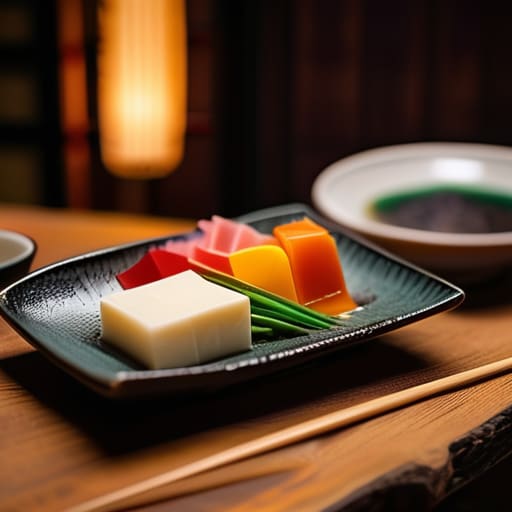
When you first settle into a cramped wooden stool and the waiter places a small, seemingly random dish before you, don’t be surprised. This isn’t a mistake or a complimentary snack from a generous chef; it is the otoushi. In many ways, the otoushi charge explained is simply the cost of admission to the izakaya experience. It functions as a mandatory table charge, often accompanied by a small appetizer, which helps sustain the establishment’s rhythm. While it might feel a bit sudden if you were expecting a menu-first approach, think of it as a small, upfront investment in the seat you’ve claimed and the atmosphere you’re about to inhabit.
I’ve found that viewing this small fee through a logistical lens makes it much easier to accept. It is a foundational part of japanese pub social norms, ensuring that even during the quietest hours, the gears of the kitchen continue to turn. Rather than viewing it as an unexpected expense, I prefer to see it as the opening note of a larger composition. It sets the stage, allowing you to settle in, perhaps adjust your oshibori, and prepare for the steady flow of small plates and shared drinks that will follow.
The Ritual of Pouring Drinks for Others
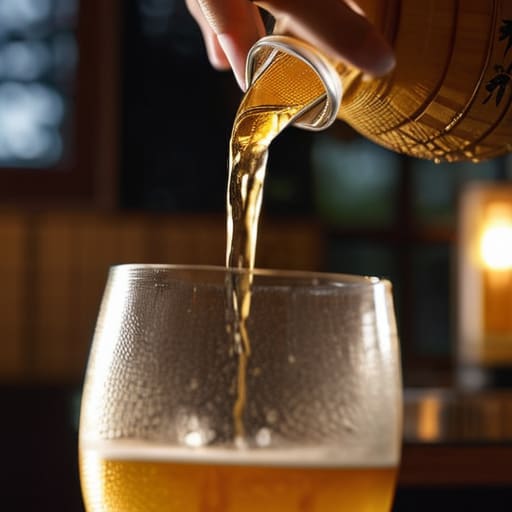
Once you’ve settled in and the initial flurry of ordering is over, you’ll notice a shift in the room’s energy. In an izakaya, the act of pouring drinks for others is less about service and more about a silent, rhythmic acknowledgment of the people sitting across from you. It is a subtle dance of mindfulness. I’ve spent many evenings watching a group navigate this; you never let a companion’s glass sit empty for long. When you see a neighbor’s pitcher running low, you reach for it. It isn’t an obligation, but rather a way to maintain the flow of the evening.
The most important thing to remember is to never pour your own drink if you can help it. It might feel efficient, especially after a long day of navigating the Yamanote line, but it breaks the social circuit. Instead, wait for a gesture from your companion. When the glasses are filled, the group will invariably raise them for a collective kanpai traditions moment. It’s in these small, unscripted exchanges that you truly begin to feel the heartbeat of the local culture.
Small Gestures, Large Impacts: Five Ways to Move with the Room
- Watch the pace of the table around you. An izakaya isn’t a place for rushed courses or frantic eating; it’s a slow burn. If the group is lingering over a single plate of yakitori, don’t feel pressured to order everything at once. Let the meal unfold at the speed of the conversation.
- Master the art of the “Kanpai.” When a drink arrives, wait for the collective toast rather than diving in immediately. It’s a small moment of synchronization that acknowledges everyone at the table, turning a group of individuals into a singular, shared experience.
- Keep your volume in check, but don’t be a ghost. You want to contribute to the hum of the room, not pierce through it. If the laughter gets a bit loud, just pull it back slightly. You’re looking to blend into the atmosphere, not become its center of gravity.
- Respect the shared plates. In a space built on communal dining, use the provided serving spoons or your clean chopsticks to move food to your personal plate. It’s a matter of logistical hygiene that keeps the flow of the meal smooth and respectful for everyone involved.
- Manage your space with intention. Izakayas can be tight, often forcing strangers into close proximity. A simple, polite nod to a neighbor when you’re navigating a narrow aisle or sliding into a seat goes a long way. It’s about acknowledging the shared density of the urban life we’re all navigating.
The Unspoken Rhythm of the Izakaya
Don’t view the otoushi as a mere fee; see it as a small, necessary entry into the establishment’s ecosystem—a way to settle in before the real meal begins.
Focus your attention on the person sitting next to you rather than your own glass; the act of pouring for another is the simplest way to acknowledge the shared space you are inhabiting.
Listen more than you speak; the true etiquette isn’t found in a rulebook, but in observing how the locals modulate their voices to match the low, steady hum of the room.
The Unwritten Script
“In an izakaya, you aren’t just paying for food and drink; you are paying for your seat within a delicate, living ecosystem. The etiquette isn’t a set of rigid rules to be feared, but rather a way of tuning your frequency to the room, ensuring you move in harmony with the ebb and flow of the evening.”
Rurik Salonen
The Rhythm of the Room
At its core, navigating an izakaya isn’t about mastering a complex set of rigid rules, but rather about understanding the unspoken flow of the space. From accepting the small, unexpected grace of the otoushi to the communal gesture of pouring a drink for your neighbor, these actions serve a singular purpose: they integrate you into the collective experience. You don’t need to be a master of Japanese social protocol to belong; you simply need to observe the small cues, respect the shared tempo, and move with the quiet intentionality that these establishments demand.
As I sit here, sketching the layout of this corner shop in my notebook, I am reminded that the most profound connections often happen in these cramped, smoke-filled spaces. The izakaya is more than just a place to eat; it is the beating heart of the neighborhood, a functional microcosm of Japanese society. Don’t let the fear of making a mistake keep you on the periphery. Instead, step into the dim light, listen to the low hum of conversation, and allow yourself to become part of the city’s breathing rhythm. That is where the real travel begins.
Frequently Asked Questions
How do I handle the bill if I'm dining with a group of locals versus other travelers?
The mechanics of the bill depend entirely on who is sitting across from you. If you’re with locals, let them lead; often, a senior member or the host will settle the entire tab as a gesture of hospitality. Don’t fight it—just offer a sincere thanks. With fellow travelers, however, the “warikan” approach is standard. We’ll split the cost down to the yen. It’s efficient, predictable, and keeps the logistics simple.
Is it considered rude to leave a tip, or is there a different way to show appreciation to the staff?
Leave your wallet in your pocket. In Japan, the concept of tipping doesn’t exist in the way we’re used to in the West, and attempting it can actually create a moment of awkward friction rather than gratitude. If the service was exceptional, a sincere “Gochisousama deshita”—thank you for the feast—as you depart is far more meaningful. It acknowledges the effort without disrupting the seamless, dignified flow of their hospitality.
What is the unspoken rule regarding noise levels when the izakaya starts getting crowded and loud?
There is a delicate equilibrium at play as the night progresses. When the room swells with noise, you’ll notice a shift: the volume doesn’t necessarily drop, but the nature of the sound changes. It becomes a collective hum rather than individual outbursts. My advice? Don’t feel the need to compete with the roar. Find your own pocket of space within the din. Observe the group next to you; if they are leaning in close, follow their lead.
