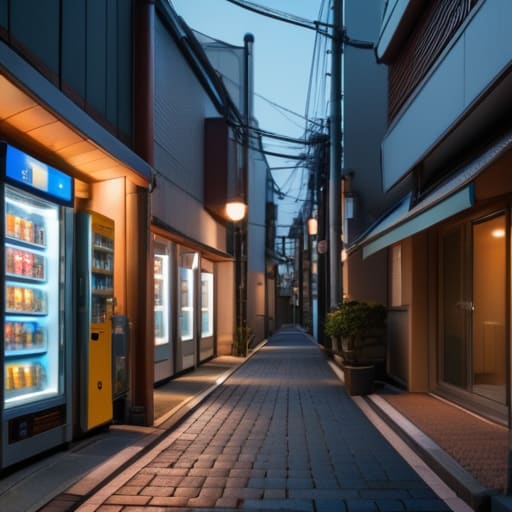
I remember standing on the platform at Shinjuku Station during rush hour, clutching my Leica and watching a teenager leave a smartphone unattended on a bench while he went to grab a coffee. In my old life managing global logistics, a lapse like that would have triggered a full-scale audit, yet here it was, part of the city’s rhythmic, unspoken order. People often obsess over travel insurance and complex security protocols when discussing japan city safety, treating it like a mathematical equation to be solved. But safety isn’t found in a brochure or a high-priced security app; it is felt in the seamless flow of a midnight subway transfer and the quiet dignity of a street that remains orderly even at its most crowded.
I’m not here to feed you the polished, sanitized version of travel guides that make everything sound like a sterile utopia. Instead, I want to offer you a grounded perspective based on years of observing these streets through a lens of practical observation. I will walk you through the real nuances of navigating urban Japan—from the predictable logic of the transit hubs to the subtle social cues that keep the peace in the narrowest alleys.
Table of Contents
- Comparing the Pulse Crime Rates in Tokyo vs Osaka
- The Silent Watch Japanese Police Presence and Koban System
- Navigating the Flow: Five Practical Rules for the Observant Traveler
- Observations from the Field: What to Carry in Your Mind
- The Invisible Safety Net
- The Architecture of Peace
- Frequently Asked Questions
Comparing the Pulse Crime Rates in Tokyo vs Osaka
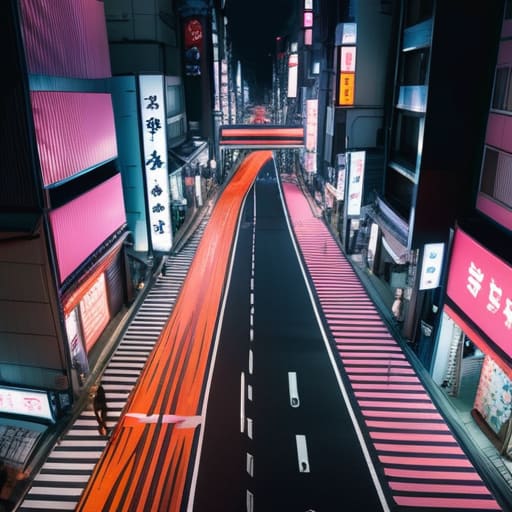
When I look at the data regarding crime rates in Tokyo vs Osaka, I tend to view it through the lens of logistical flow. Tokyo is a vast, predictable machine; its sheer scale and the disciplined rhythm of its millions of commuters create a sense of order that feels almost mathematical. You can move through Shinjuku or Shibuya with a certain level of confidence, knowing the crowd itself acts as a buffer. Osaka, by contrast, possesses a more visceral, unpredictable energy. It is a city that breathes more loudly, and while it remains remarkably safe by any global standard, there is a palpable edge to its nightlife that requires a bit more situational awareness.
I’ve often found that the real difference isn’t in the statistics, but in the sensory experience of the streets. In Tokyo, the safety of Japanese public transportation is so seamless that you almost forget you are moving through a metropolis. In Osaka, you feel the city’s pulse more acutely. It isn’t about fear, but about respect for the environment. Whether I’m sketching a map in a quiet corner of Umeda or navigating a crowded station, I’ve learned that understanding the local tempo is the best way to navigate both cities with ease.
The Silent Watch Japanese Police Presence and Koban System
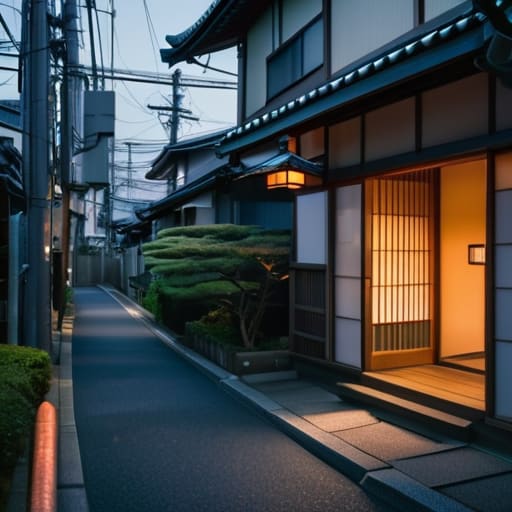
There is a specific kind of reassurance that comes from noticing the small, ubiquitous outposts scattered throughout the urban landscape. I first encountered them while sketching a transit map near Shinjuku; these tiny, functional hubs, known as koban, act as the connective tissue of local security. Unlike the imposing, distant police precincts I dealt with during my consulting years in Europe, the Japanese police presence and koban system feels integrated into the rhythm of the street. They are not there to project power, but to serve as a quiet, reliable anchor for the neighborhood.
When I am out late with my Leica, capturing the long exposures of empty subway entrances, I never feel the weight of apprehension. Even when walking alone at night in Japan, there is a profound sense of order that transcends mere surveillance. Whether you are a solo traveler or someone looking for specific safety tips for female travelers in Japan, the sheer accessibility of these officers provides a safety net that is almost invisible until you actually need it. It is a masterpiece of social logistics—a system designed to be felt through its presence rather than its interference.
Navigating the Flow: Five Practical Rules for the Observant Traveler
- Trust your instincts in the transit hubs. While the major stations like Shinjuku or Umeda are marvels of efficiency, they are also dense thickets of humanity. Keep your belongings close and your eyes up; the chaos is rarely malicious, but the sheer volume of movement can make it easy to lose track of your own perimeter.
- Respect the etiquette of the “quiet corner.” Safety in Japan is often tied to social harmony. When you are in a small izakaya or a late-night cafe, maintaining a low profile and a steady volume isn’t just about politeness—it’s about blending into the local rhythm, which naturally keeps you out of unnecessary friction.
- Map your exits, both literally and figuratively. Just as I sketch my subway routes, I make it a habit to note the location of the nearest Koban (police box) when I arrive in a new neighborhood. Knowing exactly where that small, steady light is located provides a psychological anchor if the city starts to feel overwhelming.
- Be wary of the “friendly stranger” in nightlife districts. In areas like Roppongi or Namba, you might encounter someone overly eager to guide you to a specific bar or club. In my experience, anything that feels like it’s deviating from the natural, unforced flow of the street is worth a cautious detour.
- Use the predictability of the schedule to your advantage. The greatest safety net in Japan is its punctuality. If you find yourself navigating an unfamiliar ward after dark, lean on the reliability of the trains. There is a certain peace in knowing exactly when the next connection will arrive to carry you back to the familiarity of your hotel.
Observations from the Field: What to Carry in Your Mind
Safety in Japan isn’t about a lack of danger, but a presence of order; the predictability of the transit systems and the visibility of the Koban allow you to navigate with a steady, observant eye rather than constant vigilance.
While the statistics suggest a low-crime environment, true security is found in understanding the local rhythm—knowing which alleys are bustling hubs and which are quiet, functional corridors.
Respect the unspoken social contract of the city; the collective commitment to public order is the invisible infrastructure that keeps even the most crowded metropolitan centers feeling remarkably secure.
The Invisible Safety Net
“True safety in a city like Tokyo isn’t found in the heavy presence of sirens or steel; it’s found in the quiet, unspoken trust that allows a person to walk through a dimly lit station at midnight and feel nothing more than the steady, rhythmic pulse of the city around them.”
Rurik Salonen
The Architecture of Peace
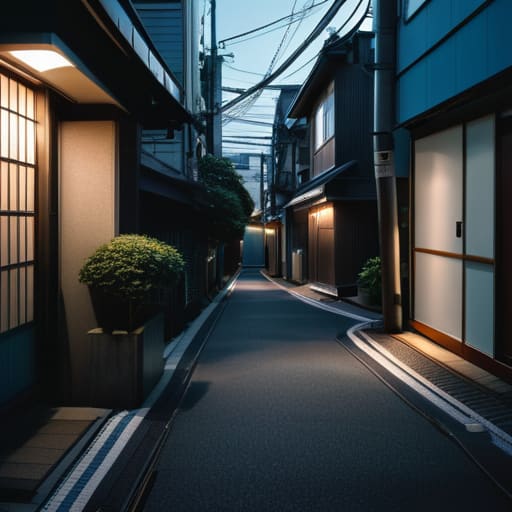
When you step back and look at the logistical framework of these cities, the sense of security becomes a structural reality rather than just a statistic. Between the watchful, localized presence of the koban system and the remarkably low crime rates that differentiate Tokyo and Osaka, there is a palpable layer of order that governs the streets. It isn’t just about the lack of crime; it is about the seamless integration of civic responsibility into the daily rhythm of the subway commutes and the late-night walks through narrow corridors. The safety here is built into the very way the cities function, creating a predictable environment that allows even the most observant traveler to lower their guard.
Ultimately, traveling through Japan teaches you that true safety provides more than just physical protection; it offers the freedom to observe. When you aren’t constantly scanning the horizon for threats, you finally have the mental bandwidth to notice the way the light hits a vending machine at midnight or the quiet dignity of a cleaning crew at a train station. I have found that the greatest luxury of a safe city is the ability to truly see its soul. Don’t just walk through these streets to get from point A to point B; let the stillness of the urban landscape invite you to stay a while and listen to the quiet pulse of the world.
Frequently Asked Questions
How do I navigate the safety of nightlife districts like Roppongi or Shinsaibashi after the trains stop running?
When the last train departs, the rhythm of the city shifts. In districts like Roppongi or Shinsaibashi, the energy turns sharper. My advice is simple: stay on the main arteries. Avoid the narrow, unlit side streets where visibility drops. If you find yourself stranded, look for a brightly lit konbini; they are the steady anchors of the night. Most importantly, keep your wits about you—don’t let the neon haze dull your situational awareness.
Are there specific social etiquettes or subtle behaviors I should be aware of to avoid drawing unnecessary attention to myself?
In my years managing logistics, I learned that friction often comes from ignoring the established flow. In Japan, that flow is social harmony. To avoid being a “disruptor,” keep your voice low on trains and avoid eating while walking; it breaks the rhythm of the sidewalk. Most importantly, respect the unspoken boundaries of personal space. If you move with intention and observe the local pace, you’ll find you blend into the city’s beautiful, quiet machinery.
If I lose my wallet or passport in a crowded station, what is the most efficient logistical process for recovery?
Don’t panic; panic is the enemy of efficiency. First, backtrack your physical steps to the last station kiosk or ticket gate. If you can’t find it, head straight to the nearest Koban. They are the logistical hubs of the neighborhood. Provide them with a precise description—ideally from a photo in your phone. While it feels like a setback, the Japanese lost-and-found system is remarkably disciplined. Trust the process, stay calm, and let the local infrastructure work.
