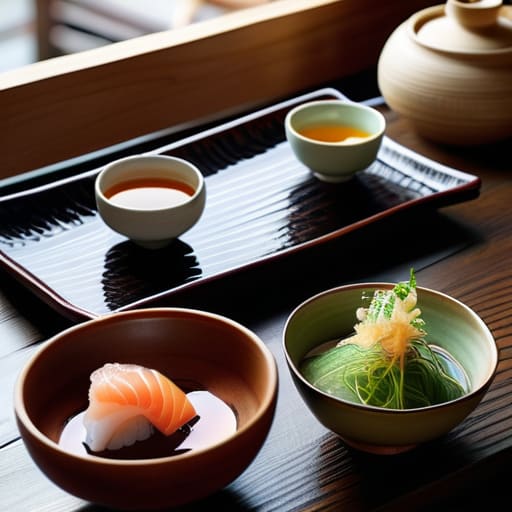
I remember sitting in a cramped, neon-lit izakaya in Osaka last November, watching a chef meticulously prepare a dish of matsutake mushrooms. The air was thick with the scent of damp earth and pine, a sensory signal that the season had finally turned. It struck me then how much we lose when we rely on the globalized, year-round convenience of modern supermarkets. We’ve become so accustomed to seeing every fruit and vegetable on every shelf, regardless of the month, that we’ve completely lost our sense of seasonal food availability. We trade the intense, fleeting flavor of a harvest at its peak for the bland, refrigerated consistency of a perpetual summer that doesn’t actually exist.
I have no interest in lecturing you on nutrition or the complex economics of global trade. Instead, I want to show you how to listen to the city’s rhythm through its markets and small corner grocers. I will provide you with a practical guide to recognizing when the ingredients are actually worth your time. My goal is to help you navigate the shifts in the urban landscape so you can find the true, unadulterated taste of the moment.
Table of Contents
The Seasonal Produce Calendar and the Citys Pulse
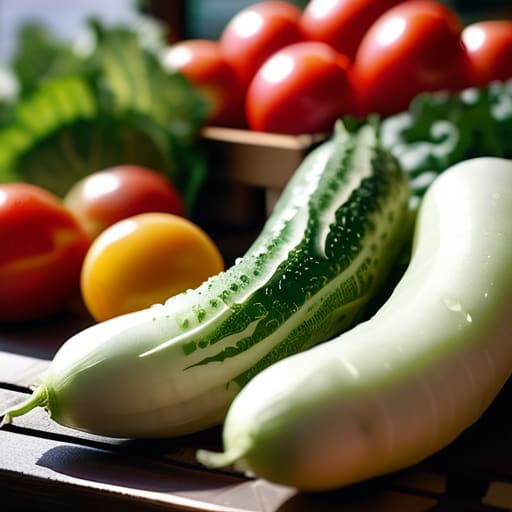
I’ve found that the most reliable way to track the passage of time in Tokyo isn’t by watching the cherry blossoms, but by observing the subtle shifts in the supermarket aisles and the morning stalls. There is a predictable, almost rhythmic flow to the seasonal produce calendar that dictates the city’s energy. In the depths of winter, the heavy, earthy scent of daikon and napa cabbage dominates the air, providing a sense of groundedness. As the temperature climbs, that weight lifts, replaced by the sharp, bright acidity of early summer cucumbers and tomatoes.
To me, this isn’t just about flavor; it is about the logic of the supply chain. When you commit to eating with the seasons, you are essentially syncing your own internal clock with the natural cycles of the archipelago. I often find myself standing in a quiet neighborhood market, watching the transition from one harvest to the next, realizing that these small shifts are the true indicators of the city’s breath. It is a quiet, functional beauty—a way to find stability in a metropolis that never seems to stop moving.
Uncovering Nutrient Density in Fresh Produce

I’ve always found that logistics is essentially the study of efficiency, and nothing is more efficient than a plant grown exactly when it is meant to be. When you bypass the endless rows of imported, plastic-wrapped goods in a supermarket, you begin to notice the real difference in nutrient density in fresh produce. A tomato ripened under the late August sun in Chiba possesses a structural integrity and a concentration of vitamins that a refrigerated, out-of-season import simply cannot replicate. It is a matter of biological timing; the plant is at its peak, offering everything it has to give.
There is a certain quiet satisfaction in practicing sustainable eating habits by following these natural cycles. By aligning my pantry with the local harvest, I find I am not just consuming better food, but also participating in a more logical way of living. It reduces the heavy, unnecessary footprint of global shipping and connects me to the immediate landscape. When you eat what the earth is currently offering, you aren’t just fueling your body; you are tuning yourself to the actual frequency of the land.
Practical Observations for Navigating the Seasonal Shift
- Follow the local markets, not the supermarket aisles. While the large chains provide convenience, they often mask the seasons with global imports. If you want to see the city’s true rhythm, walk through a neighborhood market where the vendor’s stock changes overnight with the arrival of a new harvest.
- Learn the vocabulary of the micro-seasons. In Japan, the calendar is more nuanced than just four quarters. Understanding the specific window for a certain type of bamboo shoot or a particular citrus means you aren’t just eating; you are participating in a precise, fleeting moment in time.
- Prioritize the “imperfect” produce. In my years of logistics, I learned that the most efficient systems often prioritize uniformity, but nature doesn’t work that way. The slightly irregular peach or the knobby ginger often carries the most concentrated flavor because it hasn’t been bred for a shipping container.
- Watch the colors of the displays. A city’s food landscape has a visual logic. When the deep greens of summer begin to give way to the muted ambers and earthy tones of autumn in the produce stalls, that is your signal to adjust your pantry and your palate accordingly.
- Use the transit lines as your guide. If you find yourself in a new ward or a different corner of Osaka, look at what is being moved in bulk at the local hubs. The sheer volume of a specific fruit or vegetable moving through a station’s periphery tells you more about the current season than any printed calendar ever could.
Observations from the Market Floor
Pay attention to the subtle shifts in market inventory; true seasonal nutrition isn’t found in a static grocery list, but in the fluid transition of what the city chooses to celebrate each month.
Prioritize produce that arrives at its peak rather than items kept in cold storage; the vitality of a vegetable is directly tied to its proximity to the harvest.
Use the changing availability of local ingredients as a compass to understand the city’s rhythm, turning a simple grocery trip into a way to track the passing of time.
The Logistics of Flavor
When you stop looking for the same fruit in every aisle and start watching what actually arrives at the market, you realize that seasonality isn’t a restriction—it’s the city’s way of telling you exactly when it is most alive.
Rurik Salonen
The Quiet Logic of the Seasons
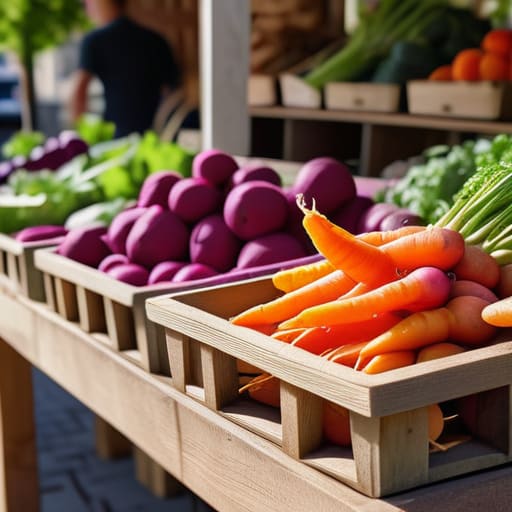
Ultimately, understanding seasonal availability is about more than just optimizing your nutrition or finding the crispest radish in the market. It is about recognizing the logistical elegance of a city that aligns its consumption with the natural cycles of the earth. We have discussed how tracking the produce calendar allows us to catch ingredients at their peak nutrient density, and how those small shifts in the market reflect the broader, rhythmic movements of the urban environment. When we choose to eat according to the season, we aren’t just making a healthier choice; we are participating in a time-tested system that ensures quality and minimizes the friction between the land and the table.
As I sit in a small corner cafe in Osaka, watching the morning rush move with predictable precision, I am reminded that true connection to a place requires patience. You cannot rush the arrival of the first summer melon, nor should you try to. There is a profound, understated beauty in waiting for the right moment, in seeking out the specific flavors that only a particular month can provide. I encourage you to step away from the convenience of the year-round supermarket aisle and instead listen to the city’s pantry. When you learn to follow its lead, you will find that the most meaningful experiences are often found in the simple, seasonal details we once overlooked.
Frequently Asked Questions
How can I tell if a vegetable is truly in its peak season or just being imported to meet year-round demand?
Look closely at the edges. When a vegetable is forced into the market out of season, it often lacks the structural integrity of true seasonal produce; it may look perfect, but it feels hollow or unnaturally firm. I find the most reliable metric is the local market’s variety. If a vendor is showcasing a single, uniform type of tomato year-round, it’s likely a global import. If they are pivoting between different varieties and shapes as the weeks pass, you’ve found the real rhythm.
Are there specific local markets in Tokyo or Osaka where the seasonal shifts are most visible?
If you want to see the city’s seasons shift in real-time, skip the polished department store basements and head to the wholesale hubs. In Tokyo, the outer markets of Tsukiji still hold that raw, seasonal energy, but for a true sense of rhythm, I find the Toyosu area more revealing. In Osaka, Kuromon Ichiba is incomparable. There, the transition from heavy winter melons to the delicate, fleeting greens of spring isn’t just noted—it’s felt in the very air.
Does the logistics of urban distribution affect the nutritional quality of produce by the time it reaches city supermarkets?
The short answer is yes, though the complexity lies in the “last mile.” In my years in logistics, I learned that every hour in transit is a minute lost to nutrient degradation. In a hyper-efficient hub like Tokyo, the proximity of distribution centers to urban markets minimizes this decay. However, the more layers of handling and refrigeration a piece of fruit endures, the more its vitality fades. Speed is the true guardian of nutrition.
