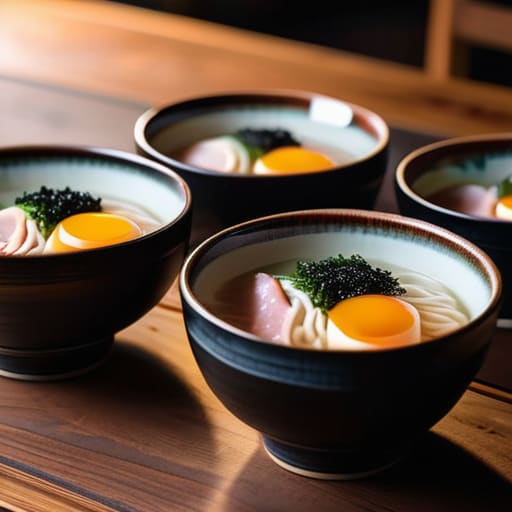
I remember sitting in a cramped, steam-filled shop in Shinjuku, my leather notebook resting on my knee, watching a chef stir a cauldron that had been simmering since before the sun came up. Most food guides will try to sell you on the “complexity” or the “exotic” nature of various ramen broth styles, treating them like some impenetrable mystery meant only for the elite. But they miss the point entirely. To me, a broth isn’t a culinary puzzle to be solved; it is the functional heartbeat of the bowl, the liquid foundation that dictates whether a meal is merely fuel or a moment of profound clarity.
I have no interest in the flashy, social-media-ready trends that prioritize aesthetics over substance. Instead, I want to walk you through the actual mechanics of what you are eating. I’m going to break down the essential ramen broth styles—from the heavy, bone-deep richness of tonkotsu to the sharp, disciplined clarity of shoyu—based on years of quiet observation in the backstreets of Tokyo and Osaka. No hype, no pretension; just a straightforward guide to understanding the soul of the soup.
Table of Contents
Decoding the Umami Flavor Profiles of a City
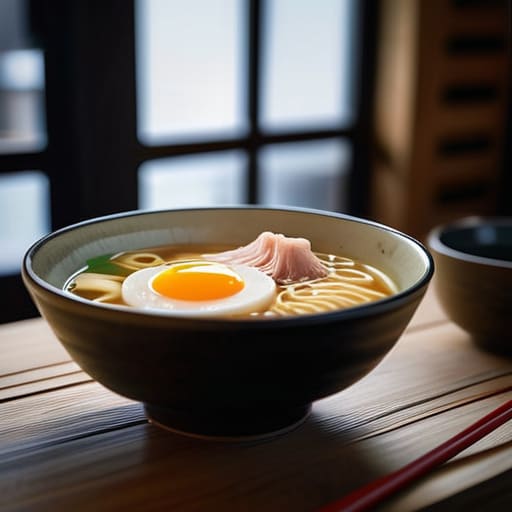
When I sit at a cramped wooden counter, I don’t just look at the menu; I look at the way the steam interacts with the air. To understand a city, you must understand its umami flavor profiles. It is a logistical puzzle of salt, fat, and depth. Take the heavy, creamy weight of a pork-based broth—it feels like the industrial heart of a city like Fukuoka. In contrast, the clarity of a shio ramen offers something entirely different, a delicate transparency that mirrors the precision of a well-oiled transit system.
The real secret, however, lies beneath the surface in the ramen tare components. This concentrated seasoning base is the soul of the bowl, the hidden engine that drives the entire experience. Whether it is the fermented complexity of a miso ramen base ingredients or the sharp, soy-driven punch of a classic shoyu, the tare is what dictates the rhythm of the meal. I find that studying these subtle shifts in salinity and richness tells me more about a neighborhood’s character than any guidebook ever could.
The Essential Ramen Tare Components Hidden Beneath
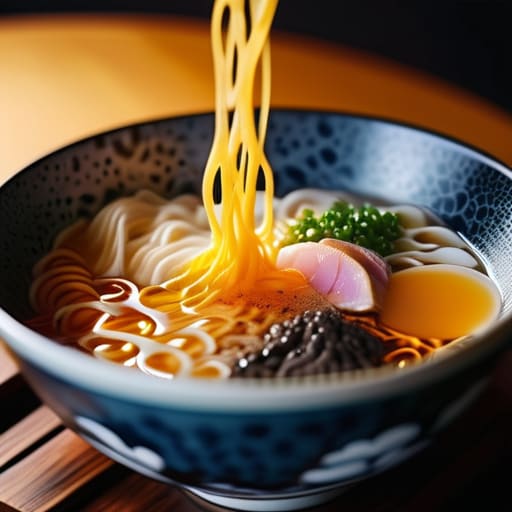
If the broth is the body of the bowl, then the tare is its soul. In my years of managing logistics, I learned that the smallest, most concentrated components often dictate the success of the entire operation. The same is true here. While the broth provides the volume, the tare—a highly concentrated seasoning liquid placed at the bottom of the bowl before the soup is poured—provides the direction. It is the silent architect of the flavor.
When you sit at a cramped counter in Shinjuku, you aren’t just tasting salt; you are tasting a complex chemistry of fermented soy, sea salt, or even dashi. Understanding these ramen tare components is what separates a casual diner from a true observer. For instance, the delicate, crystalline clarity of shio ramen characteristics relies entirely on a salt-based tare that must be perfectly balanced to avoid overwhelming the subtle notes of the stock. It is a precise, almost surgical application of seasoning that ensures every spoonful carries the same intentionality, much like a well-oiled transit network moving thousands of people with invisible efficiency.
The Logician’s Guide to Navigating the Broth Landscape
- Don’t let the menu intimidate you; start with the base. If you want something that coats the palate with a heavy, velvet-like texture, look for Tonkotsu. If you prefer something cleaner and more transparent—closer to a structured, efficient system—opt for Shio or Shoyu.
- Watch the steam, not just the bowl. A shop that manages its heat and humidity with precision often treats its broth with the same respect. If the air around the counter is thick with a concentrated, milky aroma, you are likely in the presence of a long-simmered bone broth that has achieved true emulsification.
- Respect the hierarchy of the Tare. Remember that the broth provides the body, but the tare provides the soul. If a bowl feels one-dimensional, it isn’t a failure of the stock, but perhaps a lack of complexity in the seasoning base. A truly great chef balances these two distinct layers like a well-oiled machine.
- Time is the invisible ingredient. In my years of logistics, I learned that anything worth doing requires a proper lead time. The same applies here. A deep, complex broth cannot be rushed; it requires hours of steady, controlled temperature to extract every ounce of marrow and collagen.
- Seek the outliers in the narrow alleys. The most innovative broth profiles rarely emerge from the bright, neon-lit franchises. I find that the most profound shifts in flavor—those subtle, experimental blends of seafood and meat—are usually found in the shops that occupy the smallest, most unassuming footprints.
The Logistics of a Perfect Bowl
A great ramen isn’t just a soup; it is a precise assembly of distinct layers—the fat, the broth, and the tare—each requiring its own careful management to achieve equilibrium.
To truly understand a neighborhood, look past the neon signs and follow the scent of a specific broth style; the steam tells you more about the local rhythm than any guidebook ever could.
Mastery lies in the details that remain invisible to the casual observer, much like the complex, silent machinery that keeps a city’s transit lines running on time.
The Architecture of the Bowl
“A well-constructed broth isn’t just a meal; it is a logistical marvel of heat, fat, and time, acting as the silent, liquid foundation upon which the entire character of a neighborhood is built.”
Rurik Salonen
The Last Sip of the Day
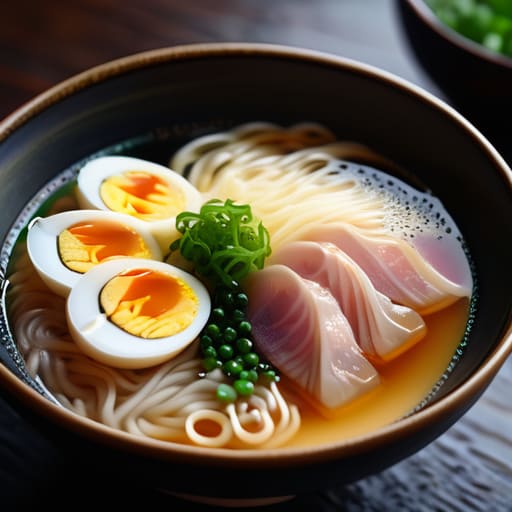
When you strip away the neon lights and the frantic pace of the Shinjuku crowds, you realize that a bowl of ramen is essentially a masterclass in logistical precision. Whether it is the heavy, bone-deep richness of a tonkotsu or the clear, disciplined elegance of a shoyu, every element—from the long-simmered broth to the calculated saltiness of the tare—serves a specific purpose. Understanding these layers changes how you approach a meal; you stop merely eating and start observing the architecture of the flavor. It is a delicate balance of chemistry and tradition, where even the smallest deviation in heat or timing can alter the entire structural integrity of the bowl.
As I sit here in this dim corner of a basement shop, sketching the layout of the local transit line in my notebook, I am reminded that cities, much like these broths, are defined by their depth. Most people will rush through their meal, seeking only sustenance, but there is a profound reward in slowing down to appreciate the quiet alchemy of the process. Don’t just look for the famous shops or the long queues. Instead, look for the steam, the scent, and the steady rhythm of a kitchen that knows exactly what it is doing. That is where you will find the true soul of the city.
Frequently Asked Questions
If I'm looking for a broth that feels truly authentic to a specific neighborhood, should I be focusing more on the salt content of the tare or the fat rendered in the soup?
If you’re chasing a neighborhood’s specific soul, look to the fat. Salt is a baseline, but the rendered fat—the aroma oil—is where the local character resides. In a heavy industrial district, you might find a thick, unapologetic layer of pork lard that mirrors the grit of the streets. In a quieter corner, perhaps a lighter, more refined chicken oil. The tare provides the structure, but the fat provides the atmosphere.
How much does the local water quality in different Japanese prefectures actually influence the final character of a heavy tonkotsu versus a lighter shoyu?
It’s a question of chemistry that most travelers overlook. In my logistics days, we looked at inputs; here, water is the ultimate input. In regions with softer water, like parts of Kyushu, a heavy tonkotsu can achieve a creamy, emulsified silkiness that feels almost weightless. Conversely, the harder mineral content found in other prefectures can actually sharpen a shoyu broth, cutting through the salt to highlight the clarity of the soy. The water is the silent architect.
When navigating a crowded ramen shop, what are the subtle visual cues in the broth's surface tension that can tell me if it's been simmered for hours or just minutes?
Watch the light. A broth simmered for hours—especially a heavy tonkotsu—develops a certain viscosity that catches the overhead glow in thick, rolling beads. It has a weight to it. If the surface tension is high, with fat droplets that move slowly and cling to the rim of the bowl, you’re looking at deep extraction. A thin, watery surface that breaks easily suggests a lighter, quicker simmer. Look for that slow, oily dance; that’s where the history lies.
