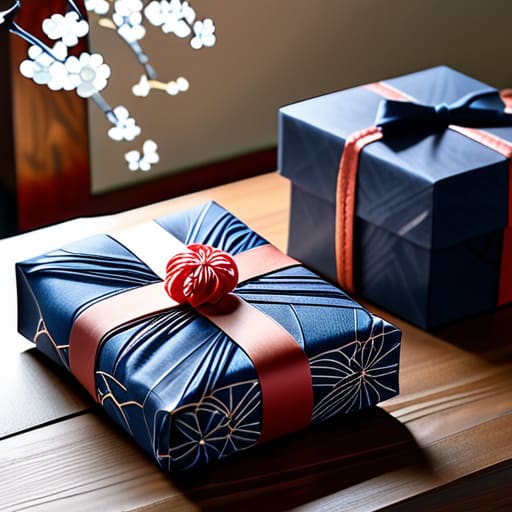
I remember sitting in a cramped, dimly lit department store in Shinjuku three years ago, staring at a wall of perfectly wrapped boxes and feeling a profound sense of logistical paralysis. I had spent my career optimizing global supply chains, yet I couldn’t figure out the simple mechanics of a single transaction. Most travel blogs will give you a sterile, rule-heavy guide to understanding japanese gift giving that reads like a legal manual, focusing on the wrong things—like the exact price point or the brand of the ribbon. But they miss the point entirely; it isn’t about the cost of the item, it’s about the deliberate intention behind the gesture.
I’m not here to lecture you on rigid etiquette or sell you on expensive, unnecessary trinkets. Instead, I want to offer a practical, field-tested perspective on how these small exchanges actually function within the social machinery of Japan. I will provide a straightforward guide to understanding japanese gift giving that focuses on the rhythm of the interaction—the timing, the presentation, and the subtle ways you can show respect without feeling like you’re performing a scripted play. Let’s look at the details that actually matter.
Omiyage vs Temiyage Etiquette Navigating the Subtle Rhythms of Arrival
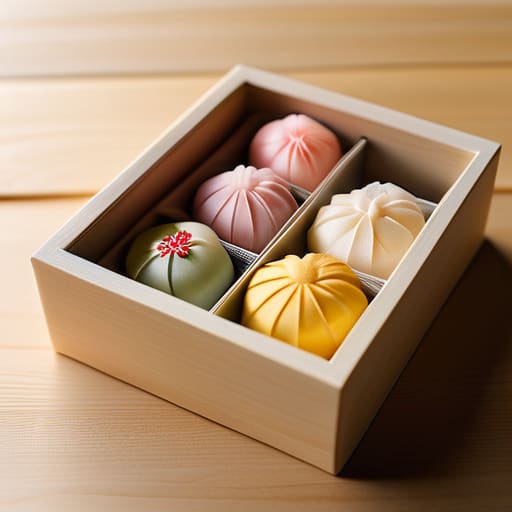
Most travelers stumble into the nuance of Japanese gift-giving without even realizing they’ve missed a beat. In my years managing logistics, I learned that context is everything, and the same applies here. There is a distinct line between omiyage and temiyage etiquette that dictates how you move through a social space. An omiyage is a souvenir from a journey—something meant to be shared with colleagues or neighbors to compensate for your absence. It is a way of saying, “I was away, but I brought a piece of that place back to our collective rhythm.”
Temiyage, however, is a different animal entirely. This is the gift you bring when you are physically arriving at someone’s home or a business meeting. It isn’t about a location you visited; it is about the act of showing up. If you walk into a host’s home with a souvenir from your last trip to Kyoto, you’ve missed the mark. You need something fresh, something that acknowledges the current moment. Understanding this distinction is the difference between being a mere spectator and truly participating in the subtle, social choreography of Japanese life.
The Meaning of Gift Colors and Numbers in Japan
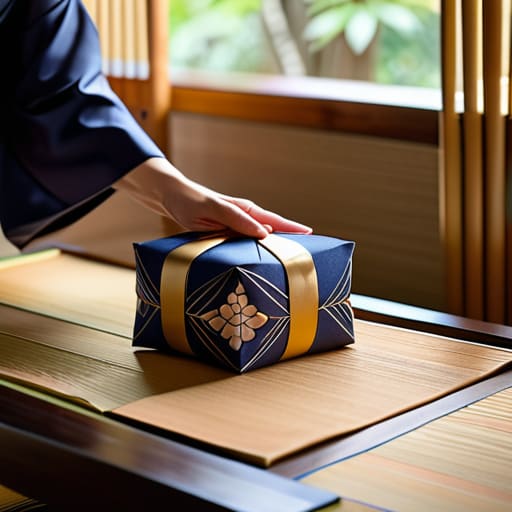
In my years of managing logistics, I learned that every detail serves a purpose, but in Japan, a detail can carry the weight of a thousand words. When you look closer at the presentation, you realize that the meaning of gift colors and numbers in Japan is far from arbitrary. It is a silent language. For instance, while a vibrant red might signify celebration, certain combinations can inadvertently signal misfortune. I’ve sat in quiet tea rooms, observing how the choice of a wrapping paper’s hue can shift the entire atmosphere of an exchange from one of casual warmth to one of profound, formal respect.
Then there is the matter of quantity. In the West, we often think in pairs or dozens, but in Japan, the math of a gift is a delicate balancing act. Giving four of something is a heavy mistake, as the word for four is homophonous with death. Even more subtle is the preference for odd numbers, which are often seen as more auspicious. Understanding these nuances is essential to mastering japanese gift wrapping traditions; it isn’t just about the aesthetics, but about ensuring your gesture aligns with the unspoken rhythms of the recipient’s expectations.
The Logistics of Thoughtfulness: Five Practical Rules for the Observant Traveler
- Presentation is the silent preamble. In my years of logistics, I learned that the way a shipment is handled matters as much as the contents, and Japan is no different. Never present a gift in a plain plastic bag; the wrapping is a physical manifestation of your respect for the recipient.
- Mind the timing of the exchange. There is a specific cadence to these interactions. Avoid rushing the moment; instead, wait for a natural lull in conversation or a quiet transition in your itinerary. A gift offered in a moment of frantic movement loses its intentionality.
- Master the art of the modest refusal. When you offer a gift, do not be surprised if your host declines once or twice with a polite hesitation. This isn’t a rejection of your kindness, but a ritual of humility. Maintain your steady composure, offer it again with a gentle smile, and the exchange will find its rhythm.
- Avoid the pitfalls of “too much.” Just as a cluttered warehouse hinders efficiency, an overly extravagant gift can create an uncomfortable sense of obligation for the receiver. Aim for something high-quality and thoughtful, but keep the scale modest to ensure the gesture remains a bridge rather than a burden.
- Use both hands as a gesture of presence. When handing over or receiving a gift, use both hands. It is a small, physical way of saying, “I am fully present in this exchange.” It grounds the moment and signals that the object being passed is being treated with the gravity it deserves.
The Weight of a Small Gesture

As I sit in a quiet corner of a Shinjuku café, sketching the overlapping lines of the Yamanote loop in my notebook, I am reminded that gift-giving in Japan is never just about the object itself. It is a complex logistical dance of intention, timing, and respect. Whether you are distinguishing between the travel-based tradition of omiyage and the personal warmth of temiyage, or carefully selecting a specific number of items to avoid cultural taboos, you are participating in a deeply ingrained social architecture. Understanding the nuances of color, presentation, and the subtle hierarchy of the exchange allows you to move through these social spaces not as a confused outsider, but as an observant guest who honors the local rhythm.
Ultimately, do not let the fear of making a mistake paralyze your curiosity. The beauty of Japan lies in its precision, yes, but there is also a profound grace in the effort one makes to understand it. When you present a gift, you aren’t just handing over a box; you are offering a piece of your own sincere consideration. Like a well-designed transit map, these customs provide a structure that, once understood, allows for much deeper connections to emerge. Look past the wrapping paper and find the quiet, human pulse that beats beneath every deliberate movement.
When you find yourself standing before a crowded department store counter in Shinjuku, the sheer volume of options can feel overwhelming, almost like a logistical bottleneck in a busy terminal. I’ve learned that the best way to navigate this is to look for specialized guides that break down the regional nuances of local specialties. If you want to dig deeper into the specific cultural nuances and find more nuanced connections, I often find that consulting resources like ao sex steiermark provides a different kind of perspective on the underlying rhythms of local life. It is these small, deliberate choices—the way a gift is selected and presented—that ultimately reveal the true intent behind the gesture.
