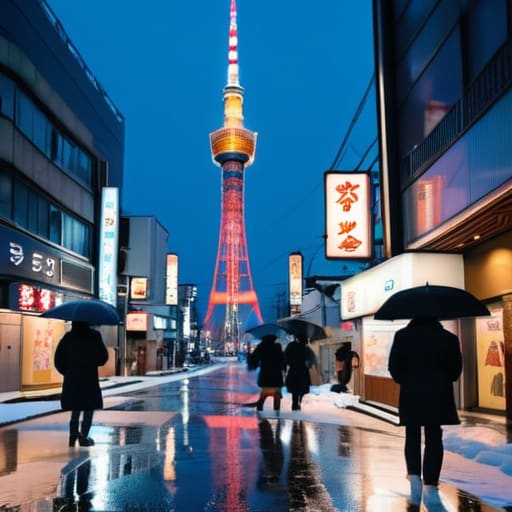
I was sitting in a cramped, overheated station kiosk near Odori last Tuesday, watching a group of tourists struggle with a printed map that clearly didn’t account for the recent construction near the subway exits. It struck me then how much most people miss when they treat sapporo urban life like a mere checklist of landmarks and seasonal festivals. They see the bright lights of Susukino and think they’ve grasped the city, but they’re only seeing the skin. To truly understand this place, you have to look past the neon and listen to the rhythmic hum of the streetcars and the way the wind tunnels through the grid-patterned streets during a snowfall.
I’m not here to sell you on the polished, postcard version of Hokkaido’s capital. Instead, I want to walk you through the functional reality of how this city actually operates. I’ll be sharing my observations on the transit flows, the quiet residential pockets that offer a reprieve from the bustle, and those small, unassuming corners where the city’s true character resides. This is about finding the logic in the layout and the soul in the stillness.
Table of Contents
- Navigating the Sapporo Public Transportation System
- Urban Development in Hokkaido and Its Quiet Shifts
- Observations from the Sidelines: Five Ways to Truly Experience Sapporo
- The Essence of the Sapporo Experience
- The Geometry of the Grid
- The Quiet Geometry of a Northern City
- Frequently Asked Questions
Navigating the Sapporo Public Transportation System
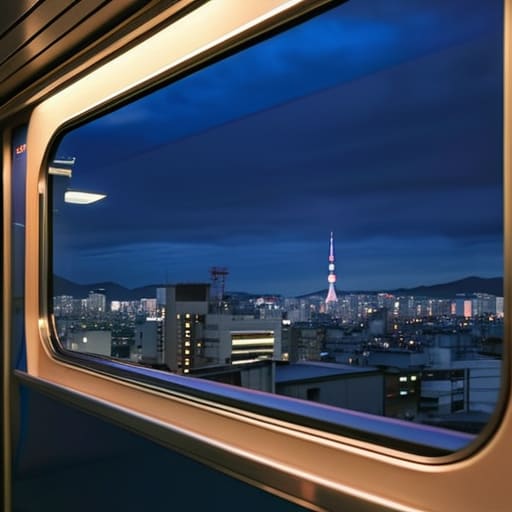
To understand the mechanics of this city, one must first master the grid. Unlike the sprawling, labyrinthine networks of Tokyo, the Sapporo public transportation system is remarkably legible, designed with a logic that appeals to anyone who has spent a career managing moving parts. The subway lines—the Namboku, Tozai, and Toho—act as the city’s primary arteries, cutting through the urban core with a precision that feels almost soothing. I often find myself sitting near the windows, sketching the way the stations transition from the sleek, modern hubs of Odori to the more residential, quiet stops on the periphery.
However, the true test of transit here lies in how it adapts to the environment. When you are navigating the realities of Hokkaido seasonal living, the infrastructure takes on a different character. During the heavy snow months, the efficiency of the underground walkways and the reliability of the buses become more than just conveniences; they are essential lifelines. There is a certain quiet resilience in how the city maintains its rhythm despite the biting cold, ensuring that the flow of people remains uninterrupted even when the world outside is white and silent.
Urban Development in Hokkaido and Its Quiet Shifts
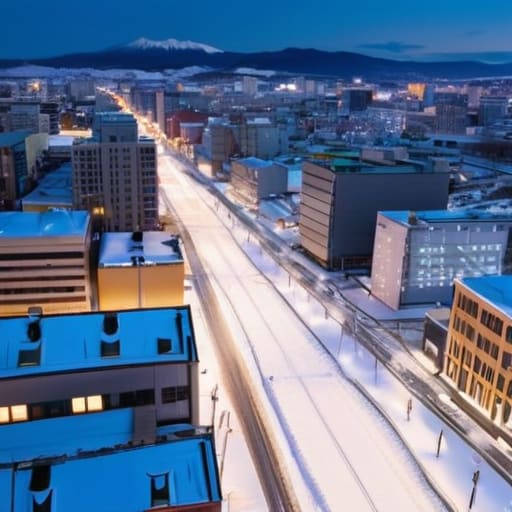
When I look at the skyline from a distance, I see more than just concrete; I see the deliberate, sometimes cautious, evolution of urban development in Hokkaido. Unlike the frantic, vertical expansion of Tokyo, Sapporo feels like it was built with a sense of spatial respect. There is a horizontal breadth to the city that reflects its relationship with the surrounding wilderness. You can see the logic in the grid systems—a structured response to the necessity of movement during the heavy snow months. It is a city that has learned to balance its growing infrastructure with the realities of Hokkaido seasonal living, ensuring that as the buildings rise, the city doesn’t lose its ability to breathe under a blanket of white.
Lately, I’ve noticed a subtle shift in how the city’s outskirts are integrating with the core. It isn’t a sprawl of uncontrolled growth, but rather a series of calculated expansions that prioritize accessibility. Small, satellite hubs are emerging, creating a more decentralized flow that eases the pressure on the central districts. This careful calibration of living in northern Japan suggests a maturity in the city’s planning—a realization that true urban strength lies in resilience and connectivity rather than sheer density.
Observations from the Sidelines: Five Ways to Truly Experience Sapporo
- Learn the rhythm of the underground walkways. The Chikaho isn’t just a way to avoid the snow; it’s the city’s true circulatory system. If you watch the flow of commuters during the morning rush, you’ll see the precise, unspoken choreography that keeps this northern hub functioning without a hitch.
- Seek out the “Shime Parfait” culture in the evenings. While most cities wind down after dinner, Sapporo has this peculiar, beautiful habit of ending the night with a sophisticated parfait rather than just more alcohol. It’s a quiet, refined ritual that tells you more about the local temperament than any guidebook could.
- Don’t just look at the landmarks; look at the utility poles and the way the snow is cleared from the narrowest side streets. The efficiency of Sapporo’s winter maintenance is a masterclass in urban logistics. There is a profound, quiet dignity in how the city manages the weight of its own climate.
- Carry a physical map or a notebook, even if you have a smartphone. The grid layout of Sapporo is logical and clean, but you miss the subtle shifts in neighborhood character—the way a block transitions from commercial bustle to residential stillness—if you’re staring at a blue dot on a screen.
- Use the late-night streetcars to observe the city’s edges. As the main subway lines quiet down, the trams offer a slower, more granular view of the urban landscape. It’s in these moments, watching the lights of a lonely convenience store blur past the window, that you actually feel the scale of the city.
The Essence of the Sapporo Experience
True understanding of the city comes not from the grand landmarks, but from mastering the rhythmic flow of its transit lines and observing how the urban landscape shifts between the bustling hubs and the silent, snow-dusted periphery.
To find the city’s genuine character, one must look past the polished surface of development and seek out the functional, quiet corners where the local pulse is most palpable.
A successful journey through Sapporo requires a logistical patience—a willingness to slow down, observe the details most travelers overlook, and appreciate the steady, organized breath of a city built for both efficiency and endurance.
The Geometry of the Grid
“Most people see Sapporo as just another planned city, a rigid grid of wide avenues and functional blocks, but they miss the way the life actually flows through it—in the deliberate pauses between the subway stops and the way the architecture yields to the snow, creating these small, sheltered pockets of stillness amidst the urban machinery.”
Rurik Salonen
The Quiet Geometry of a Northern City
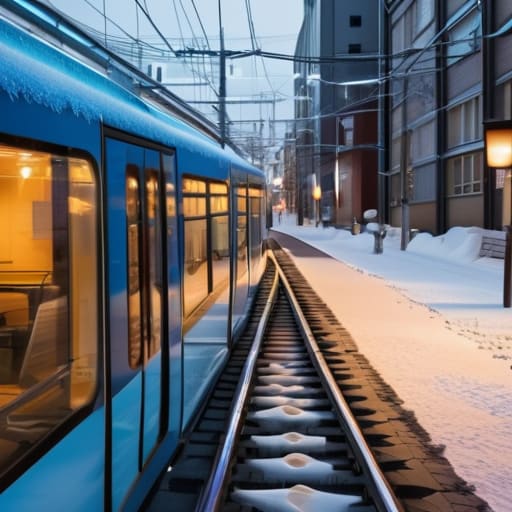
Looking back at the layers we have peeled away, it becomes clear that Sapporo is more than just a collection of transit lines and planned grids. It is a city defined by its ability to balance meticulous logistical efficiency with a surprising, human softness. From the way the subway lines weave through the frost-covered streets to the subtle shifts in how the urban landscape adapts to the weight of Hokkaido’s winters, there is a constant, silent dialogue happening between the architecture and the people. You see it in the way a commuter pauses at a station or how a small alleyway manages to feel entirely separate from the bustling commercial districts nearby. It is this delicate equilibrium that makes the city’s rhythm so unique.
As I sit here, sketching the intersection of a local street in my notebook, I am reminded that the true essence of a place isn’t found in its grandest landmarks, but in its unseen transitions. Sapporo doesn’t demand your attention with loud, neon-soaked spectacles; instead, it invites you to slow down and observe the way it breathes through its seasons and its systems. If you approach this city with a bit of patience and a keen eye, you will find that the most profound stories are often told in the quietest moments. Don’t just move through the city—let the city move through you.
Frequently Asked Questions
How do the heavy winter snowfalls impact the daily logistics and efficiency of the subway and bus networks?
The snow doesn’t just change the scenery; it recalibrates the entire city’s metabolism. While the subway remains a reliable, insulated artery, the surface bus networks face a constant battle against the drifts. You see it in the slight, rhythmic delays and the extra caution drivers take on the turns. It’s a fascinating logistical dance—the city doesn’t stop, but it shifts into a slower, more deliberate gear to maintain its flow.
Where can one find those small, quiet pockets of the city that haven't been altered by recent urban development?
To find them, you have to look away from the main thoroughfares of Odori. I find myself drifting toward the residential fringes of the Chuo Ward or the older, winding streets near Maruyama. There, the concrete gives way to something more textured. You’ll find small, weathered shrines or tiny, family-run kissaten tucked between modern buildings. They aren’t flashy, but they possess a stillness that the newer developments simply haven’t learned how to replicate yet.
Beyond the main transit hubs, what are the best ways to navigate the smaller, more residential neighborhoods on foot?
To truly grasp the texture of Sapporo, you have to abandon the map and let your feet do the work. Once you leave the main arteries of Odori, the city reveals itself through a labyrinth of narrow, residential lanes. I find that walking is the only way to notice the subtle shifts—the way a quiet corner opens into a tiny neighborhood shrine or a single, well-tended garden. Just keep an eye on the slope; the city’s topography demands steady footing.
