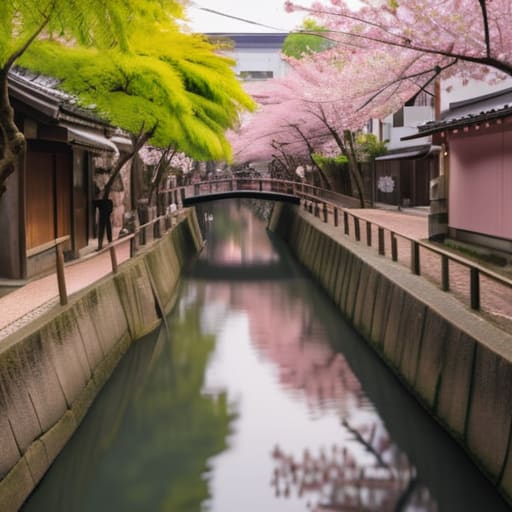
Most people approach the Nakameguro canal walk with a misplaced sense of expectation, treating it like a curated museum exhibit or a backdrop for a social media feed. They descend upon the area during cherry blossom season, fighting through a suffocating tide of crowds, only to find that the “magic” they were promised is buried under layers of commercial noise and overpriced coffee. I’ve spent my life analyzing the flow of systems, and quite frankly, watching people miss the point of this place is exhausting. They are so busy looking for the perfect shot that they fail to notice how the water actually dictates the movement of the neighborhood.
I have no interest in selling you a postcard fantasy. Instead, I want to show you how to navigate this stretch of Tokyo with a bit more intention and a lot less friction. My goal is to guide you away from the frantic main arteries and toward the quiet, functional beauty of the side streets that make the nakameguro canal walk truly worth your time. We will focus on the unseen rhythms of the district—the small, steady details that reveal how the city actually breathes when you stop trying to perform for it.
Table of Contents
Seeking Solitude Amidst the Meguro River Sakura Season
Seeking Solitude Amidst the Meguro River Sakura Season
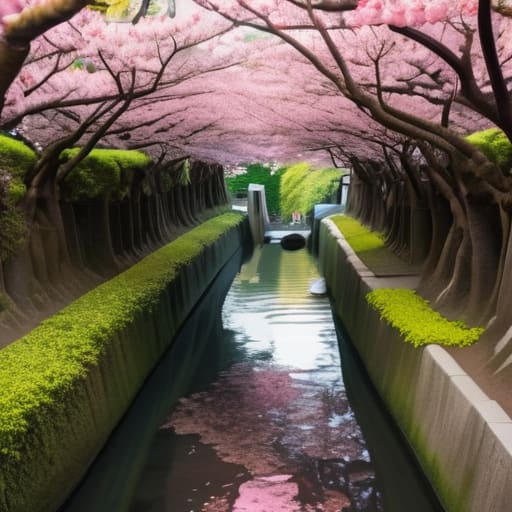
Most people arrive at the river with a singular, frantic goal: to capture the perfect shot of the pink canopy. During the peak of the meguro river sakura season, the main thoroughfares become a logistical bottleneck of selfie sticks and shouting crowds. I find that if you want to actually feel the presence of the trees rather than just witness the spectacle, you must move against the current. I often find myself retreating to the smaller, secondary tributaries or the narrow residential alleys that branch off the main path. It is in these quieter pockets that the true rhythm of the season reveals itself, away from the neon lights and the noise.
If you are planning your own tokyo cherry blossom viewing, I suggest arriving just as the sun begins to dip, but steer clear of the primary bridges. Instead, look for the small, stone-stepped paths that lead toward the quieter residential zones. There is a profound, steady beauty in watching the petals drift onto empty pavement, undisturbed by the rush of the crowds. To me, the city is most honest when it is at rest.
The Best Time to Visit Nakameguros Quietest Hours
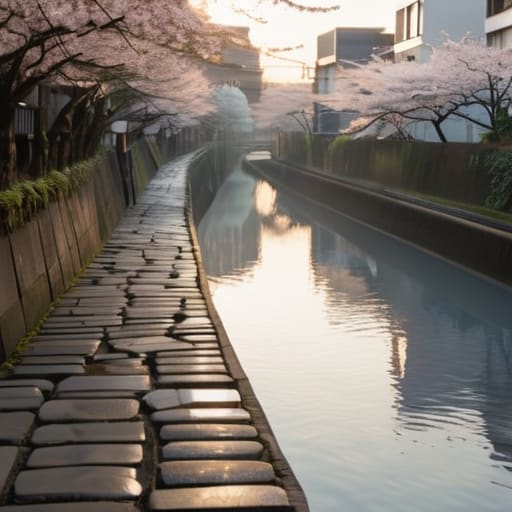
If you are looking for the soul of the district, you must learn to read its clock. Most travelers arrive in the late afternoon, chasing the golden hour, but they often find themselves caught in a tide of people rather than a moment of reflection. To truly understand the flow of this area, the best time to visit nakameguro is during the early morning, just as the first light hits the water. There is a specific, fragile stillness around 7:00 AM when the only sound is the rhythmic hum of a distant train and the soft footsteps of local commuters.
During the peak of the meguro river sakura season, the crowds become a logistical nightmare, making it nearly impossible to find a moment of genuine connection with the landscape. If you must visit during the bloom, I suggest timing your arrival for the late evening, once the main surge of tourists has retreated. While the lanterns provide a beautiful glow, the true magic lies in the diminishing echoes of the day. It is in these transitional hours—the quiet gaps between the rush—that the city finally begins to breathe.
Logistical Nuances for a Seamless Walk
- Avoid the main thoroughfares during peak hours; instead, look for the smaller, intersecting alleyways that run parallel to the water. These side paths offer a much clearer view of the local architecture without the constant shoulder-to-shoulder friction of the crowds.
- Bring a physical map or a well-noted notebook. While GPS is convenient, the true character of Nakameguro is found in the way the streets curve and taper unexpectedly, details that a digital screen often obscures.
- Time your transit to arrive at Nakameguro Station via the Toyoko Line rather than the Hibiya Line if you want to avoid the heaviest commuter surges. A little extra walking from a slightly quieter station can change the entire tempo of your afternoon.
- Pack light but carry essentials. I find that a single, sturdy bag is best; you want your hands free to adjust your camera lens or to steady yourself as you navigate the uneven stone steps near the water’s edge.
- Observe the rhythm of the local shopkeepers. If you see a small cafe or a boutique beginning to wind down its midday service, that is often the best moment to slip inside and find a quiet corner to sit and observe the street life without feeling like an intruder.
Observations from the Canal Path
Avoid the midday rush; the true character of the canal is found in the early morning light, before the crowds disrupt the area’s natural flow.
Look beyond the cherry blossoms to find the small, functional details—the narrow alleyways and tucked-away cafes—that give the neighborhood its structural soul.
Use the transit connections to your advantage, treating the walk not as a destination, but as a rhythmic transition between the city’s busier hubs.
The Logistics of Serenity
Most people see the Nakameguro canal as a mere backdrop for a photograph, but if you watch the way the light hits the water between the crowds, you realize it is actually the city’s most delicate artery—a narrow, breathing space that proves even the most dense urban machine needs a moment of stillness to function.
Rurik Salonen
The Quiet Geometry of Nakameguro
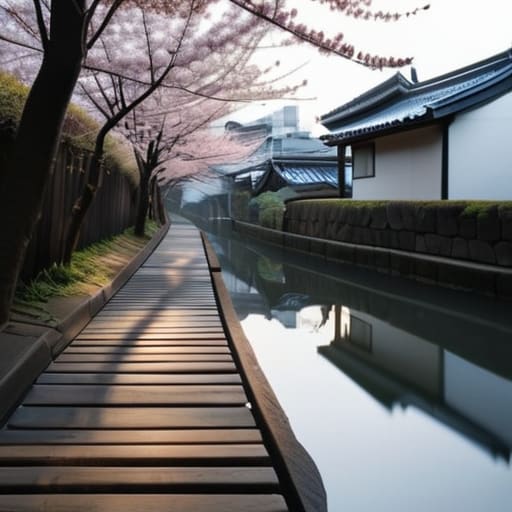
As I sit here, sketching the bend of the canal in my notebook, I am reminded that Nakameguro is more than just a seasonal spectacle. We have explored how to bypass the frantic energy of the peak cherry blossom crowds and how to find those essential pockets of stillness during the early morning hours. Whether you are navigating the narrow alleyways or watching the light shift across the water, the key is to approach the canal not as a tourist, but as an observer of its natural flow. It is about recognizing that the true value of this walk lies in the deliberate pace you set for yourself.
Ultimately, my time spent along these banks has reinforced a long-held belief: a city’s true character isn’t found in its grandest landmarks, but in the way its smallest arteries function. Nakameguro teaches us that even in the heart of a sprawling metropolis, there is always room for a moment of reflection if you are willing to look closer. Don’t just walk through the space; learn to listen to its rhythm. When you stop rushing to the next destination, you finally begin to see how the city actually breathes.
Frequently Asked Questions
Are there specific side streets or smaller tributaries off the main canal that offer even more seclusion from the crowds?
If you find the main canal too much of a logistical bottleneck, steer your compass toward the narrow veins of the Meguro district. I often find myself drifting away from the primary artery toward the smaller, unnamed tributaries that snake through the residential blocks near Daikanyama. These side streets lack the grand spectacle, but they offer something better: a chance to observe the city’s true cadence without the friction of the crowds.
How does the accessibility of the canal path change during heavy rainfall or the peak of the rainy season?
When the skies open up, the canal’s character shifts entirely. During the rainy season, the narrow walkways can become slick and treacherous; the concrete paths often collect puddles that make steady footing difficult. More importantly, the water level rises, obscuring the delicate low-lying banks. I find it best to avoid the path during heavy downpours. The logistical reality is that the charm of the canal is lost to the grey, heavy humidity.
Which specific analog film stocks or lighting conditions do you find best capture the interplay of shadows and water along the canal?
For the interplay of light on the water, I lean heavily on Kodak Portra 400. Its latitude allows me to preserve detail in those deep, structural shadows cast by the overhanging trees without losing the subtle reflections on the surface. If I’m shooting during the blue hour, I’ll switch to Fujifilm Superia; the slight green undertones lend a quiet, cinematic melancholy to the canal that digital sensors often struggle to replicate.
