Category: Travel

  • Best Views of the Tokyo Skyline

    Best Views of the Tokyo Skyline

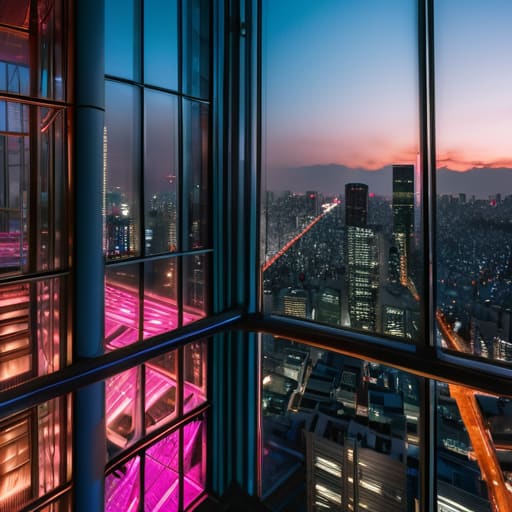
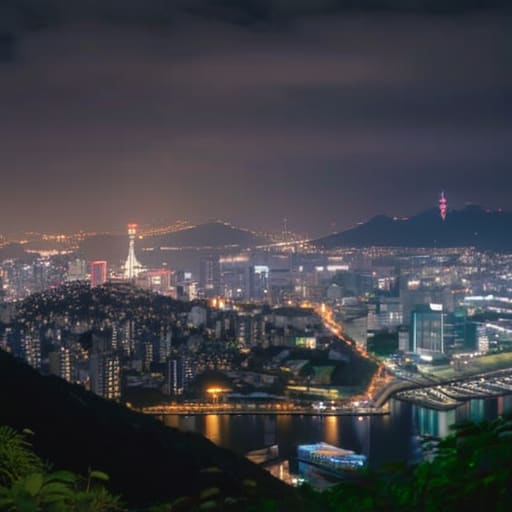
    Most tourists will point you toward a glass-walled observation deck in Roppongi, promising a “spectacular” panorama for a hefty entrance fee. They sell you a sterilized, postcard version of the city that feels more like a showroom than a living organism. But if you’re looking for the real tokyo skyline views, you won’t find them behind a velvet rope or a crowded elevator queue. I’ve spent decades analyzing how systems move, and I can tell you that the city’s true scale is best understood from the unpolished edges—the elevated walkways and the quiet, mid-level transit hubs where the architecture actually meets the street.

    I have no interest in chasing the hype or the most “Instagrammable” spots that everyone else is fighting over. Instead, I want to show you how to find the city’s horizon through a lens of functional beauty. In this guide, I’ll share the specific, understated locations where you can sit with a notebook, watch the light change over the concrete sprawl, and actually feel the rhythm of the metropolis. This isn’t a list of monuments; it is a map to the quiet corners where the view finally makes sense.

    Table of Contents

    The Great Vertical Debate Tokyo Tower vs Skytree Comparison

    The Great Vertical Debate Tokyo Tower vs Skytree Comparison

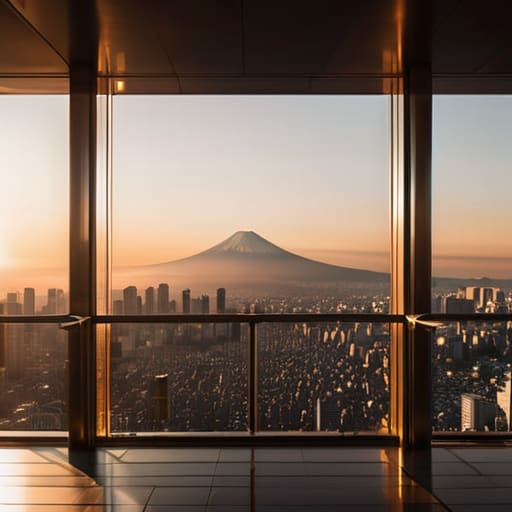
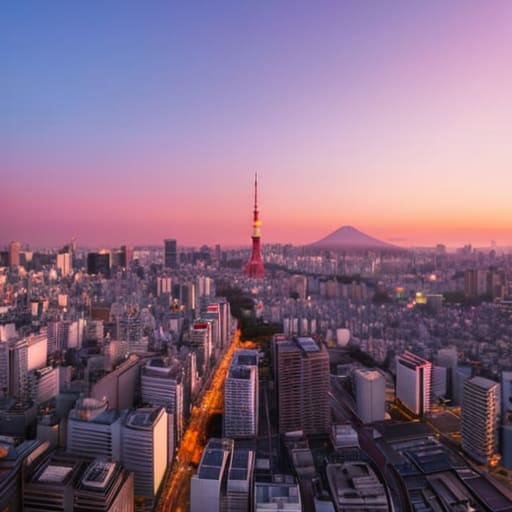
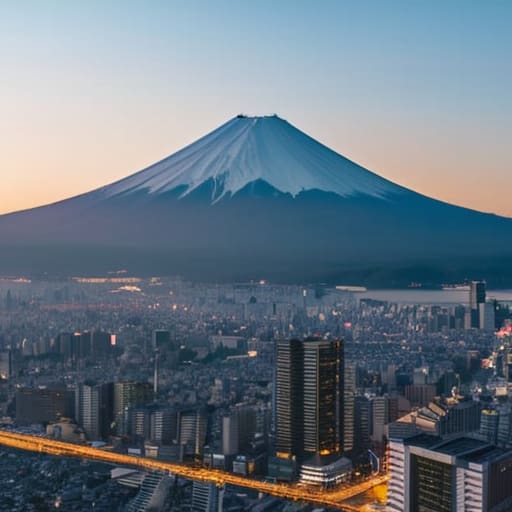
    When it comes to the Tokyo Tower vs Skytree comparison, the choice isn’t really about height—it’s about the emotional frequency of the view. The Skytree is a marvel of modern engineering, a needle piercing the clouds that offers a clinical, almost god-like perspective of the Kanto Plain. From that altitude, the city looks like a sprawling circuit board. If you are hunting for clear Mount Fuji visibility from Tokyo on a crisp morning, the Skytree is your logical destination. It is efficient, vast, and undeniably impressive in its scale.

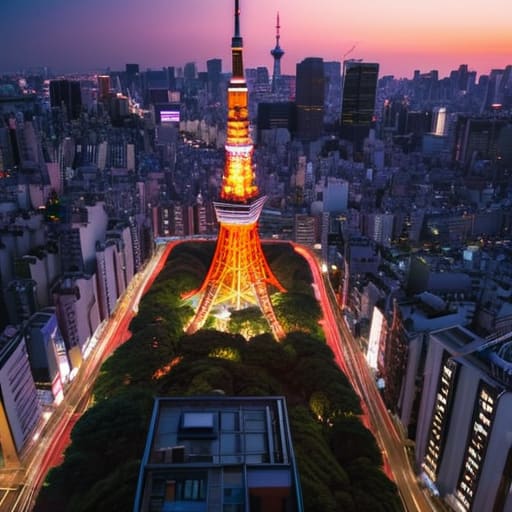
    However, my preference has always leaned toward the warmer, more nostalgic glow of Tokyo Tower. There is something about its orange lattice that feels more human, more grounded in the city’s history. While the Skytree dominates the horizon, the Tower sits nestled within the urban fabric, providing a view that feels integrated rather than detached. For those seeking the best time for sunset views in Tokyo, I find the Tower offers a more intimate transition from day to night. One is a feat of logistics; the other is a piece of the city’s beating heart.

    Chasing the Golden Hour Best Time for Sunset Views Tokyo

    Chasing the Golden Hour Best Time for Sunset Views Tokyo

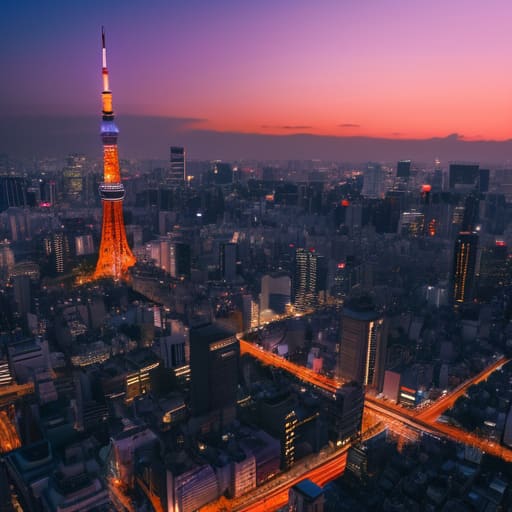
    Timing is everything when you’re trying to capture the city’s transition from day to night. If you are looking for the best time for sunset views Tokyo, you cannot simply show up when the sun begins to dip. You need to be positioned at least forty-five minutes prior. This allows you to witness the “blue hour”—that fleeting moment when the sky deepens into a heavy indigo and the first artificial lights begin to flicker on, creating a sharp, geometric contrast against the fading natural light.

    For those of us who prefer a more grounded perspective, I often skip the crowded observation decks in favor of finding specific night photography spots Tokyo offers in the quieter pockets of the city. I’ve found that the light behaves differently depending on your elevation. While the massive towers offer a panoramic sweep, standing on a mid-level terrace or a quiet rooftop allows you to see the way the shadows stretch across the concrete canyons of Shinjuku. It is in this specific window of time that the city stops being a collection of buildings and starts feeling like a single, living organism breathing through its neon arteries.

    Practical Logistics for the Observant Traveler

    • Skip the high-altitude tourist traps during peak hours. If you want to actually see the city rather than the back of someone’s head, aim for mid-week mornings or late evenings when the crowds thin out and the light settles.
    • Keep a physical map or a hand-drawn sketch in your notebook. Digital maps are efficient, but they don’t help you understand the topography of the skyline; knowing which districts sit on higher ground will tell you exactly where to look for the best vantage points.
    • Look for “viewing windows” in unexpected places. Many high-rise office buildings or even certain department stores in Shinjuku and Marunouchi have quiet, overlooked windows that offer a more grounded, unvarnished perspective than a polished observation deck.
    • Carry a lightweight tripod or a steady hand. If you’re shooting on film, the transition from twilight to night is a logistical challenge; you need to be prepared for the rapid shift in light levels to capture the city’s glow without losing the structural detail.
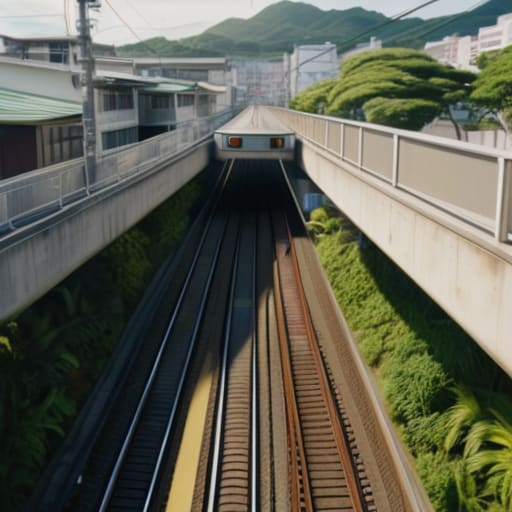
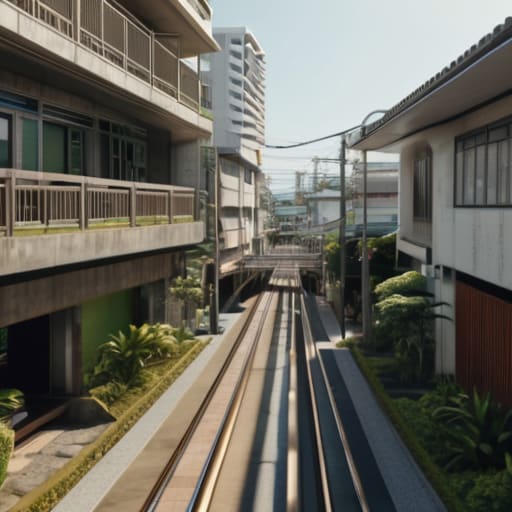
    • Use the transit system to your advantage. Instead of traveling to a single landmark, identify stations that sit on elevated tracks or near major interchanges. Sometimes the most profound view of the skyline is the one you catch through a train window as you cross a bridge.

    Beyond the Observation Decks: My Practical Findings

    Don’t mistake height for perspective; while the Skytree offers scale, the true character of the city is often better captured from mid-level vantage points where the street-level rhythm is still visible.

    Timing your ascent is a logistical necessity, not just a suggestion—aiming for the transition between golden hour and twilight allows you to see how the city’s functional layers shift from sunlight to neon.

    The most meaningful views aren’t always found in ticketed skyscrapers, but in the quiet, overlooked corners of transit hubs and public spaces that offer a more honest look at Tokyo’s sprawling anatomy.

    The View Beyond the Glass

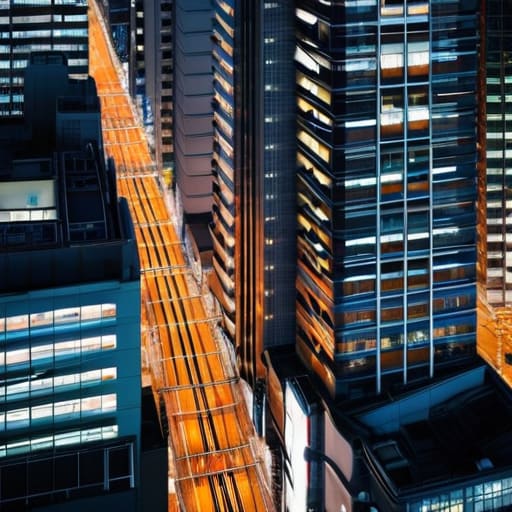
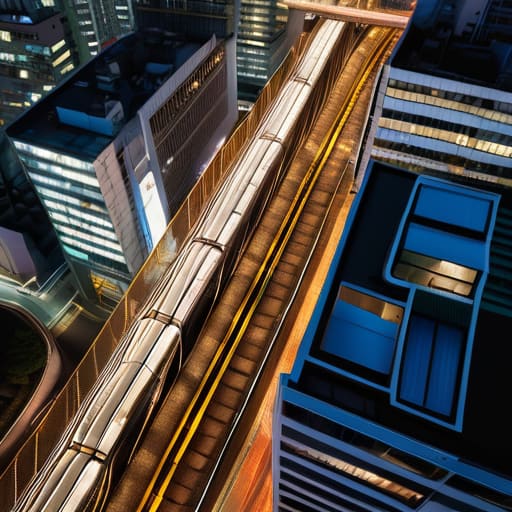
    Most people look for a skyline through a telescope or a high-altitude window, but if you want to see the true architecture of Tokyo, you have to look at how the lights of the skyscrapers bleed into the dark arteries of the rail lines below; that is where the city’s real geometry lives.

    Rurik Salonen

    Beyond the Viewfinder

    Tokyo sunset views Beyond the Viewfinder.

    Ultimately, finding the perfect vantage point in Tokyo is less about the height of the building and more about the timing of the light. Whether you find yourself weighing the nostalgic, crimson glow of Tokyo Tower against the sheer, modern scale of the Skytree, or you are timing your ascent to catch that fleeting moment when the sun dips below the horizon, the goal remains the same. It is about choosing a perspective that aligns with your own pace. You don’t need to conquer every observation deck to understand this city; sometimes, the most profound views are found when you stop competing with the crowds and simply observe the transition from daylight to neon.

    As I sit here, closing my notebook and watching the last of the twilight fade into the sprawl, I am reminded that a skyline is a living, breathing organism. It is a complex network of movement, light, and shadow that never truly sleeps. Don’t get caught up in the pursuit of the “perfect” photograph or the most famous landmark. Instead, look for the places where the city feels most honest—where the grid of the streets meets the soft blur of the evening haze. If you look closely enough, you will realize that Tokyo doesn’t just show you its beauty; it invites you to witness its quiet, rhythmic soul.

    Frequently Asked Questions

    Are there any specific rooftop gardens or public spaces that offer a view without the heavy price tag of a dedicated observation deck?

    If you want to bypass the ticket booths, look toward the civic spaces. The Tokyo Metropolitan Government Building in Shinjuku offers two observation decks for free—it’s a logistical marvel of public accessibility. For something more intimate, I often find myself at the rooftop garden of Shibuya Sky’s lower levels or the quiet terraces of various department stores in Ginza. They offer a dignified view of the urban sprawl without the commercial noise.

    Which transit lines or specific station exits provide the most seamless access to these elevated vantage points?

    If you’re looking for efficiency, don’t waste time wandering the surface. For the Skytree area, aim for the Oshiage Station exits; the integration between the Hanzomon and Asakusa lines makes the ascent almost seamless. When heading toward the Shinjuku skyline, the West Exit of Shinjuku Station is your best bet—it’s a bit of a labyrinth, but it puts you directly in the flow of the high-rises without unnecessary detours.

    How much does the seasonal haze or humidity affect the clarity of the skyline when planning a photography session?

    If you’re planning a shoot, you have to account for the atmosphere. In the summer, the humidity is thick; it creates a heavy, milky haze that softens the skyline, making everything feel somewhat claustrophobic. It’s beautiful for certain moods, but clarity is lost. Personally, I wait for the crisp, dry air of late autumn or winter. That’s when the visibility is sharpest, allowing the distant outlines of the mountains and skyscrapers to cut through the air with surgical precision.

  • Visiting the Ikebukuro District

    Visiting the Ikebukuro District

    I was standing on the platform of the Yamanote Line last Tuesday, watching a sea of salarymen surge toward the gates, and I realized that most people completely misunderstand ikebukuro urban life. They see the towering department stores and the neon-drenched chaos of Sunshine City and assume it is just another loud, commercialized hub designed to drain your wallet and your patience. But if you only look at the bright lights, you are missing the actual mechanics of the district. To the untrained eye, it is just noise; to me, it is a complex, breathing organism that functions with a surprising, hidden precision.

    I am not here to give you a list of the trendiest cafes or the most expensive shopping malls. Instead, I want to show you how to navigate the friction of this neighborhood to find its quietest, most functional corners. I will guide you through the narrow alleyways and the rhythmic transit patterns that define the true essence of ikebukuro urban life, focusing on the small, steady details that most travelers simply walk right past. Let’s look past the hype and see how this city actually moves.

    Table of Contents

    The Rhythms of the Ikebukuro Station Transit Hub

    The Rhythms of the Ikebukuro Station Transit Hub.

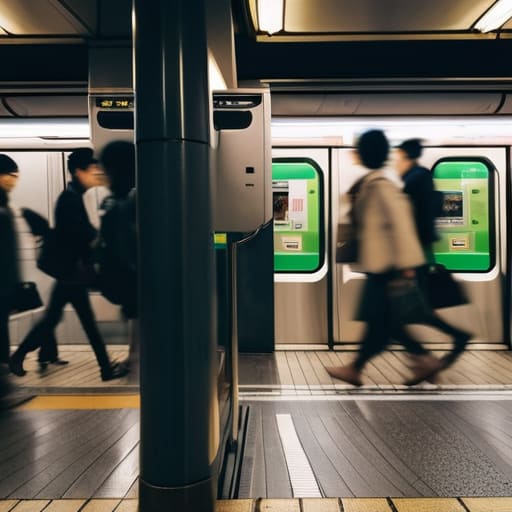
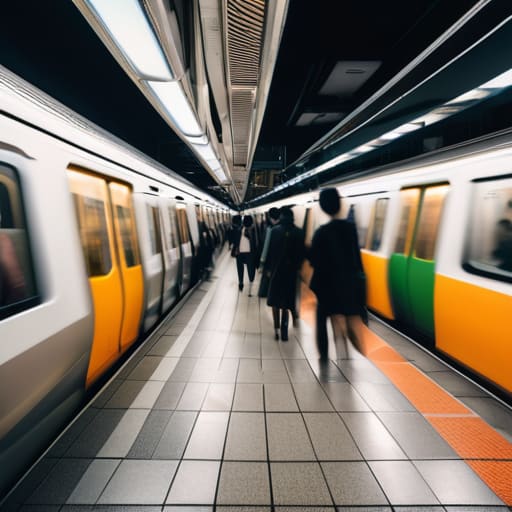
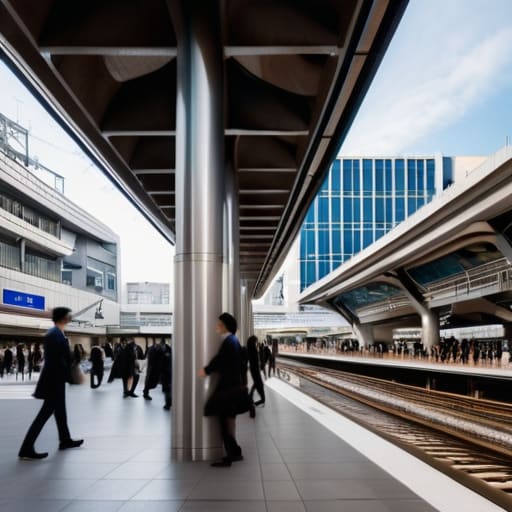
    To understand the scale of this place, one must stand at the center of the ikebukuro station transit hub during the morning rush. It is a massive, interlocking machine of steel and human intent. I often find myself leaning against a pillar, notebook in hand, watching the synchronized chaos of the Yamanote and Saikyo lines. There is a specific, mechanical grace to how thousands of commuters navigate the labyrinthine corridors without colliding; it is a testament to the city’s unspoken social contracts.

    Once the initial surge of the workday subsides, the energy shifts from efficiency to a different kind of momentum. The station acts as a funnel, drawing people toward the massive shopping malls in ikebukuro or deeper into the neon-lit veins of the district. While many flock to the more famous subculture and pop culture trends found in the nearby anime hubs, I prefer to watch the transition of the crowd itself. You can see the city change its skin in real-time, moving from the rigid discipline of the salaryman to the restless, vibrant pulse of the evening.

    Beyond Sunshine City Attractions Finding the Citys Breath

    Beyond Sunshine City Attractions Finding the Citys Breath

    Most visitors find themselves pulled toward the gravitational center of the Sunshine City attractions, lost in the neon-lit spectacle of the massive shopping malls in Ikebukuro. It is understandable; the scale is designed to overwhelm. But if you step just two or three blocks away from that polished commercial surface, the air changes. The frantic energy of the crowds thins out, replaced by the scent of toasted sesame and the muffled sounds of a neighborhood actually living its life.

    I often find myself wandering into the narrow side streets where the influence of subculture and pop culture trends begins to feel more organic and less manufactured. You see it in the small, specialized hobby shops and the quiet cafes that cater to the local Ikebukuro otaku culture. These aren’t just tourist stops; they are the connective tissue of the district. Here, the city stops performing for the cameras and begins to breathe in its own idiosyncratic rhythm, revealing a layer of authenticity that no guidebook can truly capture.

    Practical Observations for Navigating the Ikebukuro Maze

    • Don’t rely solely on the digital maps when the crowds thicken; instead, look for the overhead signage and the natural flow of the commuters. In a station as complex as this, the most efficient path is often found by observing the direction of the collective movement rather than fighting against it.
    • If you find the neon glare of the main thoroughfares overwhelming, seek out the “shotengai” or covered shopping streets. These narrow arteries offer a more human scale to the urban sprawl, providing a shaded, rhythmic walk that feels much more grounded than the towering glass of the commercial districts.
    • Timing is your most valuable asset in Ikebukuro. To truly observe the city without being swept away by it, aim to explore the smaller side streets during the mid-morning lull, after the salarymen have reached their desks but before the student crowds descend in the late afternoon.
    • Carry a physical notebook and a pen, even if you think your phone is enough. There is a specific kind of spatial logic to Ikebukuro’s multi-level layout that is better captured through a quick hand-drawn sketch or a written note than a frantic series of screenshots.
    • Embrace the verticality of the neighborhood. Many of the most interesting, quiet moments—a small shrine, a tiny coffee shop, or a view of the skyline—are tucked away on the third or fourth floors of unassuming buildings, just one flight of stairs away from the urban chaos.

    Lessons from the Ikebukuro Grid

    True urban understanding requires looking past the neon-lit commercial centers to observe the seamless, almost invisible choreography of the transit networks that sustain them.

    The soul of a district isn’t found in its major landmarks, but in the quiet, functional spaces—the narrow alleys and side streets—where the frantic pace of the commuter rush finally subsides.

    To navigate a city like Tokyo effectively, one must learn to appreciate the tension between its massive, high-pressure hubs and the small, breathing pockets of stillness tucked within the logistics of the sprawl.

    The Logistics of Soul

    Most people see Ikebukuro as a frantic collision of neon and crowds, but if you watch the way the commuters flow through the turnstiles and where the narrow streets finally break into stillness, you realize the chaos isn’t accidental—it is the very heartbeat of a city that never stops breathing.

    Rurik Salonen

    The Quiet Logic of the Concrete Maze

    The Quiet Logic of the Concrete Maze.

    As I close my notebook and prepare to navigate my way back toward the Yamanote line, I find myself reflecting on the sheer complexity of this district. Ikebukuro is often dismissed as a mere collection of shopping malls and loud, neon-lit corridors, but to look closer is to see a masterpiece of logistical precision and human habit. We have looked past the superficial glare of the commercial hubs to find the true character of the area: the way the massive transit hub functions as a living, breathing organism, and how the narrow side streets offer a necessary sanctuary from the relentless pace of the center. It is in these unseen transitions—the shift from the roar of the station to the hush of a residential alleyway—that the city’s true identity resides.

    For those who travel with intention, Ikebukuro serves as a reminder that no urban space is monolithic. If you allow yourself to step off the beaten path and ignore the frantic pull of the major attractions, you will discover that the city is not something to be conquered, but something to be observed with patience. Do not merely pass through these streets; let them teach you their rhythm. The beauty of urban life isn’t found in the grand monuments, but in the quiet, functional grace of a city that knows exactly how to keep moving, even when the world around it seems to be standing still.

    Frequently Asked Questions

    How do the different neighborhoods surrounding the station change in character once the commuters head home?

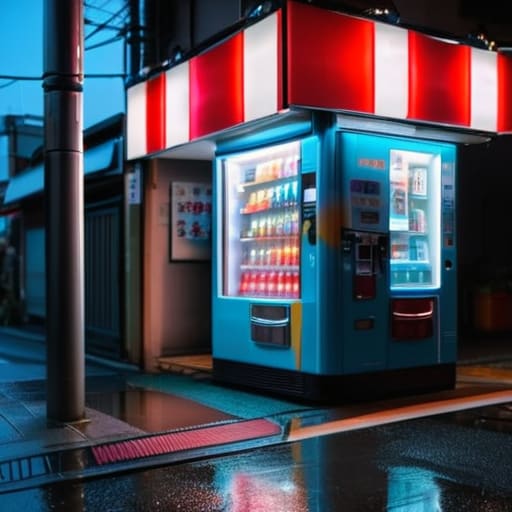
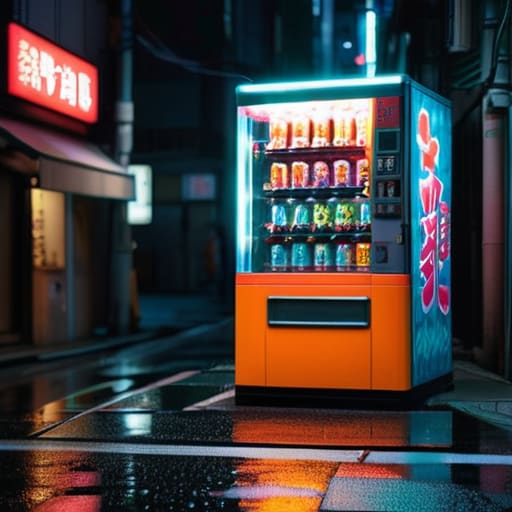
    Once the rush hour tide recedes, the character of the surrounding blocks shifts almost instantly. Near the station, the neon-soaked commercial zones remain loud, fueled by late-night diners and shoppers. But as you walk just ten minutes toward the residential fringes, the atmosphere settles. The frantic energy of the transit hub gives way to a softer, more intimate rhythm—the hum of vending machines and the quiet clinking of glassware from small, neighborhood izakayas.

    Where can one find the most reliable quiet spots to sit and observe the city without being caught in the main tourist flow?

    If you want to escape the frantic current of the station, head toward the residential fringes of the North Exit. I often find myself tucked into the corner of a small, independent kissaten—the kind with heavy curtains and the scent of dark roast. Alternatively, look for the smaller neighborhood shrines nestled between apartment blocks; they offer a stillness that the main thoroughfares simply cannot afford. It is there, in the margins, that the city truly reveals itself.

    What are the best ways to navigate the complex maze of Ikebukuro’s underground walkways without losing one's sense of direction?

    The underground is a logistical puzzle, not a labyrinth. My advice? Stop fighting the flow. Instead of staring at your phone, look up. Watch the way the floor tiling changes or how the overhead signage shifts from transit directions to retail. I find it best to pick a single anchor—a specific department store entrance or a landmark exit—and orient myself to it. If you feel lost, rise to the surface. The street level is the only true compass.

  • Shopping in Koenji

    Shopping in Koenji

    Most travelers arrive in Tokyo with a checklist of neon-lit landmarks and towering skyscrapers, but they often miss the city’s actual heartbeat. They seek the grand spectacle, yet they overlook the quiet, rhythmic life that exists in the residential pockets between the major hubs. To truly understand the local character, you have to step off the main thoroughfares and wander into the narrow, sun-dappled streets of the western wards. This is where I find my best subjects for film photography, particularly when navigating the labyrinthine alleys of Koenji. Finding the right koenji vintage shops isn’t just about a quick shopping trip; it is about navigating a specialized ecosystem of curated history and secondhand soul that most tourists simply walk right past.

    In the following notes, I’ve distilled my recent wanderings into five specific locations that represent the true essence of the neighborhood. I won’t be pointing you toward the flashy, overpriced boutiques designed for social media feeds. Instead, I am sharing a curated selection of shops that offer a sense of functional beauty and genuine character. By the time you finish reading this, you will have a roadmap to the most meaningful corners of the district, allowing you to find pieces of the past that feel entirely your own.

    Table of Contents

    The Curated Calm of Flamingo

    The Curated Calm of Flamingo vintage shop.

    There is a specific kind of efficiency in how Flamingo organizes its chaos. Unlike the cluttered dens you might expect in this neighborhood, this shop feels like a well-oiled machine, where every piece of Americana and vintage denim has its rightful place. I often find myself standing near the entrance just to observe the flow of customers; it is a study in how style can feel both effortless and highly intentional.

    Sifting Through Soul at Kinji

    Sifting Through Soul at Kinji labyrinth.

    If Flamingo is the precision of the neighborhood, Kinji is its raw, unbridled energy. It is a massive, sprawling labyrinth that requires a certain amount of logistical patience to navigate. You don’t just walk into Kinji; you embark on an expedition. I usually bring my notebook here, not to sketch, but to keep track of the sheer volume of inventory that seems to shift with every passing hour.

    The Quiet Craft of Chicago

    The Quiet Craft of Chicago boutique interior.

    Tucked away from the main thoroughfares, Chicago offers a much more intimate experience. The lighting is dim, the air is still, and the selection feels deeply personal, as if the owner has hand-picked every item based on a very specific aesthetic philosophy. It is the kind of place where the noise of the Chuo Line feels miles away, replaced by the soft rustle of high-quality cotton and silk.

    Retro Echoes at New York Joe Exchange

    You cannot talk about the Koenji ecosystem without mentioning New York Joe Exchange. It functions much like a marketplace of ideas, where the cycle of consumption is constantly being renegotiated. There is a restless rhythm to this shop; it is a hub where subcultures collide, and the inventory reflects the diverse, often eccentric, tastes of the local youth.

    Timeless Textures at Small Finds

    There is a small, unassuming shop near the tracks that I have come to rely on during my afternoon walks. It doesn’t shout for your attention with neon signs or massive window displays; instead, it waits for the discerning eye to wander in. The selection is modest, but the curation is impeccable, focusing on pieces that possess a certain structural integrity.

    Reflections on the Koenji Hunt

    Don’t aim for a checklist; allow yourself the luxury of getting lost in the side streets, as the best finds rarely sit on the main thoroughfares.

    Look past the curated storefronts and pay attention to the texture of the shops tucked under the railway tracks—that is where the real history of the neighborhood lives.

    Patience is your most valuable tool; the soul of Koenji isn’t found in a quick transaction, but in the slow process of observing how these spaces breathe.

    The Texture of Time

    “In the curated boutiques of Ginza, you buy a brand; but in the cramped, dust-mote-filled corners of Koenji, you find a history. There is a certain logistical honesty in a well-worn denim jacket or a faded film camera—they aren’t just objects, they are the tangible remains of lives lived before our own.”

    Rurik Salonen

    The Rhythms of Koenji

    Navigating the labyrinthine streets of Koenji requires more than just a map; it requires a willingness to let the tide of old denim and faded silk pull you in. From the curated precision of the high-end boutiques to those dusty, treasure-filled corners hidden beneath the overhead train tracks, this neighborhood proves that style isn’t about the new, but about the enduring. We’ve looked at how each shop serves a different purpose in the local ecosystem, whether you are hunting for a specific era of Americana or simply seeking a piece of clothing that has already lived a full life. It is this interconnected web of history and commerce that gives the district its unique, unpretentious character.

    As I sit here at a small corner cafe, watching the commuters rush toward Shinjuku, I am reminded that the best way to experience a city is to slow down. The vintage shops of Koenji are more than just retail outlets; they are the quiet custodians of memory in an increasingly disposable world. Don’t be afraid to wander off the main thoroughfares or follow a scent of old leather down a narrow alleyway. You might not find a landmark, but you will certainly find the authentic pulse of the city. That is where the real journey begins.

    Frequently Asked Questions

    Is it worth trying to navigate Koenji's smaller shops during the weekend rush, or is it better to visit on a weekday morning?

    If you value the rhythm of the shop over the rush of the crowd, go on a Tuesday or Wednesday morning. During the weekend, the narrow alleys feel congested, and that quiet, contemplative atmosphere I look for gets lost in the noise. A weekday allows you to actually breathe, observe the textures of the vintage finds, and speak with the owners without feeling like you’re obstructing a human conveyor belt.

    How much cash should I actually carry when ducking into these smaller, more tucked-away vintage boutiques?

    Don’t rely on your phone or a sleek travel card here. In these narrow, dimly lit shops, the digital world often fades away. I’ve learned the hard way that many of the best finds—the ones tucked behind a heavy curtain or down a flight of stairs—only accept yen. I usually keep about 10,000 to 15,000 yen in loose bills on me. It’s better to have the weight in your pocket than to miss a perfect find because of a lack of coins.

    Are there specific areas near the station that are better for beginners, or should I just wander the back alleys to find the real gems?

    If you’re just starting out, stick to the main thoroughfares near the North Exit. The shops there are more organized and less intimidating. However, don’t stay on the main road too long. The real character of Koenji lives in the capillaries—those narrow, dim-lit alleys where the shops feel more like personal collections than businesses. My advice? Start on the main drag to find your bearings, then let yourself get lost. That’s where the soul is.

  • Exploring the Setagaya Neighborhood

    Exploring the Setagaya Neighborhood

    I was sitting at a small café near Sangenjaya last Tuesday, watching a young couple pore over real estate brochures with expressions of pure exhaustion. They were looking for that perfect, idealized version of setagaya residential life—the kind you see in glossy, airbrushed magazines that promise a seamless blend of luxury and tradition. But anyone who has actually spent time navigating these winding, narrow streets knows that the reality is far more complex than a brochure suggests. You don’t find the soul of this ward by looking at square footage or proximity to a department store; you find it in the way the light hits a residential alleyway at dusk or how the local Den-en-toshi line dictates the rhythm of a morning commute.

    I’m not here to sell you on a lifestyle fantasy or a list of overpriced amenities. My goal is to provide a logistical autopsy of what it actually means to live here. I will walk you through the functional realities of the neighborhood, from the efficiency of the transit nodes to the quiet, overlooked corners that make a house feel like a home. If you want the unvarnished truth about the mechanics of living in Setagaya, you’ve come to the right place.

    Table of Contents

    Tracing the Veins How Transit Shapes Setagaya Lifestyle and Amenities

    Tracing the Veins How Transit Shapes Setagaya Lifestyle and Amenities

    Tracing the Veins: How Transit Shapes Setagaya Lifestyle and Amenities

    I have always believed that if you want to understand a city’s circulatory system, you shouldn’t look at its skyscrapers, but at its rail lines. In Setagaya, the rhythm of life is dictated by the gentle hum of the Setagaya Line and the steady pulse of the Den-en-toshi Line. These aren’t just routes for commuters; they are the threads that stitch together various quiet residential areas in Tokyo. Unlike the frantic, high-speed energy of Shinjuku, the transit here feels intentional. It dictates a slower pace of life, where the distance between a home and a local station determines the character of the neighborhood.

    When observing the way people move through these stations, you begin to see why many consider this the pinnacle of living in Tokyo suburbs. The transit hubs act as natural anchors for community life; a station entrance often serves as the gateway to a cluster of small grocery stores, clinics, and bakeries. This logistical layout creates a seamless flow for families, making it one of the most sought-after Setagaya family friendly neighborhoods. The infrastructure doesn’t just move people; it fosters a sense of localized, manageable scale.

    The Quiet Truth of Setagaya Real Estate Trends

    When I look at the shifting landscape of property values in this ward, I don’t just see numbers on a spreadsheet; I see a slow, deliberate migration of people seeking stability. Lately, Setagaya real estate trends have pointed toward a distinct preference for older, more established blocks over the flashy, high-rise developments found in Minato or Shibuya. There is a palpable pull toward the periphery, where the density thins out just enough to let the sunlight hit the pavement differently.

    I’ve noticed that the demand isn’t driven by speculation, but by a desire for permanence. Many are looking for the kind of quiet residential areas Tokyo is famous for, prioritizing proximity to local parks and small, reliable grocery stores over proximity to a luxury mall. This shift makes the ward a magnet for those navigating the complexities of living in Tokyo suburbs while still needing that essential connection to the urban core. It’s a pragmatic choice, one that values the long-term rhythm of a neighborhood over the fleeting excitement of a central district.

    • Prioritize the “Walkability Radius” over proximity to the station. In Setagaya, the most charming pockets are often a ten-minute walk away from the main hubs; staying too close to the station can sometimes mean trading quietude for the constant, jarring friction of commuter foot traffic.
    • Study the topography before you sign a lease. This isn’t a flat, uniform expanse; the gentle slopes and sudden inclines of neighborhoods like Kamiumigaoka can change your daily experience of the city, especially when you’re carrying groceries or a heavy camera bag.
    • Map your local “third places.” A successful life here depends on finding your specific corner—the small coffee shop, the neighborhood laundromat, or the particular park bench—that serves as your anchor amidst the larger metropolitan flow.
    • Factor in the “Soundscape” of the transit lines. While the Den-en-toshi or Odakyu lines offer incredible connectivity, the rhythmic hum of the tracks is a constant. When viewing a property, sit in silence for a moment to understand how the local transit breathes against the walls of the building.
    • Look for the intersection of old and new. The most resilient residential pockets are those that maintain a balance between modern convenience and the remnants of the old shitamachi spirit; seek out streets where a sleek new apartment building sits comfortably next to a long-standing family grocery.

    The Setagaya Synthesis: Three Core Observations

    A neighborhood’s true value isn’t found in its square footage, but in its logistical rhythm—how seamlessly the local transit lines connect the quiet of a side street to the pulse of the city.

    Real estate here is a study in balance; the market favors those who understand that proximity to a station is a convenience, but proximity to a quiet, tree-lined alley is a luxury.

    To live in Setagaya is to accept a specific trade-off: you exchange the frantic, vertical energy of central Tokyo for a horizontal, breathing landscape that prioritizes stability over spectacle.
    The Geometry of Living

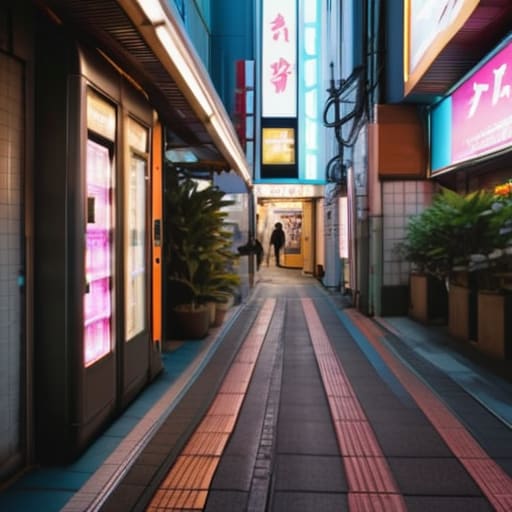
    “People often mistake Setagaya for a mere collection of residential zones, but if you look closer—past the convenience stores and the station exits—you see it is actually a masterclass in urban equilibrium, where the frantic energy of Tokyo is filtered through a series of quiet, rhythmic capillaries.”

    Rurik Salonen

    The Quiet Logic of Setagaya

    The Quiet Logic of Setagaya transit maps.

    Looking back at the data and the transit maps, it becomes clear that Setagaya isn’t just a collection of residential zones; it is a masterclass in functional equilibrium. We have seen how the rhythmic pulse of the Den-en-toshi and Setagaya lines provides the skeletal structure for the neighborhood, allowing for a lifestyle that balances high-speed connectivity with an almost stubborn refusal to succumb to urban sprawl. While the real estate market continues to reflect a steady, measured demand, the true value of this ward lies in its ability to maintain a human scale despite being tucked within the massive machinery of Tokyo. It is a place where the logistics of daily life—the commute, the grocery run, the walk to the local shrine—all seem to find a natural, unforced cadence.

    As I sit here sketching the intersection of a narrow lane and a station entrance, I am reminded that we often overlook the most important parts of a city by looking too far ahead. We search for the grand skyline, yet the soul of a place is found in its quiet, predictable rhythms. Setagaya teaches us that a successful urban environment doesn’t need to shout to be significant; it simply needs to work, to breathe, and to provide a sense of place for those willing to slow down and observe. If you are looking for a place to truly settle, don’t just look at the square footage—look for the breath of the streets.

    Frequently Asked Questions

    How does the noise level of the local train lines affect the actual tranquility of the residential pockets nearby?

    It is a delicate logistical trade-off. While the Setagaya lines provide the essential connectivity that makes the area viable, the proximity to the tracks creates a distinct acoustic boundary. If you are on a main artery, the rhythmic vibration of the trains is a constant, intrusive presence. However, if you step just two or three blocks into the residential pockets, that noise transforms into a distant, mechanical hum—a white noise that actually reinforces the stillness of the side streets.

    For someone used to larger hubs, how difficult is it to navigate the smaller, winding streets of Setagaya without a car?

    If you’re coming from a city of wide boulevards and grid systems, the transition can feel jarring. Setagaya doesn’t follow a blueprint; it follows the terrain. You won’t find much use for a car here—in fact, it’s often a liability in those narrow lanes. Instead, lean into the walk. It requires a different kind of spatial awareness, but once you stop fighting the winding paths and start reading the rhythm of the local lines, the navigation becomes second nature.

    Beyond the transit lines, where can one find the specific "quiet corners" that define the neighborhood's character?

    You’ll find them where the concrete gives way to greenery. Wander toward the Komazawa Olympic Park area; it’s the neighborhood’s lungs. There’s a specific stillness there, especially in the early morning. I often find myself drifting toward the smaller, unnamed shrines tucked between residential blocks. They aren’t landmarks, but they are anchors. That’s where the real Setagaya lives—not in the station hubs, but in the shadows of those ancient trees and narrow, sun-dappled paths.

  • Discovering the City of Kawasaki

    Discovering the City of Kawasaki

    I remember standing on the platform at Kawasaki Station just after sunset, the air thick with the scent of ozone and grilled yakitori, watching the Keihin-Tohoku line slice through the heavy humidity. Most people see this place as nothing more than a gritty, industrial transit corridor—a mere stepping stone between the polished lights of Tokyo and the coastal sprawl of Yokohama. But they’re missing the point entirely. To truly grasp the pulse of kawasaki city life, you have to stop looking at the skyscrapers and start looking at the interstitial spaces: the narrow alleys where the commuters actually live, breathe, and find their solace.

    I have no interest in giving you a sanitized list of shopping malls or tourist traps that feel like they were pulled from a brochure. My goal here is different. I want to show you the functional beauty of this city, from the logistical elegance of its rail networks to the quiet, nameless ramen stalls that sustain the midnight shift. I’ll provide you with a grounded, no-nonsense guide to navigating this urban landscape, focusing on the details that reveal how a city actually functions when the neon glare fades.

    Table of Contents

    The Commuter Lifestyle to Tokyo Rhythms of the Rail

    The Commuter Lifestyle to Tokyo Rhythms of the Rail

    There is a specific, mechanical poetry to the morning rush on the Tokaido Line. I often sit near the doors, my Leica resting heavy in my bag, watching the transition from the dense, industrial silhouettes of the kawasaki industrial zones to the glass-and-steel skyline of Tokyo. It is a choreographed dance of efficiency. For those embracing the commuter lifestyle to Tokyo, the train is more than just a vehicle; it is a liminal space where the day’s intentions are quietly forged amidst the rhythmic clatter of the rails.

    The logistics of this movement are staggering. You see it in the way the crowds flow through Kawasaki Station—a massive, breathing organism that dictates the tempo of the entire region. While many see only the congestion, I see the underlying logic of living in Kanagawa Prefecture. It is a delicate balance of high-density transit and the sudden, unexpected stillness of a side street just two blocks away from the terminal. To understand this city, you must learn to time your movements to its pulse, finding the gaps between the surges.

    Residential Neighborhoods in Kawasaki Finding the Quiet Corners

    Residential Neighborhoods in Kawasaki Finding the Quiet Corners

    While the main arteries of the city pulse with the energy of the Keihin-Tohoku line, the true character of the area reveals itself when you step away from the station plazas. I’ve found that the most rewarding way to understand living in Kanagawa Prefecture is to wander into the narrow, winding streets of neighborhoods like Mido-ri or Saiwai. Here, the frantic pace of the city softens. You’ll find small, family-run grocery stores and tiny shrines tucked between modern apartment blocks, creating a sense of domestic stability that feels remarkably grounded despite the proximity to Tokyo.

    There is a specific kind of charm in these residential neighborhoods in Kawasaki, where the architecture tells a story of constant evolution. You might see a sleek, new high-rise standing right next to a weathered wooden house that has survived decades of urban shifts. It’s this juxtaposition that defines the local landscape. To me, these pockets aren’t just places to sleep; they are the connective tissue that holds the metropolitan sprawl together, offering a quiet sanctuary for those who prefer observation over spectacle.

    • Master the Keihin-Tohoku rhythm early. Don’t just look at the schedule; observe the flow. Knowing which carriage aligns best with your exit at Kawasaki Station will save you five minutes of frantic walking—and in a city this dense, five minutes is a lifetime of quiet.
    • Seek out the “Shitamachi” spirit in the side streets. While the neon of the main thoroughfares is impressive, the true soul of Kawasaki lives in the narrow alleys where the smell of grilled yakitori drifts from tiny, family-run shops that have likely stood for decades.
    • Use the waterfront as your mental reset. The industrial skyline along the Tama River is a marvel of functional geometry. When the urban density feels heavy, take a walk along the riverbanks; the sight of the massive shipping vessels moving silently against the twilight is grounding.
    • Carry cash for the small-scale commerce. While the major hubs are seamless with digital payments, the most authentic experiences—the local coffee stands or the neighborhood stationery shops—often still rely on the tactile simplicity of yen.
    • Learn to appreciate the “in-between” spaces. Don’t rush from point A to point B. The most interesting details of Kawasaki, from the way light hits a concrete overpass to the meticulous organization of a local grocery store, are found when you allow yourself to linger in the transitions.

    The Essence of Kawasaki

    To understand Kawasaki, you must look past the industrial skyline and focus on the seamless, rhythmic efficiency of its transit veins that connect it to the greater Tokyo sprawl.

    True character is found in the residential pockets where the city’s frenetic energy softens into something manageable, quiet, and deeply functional.

    The city’s soul isn’t located in its grand monuments, but in the small, overlooked details—the local ramen stalls and the steady pulse of the evening commute.

    The Soul of the Industrial Corridor

    Kawasaki isn’t a city of grand, curated spectacles; it is a city of movement and utility, a place where the grit of heavy industry meets the precise, quiet grace of a perfectly timed train schedule, and there is a profound, honest beauty in that friction.

    Rurik Salonen

    The Soul of the Industrial Edge

    The Soul of the Industrial Edge.

    Looking back at the layers we’ve peeled away, it becomes clear that Kawasaki is far more than just a transit corridor between the giants of Tokyo and Yokohama. It is a city defined by its functional duality—the way the heavy, industrial hum of its factory districts coexists with the sudden, profound stillness of its residential side streets. Whether you are navigating the relentless efficiency of the Keihin-Tohoku line or stumbling upon a nameless neighborhood shrine, you are witnessing a city that has mastered the art of purposeful living. It doesn’t demand your attention with neon spectacle; instead, it earns it through a steady, reliable pulse.

    As I sit here in a small cafe, sketching the intersection of a local bus route in my notebook, I am reminded that the most meaningful travel rarely happens at the landmarks. It happens in the margins. To truly understand Kawasaki, you must be willing to step off the main thoroughfare and allow yourself to get lost in its unpretentious rhythms. Don’t just pass through this city on your way to somewhere else. Stop, observe, and listen to the machinery of daily life. There is a quiet, structural beauty here for anyone patient enough to look for it.

    Frequently Asked Questions

    How does the cost of living and the sense of community in Kawasaki compare to the more frantic pace of central Tokyo?

    The math is simple, but the feeling is complex. In Kawasaki, your yen stretches further—rent is more manageable, and the local shotengai markets offer a groundedness you won’t find in Shinjuku. While Tokyo feels like a high-speed centrifuge, Kawasaki offers a steady pulse. There is a genuine sense of neighborhood cohesion here; people still occupy their spaces rather than just passing through them. It’s the difference between living in a machine and living in a community.

    For someone who values quiet observation, which specific areas of Kawasaki offer the best escape from the industrial noise?

    If you’re looking to escape the heavy industrial hum, head toward the hills of Miyamae-ku. The area around Todoroki Valley—though technically on the border—offers a similar leafy reprieve, but within Kawasaki, the residential pockets near Shimomaruko provide a much softer cadence. There is a particular stillness in the backstreets near local shrines; it’s where the city’s frantic logistics finally settle into something human, quiet, and remarkably observant.

    Is the transit connectivity truly seamless for navigating the smaller, local lines that connect the residential pockets to the main hubs?

    It’s a common concern, but in my experience, the connectivity is remarkably disciplined. While the major arteries like the Keihin-Tohoku feel like the city’s heartbeat, the smaller local lines function like the capillaries. They aren’t always “seamless” in the sense of being instantaneous, but they are incredibly predictable. You’ll find that the transfers between the local bus routes and the smaller rail stations are timed with a logistical precision that keeps the residential pockets from feeling isolated.

  • Walking Tours Through Japanese Cities

    Walking Tours Through Japanese Cities

    I was standing on the platform at Shinjuku Station last Tuesday, watching a sea of commuters move with the precision of a well-oiled machine, and it hit me: most people approach japan urban walking as if they are merely trying to survive a gauntlet. They treat the city like an obstacle course to be conquered, rushing from one neon-soaked landmark to the next, breathless and utterly disconnected. They see the crowds, but they miss the connective tissue—the way a sudden turn down a side street in Setagaya can instantly mute the roar of the metropolis into a gentle hum of bicycle bells and sliding wooden doors.

    I have no interest in giving you a list of the most “Instagrammable” intersections or the most crowded shopping districts. Instead, I want to show you how to read the city like a map. My goal is to provide you with a practical, logistical framework for navigating these dense environments, focusing on the transit rhythms and the quiet, functional corners that define the true character of the streets. We aren’t just going for a stroll; we are learning how to truly see the way these cities breathe.

    Table of Contents

    Tokyo Pedestrian Navigation and the Flow of the Crowd

    Tokyo Pedestrian Navigation and the Flow of the Crowd.

    To master tokyo pedestrian navigation, one must first accept that you are not merely a traveler, but a single component in a massive, living machine. In my years of logistics, I learned that efficiency isn’t about speed; it’s about the absence of friction. The same applies to the sidewalks of Shinjuku or Ginza. There is a silent, unspoken choreography at play—a collective agreement to maintain a steady pace and respect the personal space of the stranger beside you. When you stop abruptly to check a map, you become a pebble in a stream, causing a momentary ripple of confusion. I’ve found that the most rewarding way to experience these Japanese city streetscapes is to adopt the local tempo, moving with purpose rather than fighting against the current.

    Once you stop resisting the flow, the chaos begins to resolve into a predictable pattern. You start to notice the subtle cues: the way the crowd thins near a small shrine, or how the heavy footfall of commuters shifts as they approach the station gates. It is in these moments of structured movement that the city truly reveals its logic.

    Finding Stillness in Japanese City Streetscapes

    Finding Stillness in Japanese City Streetscapes.

    There is a specific kind of silence that exists only in the middle of a metropolis. It isn’t the absence of sound, but rather a shift in frequency. As I move away from the primary arteries of the city, the roar of the Yamanote line fades into a rhythmic hum, and the japanese city streetscapes begin to reveal their true character. I often find myself stepping into narrow residential lanes where the air feels cooler and the concrete seems to hold the history of the neighborhood. Here, the frantic energy of the business districts is replaced by the soft scrape of a broom on a doorstep or the muffled chime of a distant temple bell.

    To truly master the art of urban exploration in Japan, one must learn to look for these pockets of stasis. I find that if I stop focusing on the destination and instead observe the way light hits a weathered wooden gate or how a small shrine is tucked between two vending machines, the city stops feeling like a machine and starts feeling like a living organism. These are the moments where the chaos of the crowd dissolves, leaving only the quiet, functional beauty of a world perfectly in balance.

    Practical Logistics for the Observant Wanderer

    • Master the exit numbers before you even touch the platform. In massive hubs like Shinjuku or Umeda, the difference between a seamless stroll and a forty-minute detour is knowing exactly which numbered exit aligns with your intended direction.
    • Carry a physical map or a dedicated notebook for sketching. While digital tools are efficient, they create a barrier between you and your surroundings; there is a specific kind of spatial awareness you only gain when you are forced to orient yourself manually.
    • Respect the unspoken choreography of the sidewalk. Japanese urban walking is a lesson in non-verbal communication; observe the flow of the crowd and move with the current rather than against it to avoid breaking the city’s natural rhythm.
    • Invest in footwear that prioritizes structural support over aesthetics. You aren’t just walking; you are navigating complex multi-level terrains, stairs, and long stretches of concrete that demand more from your feet than a casual stroll.
    • Use the “micro-break” strategy. Instead of pushing through a long trek, find a small, local vending machine or a tiny corner cafe to pause. These brief moments of stillness allow you to recalibrate your senses before diving back into the metropolitan flow.

    Lessons from the Pavement

    Prioritize the transit map over the tourist brochure; understanding the artery of a city tells you more about its lifeblood than any landmark ever could.

    Learn to read the silence between the noise; the true character of a Japanese metropolis is often found in the small, unmapped gaps between the high-rise districts.

    Observe the logistics of the everyday; watching how a crowd moves through a station or how a narrow alley functions is the quickest way to respect the rhythm of the local environment.

    The Geometry of the Sidewalk

    Most people see a crowded sidewalk as an obstacle to be bypassed, but if you watch closely, there is a silent, mathematical grace to it—a way the crowd breathes and shifts around a single stationary figure, as if the city itself is adjusting its stride to accommodate your presence.

    Rurik Salonen

    The Final Detour

    Exploring Tokyo via The Final Detour.

    To walk through a Japanese metropolis is to engage in a continuous study of logistics and grace. We have looked at how the massive, synchronized flow of Tokyo’s crowds functions with a precision that would make any supply chain manager envious, and how the deliberate stillness of a side street offers a necessary counterweight to that momentum. It isn’t enough to simply move from point A to point B; you must learn to read the unspoken choreography of the sidewalk and respect the quiet boundaries that keep these dense urban environments from collapsing into chaos. When you stop viewing the city as a series of obstacles and start seeing it as a living, breathing organism, the entire experience shifts.

    As I close my notebook and prepare for my next transit connection, I am reminded that the most profound discoveries rarely happen at the summit of a landmark or under the glare of a tourist attraction. They happen in the pauses—the moment a train pulls away from a platform, or the way light hits a narrow alleyway at dusk. Don’t be afraid to get lost in the grid, to deviate from the digital maps, and to let your feet lead you toward the unmapped corners. After all, the true essence of a place is never found in its grandest monuments, but in the quiet, functional details that most people are too busy to notice.

    Frequently Asked Questions

    How do I effectively manage my pace and navigation when moving between the massive, multi-level transit hubs and the smaller, more intimate side streets?

    The key is to treat the transition like a shift in gears. When you’re inside a hub like Shinjuku, adopt a logistical mindset: move with purpose, follow the flow, and don’t fight the tide. But once you step into those narrow side streets, you must consciously downshift. Put the phone away, slow your stride, and let your eyes drift upward. Navigation isn’t just about the destination; it’s about adjusting your tempo to match the environment.

    What are the best ways to capture the quiet, functional details of the city through film photography without disrupting the natural flow of the crowds?

    I’ve found that the secret lies in patience and a bit of logistical foresight. Don’t chase the movement; wait for it to pass you by. Set your tripod-less stance early, find a pocket of stillness near a transit entrance or a shadowed doorway, and let the city come to your frame. Use a wider lens to minimize the need for intrusive adjustments. If you act like a part of the architecture, the crowd will simply flow around you, oblivious.

    Beyond the major metropolitan areas, how does the logistical rhythm of urban walking change when transitioning into smaller, more traditional Japanese towns?

    In the sprawl of Tokyo, you learn to navigate by the collective momentum of the crowd. But as you move into smaller towns, that frantic, synchronized pulse softens into something more granular. The logistical scale shifts from massive transit hubs to the predictable cadence of a single bus line or a well-worn walking path. Here, the rhythm isn’t dictated by efficiency alone, but by the geography of the landscape and the quiet, steady pace of local life.

  • Where to Shop in Tokyo

    Where to Shop in Tokyo

    I was sitting in a cramped corner of a Shinjuku station cafe last Tuesday, watching a group of wide-eyed travelers fumble with their maps, looking utterly defeated by the sheer scale of the city. They were chasing the neon-lit fever dreams of Ginza or the chaotic frenzy of Shibuya, convinced that the “best” of the tokyo shopping districts lived exclusively under the brightest lights. But as someone who spent decades untangling the complexities of global logistics, I see the city differently. To me, the most meaningful commerce doesn’t happen in the polished, overpriced showrooms that treat customers like statistics; it happens in the unplanned intersections where local utility meets quiet tradition.

    I have no interest in writing a brochure that sells you a fantasy. Instead, I want to show you how to navigate this megalopolis with a sense of purpose and a steady eye. My goal is to guide you through the functional beauty of the city, moving past the tourist traps to find the neighborhoods where the true rhythm of Tokyo resides. We aren’t just going to look at shops; we are going to understand the transit lines and the narrow backstreets that define them.

    Table of Contents

    The Shibuya Shopping Experience Where Crowds Meet Chaos

    The Shibuya Shopping Experience Where Crowds Meet Chaos

    Shibuya is a study in kinetic energy, a place where the logistics of human movement are tested to their absolute limit. Standing at the edge of the Scramble Crossing, I find myself less interested in the flashing billboards and more fascinated by the sheer, synchronized chaos of the crowd. It is a massive, breathing organism. For those looking for the Shibuya shopping experience, the sheer density can be overwhelming, but there is a certain structural elegance to how the commerce flows around these central transit arteries.

    The district functions as a vertical labyrinth. You don’t just walk through Shibuya; you ascend through it. One moment you are navigating a crowded sidewalk, and the next, you are tucked away in a multi-story building where the noise of the street suddenly drops away. I often find myself retreating to the upper floors of these department stores just to sketch the way the light hits the stairwells. It’s a reminder that even amidst the frenzy, there are pockets of stillness if you know which stairwell to take.

    Navigating the Akihabara Tech and Anime Hub via Rail.

    To reach Akihabara, one must first master the Yamanote Line. There is a certain mechanical satisfaction in watching the trains glide into the station, a precision that mirrors the frantic energy waiting just outside the gates. As I stepped onto the platform, I felt the immediate shift in atmosphere; if Shibuya is a tidal wave, then the Akihabara tech and anime hub is a complex, multi-layered circuit board. It is a place of dense electricity and concentrated niche interests, where the logic of the city seems to reorganize itself around the glow of LED screens and the stacked shelves of hobby shops.

    Navigating the district requires more than just a map; it requires a willingness to get lost in the verticality of it all. Unlike the wide, sweeping boulevards of luxury shopping in Ginza, Akihabara demands that you look upward and inward. I found myself tracing the narrow corridors of multi-story buildings, each floor a distinct ecosystem of vintage components and specialized media. It is a logistical puzzle of narrow stairwells and crowded aisles, yet there is a profound, quiet order to how these specialized markets serve their dedicated patrons.

    Logistics for the Discerning Shopper: A Few Rules of the Road

    • Master the art of the “Station Exit.” In districts like Shinjuku or Ginza, the wrong exit can add twenty minutes of unnecessary walking to your journey. Always check the map before you step off the train; the distance between exits is often greater than the distance between the stations themselves.
    • Respect the rhythm of the department store. If you are looking for a contemplative experience, avoid the midday rush. I find that the hour just after opening, when the staff are resetting and the aisles are wide and silent, allows you to actually observe the craftsmanship of the goods on display.
    • Carry a lightweight, foldable tote. Tokyo’s retail landscape is moving steadily toward sustainability, and many shops have moved away from providing free bags. A sturdy, compact bag in your pocket saves you from the logistical headache of carrying multiple plastic carriers through crowded subway transfers.
    • Use the “Depachika” for practical sustenance. If you are navigating a long day of exploring districts, head to the basement levels of major department stores. These food halls are marvels of logistical efficiency and offer high-quality, ready-to-eat meals that are far superior to the typical tourist fare.
    • Look upward and downward, not just straight ahead. The most interesting specialty shops—the ones selling vintage film, hand-pressed stationery, or niche ceramics—rarely occupy the prime street-level real estate. They are often tucked into the second or third floors of unassuming buildings, or tucked into the narrow slivers of space between larger storefronts.

    Lessons from the Urban Grid

    Don’t mistake density for depth; the most meaningful finds often lie two blocks away from the primary transit exits where the crowds thin out.

    Master the rail maps before you attempt to shop; understanding the flow of the Yamanote Line is more important than any guidebook’s list of boutiques.

    Look for the functional quiet—the best shopping experiences occur when you find a rhythm between the frantic energy of a major hub and the stillness of a side street.

    The Geometry of Commerce

    “Most people see a shopping district as a mere collection of storefronts, but if you watch the way the crowds flow through the narrow arteries of Ginza or Shimokitazawa, you realize it is actually a living, breathing organism—one that functions best when you stop looking at the neon and start observing the rhythm of the movement.”

    Rurik Salonen

    The Rhythm of the City

    Tokyo's bustling streets: The Rhythm of the City.

    As I sit here in a quiet corner of a Shinjuku station cafe, looking over my sketches, the sheer scale of Tokyo’s commercial landscape begins to make sense. We have traced the frantic, high-energy currents of Shibuya and the neon-lit, specialized corridors of Akihabara, but these are merely the major arteries of a much larger organism. To truly understand Tokyo’s shopping districts, one must recognize that they are not just places of transaction, but complex logistical ecosystems that rely on the seamless movement of millions. Whether you are navigating a high-end department store in Ginza or a cramped electronics stall, you are participating in a carefully choreographed dance of urban efficiency and consumer desire.

    My advice to those arriving in this sprawling metropolis is simple: do not let the sensory overload paralyze you. Instead, use the transit lines as your guide and allow yourself to drift away from the primary hubs. The most profound discoveries rarely happen under the glare of the largest billboards; they happen when you take a wrong turn and find a small, family-run shop tucked between two skyscrapers. Look for the quiet functional beauty in the way a street narrows or how a local market breathes. Tokyo is not a checklist of destinations; it is a living, breathing puzzle waiting to be solved, one station at a time.

    Frequently Asked Questions

    If I want to avoid the heavy tourist crowds found in Shibuya, which districts offer a more manageable pace for browsing?

    If you want to escape the Shibuya crush, head toward Shimokitazawa or Yanaka. Shimokitazawa offers a much more human scale; its labyrinthine streets and vintage shops feel organic rather than manufactured. For something entirely different, Yanaka provides a glimpse into “shitamachi” old Tokyo. It’s quieter, slower, and far more conducive to actually observing the neighborhood’s rhythm. Both allow you to browse without the constant, exhausting friction of a massive crowd.

    How do the different transit lines connect the major shopping hubs, and is it efficient to visit multiple districts in a single day?

    The Yamanote Line is your lifeline; that loop connects the major hubs like Shibuya and Akihabara with remarkable predictability. If you’re moving between the Ginza line and the Marunouchi, you’ll find the transfers seamless, provided you respect the station’s logic. Is it efficient to hit multiple districts? Yes, if you treat it like a supply chain. Plan your route around the rail arteries to avoid backtracking, and you can navigate the city’s commerce without losing your composure.

    Beyond the large department stores, where can I find specialized, smaller shops that reflect the more authentic, local side of Tokyo's commerce?

    If you want to escape the polished veneer of Ginza, head toward Yanaka or the backstreets of Shimokitazawa. In Yanaka, the commerce moves at a human pace; you’ll find old-world tea merchants and paper artisans who have occupied the same storefronts for decades. Shimokitazawa offers a different texture—a labyrinth of independent vintage shops and small-scale bookstores. These aren’t just retail spaces; they are the steady, rhythmic heartbeats of neighborhoods that refuse to be rushed.

  • Exploring the Cafe Scene in Japan

    Exploring the Cafe Scene in Japan

    I was sitting in a crowded, neon-soaked district in Shinjuku last Tuesday, staring at a line of tourists waiting forty minutes for a “concept cafe” that served nothing but overpriced, aesthetic foam and Instagram-ready pastries. It struck me then how much the true essence of japan cafe culture has been obscured by the noise of social media trends. People are chasing a curated image, but they are missing the actual pulse of the city. They seek the spectacle, while the real magic—the quiet, functional grace of a neighborhood institution—is happening just two blocks away in a dim, wood-paneled corner that doesn’t even have a sign.

    I have no interest in telling you which cafes are the most “photogenic.” Instead, I want to show you how to read the city like a map. In the following pages, I will share my observations on how to find the authentic spaces where the rhythm of daily life actually unfolds. We won’t be chasing hype; we will be looking for the steady, reliable corners where the coffee is strong, the service is precise, and the atmosphere allows a person to finally hear their own thoughts.

    Table of Contents

    The Living Legacy of Kissaten History and Tradition

    The Living Legacy of Kissaten History and Tradition.

    To understand the modern landscape, one must first respect the foundations laid by the kissaten. These aren’t merely coffee shops; they are survivors of a different era. Long before the influx of third-wave roasters, the kissaten served as a sanctuary for the solitary thinker and the quiet professional. There is a specific, heavy stillness in these establishments—a sense that time has been deliberately slowed down. You can see the kissaten history and tradition etched into the dark wood paneling and the meticulous, almost ritualistic way a master barista handles a siphon brewer. It is a discipline born of necessity, a way to carve out a moment of order amidst the relentless momentum of the city.

    While the younger generation gravitates toward the bright, airy aesthetic of modern minimalism, the old guard remains. There is a subtle, lingering japanese tea ceremony influence in how these spaces operate; it is about the intentionality of the pour and the respect for the vessel. Even as the city shifts, these bastions of quietude remind us that true hospitality isn’t found in speed, but in the steady, unhurried grace of a well-executed ritual.

    Minimalist Cafe Design Trends and the Art of Space.

    In my years managing logistics, I learned that efficiency doesn’t have to mean coldness; it can actually create a profound sense of order. I see this same principle manifesting in the current minimalist cafe design trends sweeping through Tokyo’s backstreets. Unlike the cluttered, maximalist spaces of the West, these modern establishments utilize negative space as a structural element. They strip away the superfluous, leaving only the essential: a single slab of light oak, a concrete wall, and the precise geometry of a window frame. It is a calculated subtraction that allows the patron to finally breathe.

    There is a subtle, almost rhythmic connection here to the japanese tea ceremony influence, where every movement and every object serves a singular purpose. You won’t find much in the way of loud branding or distracting decor. Instead, the design directs your focus toward the tactile—the weight of a ceramic mug or the way the morning light hits a polished floor. In these spaces, the architecture acts as a silent conductor, orchestrating a sense of calm that feels entirely intentional.

    The Logistical Etiquette of the Slow Sip

    • Respect the silence of the space. In many Japanese cafes, especially the older kissaten, the atmosphere is a shared resource. I’ve learned that keeping your voice at a low hum isn’t just politeness; it’s a way of preserving the room’s equilibrium for everyone else.
    • Observe the “one drink” rule. Unlike the sprawling, communal workspaces common in the West, space in Tokyo is at a premium. If you are occupying a seat, ensure you have ordered. It is a simple transaction of respect for the proprietor’s overhead.
    • Master the art of the single-tasker. You will notice many locals sitting alone, engaged only with their coffee or a book. Avoid the urge to turn a quiet cafe into a loud hub for digital nomadism; let the establishment breathe as it was intended.
    • Look for the “hidden” entrances. The best coffee often isn’t advertised on a bright street-level sign. I find that the most authentic experiences require a bit of logistical scouting—looking for a small wooden door at the end of a narrow alley or a sign tucked behind a vending machine.
    • Embrace the seasonal rhythm. The Japanese menu is a reflection of the immediate environment. Don’t fight the change; if you see matcha-infused sweets in spring or roasted chestnut lattes in autumn, order them. To ignore the season is to miss the very heartbeat of the culture.

    The Logistics of Leisure: What to Look For

    Seek out the “third space” in the transition between the rush of the station and the quiet of the residential streets; it is in these liminal zones that the most authentic cafe culture resides.

    Pay attention to the tactile details—the weight of a ceramic cup, the grain of a wooden counter, or the specific hum of a vintage espresso machine—as these are the sensory markers of a space that values permanence over trend.

    Understand that a cafe in Japan is rarely just about the caffeine; it is a functional study in how a city manages its need for solitude amidst dense, high-velocity urban movement.

    The Geometry of Stillness

    “In a city that moves with the relentless precision of a high-speed rail network, the Japanese cafe serves as a vital pressure valve—a small, intentional pocket of stillness where the only thing moving is the slow, rhythmic descent of steam from a pour-over.”

    Rurik Salonen

    The Final Sip

    Enjoying The Final Sip in Shimokitazawa.

    As I sit here, sketching the layout of this particular corner in Shimokitazawa, I realize that Japan’s cafe culture is not a monolith, but a spectrum. We have looked at how the deep, ritualistic roots of the kissaten provide a necessary anchor to the past, and how the modern, minimalist movement uses intentional design to carve out pockets of silence in an increasingly loud world. Whether it is the heavy, dark wood of a Showa-era establishment or the sharp, clean lines of a contemporary roastery, these spaces serve a singular, logistical purpose: they are the essential valves of the city, allowing the pressure of urban life to vent and reset.

    Ultimately, understanding these spaces requires more than just a palate for fine beans; it requires a willingness to slow your pace to match the rhythm of the room. Don’t rush through your visit as if you are merely refueling for the next transit connection. Instead, look for the quiet, functional beauty in the way a barista pours water or how the light hits a single wooden table. If you approach these small corners with a sense of observation rather than a checklist, you will find that you aren’t just drinking coffee—you are finally learning how the city breathes.

    Frequently Asked Questions

    How do I distinguish between a traditional kissaten and the modern third-wave coffee shops when navigating different neighborhoods?

    Look for the sensory cues. A kissaten often hides behind heavy, dark wood doors or velvet curtains, smelling of roasted beans and old paper; you’ll find master brewers working in silence amidst amber lighting. Third-wave shops, however, lean into the light—exposed concrete, bright greenery, and the rhythmic, percussive hiss of high-end espresso machines. One is a sanctuary for contemplation; the other is a celebration of the bean’s chemistry.

    Is there a particular etiquette I should follow regarding laptop use or long stays in these smaller, more intimate spaces?

    In these smaller spaces, the unspoken rule is one of spatial economy. A laptop is a heavy footprint in a delicate ecosystem. If you’re in a traditional kissaten, leave the technology in your bag; they are sanctuaries for contemplation, not coworking hubs. In modern minimalist shops, keep your stay brief and your presence quiet. If you see a line forming at the door, it’s time to close the notebook and move on.

    Beyond the major hubs of Tokyo and Osaka, how does the cafe experience change when moving into the more residential or rural prefectures?

    As you move away from the frantic logistical hubs, the rhythm of the cafe changes entirely. In residential neighborhoods or the quiet prefectures of Kyushu, the caffeine stop isn’t a pitstop for commuters; it’s a communal anchor. The efficiency of a Tokyo espresso bar gives way to a slower, more intentional pace. Here, the coffee is often secondary to the conversation, and the space serves as a living room for a community that actually knows each other’s names.

  • Visiting Hiroshima City

    Visiting Hiroshima City

    I stood there for a long time by the Motoyasu River, the heavy humidity of the afternoon pressing against my skin, watching a group of tourists rush past the A-Bomb Dome with their eyes glued to their phone screens. Most guidebooks treat the hiroshima peace memorial as just another checkbox on a frantic itinerary, a somber monument to be photographed and then quickly forgotten in favor of the next bright neon district. But there is a profound, uncomfortable stillness here that no glossy brochure can capture—a weight that settles in your chest when you realize the city isn’t just a site of tragedy, but a masterclass in structural and human resilience.

    I’m not here to give you a sanitized history lesson or a list of the most “Instagrammable” viewpoints. Instead, I want to show you how to navigate this space with the respect and clarity it demands. I will guide you through the logistical flow of the park, the quiet corners where the true history breathes, and how to find the genuine pulse of Hiroshima amidst the crowds. My goal is to help you understand the city’s soul, not just its scars.

    Table of Contents

    The Genbaku Dome Significance in a Changing Skyline

    The Genbaku Dome Significance in a Changing Skyline.

    Standing across the Motoyasu River, I found my eyes drawn repeatedly to the skeletal remains of the Genbaku Dome. It is a jarring sight, a structural anomaly that refuses to blend into the sleek, glass-and-steel geometry of the modern city surrounding it. While the rest of Hiroshima has surged upward in a display of resilience, this ruin remains anchored in place, serving as a stark, physical reminder of the atomic bomb history in Japan. It is not merely a relic; it is a structural witness.

    As I sat on a nearby bench, sketching the way the sunlight caught the twisted ironwork, I realized the true genbaku dome significance lies in its refusal to be polished away. It acts as a visual anchor for the entire district, a constant, silent interruption in the urban flow. To see it framed against the rising skyline is to understand the tension between progress and memory. It demands that you acknowledge the cost of the peace we now inhabit, ensuring that the city’s evolution never becomes an act of forgetting.

    Navigating the Hiroshima Museum Exhibits Through Human Detail.

    Stepping into the museum, I find the transition from the open air of the park to the controlled, hushed atmosphere of the interior quite jarring. It is a shift in pressure. As I moved through the hiroshima museum exhibits, I found myself less interested in the grand historical timelines and more drawn to the small, devastatingly personal artifacts. A tricycle, a scorched shadow on a stone step, or a discarded school bag—these are the details that bypass the intellect and strike directly at the gut. They represent the logistical impossibility of a life interrupted in a single microsecond.

    The curation manages to balance the sheer scale of the atomic bomb history in Japan with these intimate, quiet tragedies. I spent a long time observing how the light falls in the more somber galleries, noting how the silence here feels heavy, almost structural. It isn’t just a collection of objects; it is a study of human fragility within a mechanical catastrophe. For anyone using this as a peace memorial park visiting guide, I suggest you don’t rush. Let the weight of the silence settle. To understand the city’s resilience, you must first sit with its stillness.

    Logistics of Reflection: Practical Advice for the Somber Journey

    • Opt for the morning light. I’ve found that arriving at the Peace Memorial Park just as the city is waking up—around 7:00 AM—allows you to experience the space before the tour groups arrive. The stillness of the morning is essential if you want to actually hear the city breathe.
    • Map your route via the streetcars. The Hiroshima Electric Railway (Hiroden) isn’t just a way to get around; it’s a rhythmic part of the city’s recovery. Taking the tram toward the park gives you a grounded, local perspective on how the modern streets weave around the memorial sites.
    • Bring a physical notebook. While everyone else is busy capturing everything through a digital lens, there is a profound difference in sitting on a park bench and sketching the layout or jotting down a single, heavy thought. It forces a slower, more deliberate pace of observation.
    • Allow for “empty time” in your itinerary. Do not try to rush from the Dome to the Museum to the Cenotaph in a single, efficient loop. The weight of the history requires moments of sitting in silence. If you treat this like a logistical checklist, you will miss the emotional gravity.
    • Look for the small, quiet intersections. Some of my most significant moments haven’t been at the main monuments, but in the small side streets near the park where you see the daily life of the residents continuing alongside the memory of the past. That intersection of life and history is where the truth lies.

    Lessons from the Quiet Corners of Hiroshima

    To truly understand Hiroshima, look beyond the grand monuments and observe the deliberate, quiet way the city integrates its history into the modern transit corridors and daily rhythms of its people.

    The most profound insights aren’t found in the broad historical summaries, but in the small, heavy details—the way the light hits a ruin or the silence held within a museum corridor.

    Respect the city’s breath by moving through it with intention; traveling here is not a checklist of sites, but a study of how a community preserves its memory while continuing to function and grow.

    The Weight of the Unspoken

    “As I sat on a bench near the river, watching the steady rhythm of the city’s modern trams pass by the skeletal remains of the Dome, I realized that Hiroshima isn’t a place you visit to see history; it’s a place you visit to feel the profound, heavy silence that exists in the spaces between what was lost and what has been rebuilt.”

    Rurik Salonen

    The Resonance of Silence

    The Resonance of Silence in modern Hiroshima.

    As I sit on a wooden bench near the Motoyasu River, watching the steady flow of the local tram, I find myself reflecting on the layers of this city. We have looked at the skeletal remains of the Genbaku Dome and navigated the heavy, necessary silence of the museum’s corridors, but the true takeaway isn’t found in a single exhibit. It is found in the delicate equilibrium between the scars of the past and the efficient, breathing life of the modern city. Hiroshima is not a place frozen in tragedy; it is a masterclass in how a society can rebuild its logistics, its spirit, and its daily rhythms from the ground up.

    My notebook is nearly full of sketches today, but no drawing can quite capture the weight of the air here. If you find yourself in Hiroshima, don’t just rush through the memorial to check it off your itinerary. Instead, allow yourself to feel the quiet strength of the people who walk these streets every morning. There is a profound, functional beauty in the way this city carries its history without letting it crush its future. To understand Hiroshima is to understand that peace is not merely the absence of conflict, but the presence of a deliberate, enduring resilience.

    Frequently Asked Questions

    How can I best time my visit to the Peace Memorial Park to avoid the heavy midday crowds and find those quieter moments for reflection?

    If you want to catch the park when it truly breathes, aim for the early morning. I’ve found that arriving just as the sun begins to clear the skyline—around 6:30 or 7:00 AM—changes everything. The light is soft, perfect for my Leica, and the heavy midday surge of tour groups hasn’t yet disrupted the stillness. Alternatively, the twilight hours offer a somber, reflective grace that the midday heat simply cannot replicate.

    Is there a practical way to navigate the transit connections between the main memorial sites and the more outlying historical locations?

    To reach the outlying sites like the Shukkeien Garden or the outskirts of the Peace Memorial Park, the streetcars are your most reliable tool. I prefer the Hiroshima Denetsusha lines; they move with a steady, predictable rhythm that allows you to observe the city’s layout without the frantic pace of a major subway. For more distant locations, a combination of local bus routes and a bit of walking is best. Just keep your transit card ready.

    Beyond the main museum and the Dome, are there specific, smaller corners of the park where the atmosphere feels more personal and less like a tourist destination?

    If you step away from the main thoroughfares, head toward the Children’s Peace Monument. It’s smaller, more intimate, and lacks the heavy crowds. I often find myself sitting on a nearby bench, watching the way the wind moves through the trees. There’s a specific stillness there—a quiet, rhythmic breathing of the city that feels less like a lesson in history and more like a shared, silent moment of remembrance.

  • Guide to Osaka Nightlife

    Guide to Osaka Nightlife

    I was sitting in a cramped, dimly lit izakaya near Umeda last Tuesday, listening to the rhythmic clatter of a passing Midosuji line train, when I realized how much most people miss. They descend upon the city chasing the neon-soaked fever dream of Dotonbori, thinking that osaka nightlife is merely a loud, expensive competition of bright lights and overpriced cocktails. But if you’re only looking for the spectacle, you’re essentially looking at a city through a blurred lens. The real soul of the night isn’t found in the tourist traps that scream for your attention; it’s found in the quiet friction between the heavy humidity of the street and the low hum of a basement bar that’s been there for forty years.

    I have no interest in writing a brochure for the flashy and the superficial. Instead, I want to show you how to navigate this city with intention. My goal is to map out the functional beauty of the evening, guiding you toward the dim alleys and tucked-away corners where the local pulse actually beats. I’ll provide you with a grounded, logistics-minded approach to experiencing the city’s nocturnal side without the unnecessary hype.

    Table of Contents

    The Electric Pulse of the Namba District Nightlife Scene

    The Electric Pulse of the Namba District Nightlife Scene.

    To understand the Namba district nightlife scene, one must first accept the sensory overload. As I stepped off the Midosuji line, the sheer density of human movement felt like a well-oiled, albeit chaotic, machine. Most travelers gravitate toward the blinding neon of the main canal, treating the area like a checklist, but I find the true energy lies in the interstitial spaces—the narrow corridors between the massive department stores and the cramped, multi-story bars.

    The Namba district is a masterclass in vertical urbanism. While the ground level is a cacophony of street food vendors and shouting tourists, the real character reveals itself when you ascend a nondescript staircase or descend into a basement. This is where you find the soul of late night dining in Osaka; small, smoke-filled eateries where the menu is handwritten and the seating is so tight you can feel the warmth of your neighbor. It isn’t just about consumption; it is about the rhythmic friction of thousands of lives intersecting in a single square kilometer. If you look past the glare, you see a city that doesn’t just sleep—it recalibrates.

    Late Night Dining in Osaka Finding Truth in Small Eateries

    Late Night Dining in Osaka Finding Truth in Small Eateries

    While most people follow the standard Dotonbori nightlife guide straight to the bright lights and massive signage, I find myself drifting toward the side streets where the steam from a single kitchen vent tells a more honest story. There is a specific kind of magic in late night dining in Osaka when the crowds thin out and the only sound is the rhythmic scrape of a spatula against a seasoned iron griddle. I often find the best meals in these cramped, six-seat stalls, where the menu is unwritten and the chef communicates through a nod and a well-timed refill of tea.

    These small eateries require a certain level of patience and an understanding of local rhythm. If you are looking for the best areas for nightlife in Osaka that offer substance over spectacle, look for the places where the salarymen sit in comfortable silence. It isn’t about a grand culinary experience; it’s about the efficiency of a perfectly timed bowl of ramen or the warmth of takoyaki shared in a dim corner. In these quiet moments, you finally see how the city sustains itself once the neon begins to fade.

    • Respect the rhythm of the local izakaya. These aren’t high-turnover tourist traps; they are social ecosystems. If you find a small spot with a worn wooden counter, sit quietly, observe the flow, and let the bartender set the pace.
    • Master the subway’s final call. In my years of logistics, I learned that timing is everything. Most lines cease operation around midnight; if you miss that window, you’ll find yourself paying a premium for taxis that are often caught in the very congestion you’re trying to avoid.
    • Look for the “Second Floor” rule. The most authentic experiences in Osaka rarely happen at street level where the neon is loudest. If a narrow staircase leads upward into a dim, unassuming doorway, that is usually where the real character of the neighborhood resides.
    • Carry small denominations of yen. While Japan is modernizing, the quietest, most soulful bars in the back alleys of Umeda or Shinsaibashi often operate on a strictly cash basis. A digital wallet won’t help you when you’re tucked away in a six-seat sanctuary.
    • Embrace the silence between the noise. The true essence of Osaka’s nightlife isn’t just the roar of the crowds; it’s the momentary stillness in a side street just one block away from the main thoroughfare. Don’t be afraid to step away from the main artery to find your own perspective.

    Observations from the Sidewalk

    To truly understand Osaka’s energy, you must look past the primary neon arteries of Namba and venture into the secondary veins—the smaller, dimly lit side streets where the city’s rhythm feels more authentic and less performative.

    Nightlife here is as much about the culinary ritual as it is about the social scene; the most profound connections are often made over a shared plate of street food in a cramped, functional eatery.

    Effective urban exploration requires patience; the best way to navigate the nocturnal chaos is to observe the flow of the crowds and find the quiet, steady pockets of life that exist just inches away from the main spectacle.

    The Rhythm of the Night

    Osaka nightlife captures The Rhythm of the Night.

    “Most people see Osaka at night as a frantic blur of neon and noise, but if you stand still long enough near the station exits, you realize it’s actually a highly choreographed dance—a seamless, rhythmic flow of souls moving between the glare of the main drags and the quiet, shadowed sanctuary of the side streets.”

    Rurik Salonen

    The Rhythm of the Night

    As the midnight trains begin their final runs and the neon signs of Namba start to lose their luster, you realize that Osaka’s nightlife is not a singular event, but a complex, layered system. We have traced the path from the high-octane energy of the main thoroughfares to the quiet, steam-filled corners of those late-night eateries where the real conversations happen. Whether it is the frantic movement of the crowds or the steady, rhythmic clinking of glass in a dim izakaya, the city reveals itself through these contrasts. Understanding Osaka requires more than just seeing the lights; it requires observing how the energy shifts and settles as the hours pass.

    I often find that my best sketches aren’t of the landmarks, but of the way a street looks when the chaos subsides and only the essentials remain. If you take nothing else away from this journey, let it be this: do not rush through the dark. The true soul of a city isn’t found in the frantic pursuit of the next big thing, but in the deliberate moments of stillness found between the noise. Let the city breathe around you, and if you remain observant, you might just find that the quietest corners tell the loudest stories.

    Frequently Asked Questions

    How do I navigate the crowds in Namba without losing my sense of direction or missing the smaller, quieter side streets?

    Namba is a labyrinth designed to overwhelm, but you can master it if you stop fighting the current. My rule is simple: look up. The major signage will guide your general direction, but the soul of the district lies in the perpendicular alleys. When the crowds in Namba become a crushing tide, turn into the first narrow gap that looks unremarkable. Use the subway exits as your anchors, then let the smaller streets guide you back.

    Is it practical to use the subway late at night, or should I plan for more expensive taxi routes after the last train?

    Logistically speaking, the “last train” is your hard deadline. Once those lines go dark, around midnight or shortly after, your options shift abruptly. Relying on taxis in Osaka is feasible but can quickly become a drain on your budget, especially when navigating the winding streets of Minami. I prefer to time my explorations around the subway’s final runs; it’s more efficient. If you miss it, plan for a taxi, but expect a premium.

    What is the etiquette for entering those tiny, tucked-away izakayas where the locals seem to gather?

    When you find yourself standing before a heavy wooden door in a narrow alley, don’t rush. Wait for a moment of stillness. A simple, low nod to the proprietor is often better than a loud “Sumimasen.” Once inside, find your seat and let the rhythm of the room guide you. If it’s cramped, accept the proximity; that’s part of the architecture. Observe, settle in, and let the space welcome you at its own pace.