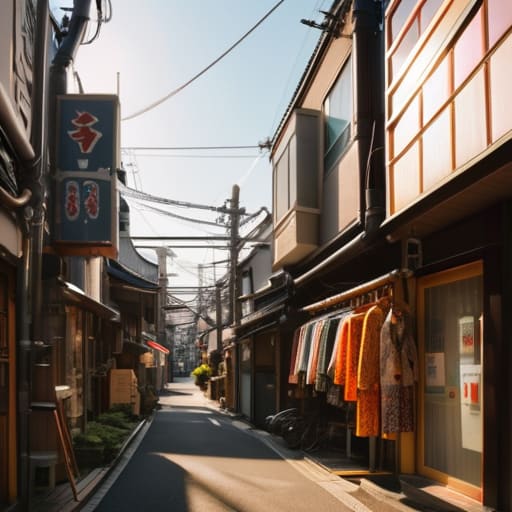
Most travelers arrive in Tokyo with a checklist of neon-lit landmarks and towering skyscrapers, but they often miss the city’s actual heartbeat. They seek the grand spectacle, yet they overlook the quiet, rhythmic life that exists in the residential pockets between the major hubs. To truly understand the local character, you have to step off the main thoroughfares and wander into the narrow, sun-dappled streets of the western wards. This is where I find my best subjects for film photography, particularly when navigating the labyrinthine alleys of Koenji. Finding the right koenji vintage shops isn’t just about a quick shopping trip; it is about navigating a specialized ecosystem of curated history and secondhand soul that most tourists simply walk right past.
In the following notes, I’ve distilled my recent wanderings into five specific locations that represent the true essence of the neighborhood. I won’t be pointing you toward the flashy, overpriced boutiques designed for social media feeds. Instead, I am sharing a curated selection of shops that offer a sense of functional beauty and genuine character. By the time you finish reading this, you will have a roadmap to the most meaningful corners of the district, allowing you to find pieces of the past that feel entirely your own.
Table of Contents
The Curated Calm of Flamingo

There is a specific kind of efficiency in how Flamingo organizes its chaos. Unlike the cluttered dens you might expect in this neighborhood, this shop feels like a well-oiled machine, where every piece of Americana and vintage denim has its rightful place. I often find myself standing near the entrance just to observe the flow of customers; it is a study in how style can feel both effortless and highly intentional.
Sifting Through Soul at Kinji
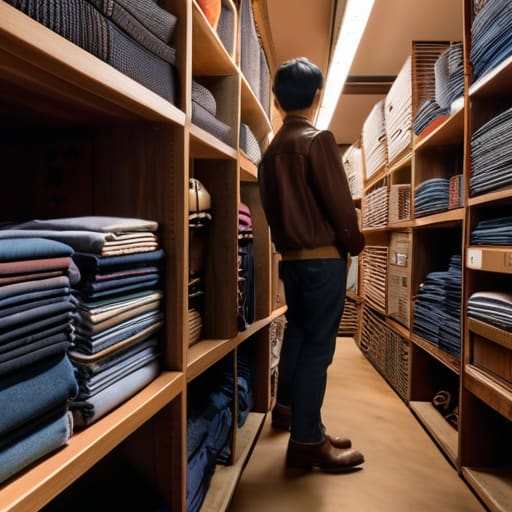
If Flamingo is the precision of the neighborhood, Kinji is its raw, unbridled energy. It is a massive, sprawling labyrinth that requires a certain amount of logistical patience to navigate. You don’t just walk into Kinji; you embark on an expedition. I usually bring my notebook here, not to sketch, but to keep track of the sheer volume of inventory that seems to shift with every passing hour.
The Quiet Craft of Chicago
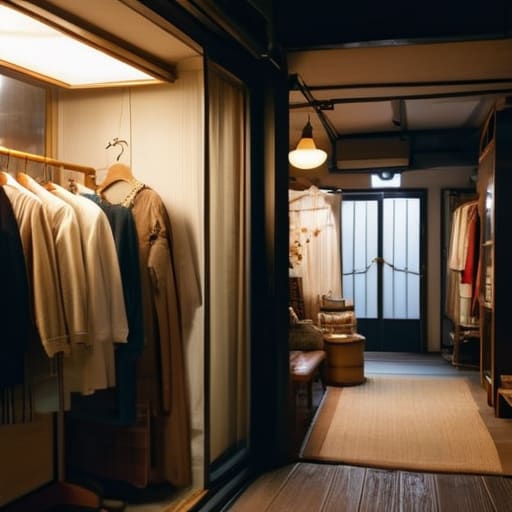
Tucked away from the main thoroughfares, Chicago offers a much more intimate experience. The lighting is dim, the air is still, and the selection feels deeply personal, as if the owner has hand-picked every item based on a very specific aesthetic philosophy. It is the kind of place where the noise of the Chuo Line feels miles away, replaced by the soft rustle of high-quality cotton and silk.
Retro Echoes at New York Joe Exchange
You cannot talk about the Koenji ecosystem without mentioning New York Joe Exchange. It functions much like a marketplace of ideas, where the cycle of consumption is constantly being renegotiated. There is a restless rhythm to this shop; it is a hub where subcultures collide, and the inventory reflects the diverse, often eccentric, tastes of the local youth.
Timeless Textures at Small Finds
There is a small, unassuming shop near the tracks that I have come to rely on during my afternoon walks. It doesn’t shout for your attention with neon signs or massive window displays; instead, it waits for the discerning eye to wander in. The selection is modest, but the curation is impeccable, focusing on pieces that possess a certain structural integrity.
Reflections on the Koenji Hunt
Don’t aim for a checklist; allow yourself the luxury of getting lost in the side streets, as the best finds rarely sit on the main thoroughfares.
Look past the curated storefronts and pay attention to the texture of the shops tucked under the railway tracks—that is where the real history of the neighborhood lives.
Patience is your most valuable tool; the soul of Koenji isn’t found in a quick transaction, but in the slow process of observing how these spaces breathe.
The Texture of Time
“In the curated boutiques of Ginza, you buy a brand; but in the cramped, dust-mote-filled corners of Koenji, you find a history. There is a certain logistical honesty in a well-worn denim jacket or a faded film camera—they aren’t just objects, they are the tangible remains of lives lived before our own.”
Rurik Salonen
The Rhythms of Koenji
Navigating the labyrinthine streets of Koenji requires more than just a map; it requires a willingness to let the tide of old denim and faded silk pull you in. From the curated precision of the high-end boutiques to those dusty, treasure-filled corners hidden beneath the overhead train tracks, this neighborhood proves that style isn’t about the new, but about the enduring. We’ve looked at how each shop serves a different purpose in the local ecosystem, whether you are hunting for a specific era of Americana or simply seeking a piece of clothing that has already lived a full life. It is this interconnected web of history and commerce that gives the district its unique, unpretentious character.
As I sit here at a small corner cafe, watching the commuters rush toward Shinjuku, I am reminded that the best way to experience a city is to slow down. The vintage shops of Koenji are more than just retail outlets; they are the quiet custodians of memory in an increasingly disposable world. Don’t be afraid to wander off the main thoroughfares or follow a scent of old leather down a narrow alleyway. You might not find a landmark, but you will certainly find the authentic pulse of the city. That is where the real journey begins.
Frequently Asked Questions
Is it worth trying to navigate Koenji's smaller shops during the weekend rush, or is it better to visit on a weekday morning?
If you value the rhythm of the shop over the rush of the crowd, go on a Tuesday or Wednesday morning. During the weekend, the narrow alleys feel congested, and that quiet, contemplative atmosphere I look for gets lost in the noise. A weekday allows you to actually breathe, observe the textures of the vintage finds, and speak with the owners without feeling like you’re obstructing a human conveyor belt.
How much cash should I actually carry when ducking into these smaller, more tucked-away vintage boutiques?
Don’t rely on your phone or a sleek travel card here. In these narrow, dimly lit shops, the digital world often fades away. I’ve learned the hard way that many of the best finds—the ones tucked behind a heavy curtain or down a flight of stairs—only accept yen. I usually keep about 10,000 to 15,000 yen in loose bills on me. It’s better to have the weight in your pocket than to miss a perfect find because of a lack of coins.
Are there specific areas near the station that are better for beginners, or should I just wander the back alleys to find the real gems?
If you’re just starting out, stick to the main thoroughfares near the North Exit. The shops there are more organized and less intimidating. However, don’t stay on the main road too long. The real character of Koenji lives in the capillaries—those narrow, dim-lit alleys where the shops feel more like personal collections than businesses. My advice? Start on the main drag to find your bearings, then let yourself get lost. That’s where the soul is.
