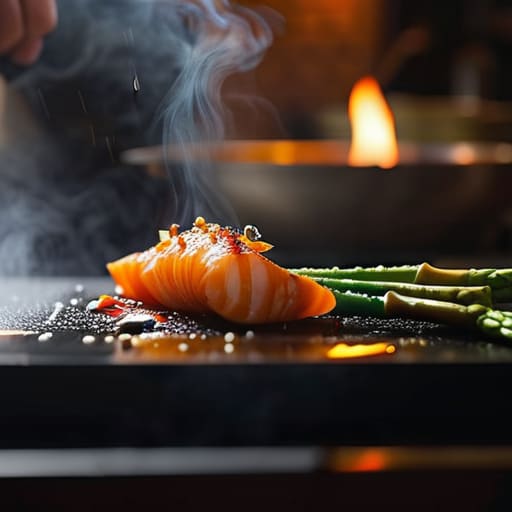
I was sitting in a cramped, steam-filled corner of an Osaka eatery last Tuesday, watching a chef work a seasoned iron plate with the precision of a master watchmaker. Most people associate teppanyaki cooking with those flashy, high-priced tourist traps where the chefs perform choreographed tricks to distract you from mediocre ingredients. But as I sat there, sketching the layout of the kitchen in my notebook, I realized that the true art isn’t in the spectacle; it is in the rhythmic, percussive scrape of the spatula and the way the heat is managed to lock in flavor without the need for excessive sauces.
I have no interest in the theatrical nonsense that often clouds this culinary tradition. Instead, I want to show you how to find the substance beneath the show. In this guide, I will strip away the marketing hype and focus on the logistical beauty of the process—from the essential heat management to the selection of ingredients that actually respect the iron. You won’t find any superficial tips here, only a grounded look at how to master the functional soul of the grill.
Table of Contents
High Heat Searing Methods and the Breath of Steam
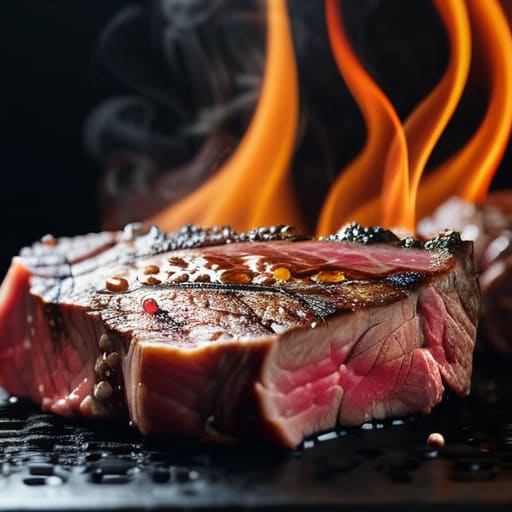
There is a specific science to the way a chef manages the surface of the steel. It isn’t just about heat; it is about the precise teppan grill temperature control required to transition from a gentle sauté to a violent, beautiful sear. I watched a chef in a small corner shop near Umeda work with a focused intensity that reminded me of a logistics manager overseeing a critical hand-off. When the protein hits the metal, the sudden release of moisture creates a plume of white vapor—the city’s own breath, if you will—that momentarily obscures the diner’s view.
This isn’t just cooking; it is a study in thermodynamics. Through various high heat searing methods, the chef coaxes out the deep, savory notes that define the meal. The secret, I’ve realized, lies in the flat top grill seasoning, a seasoned patina built up over years of service that ensures the heat is distributed with absolute uniformity. As the steam clears, you are left with the charred, caramelized edges of the food, a testament to the controlled chaos of the iron.
Teppan Grill Temperature Control a Silent Dialogue
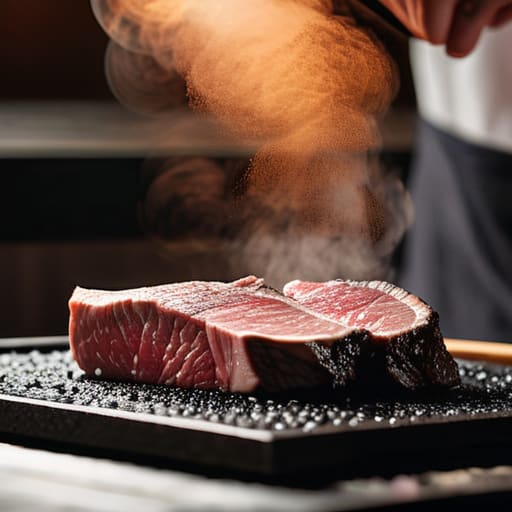
To the untrained eye, the chef is merely performing a spectacle, but I see it as a lesson in precision logistics. There is a subtle, almost invisible dance occurring between the chef’s spatula and the heat beneath the steel. Effective teppan grill temperature control isn’t about constant, blistering heat; it is about the strategic management of thermal zones. I watched a chef in a small basement eatery near Umeda move a piece of Wagyu to a cooler corner of the plate, allowing the fat to render slowly without scorching the protein. It reminded me of how a well-oiled supply chain relies on pacing rather than pure speed.
This thermal management is what unlocks the complex umami flavor profiles that define the experience. If the surface is too hot, you lose the nuance to carbonization; too cool, and the meat steams rather than sears. It is a delicate equilibrium, much like the way a city’s pulse shifts from the frantic rush of morning transit to the steady hum of the evening. When the chef masters this silent dialogue with the iron, the food ceases to be just a meal and becomes a testament to controlled intensity.
The Logistics of the Iron: Five Essentials for Precision
- Respect the Resting Period. Just as a supply chain requires buffer time to prevent bottlenecks, meat requires a moment of stillness after it leaves the heat. If you slice into a steak the moment it hits the plate, you lose the very juices that represent the hard work of the sear.
- Mise en Place is Non-Negotiable. In my years of logistics, I learned that chaos is simply the result of poor preparation. Arrange your garlic, scallions, and sauces in the exact order they will be needed; the rhythm of the spatula depends entirely on your ability to reach without looking.
- Master the Surface Tension. A common mistake is overcrowding the steel. When you pile too much protein onto the teppan at once, you drop the temperature and invite steam rather than sear. Treat the surface area like precious real estate—give every ingredient its own room to breathe.
- Listen to the Sizzle. The sound of the grill is a data point. A sharp, aggressive hiss indicates a high-energy sear, while a dull, wet bubbling suggests you’ve lost your thermal momentum. Learn to read the acoustics of the metal to know when to add your aromatics.
- The Importance of Oil Viscosity. Don’t just pour oil; understand its role as a heat conductor. Use an oil with a high smoke point to ensure the heat reaches the microscopic crevices of the food, creating a seamless bridge between the iron and the ingredient.
The Logistics of the Perfect Sear
Mastery of the teppan requires more than just heat; it demands a constant, observant awareness of the iron’s temperature, much like managing the fluctuating pressures of a global supply chain.
The true character of the meal is found in the transition between the violent hiss of the sear and the quiet, controlled steam that follows, a delicate balance of energy and timing.
To truly understand teppanyaki, one must look past the spectacle and appreciate the rhythmic, functional precision that allows a chef to turn raw ingredients into a seamless culinary experience.
The Geometry of Heat
“Watching a master work the iron is less about the food and more about the logistics of precision; it is a controlled, rhythmic dance where a single degree of temperature or a second’s delay in a spatula’s movement can disrupt the entire delicate equilibrium of the meal.”
Rurik Salonen
The Final Sizzle
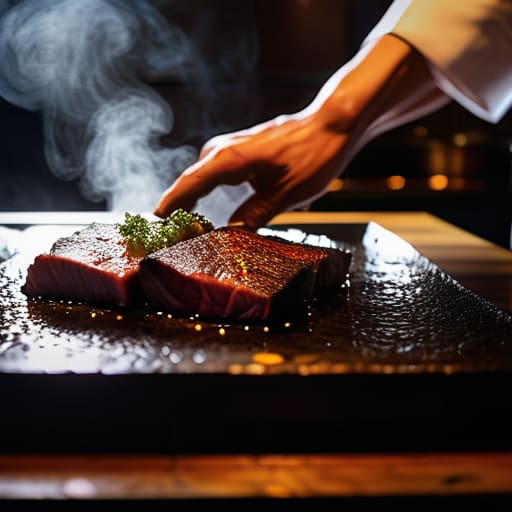
As I sit here in this dim corner of an Osaka eatery, watching the chef navigate his station, it becomes clear that teppanyaki is far more than mere heat application. It is a discipline of precision, requiring a mastery over both the unyielding temperature of the iron and the volatile, fleeting moments of steam and sear. We have looked at how the intense heat transforms texture and how the chef maintains a constant, silent dialogue with the metal to ensure nothing is lost to the flame. To master the teppan is to understand that control is not about force, but about a rhythmic, calculated response to the ingredients themselves.
Ultimately, my time spent observing these culinary technicians has taught me that the best things in life—much like a well-run transit system or a perfectly aged film photograph—require a certain level of intentionality. Teppanyaki reminds us that there is profound beauty in the process, in the smoke, and in the controlled chaos of the grill. Don’t just rush to eat; stay for a moment and watch the hands that work. When you learn to appreciate the deliberate mechanics of the craft, you stop being a mere spectator and start truly seeing how the city, and its flavors, breathe.
Frequently Asked Questions
How can I tell if a local teppanyaki chef is truly mastering the heat, or if they are simply relying on the quality of the ingredients to do the work?
Watch the margins of the plate, not just the center. A master doesn’t just sear the protein; they manage the micro-climates of the steel. Look for how they use the edges of the grill to gently render fat or soften aromatics without rushing them. If the chef is merely letting expensive Wagyu do the heavy lifting, the heat will feel static. True mastery is found in the intentional movement between high-sear zones and gentle warmth.
Beyond the high-end restaurants, are there specific ways to find authentic, small-scale teppanyaki stalls tucked away near the transit hubs?
Don’t look for neon signs. Instead, follow the commuters exiting the secondary exits of major hubs like Umeda or Shinjuku. I’ve found that the real gems live in the “shitamachi” style alleys—the narrow veins connecting the station to the residential blocks. Look for a heavy curtain, a single glowing lantern, and the scent of rendered fat. If the grill is small and the seating is tight, you’ve likely found the city’s true pulse.
Is there a particular rhythm or sequence to the cooking that I should watch for to understand the chef's logistical flow?
Watch the transition from the prep station to the heat. A skilled chef operates with a lean, modular efficiency—moving from protein to aromatics without a single wasted gesture. There is a specific cadence: the heavy, rhythmic chopping of vegetables provides the percussion, while the sudden, sharp hiss of searing meat marks the crescendo. When the sequence feels seamless, like a well-timed subway transfer, you aren’t just watching a meal being made; you are witnessing perfect logistics in motion.
