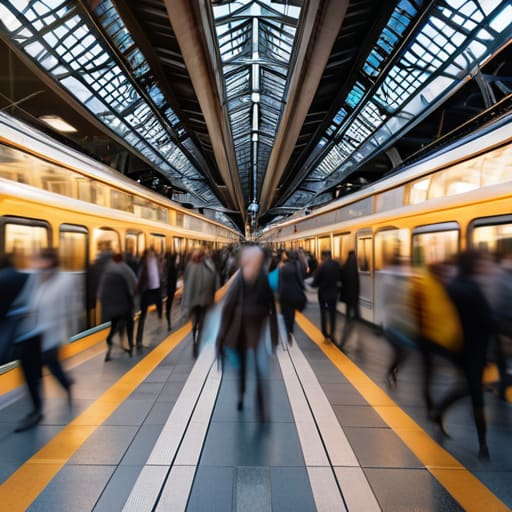
I remember standing on the Shinjuku platform last Tuesday, my Leica hanging heavy against my chest, watching the tide of humanity surge toward the closing doors. There is a specific, metallic scent to the air—a mixture of ozone, damp umbrellas, and the collective heat of ten thousand bodies—that signals the onset of the commuter rush hour. Most people view this window of time as a chaotic obstacle to be endured or a logistical failure to be avoided. They see only the friction. But as I stood there, sketching the frantic geometry of the crowd in my notebook, I realized that this isn’t just noise; it is the mechanical heartbeat of the city, a massive, synchronized movement that tells you more about a place than any guidebook ever could.
I have no interest in giving you “hacks” to skip the crowds or telling you to avoid the stations altogether. Instead, I want to share what I have learned from decades of watching these systems breathe. I will show you how to read the flow of the crowd, how to find the pockets of stillness amidst the surge, and how to navigate the madness without losing your footing. This is about understanding the rhythm, not fighting it.
Table of Contents
Decoding the Pulse of Public Transportation Congestion
To understand the mechanics of a metropolis, one must look past the individual passenger and observe the flow of the system itself. I often sit on a bench near Shinjuku Station, notebook in hand, watching how the tides of humanity shift during peak transit hours. It isn’t merely a matter of too many people in one space; it is a complex study of traffic congestion patterns that dictate the rhythm of the entire city. When the platforms reach capacity, the movement becomes less about individual agency and more about a collective, fluid momentum.
The friction of these crowded corridors often leads to a subtle, underlying tension—a silent struggle for personal space that defines the urban experience. I’ve noticed that the most efficient lines are those where the urban mobility challenges are managed through precise, almost surgical timing. For the seasoned observer, these surges are not just inconveniences; they are the visible symptoms of a city’s metabolic rate. You can see the strain on the infrastructure, yet there is a strange, disciplined grace in how the crowd eventually resolves itself, dispersing into the side streets once the pressure subsides.
Tracing the Ghostly Traffic Congestion Patterns
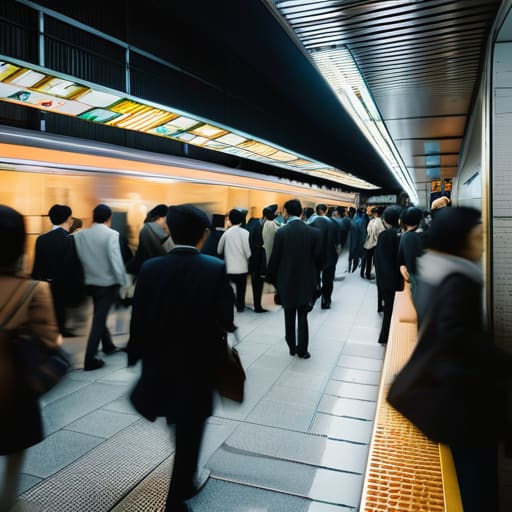
I’ve spent many mornings sitting in the corner of a Shinjuku station cafe, notebook open, watching the tide come in. There is a predictable, almost mathematical rhythm to how these traffic congestion patterns manifest. It isn’t just a sudden burst of movement; it is a slow, creeping accumulation of bodies that begins long before the first train even hits the platform. You see it in the way the crowd density shifts near the ticket gates, a gradual thickening of the air that signals the arrival of the peak.
When I look at my sketches of the Yamanote line, I don’t just see tracks; I see the ebb and flow of human necessity. There is a certain ghostly quality to the way the congestion lingers in the stairwells and transfer corridors, long after the initial surge has passed. These are the invisible scars of the city’s schedule. While many focus on the frustration of the delay, I find myself fascinated by the sheer scale of these urban mobility challenges, observing how the city’s very architecture seems to tighten and breathe in response to the heavy, synchronized movement of millions.
The Logistics of Survival: Five Strategies for the Urban Surge
- Map the ebb and flow before you step onto the platform. Don’t rely on digital apps alone; look at the physical signage and the way the crowds naturally funnel. Understanding the geometry of a station—where the bottlenecks form and where the exits bleed into the street—allows you to position yourself in the path of least resistance.
- Embrace the art of the “buffer zone.” In my years of logistics, I learned that a tight schedule is a recipe for friction. If you must travel during the peak, arrive twenty minutes early and find a quiet corner in a nearby café or a small shrine. It is better to observe the chaos from a distance than to be crushed by it.
- Master the rhythm of the carriage. Every line has a cadence. Observe which cars are the densest and which ones, perhaps due to their proximity to stairs or transfers, remain slightly more navigable. There is a subtle logic to how people distribute themselves in a crowded space; learn to read it.
- Carry only what is essential. The physical weight of your belongings becomes a liability when you are navigating a sea of shoulders and backpacks. A minimalist approach isn’t just a style choice; it’s a tactical necessity. If you can’t move fluidly, you become part of the obstruction.
- Use the friction as a moment for observation. Instead of fighting the inevitable squeeze with frustration, use it as a study in human behavior. Watch the quiet discipline of the commuters around you. There is a strange, mechanical beauty in how thousands of people move in near-silence, a collective machine functioning despite the pressure.
Lessons from the Transit Flow
Efficiency isn’t found in speed, but in the seamless, almost invisible synchronization of millions of individual movements working toward a singular purpose.
To truly understand a city’s rhythm, one must look beyond the delays and the delays themselves, observing how the urban landscape adapts to the sudden pressure of the surge.
The most profound insights into a culture’s character are often revealed in the shared, silent discipline maintained even during the most chaotic moments of the morning commute.
The Friction of the Collective Breath
“Rush hour is not merely a logistical failure or a delay in movement; it is the moment when the city’s individual intentions collide, forcing us all into a singular, rhythmic struggle to simply remain in motion.”
Rurik Salonen
The Quiet After the Surge
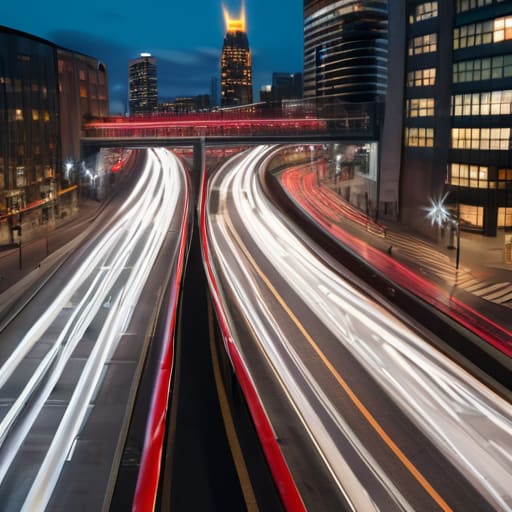
When we step back from the data and the maps, we see that rush hour is more than just a logistical bottleneck or a series of delayed departures. It is a complex, living organism that dictates the very tempo of the metropolis. We have traced the patterns of congestion, from the predictable morning surge to the ghostly, lingering echoes of traffic that haunt the late-night arteries of the city. To understand these movements is to understand the underlying architecture of human necessity. It is a constant, shifting negotiation between individual intent and the unyielding constraints of urban infrastructure.
As I sit here in a small corner cafe, watching the last of the commuters drift toward the station, I am reminded that there is a certain grace in this organized chaos. We often view the crush of the crowd as an obstacle to be overcome, but if you look closely—perhaps through the lens of an old Leica—you will see the profound coordination required to keep a city of millions breathing. Don’t just fight the flow; learn to read it. There is a profound, silent dignity in the way a city moves, and if you remain observant, you might just find the quiet beauty hidden within the friction.
Frequently Asked Questions
How can a traveler find those rare, quiet pockets of stillness during the peak transit hours in Tokyo or Osaka?
To find stillness, you must look upward or slightly off-center. While the masses surge toward the gates, I seek the elevated walkways or the small, temple-adjacent side streets that run parallel to the main arteries. In Osaka, a quiet mezzanine in a multi-level station often offers a reprieve. It is about finding the structural gaps—those pockets where the city’s momentum bypasses the individual, leaving a momentary, borrowed silence.
Are there specific times of day when the rhythm of the city shifts from frantic movement to a more manageable, functional flow?
The city finds its equilibrium in the mid-morning lull, roughly between 10:00 AM and noon. Once the initial surge of the salarymen dissipates, the frantic friction softens into something far more purposeful. It is a functional, breathable flow. I often find this is the best time to sit with my notebook; the transit systems transition from a chaotic struggle for space into a steady, rhythmic heartbeat that allows you to actually observe the machinery of the city.
Beyond just avoiding the crowds, what can a person learn about the local culture by observing the etiquette of the morning rush?
The morning rush is a masterclass in unspoken social contracts. Watch closely, and you’ll see how much the Japanese value the collective over the individual. It’s in the way people instinctively create space for a latecomer, or the disciplined silence maintained despite the crushing density. This quiet choreography reveals a culture built on mutual respect and the minimization of friction. To observe the rush is to witness a society prioritizing harmony through precise, selfless etiquette.
