Category: Culture

  • Principles of Japanese Interior Design

    Principles of Japanese Interior Design

    I remember sitting in a cramped, third-floor apartment in Setagaya, the kind of space where every square centimeter has to earn its keep. The light was filtering through a paper screen, casting a soft, geometric grid across the tatami, and for the first time in my career, I wasn’t thinking about efficiency or logistics—I was just breathing. Most people approach japanese interior design as a shopping list of expensive bamboo furniture and overpriced linen cushions, treating it like a lifestyle brand you can simply buy your way into. But after years of watching people clutter their homes with “minimalist” trinkets, I’ve realized they are missing the point entirely. It isn’t about the objects you buy; it’s about the intentionality of the space between them.

    In this guide, I’m not going to sell you on a trend or a catalog aesthetic. Instead, I want to share what I’ve learned from observing how these homes actually function under the pressure of daily life. We are going to look past the surface-level decor to understand the practical logic of Japanese spatial philosophy. My goal is to help you find that same sense of quiet, functional beauty in your own environment, stripped of the marketing hype and focused entirely on the truth of the details.

    Table of Contents

    The Wabi Sabi Philosophy in Decor and Imperfect Beauty

    The Wabi Sabi Philosophy in Decor and Imperfect Beauty.

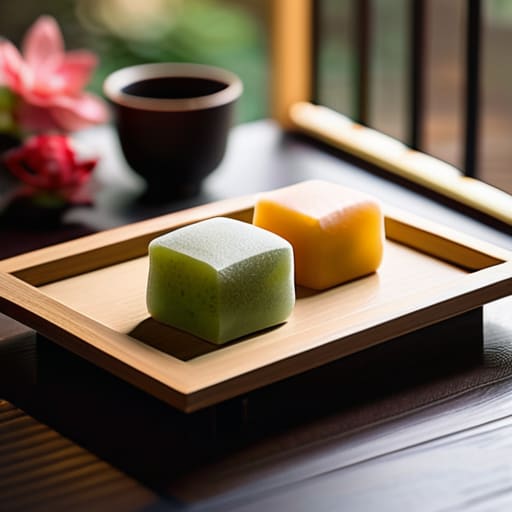
    I remember sitting in a small tea house in Kanazawa, watching the light catch the uneven glaze of a handmade ceramic bowl. It wasn’t perfect; it had a slight wobble, a tiny crack repaired with gold. That is the essence of the wabi-sabi philosophy in decor. It is a rejection of the sterile, mass-produced perfection we often chase in the West. In a Japanese home, beauty isn’t found in symmetry, but in the way an object shows its age and its history.

    When I look at how these principles translate to a living space, I see a deliberate embrace of organic textures and neutral palettes. It isn’t about emptiness for the sake of being modern; it is about making room for the soul of the materials. You see it in the grain of a weathered timber beam or the soft, diffused light passing through paper screens. There is a profound, quiet dignity in choosing objects that feel lived-in, allowing the home to age alongside its inhabitants rather than fighting against the inevitable passage of time.

    Mastering Minimalist Zen Aesthetics Through Living Space

    Mastering Minimalist Zen Aesthetics Through Living Space.

    In my years of managing logistics, I learned that efficiency isn’t just about speed; it is about the removal of everything that does not serve a purpose. This is the core of minimalist zen aesthetics. When I sit in a small apartment in Setagaya, I don’t see “emptiness.” Instead, I see a deliberate orchestration of space. It is a way of living that demands you curate your surroundings with intention, ensuring that every object has room to breathe.

    Achieving this balance requires more than just clearing out the clutter; it requires a deep appreciation for natural materials in interior design. I often find myself sketching the joinery of a low-profile coffee table, marveling at how traditional japanese woodworking techniques allow for structural integrity without the need for intrusive metal hardware. By utilizing wood, stone, and paper, a room ceases to be a mere container and becomes a living extension of the environment. The goal isn’t to create a museum of nothingness, but to build a sanctuary where the mind can finally settle.

    The Practical Mechanics of a Balanced Room

    • Prioritize natural light over artificial glare. In my years of logistics, I learned that the right environment depends on visibility; in a home, this means using thin, translucent window treatments like shoji-inspired screens that allow sunlight to diffuse softly rather than hitting a surface with harsh, disruptive intensity.
    • Curate your surfaces with intention. A cluttered tabletop is a failure of organization. Instead of displaying every trinket you own, select one or two meaningful objects—a single ceramic vase or a well-worn book—and give them the physical space required to actually be seen.
    • Incorporate organic textures to ground the space. A room filled with synthetic materials feels sterile and disconnected. I find that introducing wood grain, stone, or linen provides a tactile reality that makes a modern apartment feel lived-in and steady.
    • Respect the flow of movement. Just as a well-designed transit hub prevents bottlenecks, a room must allow for effortless movement. Keep the floor plan clear and avoid placing heavy furniture in a way that disrupts the natural path from one area to another.
    • Use a muted, earthy color palette. Avoid the visual noise of high-contrast, neon, or overly saturated hues. Stick to the tones found in nature—sand, charcoal, moss, and soft clay—to create a backdrop that settles the mind rather than demanding constant attention.

    The Essentials of Intentional Living

    True Japanese design isn’t about the absence of things, but the presence of purpose; every object in a room should serve a function or hold a quiet, meaningful place in your daily rhythm.

    Embrace the texture of the natural world—rough wood, hand-fired ceramics, and woven fibers—to bridge the gap between the rigid structure of modern living and the organic flow of the outside world.

    View your living space as a breathing entity that requires negative space (ma) to function, allowing the eye and the mind the necessary room to rest and find clarity.

    ## The Logic of the Void

    “In my years managing logistics, I learned that efficiency is often found in what you remove, not what you add; Japanese design operates on that same principle, treating empty space not as a vacuum to be filled, but as the essential framework that allows a room to finally breathe.”

    Rurik Salonen

    The Intentionality of Space

    The Intentionality of Space in Japanese design.

    As I sit in a small cafe in Shimokitazawa, watching the afternoon light shift across the wooden grain of a table, I am reminded that Japanese interior design is less about a set of rules and more about a deliberate way of being. We have explored how the acceptance of imperfection through wabi-sabi breathes life into a room, and how the disciplined restraint of Zen minimalism allows a space to actually function rather than just exist. It is a careful balance between the presence of an object and the meaningful void left around it. When you strip away the clutter, you aren’t just cleaning a room; you are clearing a path for clarity and purpose.

    Ultimately, designing a home through this lens requires a shift in perspective—from what we can add to what we can rightfully leave out. It is an exercise in observation, much like my time spent sketching the complex veins of the Tokyo subway system. You begin to realize that the most profound beauty doesn’t demand your attention with loud colors or expensive trinkets; instead, it waits patiently in the shadows and the stillness. I encourage you to look for that quiet geometry in your own surroundings. Start small, be intentional, and allow your living space to become a place where you can finally hear yourself think.

    Frequently Asked Questions

    How can I incorporate these principles into a small apartment without making it feel sparse or uninviting?

    The trick is to stop thinking about “emptiness” and start thinking about “intention.” In a small footprint, every object must earn its place. Instead of filling every corner, I focus on texture—a heavy linen throw or a single, well-worn wooden stool. It’s about layering warmth through materials rather than volume. If you choose quality over quantity, you aren’t creating a void; you’re creating room for the light to breathe.

    Is it possible to balance the minimalist Japanese aesthetic with the practical need for storing modern household clutter?

    It is a common friction point, isn’t it? We live in a world of chargers, manuals, and miscellaneous debris that doesn’t exactly scream “Zen.” But after years of managing logistics, I’ve learned that efficiency doesn’t have to be ugly. The key is hidden storage—low-profile cabinetry or modular units that tuck away the chaos. You aren’t fighting the aesthetic; you are simply applying a layer of tactical organization to protect the visual peace.

    Beyond the visual elements, how does the use of natural materials like cedar or tatami actually affect the atmosphere and "breathability" of a room?

    It isn’t just about the look; it’s about the sensory rhythm of the room. When I sit on tatami, there is a specific, earthy scent that grounds the space. These materials act as a living skin for the home. Cedar and rush grass regulate humidity naturally, pulling moisture from the air and releasing it as needed. It creates a tactile, breathable atmosphere that feels less like a static box and more like a living organism.

  • Daily Rituals of Urban Living in Japan

    Daily Rituals of Urban Living in Japan

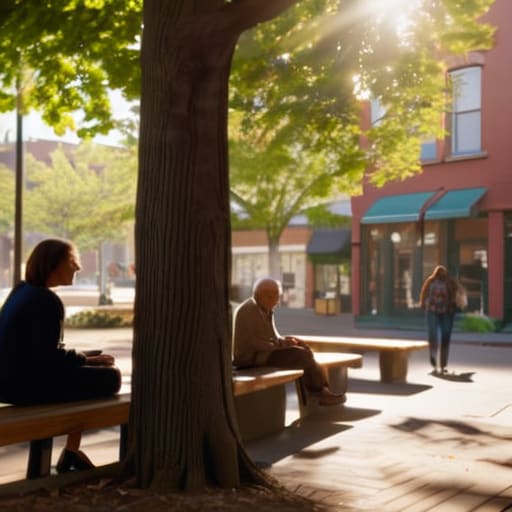
    I was sitting on a bench in Shinjuku Station last Tuesday, watching the morning rush, when I realized how much most travel guides get wrong. They’ll point you toward a grand festival or a neon-lit parade and call it the “essence” of a place, but that’s just performance. To me, the true city rituals aren’t found in the choreographed spectacles designed for tourists; they are found in the rhythmic, almost invisible patterns of the people who actually keep the gears turning. It’s the way a salaryman bows slightly to a vending machine, or the specific, silent choreography of commuters stepping onto a crowded train without ever touching shoulders.

    I’m not here to give you a checklist of monuments or tell you which expensive rooftop bar has the best view. Instead, I want to show you how to actually see the pulse of a metropolitan landscape. My goal is to help you identify those small, functional habits that reveal how a city truly breathes. We are going to look past the surface-level hype and focus on the quiet, steady patterns that make an urban environment feel alive.

    Table of Contents

    The Rhythms of Metropolitan Living in Transit

    The Rhythms of Metropolitan Living in Transit.

    I’ve always found that you can learn more about a culture from its subway transfers than from any museum exhibit. In Tokyo, the efficiency is staggering, but it’s the unspoken rules that truly fascinate me. There is a specific, almost meditative silence maintained during the morning rush; it is a collective agreement to respect the shared space of others. Observing these commuter habits in big cities reveals a profound level of social coordination. People move in a synchronized dance, navigating the labyrinthine corridors of Shinjuku or Umeda without ever making eye contact, yet they never collide.

    To the untrained eye, it looks like mere chaos, but if you look closer, you see the rhythms of metropolitan living at play. There is a predictable cadence to how the crowds swell and recede with the arrival of each train. I often sit on a bench with my notebook, sketching the flow of movement, trying to map out the invisible currents of urban sociology and behavior. It isn’t just about getting from point A to point B; it is about the way a million individual lives intersect for a fleeting, silent moment before dispersing back into the city’s veins.

    Tracing Urban Sociology and Behavior Through Motion

    Tracing Urban Sociology and Behavior Through Motion.

    If you watch a crowd long enough, you stop seeing a mass of people and start seeing a series of predictable, almost choreographed movements. This is where the study of urban sociology and behavior becomes practical rather than academic. In Tokyo, for instance, there is a specific, silent agreement among commuters—a way they tilt their shoulders to navigate a narrow platform or the precise, rhythmic cadence of footsteps during the morning rush. These aren’t just random actions; they are the invisible rules that keep the machine from grinding to a halt.

    I often find myself sketching these patterns in my notebook, trying to map the way metropolitan lifestyle patterns manifest in the smallest gestures. It’s in the way a salaryman adjusts his briefcase before stepping onto an escalator, or how a student instinctively creates a pocket of personal space in a crowded car. These micro-behaviors are the real pulse of the city. They reveal how people negotiate the tension between extreme density and the profound need for individual autonomy, turning a chaotic transit hub into a finely tuned ecosystem of shared, unspoken intent.

    A Logistical Guide to Observing the Unseen

    • Pack a notebook and a pen, not just a camera. There is a certain rhythm to a city that a lens can capture, but only a hand-drawn sketch or a few scribbled notes can truly map. I find that when I stop trying to frame the perfect shot, I start noticing the way a salaryman adjusts his tie at the exact same station every morning.
    • Seek out the “off-peak” hours. If you want to see how a city breathes, don’t go when it’s gasping for air during the rush. Sit in a station café at 10:30 AM or 2:00 PM. The rituals change; the frantic energy of the commute settles into something more deliberate and quiet.
    • Follow the flow, but don’t get swept away. To understand a city’s movement, you have to be part of the current, yet remain an observer. Walk the same route as the locals, use their transit cards, and stand where they stand. You can’t understand the mechanics of a system if you’re always watching it from the outside.
    • Look for the small, repetitive gestures. A city is built on micro-habits—the way a vendor sets out their wares at dawn, or how commuters instinctively shift their weight when the train slows. These aren’t just movements; they are the small, functional gears that keep the urban machine running smoothly.
    • Embrace the silence of the periphery. The most telling rituals rarely happen in the neon-lit centers of Shibuya or Dotonbori. They happen in the narrow alleys and the quiet residential stations. If you want to find the truth of a place, walk until the noise fades and the local patterns begin to emerge.

    The Quiet Logic of the Urban Pulse

    To truly understand a city, you must look past the landmarks and observe the flow of its transit systems; the way people move through a station tells you more about a culture than any museum ever could.

    There is a profound, functional beauty in the small, repetitive rituals of commuters—the shared silence, the precise movements, and the unspoken rules that keep a massive metropolis from collapsing into chaos.

    Real travel requires slowing down enough to notice the details most people ignore, finding the soul of a place in its quietest corners and the steady, predictable rhythms of its daily life.

    The Unseen Architecture of Habit

    Most people see a crowd as mere friction, but if you look closely enough, you’ll see that a city is actually held together by a thousand tiny, unspoken agreements—the way a salaryman tilts his umbrella, the precise silence of a morning train, or the ritualistic nod of a shopkeeper. These aren’t just habits; they are the invisible gears that keep the urban machine from grinding to a halt.

    Rurik Salonen

    The Quiet Architecture of Routine

    The Quiet Architecture of Routine in Shinjuku.

    As I close my notebook and watch the commuters flow like a predictable tide through Shinjuku Station, I am reminded that these rituals are not mere repetitions. We have explored how the synchronized dance of the morning rush and the subtle, unspoken rules of transit behavior form the invisible scaffolding of the city. These patterns—the way a crowd parts for a single traveler or how a station falls into a specific, heavy silence after midnight—are the true indicators of a metropolis’s health. To understand a city, one must look past the neon signage and the grand architecture to see the functional grace found in the way millions of people navigate their shared existence. It is in these unseen logistics of human connection that the soul of a place truly resides.

    Ultimately, I have learned that looking for the “spectacle” is a fool’s errand if you want to know the truth. If you want to understand how a city breathes, you must be willing to slow down and observe the small, repetitive motions that most people consider mundane. Don’t just pass through a terminal; sit there. Watch the light shift against the concrete and notice the quiet dignity in a stranger’s routine. When you stop treating travel as a checklist of monuments and start viewing it as an observation of living systems, the world opens up in ways a guidebook never could. The most profound stories aren’t written in history books; they are etched into the pavement by the very feet of those just passing through.

    Frequently Asked Questions

    How can a traveler distinguish between a meaningful local ritual and a choreographed performance meant for tourists?

    You look for the lack of an audience. A choreographed performance is designed to be seen; it has a certain polished, performative tension. A true ritual, however, is indifferent to your presence. It’s the salaryman bowing slightly to a specific shrine on his way to the station, or the way a vendor sets up their stall with practiced, rhythmic efficiency. If the action feels like it belongs to the person doing it, rather than the person watching, you’ve found the truth.

    Are these urban rhythms predictable enough to map out, or is their beauty found specifically in their unpredictability?

    It’s a bit of both, really. If you look at the data—the way a crowd surges at Shinjuku Station at 8:00 AM—it is entirely predictable. There is a logistical elegance to that repetition. But the beauty? That lives in the deviations. It’s the single person standing still in a sea of rushing commuters, or the way a sudden rainstorm shifts the entire tempo of a street. The pattern provides the structure, but the unpredictability provides the soul.

    How do these small, repetitive city habits change when you move from a hyper-efficient place like Tokyo to a more chaotic metropolitan center?

    In Tokyo, the rituals are choreographed; there is a silent, collective agreement to minimize friction. You see it in the way a crowd parts for a single person or how silence is maintained on the Yamanote line. But move to a place like Bangkok or even parts of New York, and that friction becomes the ritual itself. The efficiency gives way to negotiation. People don’t just move through the space; they actively contend with it.

  • Supporting Local Artisans in Japanese Cities

    Supporting Local Artisans in Japanese Cities

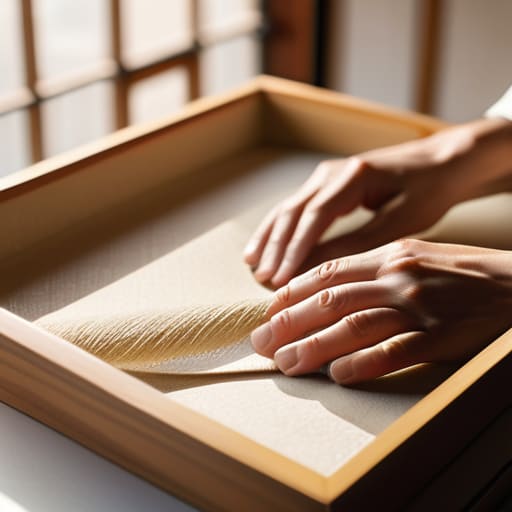
    I was sitting in a cramped workshop in the backstreets of Yanaka last Tuesday, watching an elderly man shave a sliver of cedar so thin it was nearly translucent. There was no neon sign, no polished marketing copy, and certainly no gift shop selling overpriced trinkets. Most people think that finding true local craftsmanship requires a pilgrimage to a high-end gallery or a heavy price tag, but they couldn’t be more wrong. In my years managing global logistics, I learned that the most reliable systems aren’t the loudest; they are the ones that function with quiet, repetitive precision. Real quality isn’t a luxury brand—it is a standard of living.

    I am not here to guide you through the curated boutiques of Ginza or sell you on the romanticized myth of the “artisan lifestyle.” Instead, I want to show you how to spot the functional truth in the objects that actually endure. I will share my observations on where the real work is being done, focusing on the makers who prioritize utility and longevity over trend and hype. This is about understanding the soul of a city through the hands that build it, one unassuming workshop at a time.

    Table of Contents

    Finding Truth in Small Batch Handmade Items

    Finding Truth in Small Batch Handmade Items

    I found myself tucked away in a narrow alleyway in Yanaka last Tuesday, watching an elderly man shape indigo dye into fabric. There was no neon sign, no digital countdown, just the rhythmic, heavy scent of fermented plant matter. In these cramped spaces, you realize that small-batch handmade items aren’t just products; they are physical records of time. Unlike the sterile, mass-produced goods that clutter our modern logistics chains, these pieces possess a weight and a deliberate imperfection that tells you exactly who made them and why.

    To me, the value lies in the friction between the maker and the material. When you invest in supporting local makers, you aren’t just buying a tool or a garment; you are participating in a quiet form of cultural heritage preservation. I watched his hands—calloused and steady—and thought about how much of our modern world we lose when we prioritize speed over substance. There is a profound, grounding truth in an object that was made to last a lifetime, rather than a season.

    The Slow Breath of Authentic Craft Techniques

    The Slow Breath of Authentic Craft Techniques

    I found myself tucked away in a narrow alleyway in Yanaka last Tuesday, watching an elderly man work with tempered steel. There was no roar of machinery, only the rhythmic, hypnotic strike of a hammer against an anvil. This is the essence of authentic craft techniques—a process that refuses to be hurried by the frantic pace of the neon-lit streets just a few blocks away. In my years in logistics, I dealt with speed and efficiency as the ultimate metrics, but here, time is measured by the patience required to master a single, repetitive motion.

    It is easy to overlook these workshops when you are focused on the grand scale of a metropolis, yet these spaces are the lungs of the city. By observing the way a potter shapes clay or a weaver pulls thread, you realize that cultural heritage preservation isn’t a museum concept; it is a living, breathing practice. These artisans aren’t just making goods; they are maintaining a delicate equilibrium between tradition and the modern world, ensuring that the city’s soul doesn’t get lost in the rush toward mass production.

    The Logistics of Authenticity: How to Spot Real Craft in a Mass-Produced World

    • Look for the imperfections in the joinery; a machine-cut edge is too perfect to be honest, whereas a hand-planed surface tells you exactly where the artisan’s pressure was applied.
    • Follow the scent of the workshop, whether it’s the sharp tang of cedar or the heavy musk of tanned leather, rather than following the polished signage of a department store.
    • Ask about the provenance of the materials, not just the finished product—a true craftsman can tell you which forest the wood came from or which tannery processed the hide.
    • Observe the tools left on the workbench; a workspace that is organized but shows signs of frequent, rhythmic use is far more reliable than a pristine showroom.
    • Prioritize the “repairability” of an object, choosing items designed to be mended rather than replaced, which honors both the maker’s labor and the long-term logic of the item.

    The Quiet Lessons of the Maker

    True quality isn’t found in a brand name, but in the subtle, tactile evidence of a craftsman’s intent—the slight irregularity in a hand-thrown bowl or the way a seam is stitched to endure decades of use.

    To understand a city’s resilience, look to its artisans; their commitment to slow, repetitive mastery provides a necessary counterweight to the frantic, disposable pace of modern urban life.

    Real connection to a place requires slowing down enough to notice the small details, recognizing that a single handmade object often carries more history and truth than any polished tourist monument.

    The Weight of Intent

    “In a world obsessed with the frictionless speed of mass production, there is a profound, grounding dignity in an object that bears the slight, intentional imperfections of a human hand—a reminder that true quality isn’t measured by how fast something is made, but by the quiet patience required to make it right.”

    Rurik Salonen

    The Lasting Imprint of the Maker

    The Lasting Imprint of the Maker.

    As I sit here in a small café near Shinjuku, sketching the intersection of the Yamanote line and the local streets, I realize that craftsmanship is more than just a collection of objects. It is the structural integrity of a culture. We have looked at how small-batch production preserves the essential character of a neighborhood, and how the slow, deliberate techniques of traditional artisans act as a necessary counterbalance to the frantic pace of modern logistics. These items—whether a hand-forged blade or a piece of hand-dyed indigo fabric—serve as the connective tissue between a city’s history and its future. They are the tangible evidence of a human hand navigating the complexities of material and time.

    In the end, seeking out these makers is an act of intentionality. It requires us to slow our transit, to step off the main thoroughfares, and to look closely at the textures that define our surroundings. When we choose to value the flawed, beautiful precision of a handmade tool over the sterile perfection of a mass-produced one, we are choosing to honor the human element within the urban machine. I hope that next time you find yourself navigating the dense, rhythmic chaos of a metropolis, you take a moment to look past the neon and the steel. Look instead for the quiet, steady pulse of the maker, for that is where the true soul of the city resides.

    Frequently Asked Questions

    How can I tell the difference between a truly handmade piece and something that has simply been mass-produced to look traditional?

    Look for the slight, honest imperfections. Mass production aims for a sterile, mathematical symmetry that feels hollow to the touch. A truly handmade piece—be it a ceramic bowl or a leather wallet—carries the subtle rhythm of a human hand. You’ll see it in a microscopic variation of texture or a stitch that isn’t mathematically perfect, yet is structurally sound. If it feels too flawless, it likely lacks a soul.

    Is it possible to find these small-scale workshops without getting lost in the more tourist-heavy districts?

    It is, provided you stop looking at the maps designed for tourists. The best workshops aren’t signaled by neon; they hide in the residential pockets between major hubs, like the narrow alleys of Yanaka or the quiet backstreets of Nakano. I find that if you follow the secondary transit lines and walk toward the areas where the commuters transition into neighbors, you’ll stumble upon them. Look for the signs of utility, not spectacle.

    Does investing in these local, artisanal goods actually help preserve the neighborhood's character, or is it just a fleeting trend?

    It isn’t a trend; it’s a matter of structural integrity. In my years in logistics, I learned that if you stop maintaining the core components of a system, the whole thing collapses. The same applies to a neighborhood. When we buy from a local potter rather than a mass-market retailer, we aren’t just purchasing an object; we are funding the continued existence of that shop’s physical footprint and the specialized knowledge held within its walls.

  • Experiencing Seasonal Changes in Japanese Cities

    Experiencing Seasonal Changes in Japanese Cities

    I was sitting on a wooden bench near the Shinjuku station platform last Tuesday, watching the humidity lift from the tracks, when it hit me. Most travel guides treat seasonal changes like a curated museum exhibit—something you go to see, like the cherry blossoms or the autumn leaves, as if they were static displays behind glass. They sell you a version of the seasons that is polished, expensive, and frankly, exhausting. They miss the reality that a change in weather isn’t just a color shift in the trees; it’s a fundamental recalibration of how a city moves, how the air smells in a crowded subway tunnel, and how the very tempo of the sidewalk shifts under your feet.

    I have no interest in helping you chase the perfect, postcard-ready sunset. Instead, I want to show you how to actually live through these transitions without getting lost in the tourist frenzy. In this series, I’ll be sharing my observations on how to navigate the practicalities of a shifting climate—from the subtle logistical shifts in urban transit to finding those quiet, overlooked corners that only reveal themselves when the temperature drops. My goal is to provide you with a grounded perspective on how to read the city’s pulse as it turns.

    Table of Contents

    The Annual Cycle of Nature in Hidden Corners

    The Annual Cycle of Nature in Hidden Corners.

    I often find myself ducking into narrow alleyways in Setagaya or the quiet backstreets of Namba, looking for where the concrete gives way to something more organic. It is in these small, neglected pockets that you truly observe the phenology of seasonal shifts. While the tourists are clustered around the grand cherry blossom parks, I am more interested in the way a single moss-covered stone in a temple courtyard deepens in hue as the humidity climbs, or how the sudden impact of temperature fluctuations in early November sends a premature cascade of maple leaves onto a damp sidewalk.

    There is a specific, quiet dignity in how these micro-ecosystems respond to the passing months. I’ve spent many afternoons sketching how the light hits a particular patch of ferns, noting how the annual cycle of nature dictates their slow, rhythmic unfolding. In these hidden corners, the city doesn’t just change color; it changes its very breath. You see it in the way the shadows lengthen against a weathered wooden gate or how the scent of the air shifts from the crispness of winter to the heavy, damp promise of a Tokyo summer.

    Tracking Seasonal Biodiversity Changes Through Transit Lines

    Tracking Seasonal Biodiversity Changes Through Transit Lines.

    I’ve often found that the most reliable way to observe the phenology of seasonal shifts isn’t by looking at a calendar, but by watching the view from a moving train window. As the Chuo Line cuts through the outskirts of Tokyo, the transition is palpable. In early spring, the skeletal branches along the tracks begin to blur with a soft, pale green, a subtle signal that the dormant winter landscape is finally waking up. I find myself leaning toward the glass, noting how the specific timing of these buds seems to react to the micro-climates created by the concrete corridors of the rail lines.

    By late summer, the rhythm changes entirely. The heavy, humid air seems to slow the movement of the commuters, and the greenery becomes a dense, suffocating wall of deep emerald. I’ve noticed that the seasonal biodiversity changes are most evident in the small, neglected patches of earth between the sleepers and the gravel. Even in these highly engineered environments, the impact of temperature fluctuations is visible in the way certain wildflowers retreat or flourish, providing a quiet, biological counterpoint to the relentless mechanical precision of the schedule.

    Practical Observations for the Seasonal Voyager

    • Carry a physical notebook, not just a phone. There is a specific way the light hits the ginkgo trees in late autumn that a digital photo can’t quite capture, and sketching the shift in shadows helps you actually process the change.
    • Watch the commuters, not just the scenery. You can tell exactly when winter is settling into Tokyo by the way people adjust their posture and the sudden, rhythmic appearance of heavy scarves on the Yamanote Line.
    • Follow the vending machines. They are the most reliable indicators of the micro-seasons; the shift from chilled barley tea to steaming canned coffee is the city’s most honest signal that the temperature has dropped.
    • Use the transit maps as your guide to seasonal light. I find that certain stations, due to their depth or orientation, offer a specific quality of morning light during the equinoxes that makes the concrete feel almost alive.
    • Slow your pace at the edges of the city. The transition of seasons is often most visible in the small, neglected patches of greenery near the freight lines, where the wilder elements of nature react more sharply to the change than the manicured parks.

    Lessons from the Urban Shift

    True seasonal change isn’t found in the grand parks, but in the subtle way light hits a specific subway platform or how the air feels different in a narrow alleyway.

    To understand a city’s rhythm, one must look past the tourist landmarks and observe how the transit systems and local flora adapt to the turning year.

    Slowing down to notice these transitions allows us to see the functional beauty in the chaos, turning a mere commute into a moment of quiet observation.

    The Geometry of Change

    Most people see the seasons as a change in weather, but if you watch the way the light hits a concrete platform in November versus June, you realize it’s actually a shift in the city’s very architecture. The seasons don’t just change the temperature; they change the way the city holds its breath.

    Rurik Salonen

    The Quiet Constant

    Shinjuku commuters and The Quiet Constant.

    As I sit in a small cafe near Shinjuku Station, watching the commuters hurry through the changing light, I am reminded that these seasonal shifts are more than just aesthetic shifts in color. We have seen how the transition from the humid weight of summer to the crisp clarity of autumn alters everything from the density of the crowds on the platforms to the very way the light hits the station tiles. Whether it is the subtle migration of birds along the Yamanote Line or the way a sudden frost changes the mechanical rhythm of the city, these patterns reveal the underlying heartbeat of the metropolis. To ignore these changes is to miss the true mechanics of how a city lives and breathes.

    In my years of managing logistics, I learned that efficiency is nothing without context. A city is not just a machine of steel and concrete; it is a living, breathing organism that responds to the tilt of the earth. My advice to those wandering these streets is simple: do not just move through the space, but observe the transitions. Stop looking at the landmarks and start looking at the way the shadows lengthen in December or how the scent of spring arrives on a subway breeze. When you learn to read these small, quiet signals, the city stops being a labyrinth and starts becoming a home.

    Frequently Asked Questions

    How do these seasonal shifts specifically impact the efficiency and flow of the major transit hubs?

    When the heavy rains of June hit, or the biting winds of January settle over Shinjuku, the friction in the system becomes palpable. It isn’t just about delays; it’s a shift in human density. In winter, people huddle closer, their movements more jagged and hurried to escape the cold. In summer, the humidity slows the collective pace. I’ve noticed that even the most efficient hubs must recalibrate their rhythm to accommodate these subtle, seasonal shifts in human flow.

    Are there particular times of year when the quiet, hidden corners become more difficult to find due to crowds?

    The short answer is yes. During the peak of cherry blossom season in spring and the vibrant maple shifts in autumn, the city’s breathing becomes labored. The quiet corners I seek—those small, moss-covered shrines or tucked-away alleyways—often lose their solitude to the swell of visitors. If you want to find the stillness, aim for the “in-between” months. Late February or early June offer a certain structural clarity that the crowds simply strip away.

    Which specific analog film stocks do you find best capture the changing light of the seasons in the city?

    For the biting clarity of winter or those crisp, high-contrast spring mornings, I find myself reaching for Kodak Ektar 100. Its fine grain handles the harsh urban shadows beautifully. However, when the humid, heavy light of a Tokyo summer sets in, I prefer Fujifilm Pro 400H. It has a way of softening the glare off the concrete and capturing those subtle, verdant greens that define the city’s changing pulse.

  • Exploring Urban Subcultures in Japanese Cities

    Exploring Urban Subcultures in Japanese Cities

    I remember sitting in a cramped, dimly lit cafe in Shimokitazawa last autumn, the smell of old paper and roasted coffee thick in the air, watching a group of teenagers discuss niche vinyl pressing with a fervor that most people reserve for politics. It hit me then that the glossy brochures and neon-soaked travel guides are fundamentally lying to you. Most tourists spend their entire trip chasing a caricature of subculture in japan, thinking they’ll find the “real” thing by standing in the middle of a Harajuku intersection or staring at a themed cafe in Akihabara. But that isn’t culture; that’s just performance for the cameras.

    I’m not here to give you a checklist of tourist traps or a guide to the most “Instagrammable” spots in Tokyo. My goal is to show you how to actually read the city’s rhythm—to find those quiet, specialized pockets where these communities actually breathe and exist without an audience. I will guide you through the logistics of discovery, focusing on the specific neighborhoods, the transit lines that lead to them, and the subtle social cues that signal you’ve moved beyond the surface. We are going to look for the truth in the details.

    Table of Contents

    Harajuku Street Fashion Evolution and the Art of Walking

    Harajuku Street Fashion Evolution and the Art of Walking.

    Most people approach Harajuku as a frantic spectacle, a blur of neon colors and loud textures designed for the camera lens. But if you sit on a bench near the backstreets of Ura-Harajuku and just observe, you see that it is less about the clothes and more about the movement. I’ve watched the Harajuku street fashion evolution unfold through my viewfinder for years, noting how it shifted from the rebellious, layered aesthetics of the nineties to something more curated and intentional today. There is a specific rhythm to how these individuals navigate the crowds—a deliberate, almost choreographed way of moving that claims space without ever breaking the unspoken social contract of the sidewalk.

    It isn’t just about vanity; it is a form of silent communication. You see it in the way a group moves in unison, or how a single person uses a silhouette to signal their allegiance to a specific niche. Whether they are drawing from the Visual Kei aesthetic history or something entirely new, there is a structural integrity to their presence. To them, the street is not just a thoroughfare; it is a stage where the performance is constant, yet remarkably disciplined.

    Shibuya Youth Trends Seen Through a Subway Window

    I find that the best way to observe the frantic energy of Shibuya is not from the scramble crossing itself, but from the steady, rhythmic glide of the Ginza Line. There is a certain detachment that comes with being behind a pane of glass, watching the world rush by while you remain suspended in transit. From my seat, I watch the shifting tides of Shibuya youth trends manifest in real-time: a sudden burst of neon hair, the specific silhouette of oversized streetwear, and the silent, shared language of a generation that communicates through aesthetic.

    As the train pulls into the station, the doors slide open to reveal a microcosm of the city’s changing identity. You see the remnants of older movements colliding with something newer and more digital. It isn’t just about clothing; it’s about how Otaku culture and anime influence have bled out of the specialized districts and into the mainstream pulse of the street. These kids aren’t just wearing costumes; they are carrying a piece of a larger, more complex narrative that most commuters are too rushed to notice. I find myself sketching the way their movements break the flow of the crowd, capturing that fleeting, unscripted energy in my notebook.

    Observations from the Periphery: How to Witness Japan’s Subcultures Without Disturbance

    • Look for the friction between the old and the new. The most compelling subcultures in Japan don’t exist in isolation; they thrive in the tension where a centuries-old shrine meets a basement punk club. Watch how the youth navigate these sacred and profane spaces simultaneously.
    • Avoid the main thoroughfares. If you are standing in the center of Takeshita Street, you aren’t observing a subculture; you are observing a performance for tourists. To see how these movements actually breathe, move one or two blocks away from the neon, toward the residential fringes where the real practitioners live.
    • Use the transit system as your guide. Subcultures in Japan are often geographically tethered to specific train lines or stations. A change in the station’s architecture or the density of the crowd often signals a shift in the social fabric. If the rhythm of the commuters changes, pay attention to why.
    • Practice the art of the quiet observer. In my years of logistics, I learned that the most vital information is often found in the stillness, not the noise. When encountering a niche community—whether it’s the vintage collectors in Shimokitazawa or the tech-enthusiasts in Akihabara—keep your distance. A heavy lens or a loud voice will only cause the moment to vanish.
    • Seek out the “Third Places.” The true pulse of a subculture isn’t found in a shop window, but in the small, functional spaces that serve as their anchors: the late-night kissaten, the cramped record shops, or the dimly lit basement bars. These are the quiet corners where the identity of the group is actually forged.

    The Quiet Architecture of Japanese Subculture

    Real subculture isn’t a performance for tourists; it is a functional part of the urban fabric, often found in the transition spaces between major hubs.

    To understand a trend, you must observe its logistics—how people move through the city, where they congregate after dark, and how they use public transit to find their niche.

    The true pulse of Japan lies in the tension between the polished, neon-lit mainstream and the small, unscripted corners where individuals reclaim their identity.

    The Architecture of Identity

    Most travelers look for Japan’s subcultures in the loud, neon-soaked centers of gravity, but they miss the point; true subculture isn’t a spectacle designed for a camera lens, it is a quiet, rhythmic defiance found in the way a person chooses to dress for a Tuesday morning commute or the specific, unspoken etiquette of a basement record shop in Shimokitazawa.

    Rurik Salonen

    The Quiet Rhythm of the Crowd

    The Quiet Rhythm of the Crowd moving.

    Looking back at the shift from the curated chaos of Harajuku to the fleeting, window-side glimpses of Shibuya, it becomes clear that Japanese subculture isn’t a static exhibit in a museum. It is a living, breathing organism that moves through the city with the same precision as the Yamanote Line. We have seen how fashion serves as a silent language and how the transit system acts as the circulatory system for these evolving identities. To understand these trends, one must look past the surface-level spectacle and instead observe the way these groups occupy space, moving through the urban landscape with a sense of purposeful, collective belonging.

    As I close my notebook and prepare for my next transit connection, I am reminded that the true essence of a city is rarely found in its loudest moments. The subcultures we have discussed are merely the visible ripples on a much deeper ocean of human connection and self-expression. If you find yourself in Tokyo or Osaka, I urge you to resist the urge to simply photograph the neon. Instead, slow your pace and listen to the hum of the streets. You will find that the most profound truths of a culture aren’t shouted from billboards, but are whispered in the quiet, rhythmic details of the everyday commute.

    Frequently Asked Questions

    How do these niche subcultures maintain their identity when the massive commercialism of Tokyo seems to swallow everything in its path?

    It’s a matter of spatial logistics. Commercialism operates on the surface, in the wide boulevards and the bright, predictable storefronts. But subcultures in Tokyo survive by retreating into the friction points—the narrow gaps between buildings, the basement clubs, and the third-floor cafes that require a specific set of directions to find. They exist in the margins where the big brands find it too inefficient to operate. They don’t fight the tide; they simply inhabit the cracks.

    Is there a way to observe these smaller, more authentic communities without feeling like an intrusive outsider or a tourist?

    The trick is to stop being a spectator and start being a part of the scenery. Don’t approach these spaces with a camera lens pointed like a weapon; instead, find a small, unassuming coffee shop or a local izakaya on the periphery of the action. Sit, observe, and let the rhythm of the neighborhood settle into you. When you stop searching for “the scene” and start simply existing within the space, the walls begin to come down.

    Beyond the visual aesthetics of fashion, how do these subcultures actually influence the daily rhythm and functional layout of the city?

    It isn’t just about the clothes; it’s about how these groups reshape the city’s geography. These subcultures create “micro-destinations” that force the urban grid to adapt. A sudden influx of street fashion enthusiasts in Harajuku shifts the foot traffic patterns, turning quiet residential side streets into vital pedestrian arteries. They transform specialized retail spaces into communal hubs, dictating where cafes open and how transit exits are utilized, effectively rewiring the city’s functional flow.

  • Understanding Urban Fashion Trends in Japan

    Understanding Urban Fashion Trends in Japan

    I was sitting in a cramped, dimly lit cafe near Shinjuku Station last Tuesday, watching the crowd surge toward the Chuo Line, when it hit me how much we misinterpret what we see. Most travel magazines treat japanese urban fashion like it’s some curated museum exhibit or a collection of overpriced, avant-garde labels designed for a runway. They miss the point entirely. To the untrained eye, it looks like chaos, but if you sit still long enough with a Leica in your hand, you realize it’s actually a highly disciplined language of utility and silhouette. It isn’t about the brand name on the tag; it’s about how a heavy cotton canvas jacket holds its shape against the humidity of a Tokyo summer.

    I have no interest in feeding you the usual hype or telling you which luxury boutiques to empty your savings in. Instead, I want to show you how to read the streets like a map. I’m going to break down the functional logic behind these styles, moving past the neon distractions to find the real substance in the textures and layers. We aren’t looking for trends that will expire by next season; we are looking for the quiet, enduring details that make the city’s aesthetic breathe.

    Table of Contents

    Harajuku Street Style Aesthetics and the Quiet Chaos

    Harajuku Street Style Aesthetics and the Quiet Chaos

    Stepping out of Takeshita Street and into the backstreets of Ura-Harajuku, the sensory overload begins to settle into something more structured. While the main thoroughfare feels like a frantic burst of color, the true essence of Harajuku street style aesthetics lives in the side alleys. Here, the chaos is curated. I sat for a while near a small coffee stand, watching how the youth navigate the narrow passages. It isn’t just about being loud; it is a highly disciplined form of self-expression where every layer, no matter how eccentric, feels intentional.

    There is a fascinating tension here between the hyper-visible and the deeply personal. You see it in the way certain Tokyo fashion subcultures emerge from the shadows of vintage shops, blending high-end pieces with thrifted finds. It’s a logistical puzzle of textures—heavy denim clashing with delicate lace, or oversized silhouettes that defy traditional proportions. To the untrained eye, it looks like a mess, but to me, it looks like a complex, living system of identity that breathes entirely on its own terms.

    The Silent Language of Shibuya Fashion Trends.

    If Harajuku is the city’s loud, colorful heartbeat, then Shibuya is its steady, rhythmic pulse. I often find myself sitting near the Hachiko exit, not to watch the scramble of the crossing, but to observe the way the crowd moves through it. There is a specific, almost mathematical precision to the way people dress here. Unlike the more theatrical displays found elsewhere, Shibuya fashion trends lean toward a polished, functional edge. You see it in the way a young professional might pair a structured, oversized blazer with high-end Japanese streetwear brands, creating a silhouette that is both imposing and incredibly fluid.

    It is a study in controlled movement. While the world sees a chaotic intersection, I see a sea of carefully curated textures—heavy denims, technical fabrics, and the subtle drape of minimalist urban clothing that suggests a deep respect for both form and utility. There is no wasted effort in these outfits. Even the most experimental looks feel grounded in a sense of purpose, as if every layer was chosen to navigate the transition from a dim basement cafe to the bright, neon-soaked streets without missing a beat.

    The Logistics of Style: Five Observations on Navigating the Japanese Wardrobe

    • Prioritize the silhouette over the brand. In Tokyo, I’ve noticed that the most compelling outfits aren’t defined by a logo, but by how the fabric interacts with the space around the body—often favoring intentional, architectural volumes that command a quiet presence.
    • Master the art of layering for the transit shuffle. Moving from a humid street into a climate-controlled subway car requires a certain technical foresight; look for lightweight, high-quality natural fibers that allow you to adapt to the city’s microclimates without losing your shape.
    • Invest in the “uniform” of the urban professional. Much like the efficiency of a well-run logistics hub, Japanese street style often relies on a highly curated set of reliable basics—dark navy trousers, crisp white shirts, and structured outerwear—that can be mixed and matched with mathematical precision.
    • Respect the footwear as a functional necessity. The city is a walking machine, and the fashion reflects this; you will see a remarkable marriage between high-concept design and extreme practical durability, from technical trekking boots to meticulously maintained leather loafers.
    • Seek the beauty in the subtle texture. Instead of looking for loud patterns, observe how different weaves and weights of fabric catch the light in a narrow alleyway; the real sophistication lies in the tactile details that only become apparent when you are standing still in the crowd.

    The Lessons Written in the Fabric

    True Japanese urban style isn’t found in the loud, neon-soaked storefronts, but in the intentionality of how a person layers their clothing to navigate the shifting temperatures of a city transit system.

    Fashion in Tokyo and Osaka serves as a silent social code, where the choice between oversized silhouettes and sharp, minimalist lines tells a story of how an individual chooses to occupy space within the crowd.

    To understand the aesthetic of the street, one must look past the fleeting trends of the major hubs and observe the quiet, functional elegance of those moving through the city’s periphery, where utility and personal expression meet.

    The Fabric of the Commute

    “I have spent my life studying the movement of goods across borders, but there is a more subtle logistics at play on the streets of Tokyo—a silent, coordinated dance of silhouette and texture, where every person’s attire is a deliberate choice in how they intend to occupy their space within the crowd.”

    Rurik Salonen

    The Thread That Binds the City

    The Thread That Binds the City fashion.

    Looking back at the frantic energy of Harajuku and the more reserved, curated silhouettes of Shibuya, it becomes clear that Japanese urban fashion is not a monolith. It is a complex logistical network of self-expression, much like the subway lines I map out in my notebook. We have seen how the chaos of youth culture can coexist with a deeply disciplined sense of aesthetic precision. Whether it is the loud, experimental layers of a teenager or the meticulous minimalism of a salaryman in Ginza, there is a common thread: an obsession with how a garment interacts with the urban environment. It is about more than just clothes; it is about how a person negotiates their space within the dense, breathing machinery of the metropolis.

    As I sit in a small kissaten near Shinjuku, watching the commuters drift past the window, I am reminded that the true beauty of these styles lies in their transience. Trends will shift, and the neon lights will eventually dim, but the impulse to find identity through one’s outward presentation remains constant. Do not merely look at the labels or the brands when you next walk the streets of Tokyo. Instead, look for the quiet intentionality in the way a stranger carries themselves. If you learn to read the fabric and the fold, you will begin to understand the silent rhythm of the city itself.

    Frequently Asked Questions

    How does the seasonal shift in Japan's climate influence the practical layering seen in metropolitan street style?

    In my years managing logistics, I learned that efficiency is born from preparation. In Tokyo, fashion follows a similar logic. As the humidity of summer breaks into the sharp, biting chill of November, the silhouette of the city shifts. It isn’t just about warmth; it’s a masterclass in modularity. You see people transitioning through technical knits and structured overcoats—layers that allow them to navigate the sudden temperature swings between a frozen street and a stiflingly heated subway car.

    Beyond the major hubs like Shibuya or Harajuku, where can one find more understated, functional urban attire in Tokyo?

    If you want to escape the performative spectacle of the major hubs, head toward Shimokitazawa or Daikanyama. In these neighborhoods, the fashion shifts from costume to composition. You’ll see a preference for high-quality textiles and silhouettes that respect the wearer’s movement—much like a well-designed transit map. It’s more about the integrity of a garment than the brand on its label. There, the style feels lived-in, practical, and quietly intentional.

    To what extent does the meticulous attention to garment construction and fabric quality define the local aesthetic compared to fast-fashion trends?

    In my experience, the distinction is stark. While fast fashion exists, the true Japanese aesthetic is rooted in a profound respect for the material itself. You see it in the way a heavy denim drapes or how a seam holds its integrity after years of wear. To me, it’s a logistical marvel of quality control; there is a deliberate preference for longevity and structural precision over the fleeting, disposable cycles we see elsewhere.

  • Visiting Art and History Museums in Japanese Cities

    Visiting Art and History Museums in Japanese Cities

    I was sitting in a crowded Shinjuku station cafe last autumn, watching tourists scramble toward the massive, neon-lit landmarks with their guidebooks gripped tight, and I couldn’t help but feel a pang of sympathy. Most people approach the idea of visiting museums in japan as if they are checking items off a high-pressure corporate manifest—rushing from one grand, cavernous hall to the next, breathless and exhausted, without ever actually seeing anything. They chase the prestige of the national institutions while completely missing the quiet, rhythmic pulse of the smaller, more intentional spaces that actually define the country’s character.

    I have no interest in helping you navigate the tourist traps or the overpriced gift shops that offer nothing but hollow souvenirs. Instead, I want to show you how to find the true essence of Japanese history and art by looking at the logistics of how these spaces exist within the urban fabric. My goal is to guide you toward the galleries that breathe, the local archives tucked behind transit hubs, and the small, silent corners where the real story of Japan is told. We aren’t just visiting exhibits; we are learning how this culture preserves its soul.

    Table of Contents

    Tracing the Soul Through Traditional Japanese Art Collections

    Tracing the Soul Through Traditional Japanese Art Collections

    While many travelers rush toward the neon-soaked districts of Shinjuku, I find myself drawn to the stillness found within traditional Japanese art collections. There is a specific kind of rhythm to these spaces—a deliberate slowing of time that mirrors the precision of a well-run railway. When I sit before a centuries-old ink wash painting, I am not just looking at art; I am observing the way a culture has historically organized its relationship with nature and space.

    In the quieter corners of the country, particularly when navigating the dense network of Kyoto historical sites and museums, you begin to see how the past isn’t just preserved; it is integrated. I often find that the most profound insights don’t come from the massive, state-funded institutions, but from the smaller, family-run galleries where the lighting is dim and the air feels heavy with history. These are the places where you can truly sense the city’s breath, away from the frantic pace of the modern commute, finding beauty in the delicate, intentional strokes of a brush that have survived the chaos of the centuries.

    Navigating the Best Museums in Tokyo via Local Rail.

    To truly understand the layout of this metropolis, you have to stop looking at a map and start looking at the transit lines. The most efficient way to approach the best museums in Tokyo is to treat the Yamanote Line as your primary artery. I often find that the most profound experiences aren’t found by rushing between major hubs, but by stepping off at smaller stations like Ueno or Roppongi. In Ueno, the museum district is a dense, walkable cluster that allows you to transition from one era of history to another without the friction of long commutes.

    There is a certain rhythmic logic to moving between these cultural anchors. If you are seeking the more experimental side of the city, the Ginza and Roppongi corridors offer a seamless connection to various modern art museums Japan has to offer. I prefer to time my visits during the mid-week lull, using the quiet intervals between express trains to settle into a contemplative headspace. By following the rail, you aren’t just traveling to a destination; you are observing the mechanical heartbeat of the city that makes such curated stillness possible.

    The Logistical Nuances of Curated Silence: Five Practical Observations

    • Don’t rely solely on the major hubs; the most profound collections often reside in the quiet periphery of the city. I’ve found that a single transfer on a local line can lead you to a neighborhood gallery that feels far more intimate and honest than the grand institutions in Ueno.
    • Respect the rhythm of the space. Museums in Japan operate with a specific, quiet choreography. Observe the flow of the other visitors; there is a subtle etiquette to how one moves through a gallery that, if followed, allows you to inhabit the space rather than just pass through it.
    • Carry physical cash, even if you think you’re prepared. While the world is digitizing, many smaller, specialized museums tucked away in residential wards still prefer the tactile reliability of yen. It’s a small logistical detail that can save a trip.
    • Use the museum’s layout as a map for your own exploration. Instead of rushing toward the “star” exhibit, I prefer to study the floor plan first. Understanding the transit of the building helps you find those small, overlooked corners where the light hits a sculpture just right.
    • Check the seasonal rotation schedules before you depart. Much like a supply chain, these institutions move their assets with precision. A museum that feels complete today might be in a state of flux tomorrow, so always verify what is currently on display to ensure your time is spent meaningfully.

    Observations from the Field

    Don’t let the scale of a museum intimidate you; the most profound insights often reside in the smaller, specialized collections that reflect the meticulous precision of Japanese craftsmanship.

    Use the rhythm of the transit system to your advantage, treating the journey between cultural hubs as a way to observe the shifting urban landscape rather than just a means to an end.

    True understanding requires patience—step away from the crowded main galleries and look for the quiet corners where the history of a place is allowed to breathe without the noise of the crowd.

    The Quiet Geometry of History

    Most travelers chase the spectacle of a museum’s grandest hall, but I find the true essence of Japan in the silence between the exhibits—that precise, intentional space where a single ceramic bowl or a weathered scroll tells a more profound story than any crowded gallery ever could.

    Rurik Salonen

    The Final Connection

    The Final Connection through Tokyo's museum network.

    As I sit here in a small cafe near Ueno Station, reviewing my sketches and the rolls of film I’ve captured, the pattern becomes clear. We have traced the lineage of Japanese aesthetics through traditional collections and mapped out the efficient, rhythmic transit routes that connect Tokyo’s sprawling cultural hubs. Whether you are navigating the precision of the Yamanote Line to reach a world-class gallery or stumbling upon a small, local collection in a quiet ward, the lesson remains the same: museums are more than just repositories for old objects. They are the essential nodes in the vast, living network of a city, offering a moment of stillness amidst the relentless movement of the metropolitan machine.

    My advice to you as you plan your own journey is to resist the urge to rush. Do not treat your museum visits as mere checkboxes on a logistical itinerary. Instead, allow yourself the luxury of the detour. Sometimes, the most profound understanding of Japan comes not from the masterpiece hanging on a museum wall, but from the quiet walk between the station and the entrance, or the way the light hits the architecture of a transit hub. Seek the quiet, functional beauty in the transitions. If you look closely enough at the details most travelers overlook, you will find that the city itself is the greatest exhibit of all.

    Frequently Asked Questions

    How do I manage the logistics of visiting smaller, regional museums that aren't easily accessible from the major Shinkansen lines?

    To reach those tucked-away gems, you must embrace the rhythm of the local lines. Forget the Shinkansen’s sterile speed; these smaller museums demand patience. I usually map out a “hub and spoke” approach: find a major regional station, then use local buses or single-car trains to bridge the final gap. Download the local transit apps, but keep a physical map handy. Sometimes, the most rewarding way to navigate is simply to follow the tracks where the crowds thin out.

    Are there specific days of the week or times when these quieter galleries are less crowded, allowing for a more contemplative experience?

    If you’re seeking that stillness, avoid the midday rush of weekends at all costs. I’ve found that Tuesday and Wednesday mornings offer the most clarity; the air feels lighter, and the galleries breathe more freely. If you can, aim for the final hour before closing. There is a specific, quiet grace to a museum as the staff begins to wind down, leaving you alone with the art and the fading afternoon light.

    Do most museums offer English-language guides or materials, or should I rely more on my own observations and hand-drawn notes?

    Most major institutions in Tokyo and Osaka are well-equipped with English pamphlets and digital guides, which is helpful for the basics. However, don’t let those translations become a crutch. A guidebook can tell you the date a vase was fired, but it won’t capture the way the light hits the lacquer in a quiet corner. Use the English materials for context, but rely on your own eyes and my notebook for the true experience.

  • The Presence of Ikebana in Urban Life

    The Presence of Ikebana in Urban Life

    I was standing in the middle of Shinjuku Station last Tuesday, my Leica heavy around my neck and my notebook tucked under my arm, when I saw it. Amidst the rhythmic, mechanical chaos of thousands of commuters, a small, glass vase sat on a concrete ledge, holding nothing but a single, defiant sprig of cherry blossom. Most people see the city as a series of steel veins and concrete arteries, a place where nature is an afterthought or a nuisance to be paved over. But I’ve learned that the true art of ikebana in cities isn’t found in expensive, high-end galleries; it is found in the intentional placement of life within the cracks of the urban sprawl.

    I am not here to sell you on the idea of expensive floral workshops or the pursuit of perfect, expensive arrangements. My goal is to show you how to recognize—and perhaps even create—those small, functional moments of stillness that allow a metropolitan area to breathe. I will share my observations on how we can integrate the principles of minimalist floral design into our cramped apartments and crowded commutes, focusing on the quiet, structural beauty that exists when you stop rushing and start actually looking.

    Table of Contents

    Japanese Flower Arrangement Techniques for the Urban Soul

    Japanese Flower Arrangement Techniques for the Urban Soul.

    When I sit down with my notebook in a cramped Shinjuku cafe, I often think about how these ancient methods translate to the geometry of a modern living room. Unlike Western arrangements that prioritize abundance, japanese flower arrangement techniques rely on the tension between what is present and what is absent. In a tiny apartment, you don’t need a massive bouquet to shift the energy of a room; you need a single, deliberate line. I’ve found that focusing on the ma—the empty space—is what truly allows a person to breathe amidst the urban density.

    For those of us living in high-rise boxes, mastering minimalist floral design for apartments isn’t about decoration; it’s about structural integrity. I prefer the Moribana style for its ability to work within shallow containers, making it ideal for a narrow windowsill or a desk cluttered with logistics reports. By selecting a single branch that follows a natural, weathered curve, you aren’t just placing an object; you are bringing nature into urban spaces in a way that respects the scale of your surroundings. It is a quiet, disciplined way to reclaim your environment.

    Bringing Nature Into Urban Spaces Through Intentional Stems

    Bringing Nature Into Urban Spaces Through Intentional Stems

    In my years managing logistics, I learned that efficiency doesn’t have to mean sterility. The same applies to a living space. When I’m working with minimalist floral design for apartments, I’ve found that the secret isn’t in the volume of greenery, but in the deliberate choice of a single, striking stem. You don’t need a sprawling garden to feel connected to the seasons; a solitary, weathered branch from a local park or a single camellia can act as an anchor, pulling the chaotic energy of the street away from your doorstep and into a controlled, peaceful center.

    I often find myself sketching these compositions in my notebook after visiting small galleries in Shimokitazawa. The goal isn’t to fill a vase, but to create a dialogue between the object and the void around it. This method of bringing nature into urban spaces requires a certain discipline—a willingness to let the negative space do the heavy lifting. By focusing on the line of a stem rather than the mass of a bouquet, you transform a cramped corner into a site of quiet contemplation, making the concrete jungle feel a little less imposing.

    Five Practical Strategies for Cultivating Stillness in a Concrete Landscape

    • Prioritize negative space over abundance. In a cramped apartment or a cluttered office, a massive bouquet feels like more noise; instead, choose a single, sculptural branch that allows the surrounding air to breathe.
    • Source your materials from the edges of the city. Don’t just rely on the polished florist shops in Ginza; look for the small, seasonal offerings at neighborhood markets where the stems still carry the scent of the morning’s dew.
    • Match your vessel to your architecture. If you are living in a modern high-rise with sharp lines and glass, use a ceramic piece with a heavy, grounding texture to provide a necessary tactile counterpoint to the sterile environment.
    • Observe the light as it moves through your window. A successful arrangement isn’t static; it changes as the sun dips behind the skyscrapers, and you should position your piece to capture those shifting, fleeting shadows.
    • Use the ritual as a logistical reset. Treat the act of trimming a stem and placing it in water not as a chore, but as a scheduled moment of decompression—a way to transition from the frantic pace of the subway back into your own headspace.

    The Logistics of Stillness: Final Reflections

    Ikebana is not about decoration; it is a tool for recalibrating your internal rhythm against the frantic pace of the city.

    You don’t need a sprawling garden to find nature; a single, well-placed stem in a small apartment can act as a structural anchor for your mental space.

    True urban observation requires looking past the steel and glass to find the intentional, organic details that keep a metropolis breathing.

    The Geometry of Silence

    “In a city that never stops moving, a single stem placed with intention acts like a structural anchor; it doesn’t just decorate a room, it recalibrates the very rhythm of the space around it.”

    Rurik Salonen

    The Quiet Geometry of Living

    The Quiet Geometry of Living in Ikebana.

    As I sit here in a small cafe near Shinjuku station, sketching the flow of the crowds, I am reminded that ikebana is more than just a decorative hobby; it is a logistical exercise in intentionality. We have discussed how the principles of space, the selection of single, meaningful stems, and the mastery of negative space allow us to reclaim our environment. By bringing these techniques into our apartments and offices, we aren’t just adding greenery; we are creating a deliberate pause in the relentless machinery of the metropolis. We learn to see the structure within the chaos, much like finding the rhythm in a crowded subway interchange.

    Ultimately, finding beauty in a concrete jungle requires us to change our lens. Whether it is a single camellia in a ceramic vase on your desk or a wild branch caught in the wind between skyscrapers, these moments of natural geometry serve as an anchor. Do not wait for a sprawling garden to find your peace. Instead, look for the singular, perfect line that cuts through the noise of your daily commute. In the end, the city doesn’t have to be overwhelming; it just needs you to notice the quiet breath hidden in the details.

    Frequently Asked Questions

    How can I maintain the delicate balance of an ikebana arrangement when living in a small, high-rise apartment with limited natural light?

    In a high-rise, light is your most precious commodity. I’ve found that placing arrangements near a window—even a north-facing one—is essential, but avoid the direct afternoon glare that wilts a stem in hours. If your apartment feels dim, use a small, dedicated LED lamp to mimic soft daylight. Most importantly, keep your water fresh; in small spaces, the lack of airflow can make stagnant water a silent killer for your blooms.

    Are there specific seasonal flowers that are easier to source in a dense urban center like Tokyo if I don't have access to a traditional garden?

    In a concrete labyrinth like Tokyo, you don’t need a garden; you just need to know which seasonal rhythms the local florists follow. During spring, look for the understated elegance of cherry blossoms or even simple plum branches. In autumn, the fiery hues of maple leaves are readily available. I find that even a single, seasonal stem from a neighborhood flower shop captures the city’s fleeting pulse far better than any imported arrangement.

    How do I find the time to practice the slow, intentional movements of ikebana when my daily schedule is dictated by the frantic pace of the city?

    You don’t find the time; you carve it out of the friction. In my years in logistics, I learned that efficiency isn’t about speed, but about rhythm. Don’t wait for a quiet afternoon that may never come. Instead, treat a single stem on your desk as a scheduled stop in your day. Even five minutes of focused arrangement between tasks acts as a necessary recalibration, turning a frantic transit period into a moment of stillness.

  • Exploring the Nightlife in Japanese Urban Centers

    Exploring the Nightlife in Japanese Urban Centers

    Most travel guides will try to sell you on the neon-soaked spectacle of Roppongi or the frantic, overpriced chaos of Shibuya, promising that this is the definitive way to experience nightlife in Japan. They treat the city like a theme park, but after thirty years of managing complex logistics, I’ve learned that the most efficient way to find the truth is rarely through the loudest door. I’ve sat in those crowded, tourist-heavy clubs, feeling more like a cog in a machine than a traveler, watching the soul of the city get lost in the glare of a thousand LED screens.

    I’m not here to give you a checklist of the trendiest spots that will be forgotten by next season. Instead, I want to show you how to navigate the underlying rhythm of the evening, from the rhythmic clink of highball glasses in a basement izakaya to the quiet, functional beauty of a late-night ramen stall. My goal is to provide a grounded roadmap for finding the authentic pulse of the city—the places where the lights are dim, the service is precise, and the city finally feels like it’s breathing.

    Table of Contents

    Decoding the Rhythms of Tokyo Nightlife Districts

    Decoding the Rhythms of Tokyo Nightlife Districts.

    To understand the movement of the city after dark, one must stop looking at the skyline and start looking at the street level. The various Tokyo nightlife districts do not function as mere clusters of bars; they are distinct ecosystems with their own internal logic. In Roppongi, the energy is high-frequency and outward-facing, driven by a transient, international crowd. But if you want to see how the city actually breathes, you have to head toward the narrow, labyrinthine corridors of Shinjuku.

    The Shinjuku Golden Gai experience is perhaps the most profound lesson in urban density. Here, the scale shifts from the monumental to the microscopic. You find yourself squeezed into six-seat bars that feel more like private living rooms than commercial establishments. It is in these cramped, dimly lit spaces that you truly begin to grasp the nuances of Japanese pub culture explained through silence and shared space. There is a specific rhythm here—a slow, deliberate transition from the workday to the late-night hours—that requires patience to observe. You don’t conquer these districts; you simply find a corner where you can sit and watch the gears of the city turn.

    The Shinjuku Golden Gai Experience and Its Hidden Corners

    The Shinjuku Golden Gai Experience and Its Hidden Corners.

    To navigate the Shinjuku Golden Gai is to abandon the scale of the skyscraper and embrace the intimacy of the alleyway. This labyrinth of narrow passages, barely wide enough for two people to pass shoulder-to-shoulder, houses hundreds of tiny, independent bars—some seating no more than six patrons. It is a stark, beautiful contrast to the sprawling neon of the surrounding district. During my last visit, I found myself drawn to a basement bar that felt less like a commercial establishment and more like a private living room. There is a specific, quiet gravity here; you don’t come to Golden Gai to be seen, but to disappear into the hum of conversation.

    The Shinjuku Golden Gai experience is defined by its density and its unwritten rules. You quickly learn that Japanese drinking etiquette dictates a certain level of respect for the shared space; in a room that small, your presence is felt by everyone. It isn’t about the volume of the music, but the quality of the connection. As I sat sketching the cramped layout of a particularly weathered wooden counter, I realized that these micro-bars are the city’s true pressure valves, allowing the frantic energy of the metropolis to dissipate into something slow, deliberate, and profoundly human.

    • Respect the “Otoshi” system. In many small izakayas and bars, you will be served a small, mandatory appetizer upon sitting down. Don’t view it as an unexpected fee; consider it a small, customary tax for the seat and the service. It is part of the local rhythm.
    • Master the art of the quiet exit. Japanese nightlife often operates on a principle of unspoken social harmony. When a venue begins to wind down, or when the energy shifts, there is no need for a loud farewell. A polite nod to the bartender and a quiet departure is the most seamless way to transition back into the city’s nocturnal flow.
    • Keep a physical map or a reliable transit app at hand. The most profound experiences often happen in the gaps between major hubs, but the Japanese rail system—while a marvel of efficiency—can feel daunting after midnight. Knowing your way back to your accommodation is as important as knowing where you are going.
    • Mind the “Cover Charge” etiquette. Many of the more intimate, specialized bars—particularly in districts like Golden Gai—charge a small entry fee or cover charge. This isn’t a lack of transparency; it’s the price of maintaining these tiny, curated sanctuaries within the urban sprawl.
    • Observe the local volume. There is a specific cadence to how people interact in Japanese bars. Even in a crowded room, there is often a baseline of decorum. I find that by mirroring the volume and energy of the regulars, I am able to slip into the atmosphere much more naturally than if I were to impose my own presence.

    Lessons from the Midnight Streets

    True urban character is found in the transitions—the quiet walk between the neon-soaked main thoroughfares and the narrow, lantern-lit alleys that serve as the city’s actual lungs.

    Mastery of the local transit rhythm is essential; the most authentic nocturnal experiences often begin or end on a silent, late-night train car rather than at a tourist landmark.

    Look past the spectacle of the lights to find the functional intimacy of small-scale venues, where the scale of the space dictates a more meaningful connection to the local culture.

    The Geometry of the Night

    To understand Japan after dark, you must stop looking at the neon signs and start looking at the gaps between them; the true character of the city isn’t found in the roar of the crowds, but in the quiet, rhythmic transition from the frantic energy of the station to the hushed, amber-lit intimacy of a corner bar.

    Rurik Salonen

    The Quiet After the Neon

    The Quiet After the Neon in Japan.

    As I sit here reviewing my sketches, I realize that navigating Japan’s nightlife is less about following a map and more about understanding the ebb and flow of human movement. We have traced the frantic energy of the major districts and found the soul of the city within the narrow, claustrophobic intimacy of Golden Gai. Whether you are navigating the organized chaos of a Shibuya crossing or finding refuge in a silent, wood-paneled bar in an Osaka alleyway, the lesson remains the same: the true character of these cities is found in the transitions between the loud and the silent. It is in those small, deliberate shifts in atmosphere that the city reveals its true logistical and emotional complexity.

    Ultimately, do not be afraid to let the main thoroughfares guide you toward the periphery. The most profound experiences rarely happen under the brightest spotlights; they happen when you take a wrong turn down a dimly lit staircase or board a train just as the last revelers are heading home. I have always believed that a city breathes most deeply in its quietest moments, and Japan’s nightlife is no exception. Seek out the unscripted moments and the places that don’t demand your attention, for that is where you will find the authentic heartbeat of the country.

    Frequently Asked Questions

    How do the etiquette and social unspoken rules differ between a high-end Ginza bar and a local neighborhood izakaya?

    In Ginza, the atmosphere is one of choreographed precision. You observe a quiet, respectful distance; it’s a place for low voices and subtle gestures, where the ritual of the pour is as important as the whisky itself. Conversely, the neighborhood izakaya is a study in organized chaos. Here, the unspoken rule is participation. You lean into the noise, accept the boisterous energy, and find connection through the shared, unpolished rhythm of a communal meal.

    Is it practical to navigate the nightlife in smaller cities like Osaka or Fukuoka using only the public transit schedules, or should I plan for late-night taxis?

    In my experience, relying solely on transit schedules in cities like Osaka or Fukuoka is a gamble that rarely pays off after midnight. While the networks are marvelously efficient, they aren’t infinite. Once the last train hums away, the logistical gap widens quickly. I’ve learned to carry a bit of cash for taxis; they are reliable lifelines when you’ve found a quiet corner worth staying in just a little longer.

    For someone who prefers quiet observation over loud clubs, which specific districts offer the best atmosphere for a contemplative evening?

    If you find the neon roar of Shinjuku overwhelming, turn your attention to Yanaka or the quieter fringes of Shimokitazawa. Yanaka, with its “shitamachi” soul, offers a gentle twilight where the pace slows to a walk. Alternatively, find a small, dimly lit jazz kissa in Koenji. There, the only rhythm is the crackle of a vinyl record and the steady pour of coffee—a perfect sanctuary for watching the city settle into itself.

  • The Concept of Omotenashi in Japanese Cities

    The Concept of Omotenashi in Japanese Cities

    I was sitting in a cramped, dimly lit ramen shop in an Osaka alleyway last Tuesday, watching a steam-fogged window, when it hit me. Most travel guides will try to sell you on the idea that japanese hospitality is found in the gold-leafed tea ceremonies or the rigid, scripted bows of a five-star hotel lobby. They make it sound like a performance you have to pay a premium to witness. But after thirty years of managing complex logistics, I’ve learned that the most efficient and profound systems are rarely the loudest. True grace isn’t a choreographed spectacle; it’s the silent, seamless precision of a world that works exactly as it should, often without you even noticing.

    I’m not here to give you a list of luxury resorts or teach you the formal etiquette of a tea master. Instead, I want to show you how to recognize the real heartbeat of this country in the small, functional details. We are going to look past the tourist veneer to find the unseen mechanics of care—from the way a station attendant anticipates a traveler’s confusion to the quiet dignity of a neighborhood grocer. This is about understanding the soul of a place through its most understated gestures.

    Table of Contents

    Principles of Omotenashi the Art of Anticipating Guest Needs

    Principles of Omotenashi the Art of Anticipating Guest Needs.

    In my years managing supply chains, I learned that efficiency is often loud, demanding constant correction. But in Japan, the most effective systems are silent. This is the core of the principles of omotenashi: it is not a reactive service, but a proactive one. You see it when a shopkeeper adjusts the angle of a display just as you approach, or when a server replaces a napkin before you even realize yours has slipped. It is a form of mindfulness in japanese service that treats the guest’s unspoken discomfort as a logistical error that must be corrected before it even occurs.

    This isn’t about following a rigid manual of Japanese etiquette and manners; it is about a deep, intuitive awareness. I remember staying at a small inn outside of Kyoto where the staff seemed to read the room like a well-calibrated instrument. They weren’t just performing tasks; they were anticipating guest needs with a precision that felt almost telepathic. They didn’t wait for a request—because to ask is to acknowledge a failure in the flow. Instead, they moved within the gaps of your experience, ensuring the rhythm of your stay remained entirely undisturbed.

    Mindfulness in Japanese Service Reading the Unspoken Room

    Mindfulness in Japanese Service Reading the Unspoken Room.

    In my years managing logistics, I learned that the most efficient systems are often those where the friction is invisible. You see this same principle applied in the way a server at a small izakaya moves through a crowded room. They aren’t just walking; they are scanning. This is the essence of mindfulness in japanese service—a constant, quiet calibration to the environment. They notice the slight tilt of a head or the way a glass sits nearly empty, long before you feel the urge to signal for attention.

    It is a subtle dance of reading the unspoken room. In a high-end ryokan, for instance, the staff doesn’t wait for a request; they operate on a frequency of anticipating guest needs through pure observation. It isn’t about grand gestures or loud declarations of service. Instead, it’s found in the way a tea set is positioned just slightly closer to your dominant hand, or how the lighting shifts almost imperceptibly as the afternoon fades. They aren’t just serving you; they are maintaining the equilibrium of your experience.

    The Subtle Geometry of Service: Five Ways to Observe the Unseen

    • Watch the hands, not just the face. In a truly refined service environment, you’ll notice that movements are economical and precise—never rushed, never frantic. It is a practiced choreography designed to minimize disruption to your own peace.
    • Look for the absence of friction. True hospitality in Japan often manifests as a problem solved before you even realized it existed, such as a perfectly placed umbrella stand near a sudden downpour or a refill of tea that arrives just as the cup reaches its final sip.
    • Pay attention to the silence. There is a profound difference between a service that is empty and one that is respectful. The most skilled practitioners know exactly when to step back, allowing you the space to exist within the city without feeling the weight of being watched.
    • Notice the ritual in the mundane. Whether it is the specific angle at which a business card is presented or the way a shopkeeper wraps a small purchase, these aren’t mere habits; they are small, intentional anchors of respect that elevate a transaction into a moment of connection.
    • Seek the “secondary” service. The most honest hospitality isn’t found in the scripted greetings of a luxury lobby, but in the way a stranger might pause their walk to point you toward a specific subway exit, ensuring you don’t lose your way in the labyrinth.

    The Lessons Left in the Quiet Corners

    True hospitality isn’t a performance staged for tourists; it is a series of small, invisible adjustments made to ensure a person’s journey remains seamless and undisturbed.

    To truly understand service in Japan, you must learn to look past the grand gestures and instead observe the precision of the mundane—the way a shopkeeper arranges a display or the silent coordination of a train platform.

    The most profound moments of connection often occur in the absence of noise, proving that the highest form of care is often found in what is left unsaid and what is done without being asked.

    ## The Invisible Architecture of Care

    “I’ve spent my life looking at logistics—the way goods move through a system without friction—but Japanese hospitality is a different kind of efficiency. It isn’t about speed; it is about the silent, seamless removal of every possible obstacle before you even realize you’ve encountered one.”

    Rurik Salonen

    The Lasting Echo of a Gesture

    The Lasting Echo of a Gesture.

    As I sit in a small coffee shop near Shinjuku Station, watching the rhythmic flow of commuters, I realize that omotenashi isn’t a set of rules to be memorized, but a way of observing the world with intent. We have explored how true service lies in the anticipation of needs before they are even voiced, and how the most profound moments of connection often happen in the silence between words. It is not about the grandiosity of a welcome, but the seamless precision of a small, thoughtful action that allows a person to feel truly seen without being the center of attention.

    Ultimately, understanding Japanese hospitality requires us to slow our pace and look closer at the mechanics of human kindness. It is a reminder that even in the most crowded, high-velocity metropolises, there is a profound dignity in being considerate of those around us. I have found that when you stop rushing toward the next monument and start noticing the quiet grace of the person holding the door or the attendant adjusting your path, the city begins to feel less like a machine and more like a living, breathing community. That is where the true heart of Japan resides.

    Frequently Asked Questions

    How can a traveler distinguish between genuine omotenashi and the highly polished, scripted service found in major tourist hubs?

    The distinction lies in the friction. In major hubs, service is a high-performance machine—flawless, but scripted. You feel the polished edge of a protocol. Genuine omotenashi, however, feels less like a performance and more like a quiet observation. It’s the shopkeeper who notices your heavy camera bag and subtly clears a path, or the waiter who replaces your water before you even realize it’s low. It isn’t about perfection; it’s about intuition.

    Is there a way to show appreciation for this level of service without disrupting the quiet, efficient flow of a Japanese establishment?

    A polite, slight bow from the waist is often more meaningful than a verbal outburst of thanks. In a crowded izakaya or a quiet tea house, loud gratitude can actually break the very harmony you are celebrating. If you feel moved, a simple, soft “Gochisousama deshita” after a meal, or a gentle nod of acknowledgment to a server, communicates your respect perfectly. It honors their effort without interrupting the rhythm of the room.

    Does the culture of extreme attentiveness ever translate into a sense of distance or formality that makes a visitor feel like an outsider?

    It is a valid concern. There is a fine line between attentive service and a rigid, polished distance. In my years navigating corporate hierarchies, I’ve seen this same tension; it can feel as though a glass wall has been erected between you and the host. You aren’t being ignored, but you are being “managed.” To bridge that gap, look for the moments where the script slips—the small, unchoreographed smiles that signal genuine human connection.