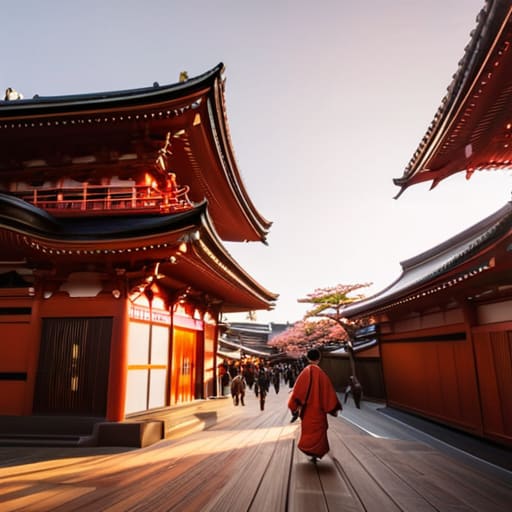
I stood at the edge of the Kaminarimon Gate last Tuesday, watching a sea of selfie sticks and neon-clad tour groups surge toward the main shrine. Most people think they’ve “done” the asakusa temple district simply because they’ve crossed that threshold and snapped a photo of the giant red lantern. But if you’re just following the crowd toward the souvenir stalls, you aren’t actually seeing the district; you’re just participating in its commercial friction. To me, the true essence of this place isn’t found in the loud, overpriced vendor stalls that cater to the masses, but in the way the light hits the weathered wood of a side-street shrine just as the midday rush begins to ebb.
I’m not here to give you a list of the most “Instagrammable” spots or tell you which overpriced matcha latte is trending. Instead, I want to show you how to navigate the logistical layers of this neighborhood to find its actual heartbeat. I will guide you through the narrow, shadowed alleys where the real history breathes and show you how to find the functional beauty that exists just one turn away from the chaos.
Table of Contents
Decoding Senso Ji Temple History Through Ancient Stone
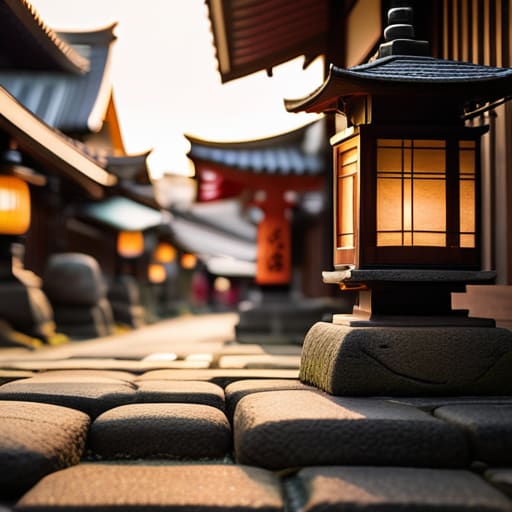
Most people rush toward the main hall, their eyes fixed on the towering incense burners, but I find the real narrative written in the ground beneath them. If you pause to look at the weathered stone lanterns and the uneven paving, you can almost feel the weight of the Edo period atmosphere pressing against the modern skyline. These stones have absorbed centuries of footsteps—monks, merchants, and laborers—all moving through this space long before the neon lights of modern Tokyo took hold.
I often find myself sketching the textures of these ancient foundations in my notebook. There is a specific, quiet dignity in the way the moss clings to the granite, a slow-motion reclamation by nature that persists despite the surrounding urban frenzy. To truly grasp the depth of Senso-ji temple history, one must look past the polished surfaces of the gift shops and observe these tactile remnants. It is in these small, stony details that the temple’s endurance is actually proven; it isn’t just a monument to the past, but a living, breathing anchor in a city that never stops shifting.
The Edo Period Atmosphere Hidden in Plain Sight
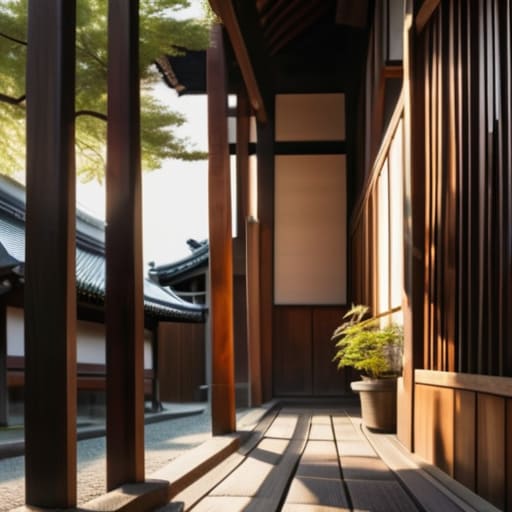
To truly grasp the Edo period atmosphere, you have to look past the neon signage and the heavy influx of tour groups. While most visitors rush toward the main hall, I find myself drawn to the periphery, where the architecture begins to lean inward. There is a specific, heavy stillness found in the shadowed eaves of the smaller merchant houses that flank the main thoroughfares. If you time your walk correctly—perhaps just as the midday heat begins to soften—you can catch the scent of charcoal and aged wood, a sensory bridge to a time before the skyscrapers redefined the skyline.
I often sit near the edges of the Nakamise street shopping area, not to browse the more commercial stalls, but to observe the flow of people. Even amidst the modern bustle, the way the narrow lanes funnel movement mimics the organic logistics of old Tokyo. It isn’t just about the aesthetics; it’s about the spatial rhythm. When you stop trying to navigate as a tourist and start observing as a witness, you realize that the soul of the district isn’t found in the grand monuments, but in these stubborn, lingering traces of the past.
Navigating the Asakusa Flow: A Logistics Perspective
- Avoid the midday crush by arriving at the Kaminarimon Gate just as the sun begins to clear the rooftops. The light is better for my Leica, and more importantly, you can actually hear the temple bells without the roar of the souvenir crowds.
- Treat Nakamise-dori as a transit corridor, not a destination. If you want to taste the local age-manju, move toward the edges of the street where the stalls are slightly more tucked away; the quality remains, but the frantic pace subsides.
- Map your detours through the backstreets of Denpo-in. While most tourists are funneling toward the main hall, the narrow lanes behind the temple offer a glimpse of the residential rhythm that has sustained this district for centuries.
- Use the Sumida River walkways to frame your view of the temple from a distance. Seeing the Senso-ji silhouette against the skyline provides a necessary sense of scale that you lose when you are standing right in the center of the chaos.
- Carry a physical map or keep a handwritten sketch of the surrounding grid in your notebook. The Asakusa layout is a labyrinth of historical layers, and relying solely on a digital screen prevents you from truly observing how the streets curve to meet the temple’s ancient footprint.
Lessons from the Alleys of Asakusa
Look past the primary landmarks to find the true character of the district in its side streets and small, neighborhood shrines.
Understand that the history of Asakusa isn’t just in the grand architecture, but in the enduring, functional rhythm of its Edo-period layout.
Slow your pace to observe the subtle details—the weathered stone and the quiet transitions between crowds—to truly grasp how the area breathes.
The Logistics of Spirit
“Most people come to Asakusa to see the spectacle of the gates, but if you want to understand the district, you have to watch how the crowds break and flow into those narrow, incense-scented veins; the true soul of the place isn’t in the monument, but in the way the ancient rhythm still dictates the movement of the modern street.”
Rurik Salonen
The Quiet Aftermath of Asakusa
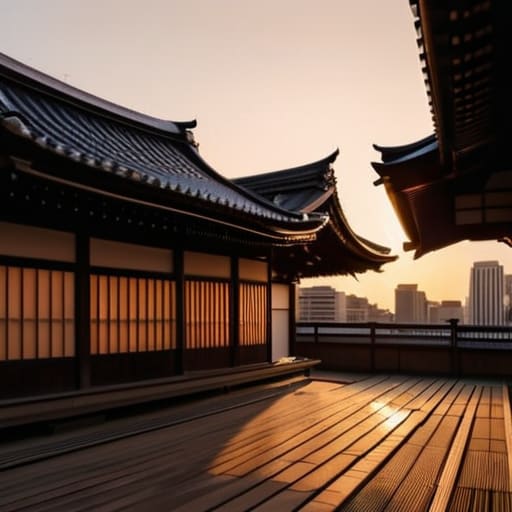
As I sit here at a small wooden table near the edge of the district, watching the evening light hit the temple eaves, the layers of Asakusa finally settle into focus. We have looked past the bright neon of the main thoroughfares to find something more substantial: the weight of the ancient stone, the lingering shadows of the Edo period, and the way a city’s history is etched into its very physical infrastructure. It is easy to get lost in the crowd, but if you take the time to observe the way the architecture holds its ground against the tide of modern tourism, you begin to see the true structural integrity of this neighborhood.
My advice to anyone navigating these streets is to resist the urge to rush toward the next landmark on your map. Instead, let your feet follow the less-trodden paths and allow yourself the luxury of being a mere observer. A city like Tokyo doesn’t reveal its secrets to those in a hurry; it rewards the patient, the methodical, and the quietly observant. When you stop treating travel like a checklist and start treating it like a study of human movement and history, you find that the most profound connections aren’t made with monuments, but with the silent rhythms of the places we inhabit.
Frequently Asked Questions
Where can I find a quiet place to sit and observe the neighborhood once I step away from the main Nakamise-dori crowds?
Once the sensory overload of Nakamise-dori begins to weigh on you, turn your back to the main thoroughfare and head toward the smaller side streets near the Sumida River. I often find myself sitting on a bench near the Hoppy Street periphery, just far enough away to escape the shouting vendors. It’s there, watching the local residents navigate their daily errands, that you truly feel the neighborhood’s steady, unhurried breath.
What is the most efficient way to navigate the backstreets of Asakusa if I want to avoid the primary tourist thoroughfares?
Forget the main artery of Nakamise-dori; it’s a logistical bottleneck. To find the true pulse of the district, I recommend heading east toward the Sumida River or north toward the residential pockets near Asakusa Station. Use the narrow side streets—the roji—that branch off the main paths. They offer a predictable, quieter flow. I often find my best shots and clearest thoughts by simply following the rhythm of the local foot traffic away from the crowds.
Are there specific times of day when the temple grounds offer a more contemplative atmosphere for photography?
If you’re looking for that stillness, avoid the midday rush. I’ve found that the blue hour just before sunrise is unparalleled; the temple grounds are bathed in a soft, cool light, and the absence of the crowds allows you to hear the actual breath of the city. Alternatively, late evening, once the main tourist flow thins, offers a different kind of weight—the shadows grow long, and the lanterns provide a singular, focused glow for your film.
