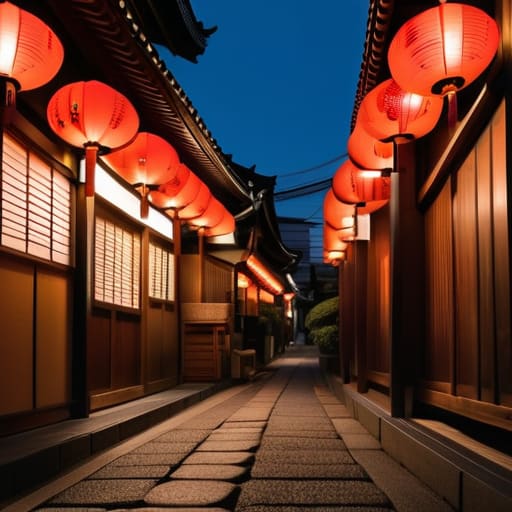
I was sitting on a wooden bench near the Sumida River last Tuesday, watching the light hit the eaves of an old machiya, when I realized how much people miss. Most travelers arrive in this district with a checklist, rushing through the Kaminarimon Gate only to get swallowed by the neon-lit chaos of Nakamise-dori. They mistake the souvenir stalls and the loud, commercialized spectacle for the actual asakusa traditional vibe. It’s a common mistake—treating a living neighborhood like a theme park—but if you only stay on the main thoroughfare, you aren’t experiencing the city; you’re just watching a performance.
I have no interest in telling you which overpriced snack stalls to avoid, though I certainly will mention a few. Instead, I want to show you how to find the rhythm of the streets that exists just one block away from the crowds. In this guide, I’ll share the specific, quiet corners and back-alley routes where the true spirit of the district still breathes. We aren’t going to chase monuments; we are going to find the functional beauty of a neighborhood that has mastered the art of staying grounded amidst the modern rush.
Table of Contents
The Living Breath of Senso Ji Temple History

To understand the weight of Senso-ji, you have to look past the bright vermilion paint and the flash of tourist cameras. This isn’t just a monument; it is a continuous, breathing lineage that stretches back to the 7th century. When I sit on a nearby bench and watch the incense smoke drift toward the sky, I don’t see a relic of the past. I see a survival mechanism. The temple has weathered fires, wars, and the relentless march of modernization, yet it remains the spiritual anchor of the Shitamachi district charm. There is a certain structural integrity to its endurance that resonates with my own background in logistics—it is a system designed to persist.
Walking through the grounds, you can almost feel the lingering Edo period atmosphere pressing against the modern skyline. It’s in the way the light hits the weathered wood and the specific, rhythmic cadence of the prayers being offered. While many come for the spectacle, the true history is found in the quiet continuity of the rituals. It is a living testament to how a city preserves its soul even as the world around it accelerates into something unrecognizable.
Savoring the Rhythms of Nakamise Dori Street Food
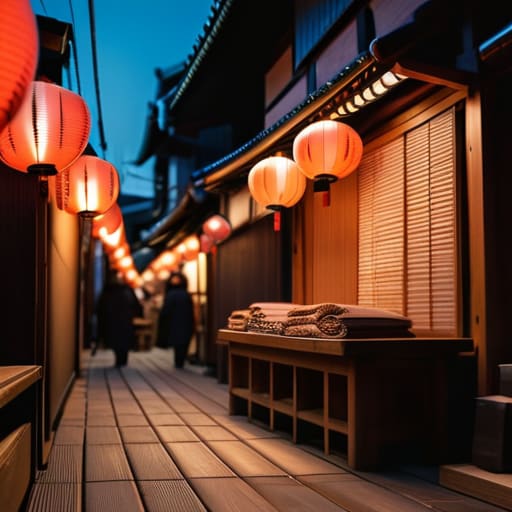
Most people approach Nakamise-dori as a mere obstacle between themselves and the temple gates, a gauntlet of souvenir stalls and bright lights. But if you slow your pace—if you actually stop to observe the mechanics of the crowd—you begin to see the Shitamachi district charm that has endured for centuries. It isn’t just about the commerce; it is about the sensory continuity. There is a specific, rhythmic quality to the way the vendors call out their offerings, a cadence that feels like a direct echo of the Edo period atmosphere in Tokyo.
I find the most satisfaction in the small, tactile details: the warmth of a freshly grilled ningyo-yaki against your palm, or the precise, practiced movements of a craftsman preparing rice crackers. To truly understand the area, you must move beyond the visual spectacle and engage with the flavors. Savoring the Nakamise-dori street food isn’t a task to be rushed; it is an exercise in presence. When you stand amidst the steam and the scent of toasted soy, you aren’t just a tourist; you are witnessing the functional, delicious heartbeat of an old world refusing to be rushed by the new.
Navigating the Layers: How to Observe Asakusa Without Getting Lost in the Noise
- Leave the main thoroughfare of Nakamise-dori as soon as the crowds feel suffocating; the true character of the district lives in the side streets where the scent of incense replaces the smell of fried snacks.
- Time your visit for the early morning or the twilight hours; when the day-trippers depart, the temple architecture regains a certain gravity that is easily lost in the midday heat.
- Look up, not just ahead; the intricate woodwork and the way the light hits the eaves of the smaller shrines offer more insight into the neighborhood’s soul than any souvenir shop.
- Seek out the small, family-run tea houses tucked into the corners of the district; sitting in silence with a cup of matcha provides a necessary pause to process the urban movement around you.
- Use your eyes to trace the flow of people; notice how the locals navigate the temple grounds with a practiced, quiet efficiency that contrasts sharply with the aimless wandering of tourists.
Lessons from the Backstreets of Asakusa
Look past the primary thoroughfares; the true character of Asakusa is found in the quiet, narrow lanes where the scent of incense meets the local rhythm of daily life.
Treat the transit and the crowds as part of the experience rather than an obstacle; understanding the flow of people is essential to grasping how this historic district functions.
Slow your pace to notice the small, functional details—the weathered wood of a shopfront or the precise way a vendor prepares a snack—as these are the elements that define the area’s soul.
The Geometry of Tradition
“Most people see Asakusa as a collection of bright colors and loud vendors, but if you watch the way the light hits the incense smoke at dusk, you realize it isn’t a performance for tourists—it is a finely tuned machine of ritual, operating with the same quiet precision as a well-oiled clock.”
Rurik Salonen
The Quiet After the Crowds
As I sit here on a weathered wooden bench, the scent of incense from Senso-ji still clinging to my coat, I realize that Asakusa is more than just a collection of landmarks. It is a delicate, moving machinery of tradition and commerce. From the grand, spiritual weight of the temple’s history to the sensory, almost frantic energy of the Nakamise-dori stalls, the district operates on a rhythm that has survived decades of urban upheaval. You cannot truly understand this place by merely observing the main thoroughfares; you have to listen to the shifts in pace and notice how the old world anchors itself against the relentless tide of the modern metropolis.
My advice to anyone navigating these streets is simple: do not be in such a hurry to reach your next destination that you miss the subtle architecture of the everyday. Put down the map for a moment, step away from the bright lights of the souvenir shops, and find a side street where the shadows are longer and the sounds are softer. That is where the true soul of Asakusa resides. It is in those small, unscripted moments of stillness that you finally begin to see how a city truly breathes.
Frequently Asked Questions
How can I navigate the temple grounds during peak hours without losing that sense of quiet contemplation?
The trick is to master the timing of the tides. When the main thoroughfares swell with tourists, don’t fight the current; step sideways. Retreat into the smaller, peripheral sub-temples or the shaded stone paths that skirt the perimeter of the main courtyard. I often find that even ten meters away from the central incense burner, the noise drops significantly. Seek the edges where the architecture meets the quiet shadows of the garden walls.
Are there specific side streets away from Nakamise-dori where I can find more authentic, less tourist-oriented craftsmanship?
If you drift away from the main Nakamise artery, look for the lanes branching toward the Sumida River. I often find myself wandering the backstreets near Gotokuji-dori. There, you’ll find small, unassuming workshops where artisans still work with wood and paper. It isn’t flashy, and there are no neon signs, but if you watch closely, you’ll see the steady, methodical precision that defines true craftsmanship. That is where the neighborhood’s real pulse resides.
What is the best time of day to photograph the architecture of the temple before the heavy crowds disrupt the atmosphere?
If you want to capture the architecture without the human noise, you must arrive at dawn. I typically aim to be at the temple gates by 5:30 AM. There is a specific, blue-hued stillness that settles over the wood and stone just before the city fully wakes. The light is soft, the shadows are long, and most importantly, the geometry of the structures remains uninterrupted by the midday swell of tourists.
