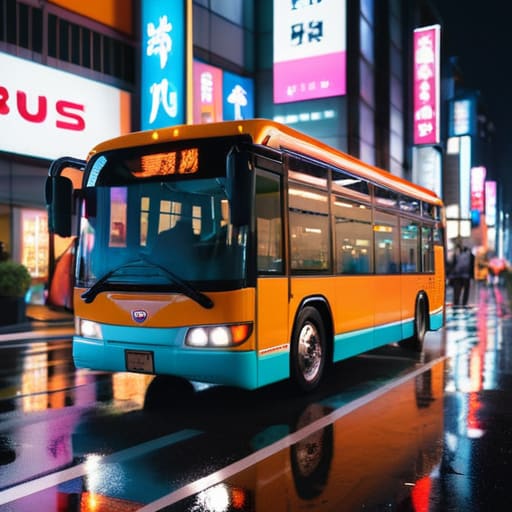
I remember sitting on a weathered bench in a quiet corner of Kanazawa, the smell of damp asphalt and cedar hanging in the air, watching a single local bus pull up to a stop that didn’t appear on any major tourist map. Most travelers obsess over the high-speed efficiency of the Shinkansen, treating the journey as something to be conquered rather than experienced. But in my thirty years of managing complex logistics, I learned that the real heartbeat of a system isn’t found in its fastest artery; it’s found in its capillaries. There is a specific, meditative quality to traveling by bus japan, a way of seeing the landscape shift from neon-soaked intersections to the quiet, moss-covered outskirts of a village that no bullet train would ever bother to stop for.
I have no interest in giving you a glossy, sanitized brochure of “must-see” routes. Instead, I want to offer you a functional blueprint for navigating the country’s bus networks with the precision of a professional and the curiosity of a local. I will share the practicalities of fare systems, the subtle etiquette of the boarding process, and how to find those small, quiet windows of time where the road truly reveals the soul of the country.
Table of Contents
Navigating Japanese Bus Stops and Local Rhythms
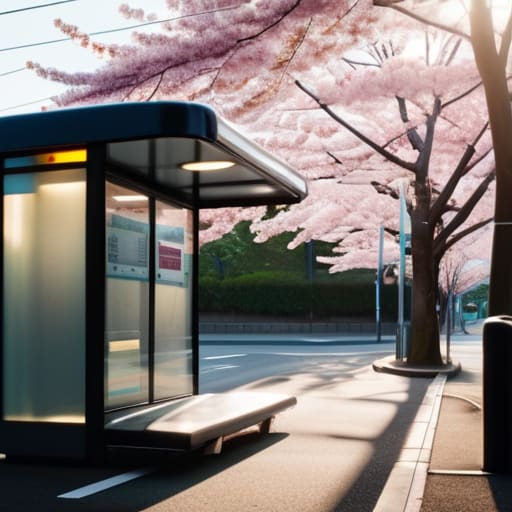
There is a specific, quiet geometry to a Japanese bus stop. Unlike the frantic energy of Shinjuku Station, these roadside markers are studies in order. When you are first navigating Japanese bus stops, you’ll notice the signage is remarkably precise, often detailing arrival times with a level of accuracy that would make any logistics professional weep with joy. I find myself standing there, notebook in hand, watching how the locals position themselves—not in a chaotic cluster, but in a disciplined line that respects the unspoken social contract.
The actual boarding process is equally rhythmic, though it requires a moment of mental recalibration. Most travelers worry about the mechanics of payment, but once you understand how to use IC cards on buses, the friction disappears. You simply tap your Suica or Pasmo against the reader as you enter—or sometimes exit, depending on the municipality—and the machine handles the rest with a polite, electronic chirp. It is a seamless transaction that allows you to keep your eyes on the street, observing the way the neighborhood shifts from neon-lit storefronts to the soft, residential shadows of the backstreets.
Intercity vs Local Bus Travel Choosing Your Pace
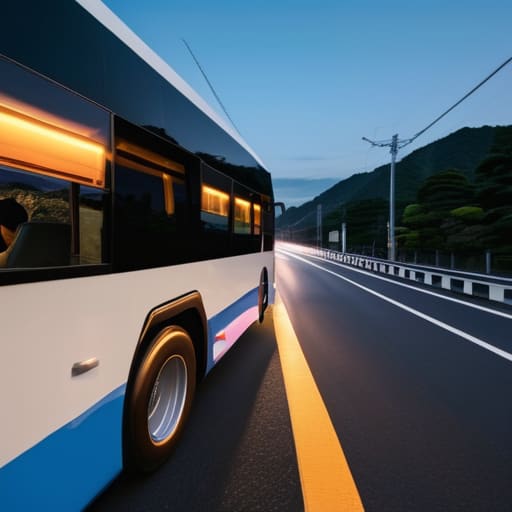
There is a fundamental distinction between the high-speed efficiency of a highway coach and the slow, wandering pulse of a local line. When I need to move between major hubs like Tokyo and Osaka, I lean toward the highway bus. It is a logistical marvel—predictable, comfortable, and often much more cost-effective than the Shinkansen. If you find yourself planning several long-distance legs, looking into a highway bus pass japan can be a strategic move for your budget, though I personally prefer the flexibility of booking individual legs as my itinerary evolves.
However, if you truly want to see how the landscape shifts, you must embrace the local routes. This is where the real character of the country reveals itself, in the small towns that the express lines bypass entirely. The transition between these two modes is where most travelers stumble. You’ll find that while the long-distance coaches require reservations, the local lines are far more fluid. Understanding intercity vs local bus travel is less about speed and more about deciding whether you want to arrive at a destination, or whether you want to experience the journey itself.
The Logician’s Guide to a Seamless Journey
- Keep a physical IC card—like a Suica or Pasmo—at the ready. While the digital versions on your phone are convenient, there is a certain tactile reliability in tapping a physical card against the reader that ensures you aren’t fumbling with a screen while a queue forms behind you.
- Master the “Rear Entry, Front Exit” rule. Most local buses operate on a system where you board through the middle or rear doors and pay as you depart from the front. It is a simple flow, but if you try to pay upon boarding, you’ll find yourself disrupting a very finely tuned machine.
- Carry a small coin purse specifically for 10-yen and 100-yen coins. Even in an era of digital payments, many smaller, rural lines still rely on heavy coin usage for change machines. Nothing breaks my concentration like digging through a wallet for exact change while the driver waits patiently.
- Study the route map before you board, not just the destination. In my experience, the most interesting views aren’t found at the major hubs, but in the way a bus winds through the narrow, residential arteries of a neighborhood. Knowing your stops allows you to look out the window rather than staring anxiously at a GPS.
- Respect the silence of the cabin. The Japanese bus is a sanctuary of shared space. A quiet carriage isn’t just a matter of etiquette; it is part of the city’s rhythm. If you want to observe the world through your lens, you must first learn to exist quietly within it.
The Logistics of the Slow Path
Observe the local stops as more than just transit points; they are the pulse of the neighborhood where the city’s real character is revealed.
Choose your route based on the depth of experience you seek, understanding that the slower local lines offer a perspective that high-speed rail simply cannot provide.
Master the small details—the rhythm of the boarding process and the quiet etiquette of the passengers—to move through the urban landscape with intention rather than haste.
## The View from the Window Seat
“While the Shinkansen offers speed, it is the local bus that offers intimacy; it is a slow, deliberate movement through the veins of a neighborhood, allowing you to see the way a city actually lives when it isn’t trying to impress a tourist.”
Rurik Salonen
The View from the Window Seat
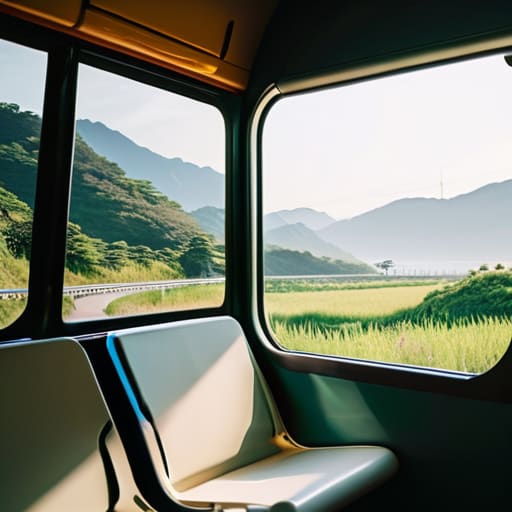
As I close my notebook and pack away my pens, I find myself reflecting on the logistical elegance of the Japanese bus network. Whether you are navigating the intricate, stop-and-go rhythms of a local city route or settling into the steady, long-haul pace of an intercity coach, there is a profound sense of order to be found. You have learned that success lies in the details: understanding the nuances of the IC card, respecting the quiet etiquette of the cabin, and recognizing that the schedule is a promise made by the city to its people. It isn’t just about getting from point A to point B; it is about mastering the mechanical heartbeat of the landscape.
Ultimately, I have found that the best way to see Japan isn’t through the high-speed blur of a Shinkansen window, but through the slower, more deliberate lens of a bus route. When you choose the bus, you are choosing to witness the world in its most honest state—the small convenience stores, the sleepy residential streets, and the way the light hits a mountain pass at dusk. Don’t rush to reach your destination. Instead, allow yourself to get lost in the transit, for it is in these slow, rolling moments that you truly begin to understand how a country breathes.
Frequently Asked Questions
How do I manage fare payments on local routes where a single IC card might not be accepted?
When the IC card reader remains dark, don’t panic; it’s simply a shift in the local logistics. In these smaller pockets, cash is still king. I always keep a dedicated pouch of 100-yen coins and small bills tucked away for exactly this reason. Most local lines operate on a “pay as you exit” system, so you’ll likely need to drop your fare into a machine near the driver before stepping off.
Is it practical to rely on bus schedules for tight connections between cities, or should I build in more buffer time?
In my years managing logistics, I learned that a schedule is a plan, not a promise. In Japan, while the buses are remarkably punctual, they aren’t immune to the unpredictable—a sudden downpour or a heavy tourist season can ripple through the entire network. If you are chasing a tight connection between cities, don’t gamble with it. Build in at least thirty minutes of buffer. I’d much rather spend that time sketching a quiet street corner than sprinting through a terminal.
What are the unspoken etiquette rules for seating and boarding when the bus gets crowded during peak hours?
When the bus swells with the rush-hour crowd, the unspoken code is one of quiet efficiency. Don’t wait for a seat to open; move toward the center to make room for those behind you. If you are seated, keep your bag on your lap—never on the seat next to you. Most importantly, when it’s time to disembark, a small, silent nod to those you’ve passed is the only acknowledgment required. Efficiency is the highest form of respect here.
