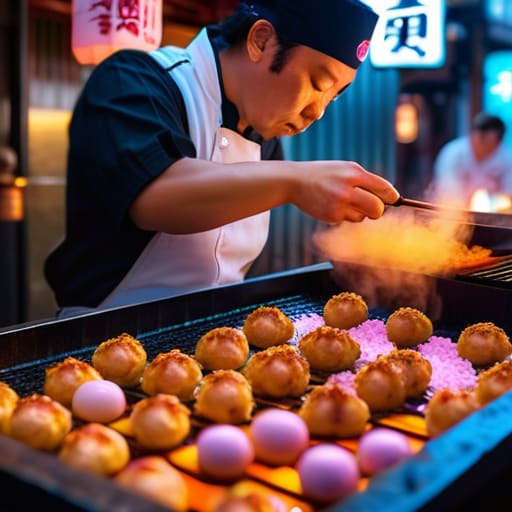
I sat on a cramped wooden stool last Tuesday, tucked into a corner of an alleyway so narrow I had to turn my shoulders just to breathe, watching the steam rise from a single, battered takoyaki pan. There was no neon signage, no English-language menu, and certainly no influencer-ready plating. Yet, as I watched the vendor work with a rhythmic, practiced efficiency that would satisfy any logistics professional, I realized that most people completely misunderstand osaka food culture. They chase the bright lights of Dotonbori and the massive, overpriced storefronts, thinking that’s where the city’s heart beats. In reality, the true pulse of this city is found in the unassuming steam and the quiet, grease-stained corners that most tourists walk right past in their rush to find something “iconic.”
I have no interest in giving you a curated list of “must-visit” tourist traps that prioritize aesthetics over substance. Instead, I want to show you how to navigate this city’s culinary landscape with a bit of logistical precision. I will guide you through the backstreets to find the stalls where the ingredients are respected and the traditions are lived, not performed. This isn’t a guide to the most famous dishes, but a map to the authentic flavors that define the soul of Osaka.
Table of Contents
Finding Truth in the Chaotic Dotonbori Food Scene
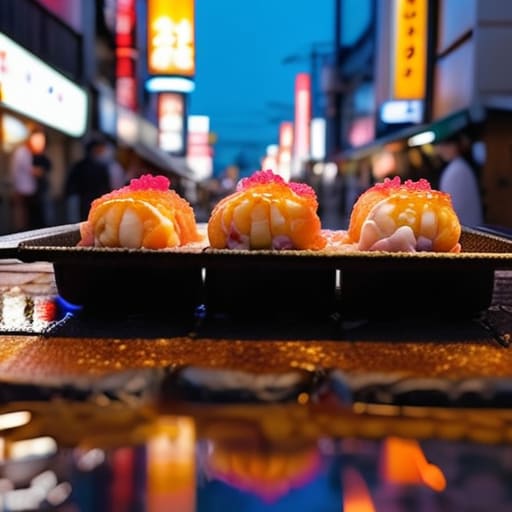
Most travelers arrive in Dotonbori expecting a sensory assault, and they certainly get it. The neon signs are loud, the crowds move in a frantic, uncoordinated surge, and the smell of frying batter hangs heavy in the humid air. It is easy to get lost in the spectacle, but if you stand still for a moment, you can see the logistics of the chaos. There is a rhythm to how the vendors manage the endless queue of hungry pedestrians, a well-oiled machine of heat and steel.
To truly understand this place, you have to look past the giant mechanical crabs and find the takoyaki and okonomiyaki traditions that form the neighborhood’s backbone. I often find myself leaning against a concrete pillar, watching a vendor flip octopus balls with a precision that would make a logistics manager weep. It isn’t just street food; it is a manifestation of the kuidaore philosophy—the idea of eating oneself into ruin. While the lights are designed to dazzle, the real truth lies in that singular, focused movement of a spatula against a hot griddle, serving a city that never seems to stop hungry.
The Kuidaore Philosophy and the Art of Eating to Excess
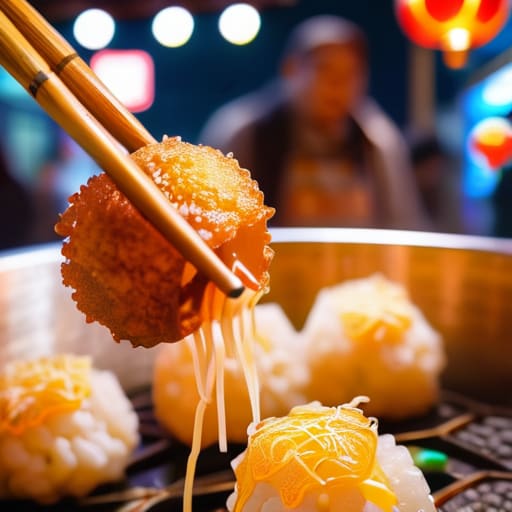
To understand Osaka, one must move past the mere consumption of calories and grasp the kuidaore philosophy. It is a concept that translates roughly to “eating oneself into ruin,” but to me, it feels less like recklessness and more like a profound commitment to sensory indulgence. In my years managing logistics, I dealt in efficiency and lean operations; here, the logic is inverted. There is a deliberate, beautiful wastefulness in the way a local might navigate three different stalls in a single hour, driven by nothing more than the pursuit of the perfect bite.
This spirit is most palpable when you step away from the heavy crowds and find a small, wood-paneled space practicing traditional izakaya culture. Here, the pace slows. You aren’t just fueling up; you are participating in a rhythmic social ritual. Whether it is the precise, crispy execution of osaka kushikatsu specialties or the communal warmth of a shared plate, the city demands your full attention. It isn’t about the speed of the transaction, but the quality of the presence. In Osaka, to eat is to live loudly, even in the quietest corners.
Logistical Lessons for the Osaka Palate
- Ignore the queues for the neon-lit giants. If a stall has a line of twenty tourists holding smartphones, keep walking. Look instead for the place where the salarymen stand in a tight, efficient cluster, focused entirely on their bowls. That is where the quality is consistent.
- Master the art of the “stand-and-eat.” In Osaka, some of the most profound flavors are found at narrow counters or standing-only stalls near major transit hubs. Don’t view a lack of seating as an inconvenience; view it as a way to experience the city’s kinetic energy without the friction of a formal reservation.
- Carry small denominations of yen. While Japan is modernizing, the true heart of Osaka’s food culture—the small, family-run stalls in the narrowest alleys—often operates on a cash-only rhythm. A logistical failure in currency can cost you a meal you didn’t even know you were looking for.
- Observe the rhythm of the meal. Eating in Osaka isn’t just about sustenance; it’s a social mechanism. Watch how the locals move through their courses. There is a specific, unhurried grace to how they navigate the transition from a savory takoyaki snack to a heavier ramen, and mimicking that pace will make your experience feel less like a tourist excursion and more like a local ritual.
- Use your senses to map the flavor profiles. Don’t just eat; observe the steam, the scent of dashi, and the texture of the batter. I find that if I sketch the layout of a food stall in my notebook, I can better remember the precise balance of salt and umami that defined the dish. Treat your palate like a navigator.
The Logistical Soul of Osaka's Flavors
True culinary depth in Osaka is found by looking past the neon-lit main drags and following the subtle rhythms of the side streets, where the food serves a functional, communal purpose rather than just a spectacle.
The concept of ‘Kuidaore’ is more than mere indulgence; it is a cultural commitment to the sensory experience of a city, demanding that you engage with its flavors with both passion and presence.
To understand Osaka’s food culture, one must observe the intersection of its transit-driven accessibility and its localized, often nameless, eateries that provide the steady heartbeat of the metropolitan landscape.
The Rhythm of the Kitchen
“To understand Osaka, you must look past the spectacle of the neon signs and watch the hands of the street vendors; there is a profound, rhythmic precision in the way they flip takoyaki, a silent logistics of flavor that proves even in the midst of culinary excess, there is a deeply disciplined soul at work.”
Rurik Salonen
The Rhythms of a Flavorful City
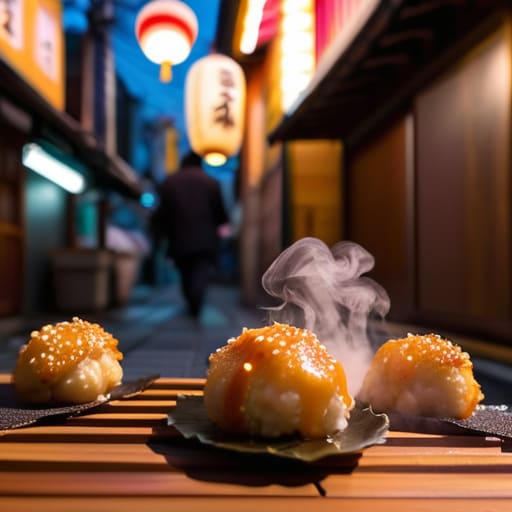
To understand Osaka, one must accept that its culinary identity is a study in contradictions. It is found in the frantic, neon-soaked energy of Dotonbori, yet it is equally present in the disciplined, rhythmic steam of a quiet takoyaki stall tucked away near a subway exit. We have looked at the sheer intensity of the kuidaore spirit—that unapologetic drive to eat until one collapses—and how it serves as the heartbeat of this metropolis. Ultimately, the food here isn’t just sustenance; it is a logistical masterpiece of tradition and impulse, woven into the very transit lines and alleyways that define the city’s movement.
As I sit here in a small corner cafe, sketching the intersection of two train lines in my notebook, I am reminded that the best meals are rarely the ones you plan with a spreadsheet. They are the ones that find you when you stop looking for the landmarks and start looking for the humanity in the details. Don’t just chase the famous signs; follow the scent of dashi and the sound of local laughter. If you approach Osaka with a sense of curiosity rather than a checklist, you will find that the city doesn’t just feed your hunger—it teaches you how to truly live.
Frequently Asked Questions
How do I navigate the etiquette of eating at a crowded standing stall without disrupting the local rhythm?
To navigate a standing stall, you must treat it like a well-oiled machine. Observe the flow before you commit. Don’t linger over your phone; the space is transient by design. Order, eat, and move with purpose. If you’re unsure, watch the salaryman next to you. It’s a rhythmic exchange of space and sustenance. Respect the tempo, keep your footprint small, and you’ll find you aren’t an intruder, but part of the city’s steady breath.
Beyond the famous street foods, where can I find the quiet, long-standing establishments that locals frequent away from the tourist crowds?
To find the real rhythm of Osaka, you have to leave the main thoroughfares. I find myself drifting toward the Tenma district or the residential pockets around Nakazakicho. Look for the small shokudo tucked behind subway exits—the ones with handwritten wooden signs and a single, weathered curtain. There is no fanfare there, just the steady, unhurried service of people who have been feeding the same neighborhood for forty years. That is where the city breathes.
Is there a specific way to time my visits to the various food districts to avoid the peak rush while still experiencing the city at its most vibrant?
To master Osaka’s rhythm, you must treat it like a logistics problem. Avoid the midday rush and the post-work surge between 6:00 and 8:00 PM when the salarymen descend. Instead, aim for the “golden gap”—around 3:30 PM. The light is better for my Leica, the crowds thin out, and you can claim a stool without the frantic energy. If you crave the true midnight pulse, wait until 11:00 PM; the city breathes differently then.
