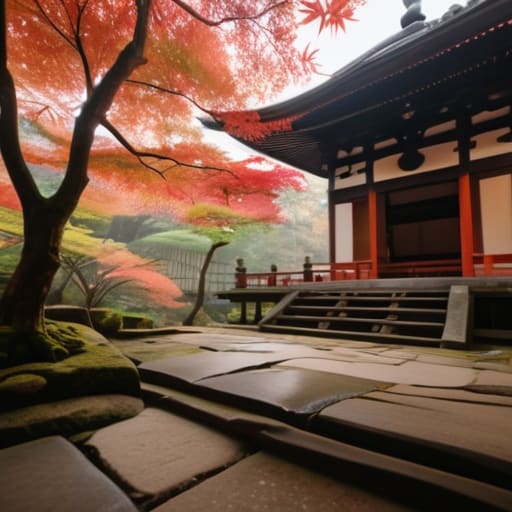
I was sitting on a damp wooden bench near the Kinkaku-ji perimeter last Tuesday, watching a tour group of forty people surge toward the Golden Pavilion like a broken supply chain. They were all jostling for the same mediocre photo angle, completely oblivious to the rhythmic clack-clack of a bamboo water fountain just twenty feet behind them. It struck me then that most people approach kyoto temples as if they are items on a checklist, rushing from one gilded monument to the next without ever actually seeing anything. They chase the postcard, but they miss the pulse of the city.
I’m not here to sell you on the crowded landmarks or the overpriced souvenir stalls that line the main thoroughfares. My goal is to show you how to navigate the city’s spiritual architecture with a bit more intentionality. I’ll be sharing the specific, quiet corners where the incense actually lingers in the air and the stone paths haven’t been worn smooth by thousands of frantic footsteps. We are going to look past the hype to find the functional beauty of these sacred spaces, focusing on the small, steady details that make Kyoto truly breathe.
Table of Contents
- Tracing the Lines of Traditional Japanese Architecture
- Finding the Best Time to Visit Kyoto Temples
- The Logistics of Stillness: Practical Advice for the Observant Traveler
- Essential Observations for the Mindful Traveler
- The Architecture of Stillness
- The Quiet After the Crowd
- Frequently Asked Questions
Tracing the Lines of Traditional Japanese Architecture
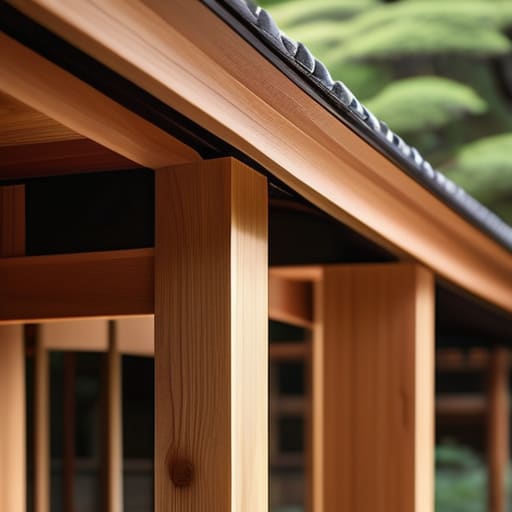
When I sit on the wooden veranda of a temple in the Higashiyama district, I find myself less interested in the scale of the structures and more captivated by the joinery. There is a profound logic to traditional Japanese architecture that resonates with my old logistics brain; it is a system of interlocking parts designed to breathe with the seasons. Unlike the rigid steel of a modern subway station, these timber frames allow for a subtle, necessary movement. You see it in the way the eaves extend to shield the paper screens from the summer rains, a calculated response to the environment that has remained unchanged for centuries.
Navigating these spaces requires more than just a map; it requires a certain rhythm. While many travelers rush toward the famous UNESCO World Heritage sites in Kyoto, I prefer to watch how the light hits the grain of a weathered cedar pillar. There is a quiet, mathematical elegance in the proportions. It isn’t just about aesthetics; it is about a structural philosophy where every beam serves a purpose, ensuring the building survives the humidity and the weight of time.
Finding the Best Time to Visit Kyoto Temples
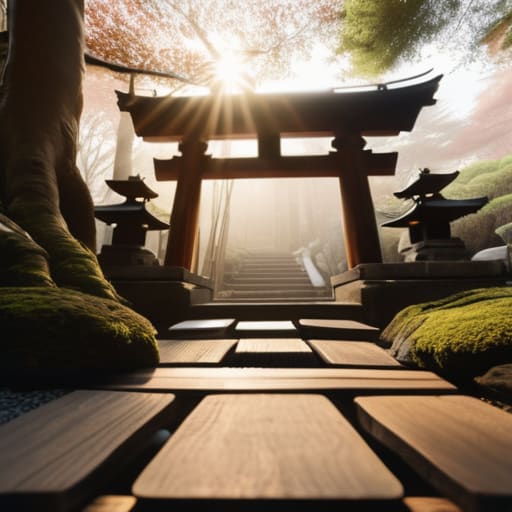
Most people arrive in Kyoto with a checklist of UNESCO World Heritage sites and a rigid schedule, only to find themselves fighting through a sea of selfie sticks. If you want to actually feel the weight of the history here, you have to respect the rhythm of the city. For me, the best time to visit Kyoto temples isn’t a specific month, but rather a specific hour. I’ve found that arriving at the gates just as they open—often around 8:00 or 9:00 AM—allows you to catch the morning light hitting the cedar wood before the crowds descend. There is a profound, heavy silence in those early hours that no guidebook can replicate.
Seasonality matters, certainly. The cherry blossoms are a spectacle, but they bring a frantic energy that disrupts the contemplative nature of these spaces. I prefer the biting clarity of late autumn or the hushed, grey stillness of a rainy February morning. When the crowds thin, you can finally observe the subtle nuances of traditional Japanese architecture without distraction. It is in these quiet, off-peak moments that the spiritual landmarks of the city truly begin to speak.
The Logistics of Stillness: Practical Advice for the Observant Traveler
- Leave the major landmarks to the tour groups. If you want to actually see the architecture without a sea of selfie sticks, aim for the smaller, neighborhood temples. They lack the grand marketing, but they offer the quietude required to actually notice the grain of the wood.
- Master the local bus network before you step foot outside your hotel. Kyoto’s transit isn’t as seamless as Tokyo’s subway, but if you understand the rhythm of the bus lines, you can reach the outskirts where the temples feel less like museums and more like living spaces.
- Carry a physical map and a small notebook. GPS is a fine tool, but it pulls your eyes toward a screen. To truly understand how a temple complex is laid out, you need to look up, observe the path, and perhaps sketch the way the light hits a specific roofline.
- Respect the silence, not just as a rule, but as a way of seeing. When you enter a temple precinct, lower your volume and slow your pace. The stillness isn’t just for the monks; it’s a tool that allows you to hear the wind through the cedars and the subtle creak of the floorboards.
- Pack for transitions. Moving from a humid street into a cool, shaded temple interior, or from a bright courtyard into a dim hall, requires a certain level of preparedness. A lightweight layer is essential if you intend to spend hours observing the interplay of shadow and light.
Essential Observations for the Mindful Traveler
Prioritize the rhythm of the transit lines over the density of the itinerary; a temple is best experienced when you aren’t rushing to catch the next bus.
Look past the polished facades to find the structural integrity and quiet purpose in the smaller, weathered wooden joints that hold these spaces together.
Seek out the periphery of the major landmarks, as the true character of Kyoto often resides in the stillness of the outskirts rather than the crowds of the center.
The Architecture of Stillness
“Most travelers come to Kyoto to see the gold leaf and the grand timber frames, but I find the true design of these temples lies in the intentionality of the empty space—the way a single stone or a carefully raked patch of gravel dictates the rhythm of your breath and forces the chaos of the modern world to simply fall away.”
Rurik Salonen
The Quiet After the Crowd
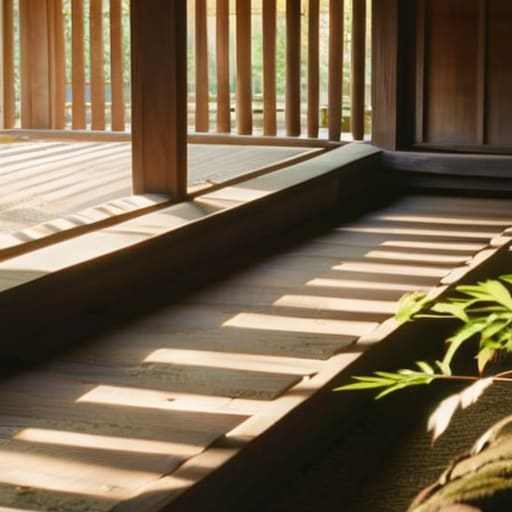
As I close my notebook and pack away my Leica, I’m reminded that Kyoto isn’t a checklist of gilded pavilions or famous names. It is a delicate balance of structural precision and seasonal rhythm. We have looked at the way the timber frames hold the weight of centuries, the way the light shifts through the temple gardens, and how to time your arrival to avoid the heavy, suffocating tide of the midday crowds. To truly understand these spaces, you have to respect their logistics—knowing when to move and when to simply stand still. It is in that intentional stillness that the architecture finally begins to speak.
Ultimately, my time spent navigating these sacred grounds has taught me that the most profound travel experiences aren’t found in the center of the spectacle, but in the margins. Don’t be afraid to take a wrong turn at a bus stop or wander into a temple that lacks a famous landmark. Often, it is the unremarkable corner of a minor shrine that offers the most clarity. If you approach Kyoto with a sense of patience rather than a sense of urgency, you will find that the city doesn’t just show you its history—it allows you to feel its pulse.
Frequently Asked Questions
How can I navigate the temple districts without getting caught in the main tourist crowds?
The secret lies in the transit nodes. Most people swarm the bus lines leading to Kinkaku-ji, creating a bottleneck of noise. Instead, I prefer to walk the secondary arteries. If you use the local subway to reach a peripheral station and then navigate the residential backstreets on foot, you’ll find the smaller, unlisted sub-temples. They aren’t on the major maps, but they offer the silence necessary to actually observe the architecture.
Are there specific temples that offer a more contemplative experience for someone interested in the architectural details?
If you want to study the joinery and the way light hits cedar without a crowd of selfie sticks in your frame, head to Honen-in. It’s tucked away near the Philosopher’s Path and feels remarkably still. For pure structural integrity and spatial rhythm, Nanzen-ji is unmatched; the scale of its Sanmon gate is a masterclass in balance. These aren’t just sites to see; they are blueprints of intentionality you can actually feel.
What is the most efficient way to use the local bus and rail lines to reach the quieter, outlying sanctuaries?
To reach the outskirts, skip the central bus loops; they’re too prone to congestion. Instead, rely on the Eizan Electric Railway for the northern hills or the Hankyu lines for the western fringes. Once you disembark at the smaller stations, the real work begins. I usually find that a short, purposeful walk from a local bus stop is better than waiting an hour for a connection. Efficiency in Kyoto is about movement, not just speed.
