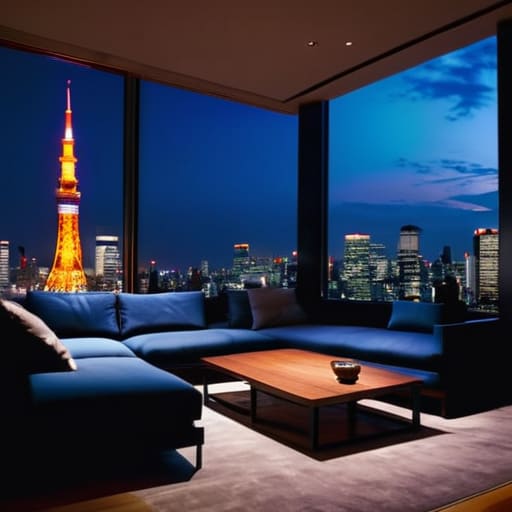
There is a pervasive, glossy myth in travel magazines that tokyo high rise living is all about sweeping vistas, floor-to-ceiling glass, and a sense of detached luxury. They sell you the dream of being a god looking down upon the neon sprawl, but they rarely mention the mechanical hum of a massive ventilation system or the strange, psychological weight of living sixty stories above the street. I remember my first night in a Minato-ku tower; the view was spectacular, certainly, but I felt less like a conqueror of the skyline and more like a tiny, suspended gear in a much larger, more complex machine.
I have no interest in peddling the sanitized version of urban life found in real estate brochures. Instead, I want to talk about the logistical reality of life in the clouds—the way the wind dictates your morning routine, the efficiency of vertical transit, and how to find a sense of grounding when you’re disconnected from the pavement. My goal is to provide a practical, unvarnished look at what it actually means to inhabit these vertical neighborhoods, focusing on the functional details that determine whether a high-rise is a sanctuary or merely a very expensive cage.
Table of Contents
Compact Urban Living Solutions in the Clouds
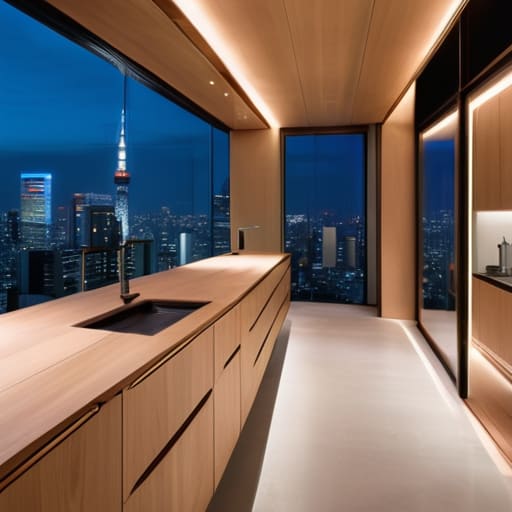
When you step into a unit perched forty stories above the pavement, the first thing you notice isn’t the square footage—it’s the efficiency. In these spaces, every millimeter is accounted for. Unlike the sprawling suburban homes I managed logistics for in my younger years, these apartments rely on compact urban living solutions that feel more like a well-oiled machine than a residence. You see it in the built-in cabinetry that hugs the walls and the multi-functional furniture designed to disappear when not in use. It is a masterclass in maximizing utility without sacrificing dignity.
Living within the framework of vertical urbanism in Japan requires a different kind of mental spatial awareness. You learn to appreciate the elegance of a kitchen that serves as both a prep station and a dining nook, or a bathroom that feels like a private sanctuary despite its footprint. It isn’t about deprivation; it is about the precision of design. When you live this high up, the clutter of the street below vanishes, leaving you with nothing but the essential, much like the clean lines of a well-composed film photograph.
Navigating High Rise Residential Amenities With Intent
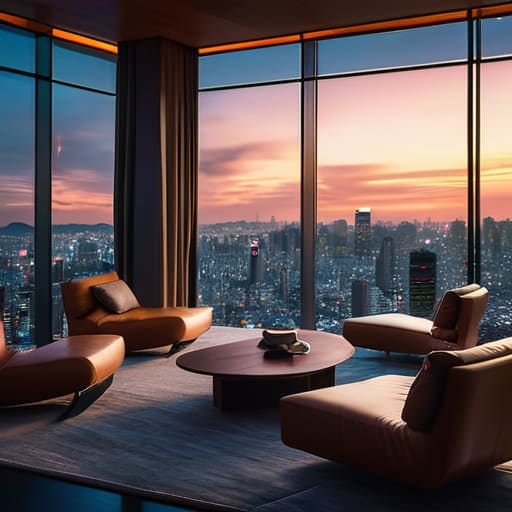
In my experience, the true value of high-rise residential amenities isn’t found in the marble lobbies or the sheer scale of the fitness centers, but in how they facilitate a sense of community within the vacuum of vertical urbanism. In a city as dense as this, these shared spaces act as necessary lungs for the building. I’ve found that the most meaningful observations happen in the communal lounges or the rooftop gardens, where the frantic pace of the street below is replaced by a shared, quiet appreciation for the metropolitan skyline views.
When evaluating these spaces, I tend to look past the marketing gloss of luxury skyscraper apartments Tokyo often advertises. Instead, I look for functionality. A well-designed concierge desk or a quiet, tucked-away reading nook tells you more about the building’s soul than a flashy gym ever could. It is about finding that rare equilibrium where the convenience of modern infrastructure meets a genuine sense of sanctuary. For those of us who value order, these amenities are not mere luxuries; they are the essential tools for maintaining composure amidst the relentless movement of the city.
The Logistics of Verticality: Five Practical Realities
- Master the rhythm of the elevator banks. In a tower of three hundred units, the morning rush isn’t just a concept; it’s a predictable, mechanical bottleneck. I’ve learned to time my departure by observing the subtle shifts in lobby activity, ensuring I’m not caught in the stagnant queue when I need to be moving.
- Prioritize light over sheer square footage. When you are living several hundred feet above the street, the way the sun traverses your living room dictates your entire mood. I always check the orientation of a unit; a north-facing view offers a steady, soft light perfect for my film development, but it can feel clinical if you aren’t prepared for it.
- Invest in high-quality acoustic dampening. People assume high-rise living is silent because you are removed from the street, but you are actually living inside a giant tuning fork. You will hear the hum of the building’s HVAC systems and the distant, rhythmic vibration of the subway lines below. A few well-placed textiles can turn a hollow space into a sanctuary.
- Map your “vertical commute” before signing a lease. It isn’t just about the walk from the front door to your unit; it’s about the logistical chain of getting groceries from the convenience store up to your kitchen. If the building’s layout is convoluted or the service elevators are poorly managed, your daily life will feel unnecessarily friction-heavy.
- Embrace the micro-climate of the high floor. Wind speeds and temperature fluctuations are significantly more pronounced at height. I’ve learned to keep a specific set of heavy, thermal curtains on hand—not just for privacy, but to manage the thermal drift that comes with being closer to the elements and the building’s glass skin.
The Logistics of Vertical Life
Success in a high-rise depends on mastering the transit of your own daily routine; efficiency isn’t just about the elevator speed, but how well you curate your limited square footage to prevent domestic friction.
True luxury in the clouds is found in the quiet intersections—the communal lounges or rooftop gardens—where you can observe the city’s rhythm without being swallowed by its noise.
Living at height requires a shift in perspective, moving away from the street-level chaos toward a more calculated, observant way of interacting with the urban landscape below.
The View from the Threshold
There is a peculiar, quiet tension in living fifty stories above the pavement; you are physically untethered from the street-level grit, yet you spend your evenings watching the rhythmic, mechanical heartbeat of the city pulse far below your window.
Rurik Salonen
The View from the Tenth Floor
Ultimately, high-rise living in Tokyo is a lesson in efficient geometry. We have explored how these vertical ecosystems solve the riddle of extreme density through clever, compact design and how the shared amenities—from those quiet fitness centers to the communal lounges—act as the social glue for a population often isolated by height. It is not merely about having a smaller footprint or a better view; it is about the logistical elegance of a life lived upward. When you master the flow of these spaces, you stop fighting the density and start working with it, finding a way to thrive within the structured constraints of the skyline.
As I sit here with my notebook, watching the lights of Shinjuku flicker like a distant circuit board, I am reminded that the height of your dwelling doesn’t dictate the depth of your experience. A high-rise can be a sterile box, or it can be a vantage point for understanding the city’s rhythmic pulse. If you look closely enough, even from a hundred meters up, you can see the quiet beauty in the way the city breathes. Don’t just live in the clouds to escape the world; live there to better observe the intricate, moving machinery of the life below.
Frequently Asked Questions
How do the varying levels of noise insulation in high-rise developments affect the sense of privacy and quiet?
It’s a logistical variable most overlook until they’re staring at a ceiling at 2:00 AM. In a Tokyo high-rise, privacy isn’t just about sightlines; it’s about acoustic integrity. Some developments use superior multi-layered glazing that turns a bustling intersection into a silent film. Others, however, let the vibration of the heavy transit lines or a neighbor’s footsteps seep through the floorboards. For me, true quiet is the foundation of urban sanctuary.
Beyond the view, how does living at such a high altitude impact one's connection to the street-level rhythm of the neighborhood?
There is a certain detachment that comes with altitude. When you’re forty stories up, the frantic energy of Shinjuku or Shibuya transforms into a silent, rhythmic ballet of lights. You lose the immediate sensory feedback—the smell of street food, the sudden gust of wind between buildings—which can feel isolating. To stay grounded, I make it a point to descend. I find that a deliberate walk through the local shotengai is essential to recalibrate my sense of scale.
What are the practical logistical challenges of managing daily errands and grocery deliveries when living in a vertical community?
The logistics of vertical living are often underestimated until you’re standing in a lobby with four heavy bags. In a high-rise, your “last mile” is actually the last hundred meters of elevator transit. You learn to time grocery deliveries around peak commuter hours to avoid being trapped in a metal box with a hundred salarymen. It requires a certain rhythmic discipline—calculating the weight of your errands against the predictable cadence of the building’s service lifts.
