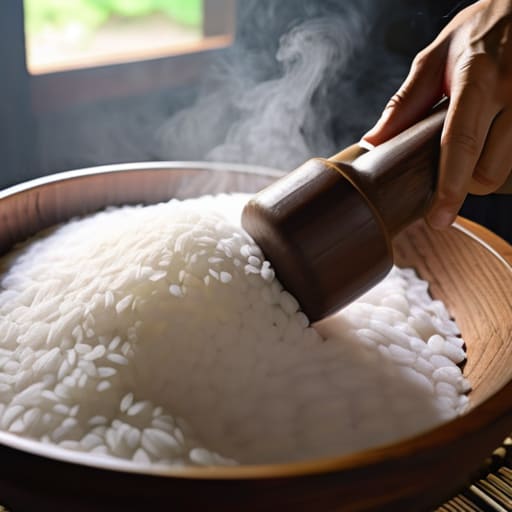
I remember standing in a small, steam-filled workshop on the outskirts of Kyoto, watching an elderly man work a heavy wooden mallet with a precision that defied his age. There was no high-tech machinery or sanitized, automated assembly line; there was only the rhythmic, bone-deep thud of wood hitting grain and the scent of toasted rice hanging heavy in the humid air. Most people treat the mochi making process as a mere culinary step or a tourist spectacle to be photographed and forgotten, but they miss the mechanical soul of it. It isn’t about following a sterile recipe; it is about understanding the physical transition of matter from hard grain to a living, elastic texture.
I have no interest in the over-sanitized, “perfect” versions you see in glossy lifestyle magazines that strip away the grit and the effort. Instead, I want to show you the actual logistics of the craft. I’m going to strip away the fluff and walk you through the essential mechanics of how this transformation happens, from the initial steam to the final, delicate shaping. You won’t find any hollow hype here—just a grounded, step-by-step look at how to master the true rhythm of the work.
Table of Contents
Glutinous Rice Flour Preparation Seeking the Foundation
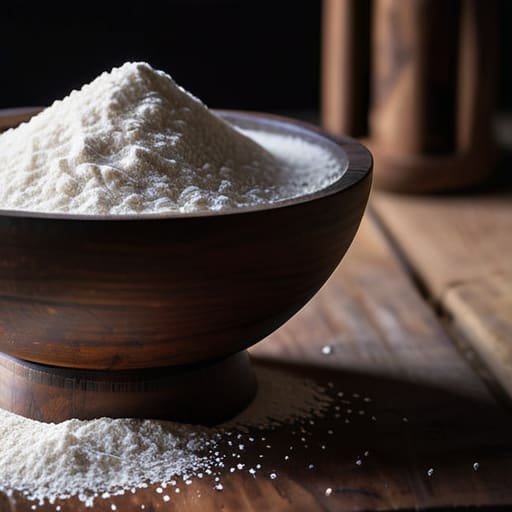
Before the heavy rhythm of the mallet begins, there is a quiet, essential stage of preparation that most travelers overlook. In my years of logistics, I learned that a system is only as reliable as its raw components. The same holds true here. The foundation of any successful batch lies in the glutinous rice flour preparation, a stage that demands a certain patience. You cannot rush the grain. Whether you are using whole grains for a more traditional approach or high-quality flour for a smoother finish, the moisture content must be managed with surgical precision.
I often find myself sketching the way steam rises from the steaming baskets in my notebook, noting how the humidity in the air seems to change the very character of the room. This is where the mochi texture and consistency are truly decided. If the rice is under-steamed, the resulting dough will be stubborn and fractured; if over-soaked, it loses its structural integrity. It is a delicate equilibrium, a silent negotiation between water and starch that sets the stage for the physical labor to come.
The Rhythms of Traditional Mochi Pounding Technique
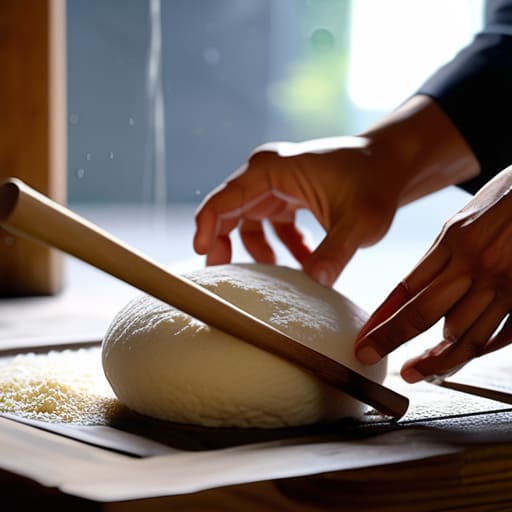
There is a specific kind of discipline required when the traditional mochi pounding technique begins. It isn’t merely about strength; it is about the synchronization of two people acting as a single, efficient unit. One person wields the heavy wooden kine, driving it into the stone mortar with a steady, downward force, while the other works with lightning speed to flip and dampen the dough. If the timing is off by even a fraction of a second, the rhythm breaks. It reminded me of the precision I used to demand in a well-oiled logistics hub—everything must move in concert to prevent a bottleneck.
As the heavy strikes continue, you can see the transformation happening in real-time. The grainy, separate clumps of rice begin to surrender, merging into a singular, cohesive mass. This is where the mochi texture and consistency are truly forged. You aren’t just shaping food; you are witnessing a physical transition from starch to silk. It is a heavy, percussive dance that demands your full attention, turning a simple task into a profound study of human coordination.
The Fine Details: Small Adjustments for a Perfect Result
- Watch the moisture levels with a critical eye; the line between a supple dough and a sticky, unmanageable mess is thinner than a subway map, and it requires constant, subtle adjustments of water or starch.
- Respect the temperature of your tools; if the wooden mallets or the stone basins hold too much residual heat, they can prematurely alter the texture of the rice, stripping away that essential, elastic soul.
- Do not rush the cooling phase; just as a complex supply chain needs time to settle, the mochi needs a controlled descent in temperature to stabilize its structure before you attempt to shape it.
- Keep your dusting starch—usually katakuriko—at a minimum; too much powder acts like grit in a well-oiled machine, dulling the clean, translucent finish that defines high-quality mochi.
- Listen to the sound of the impact; a seasoned maker doesn’t just watch the rice, they listen to the change in the thud of the mallet, which signals exactly when the grains have finally surrendered their individual identities to become one.
Lessons from the Mortar and Pestle
True quality is a product of patience; you cannot rush the transformation of grain into dough without losing the soul of the texture.
Precision in the foundation—the preparation of the rice—is just as critical as the strength of the person wielding the mallet.
There is a profound, functional beauty in repetitive labor that demands both physical rhythm and a calm, steady mind.
The Weight of the Moment
You can see it in the way the steam rises and the mallet falls—a precise, heavy cadence that reminds you that perfection isn’t something you manufacture, but something you labor toward through rhythm and patience.
Rurik Salonen
The Soul in the Grain
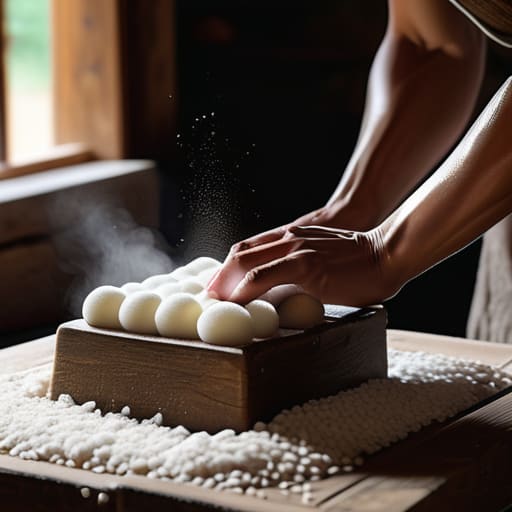
Looking back at the sequence—from the meticulous selection of the glutinous rice to the heavy, synchronized cadence of the pounding—one realizes that mochi making is less about a recipe and more about a logistical harmony. It requires a precise balance of heat, moisture, and physical force. If the flour is poorly prepared or the rhythm of the mallet falters, the entire structure collapses into something uninspired. To master the process is to respect the delicate interplay between raw ingredients and disciplined technique, ensuring that the final product possesses that singular, elastic grace that defines the craft.
As I sit here in this small corner of the city, watching the steam rise from a fresh batch, I am reminded that the best things in life rarely happen through haste. We live in an era of instant gratification, of processed convenience and automated speed, yet the mochi demands our patience. There is a profound, quiet dignity in doing things the slow way. It teaches us that when we stop rushing through the transit of our lives, we might finally notice the unseen beauty in the labor itself. Sometimes, the most meaningful truths are found not in the destination, but in the steady, rhythmic pulse of the work.
Frequently Asked Questions
How does the temperature of the environment affect the texture and shelf life of the finished mochi?
The climate is a silent partner in this process. In the humid heat of a Tokyo summer, the mochi absorbs moisture from the air, turning tacky and losing its structural integrity far too quickly. Conversely, a dry, cool environment can draw the moisture out, leaving the surface brittle. To preserve that perfect, elastic pull, I find it best to store them in a cool, stable space—protecting the delicate balance between softness and longevity.
Is there a specific way to tell if the rice has been steamed sufficiently before the pounding begins?
You don’t look for a timer; you look for the translucency. When I watch the steam rise, I’m searching for that specific moment when the opaque, chalky white of the raw grain gives way to a soft, pearlescent sheen. If you press a grain between your fingers, it shouldn’t resist. It should yield completely, feeling tender and slightly tacky, without a hard, starchy core remaining. That subtle shift in texture is the signal to begin.
Beyond the traditional wooden mallets, are there ways to replicate that specific elasticity in a modern home kitchen?
In a modern kitchen, you lack the heavy kine and the rhythmic impact of the mallet, but you can still chase that texture. A heavy-duty stand mixer with a paddle attachment can work, provided you move in short, decisive bursts to avoid overheating. However, for true elasticity, I find a hand-held whisk or even a wooden spoon works better. It requires more effort, but that manual resistance is how you truly feel the dough’s transformation.
