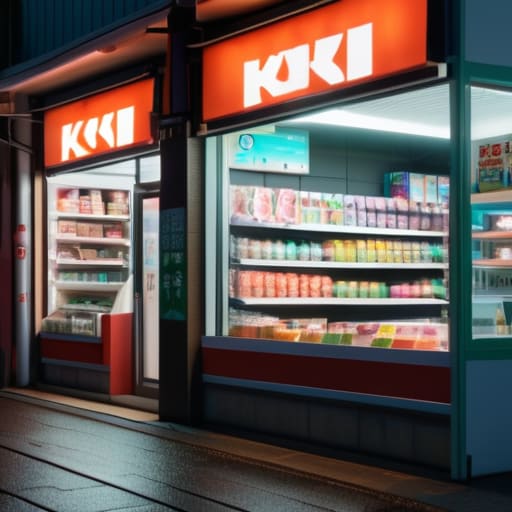
I was standing on a rain-slicked corner in Shinjuku last Tuesday, my Leica heavy around my neck and my notebook damp, when I realized that most people treat japan convenience stores as mere pit stops—unfortunate necessities between the “real” sights. They see a sterile brightly-lit box meant for grabbing a quick caffeine fix before rushing to a temple or a skyscraper. But after thirty years of studying how systems move, I’ve learned that these stores are actually the vital organs of the urban body. They are the quiet, predictable pulses that keep the chaos of Tokyo and Osaka from spiraling into true disorder.
I have no interest in giving you a curated list of “must-try” snacks designed for social media clout. Instead, I want to show you how to navigate these spaces with a logistical eye, treating them as essential tools for understanding the city’s rhythm. I will provide you with a practical blueprint for finding high-quality sustenance and navigating the subtle efficiencies of the konbini. We aren’t here for the hype; we are here to understand how these small, essential corners actually function as the lifeblood of Japanese metropolitan life.
Table of Contents
- 7 Eleven vs Lawson vs Familymart Deciphering the Urban Rhythm
- The Onigiri and Bento Options That Feed the Soul
- The Logistics of the Konbini: Five Rules for Navigating the Urban Lifeline
- The Logician’s Guide to the Konbini
- The Logistics of Comfort
- The Quiet Utility of the Konbini
- Frequently Asked Questions
7 Eleven vs Lawson vs Familymart Deciphering the Urban Rhythm
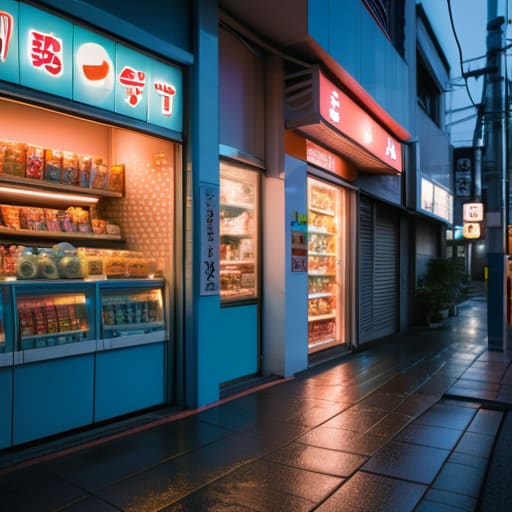
To the untrained eye, they look identical—bright lights, glass doors, and a predictable hum of refrigeration. But after years of navigating logistics, I’ve learned that even the most standardized systems have distinct operational personalities. When comparing 7-Eleven vs Lawson vs FamilyMart, you aren’t just choosing a shop; you are choosing a specific flavor of urban utility.
7-Eleven is the reliable backbone of the network, often boasting the most consistent onigiri and bento options for a quick, efficient meal. If you are looking for sheer logistical precision and a wide array of standard staples, this is your anchor. Lawson, however, feels slightly more curated, often leaning into those sweeter, dessert-heavy trends that make it a favorite for late-night cravings.
Then there is FamilyMart. There is a certain kinetic energy to their stores; they often feel like the heart of the local street life. While 7-Eleven handles the heavy lifting of daily essentials, FamilyMart often captures the seasonal konbini limited edition snacks that define the current moment. Each serves a specific niche in the city’s breathing rhythm.
The Onigiri and Bento Options That Feed the Soul
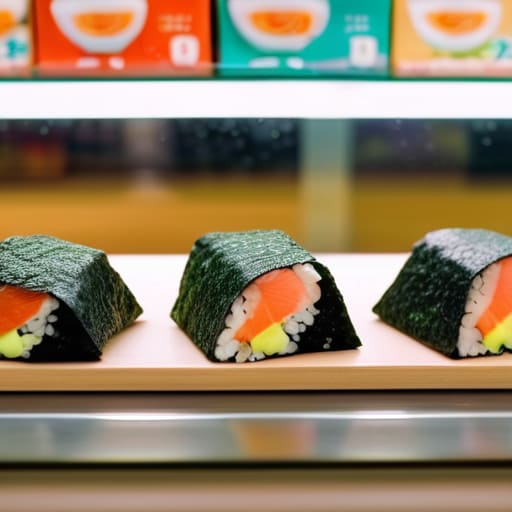
There is a specific, quiet satisfaction in selecting a meal from a refrigerated shelf while the automated chime of the entrance plays in the background. For someone who spent decades coordinating complex logistics, I find a strange comfort in the precision of their onigiri and bento options. The rice is always perfectly tempered, and the seaweed—if you catch it at the right moment—retains a crispness that defies the humidity of a Tokyo afternoon. I often find myself gravitating toward the tuna mayo or the salted salmon; they are simple, reliable, and represent the unpretentious efficiency that defines the Japanese urban experience.
If you are looking for something more substantial, the bento boxes offer a miniature study in structural integrity and color theory. A well-made meal is a microcosm of the season, often featuring seasonal konbini limited edition snacks or vegetables that signal the turning of the month. Whether it’s a chilled soba set for a humid July day or a hearty grilled mackerel box, these meals are more than just fuel. They are a way to pause and observe the city’s rhythm, one bite at a time.
The Logistics of the Konbini: Five Rules for Navigating the Urban Lifeline
- Master the art of the seasonal rotation. In my years of logistics, I learned that supply chains thrive on timing; the same applies to the konbini. Don’t just grab what’s familiar. Watch for the limited-edition seasonal items—the Sakura-flavored treats in spring or the chestnut varieties in autumn. These are the city’s way of marking time.
- Treat the multifunction machine as your silent partner. Most travelers overlook the large terminal near the entrance, but it is the heartbeat of the shop. Whether you need to pay a utility bill, print a document, or ship a small parcel to your hotel, these machines handle the heavy lifting of urban life with a quiet, mechanical efficiency.
- Respect the choreography of the counter. There is a precise, practiced rhythm to how staff handle transactions, from the way they present your change to the meticulous bagging of your items. Observe this flow; it is part of the city’s functional beauty. A polite nod and a small “Arigato” go a long way in maintaining the harmony of the exchange.
- Use the heated cabinet to your advantage, but with caution. The “hot snack” section—filled with fried chicken and croquettes—is a staple for a quick, warm meal. However, don’t rely on it for every meal; it is best used to supplement a cold bento or to bridge the gap between long transit rides when you need something substantial and immediate.
- Carry small denominations of yen. While Japan is rapidly modernizing, the convenience store remains a place where the physical reality of cash still holds weight. Relying solely on a digital wallet can lead to friction in the very moment you seek efficiency. Keeping a few 1,000-yen notes and a handful of coins in your pocket ensures you can move through the city without a hitch.
The Logician’s Guide to the Konbini
Don’t view these stores merely as snack stops; treat them as essential logistical hubs that anchor the rhythm of the neighborhood.
Master the subtle distinctions between the big three chains—Lawson for its sweets, FamilyMart for its fried staples, and 7-Eleven for its reliable, high-quality prepared meals.
Look past the bright lights and neon to find the quiet utility of a well-stocked corner, where the true pulse of Japanese urban life is most easily felt.
The Logistics of Comfort
“Most travelers see a convenience store as a mere pitstop, but to me, they are the vital circulatory system of the Japanese metropolis—small, predictable hubs of order that ensure the city’s pulse never falters, even in the deepest hours of the night.”
Rurik Salonen
The Quiet Utility of the Konbini
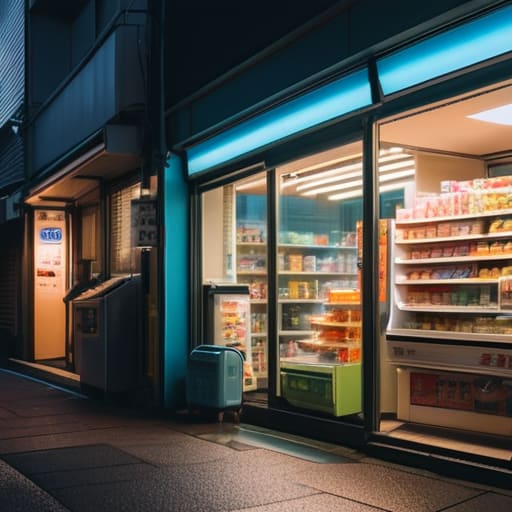
When you step back from the bright lights and the rapid-fire transactions, you realize that these stores are more than just mere retail outlets. Whether you are navigating the subtle differences between a Lawson’s premium sweets or relying on the dependable efficiency of a 7-Eleven during a late-night transit delay, you are engaging with the very infrastructure of Japanese life. We have looked at how the brands differentiate themselves and how the food serves as a reliable, high-quality anchor for the urban traveler. Ultimately, understanding these convenience stores is about recognizing how a city manages its most basic needs with unfailing precision and grace.
I often find myself sitting on a small bench near a station, my notebook open, watching the ebb and flow of people entering and exiting these glowing hubs. There is a profound, understated beauty in how these small spaces function as the steady heartbeat of the metropolis. They are the silent facilitators of the city’s motion, providing nourishment and comfort to the millions who keep the gears turning. Don’t just rush through them to grab a quick snack; take a moment to observe the order within the chaos. In the end, it is these small, functional details that truly reveal how a city breathes.
Frequently Asked Questions
How do I navigate the etiquette of using the in-store services, like paying bills or sending luggage, without feeling like I'm disrupting the flow?
The key is to view the konbini not as a shop, but as a vital terminal in the city’s logistics network. Approach the counter with your documents or luggage ready; hesitation is what breaks the flow. If you’re paying a bill, have the slip prepared. If sending a parcel, keep your paperwork organized. In a space built on precision, being prepared is the highest form of respect for the rhythm of the store.
Are there specific times of day when the quality of the fresh bento selection is at its peak?
If you want the best selection, timing is everything. I’ve learned that the real magic happens between 11:00 AM and noon, just before the lunch rush, when the shelves are replenished and the bento boxes are at their freshest. For dinner, aim for around 7:00 PM. That’s when the evening restock settles in, offering a quieter moment to pick through the premium options before the late-night crowd arrives.
Beyond the food, what are the small, practical items I should look for to make my transit through the city more seamless?
Don’t overlook the utility aisles. If you’re navigating the labyrinthine corridors of Shinjuku Station, grab a pack of high-quality wet wipes and a portable battery charger; my phone is my lifeline for maps, and a dead battery in a crowd is a logistical nightmare. Also, pick up some pocket-sized tissues and perhaps a small, sturdy umbrella. In a city that moves this fast, these small, tactile tools are what keep your momentum steady.
