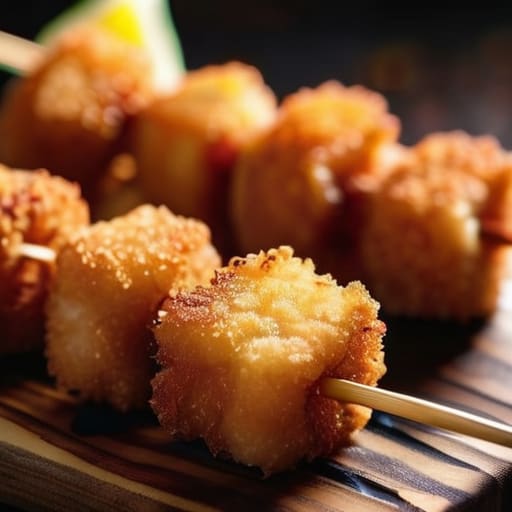
I was sitting in a polished, glass-fronted eatery in Shinsaibashi last Tuesday, watching a group of tourists struggle through a menu of “gourmet” fusion bites that cost more than a decent bottle of sake. It struck me then how much the essence of the city gets lost when we try to dress up its simplest joys. People treat kushikatsu fried skewers like they need a Michelin star or a complex explanation to be valid, but that’s a fundamental misunderstanding of the craft. The real magic isn’t in the plating or the presentation; it’s in that perfect, rhythmic crunch of a well-executed batter that has been mastered through decades of repetition in a narrow, steam-filled kitchen.
I’m not here to give you a curated list of overpriced tourist traps or a lecture on culinary trends. Instead, I want to show you how to find the stalls where the grease is honest and the atmosphere is thick with the unfiltered pulse of Osaka. I’ll guide you toward the cramped, functional spaces where the logistics of the kitchen and the quality of the oil tell a story of efficiency and tradition. We are going to skip the hype and focus on finding the true soul of the street, one skewer at a time.
Table of Contents
Tracing Traditional Osaka Cuisine Through Golden Crusts
Tracing Traditional Osaka Cuisine Through Golden Crusts
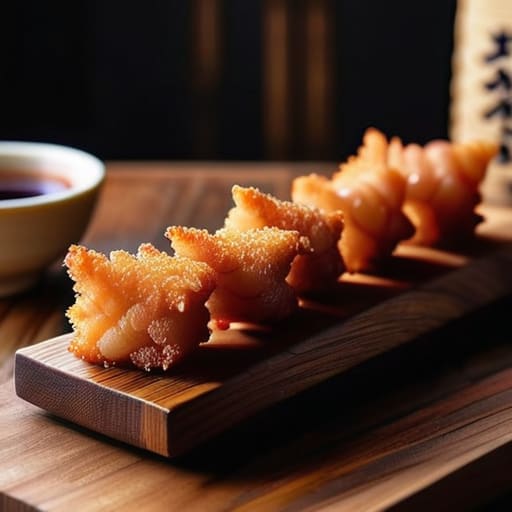
To understand the rhythm of Osaka, you have to look past the neon lights of Dotonbori and focus on the steam rising from a communal fryer. This isn’t fine dining; it is a study in efficiency and local pride. When I sit at these narrow wooden counters, I am struck by how traditional Osaka cuisine relies on such a narrow margin of error. The goal is a precise, airy panko breadcrumb texture—a golden shell that protects the integrity of the ingredient inside without becoming a heavy, oil-soaked burden.
The beauty lies in the selection. You’ll see a master at work, prepping a rotating inventory of seasonal finds. While some gravitate toward the heavier options, I find the most clarity in the simpler pairings; a single piece of lotus root or a firm quail egg tells a story of regional agriculture. Of course, one must respect the unspoken laws of the table. There is a strict kushikatsu dipping sauce etiquette that governs the experience: one dip, no double-dipping, and a shared respect for the communal vessel. It is a small, disciplined ritual that keeps the chaos of the city at bay.
The Panko Breadcrumb Texture of a Citys Soul
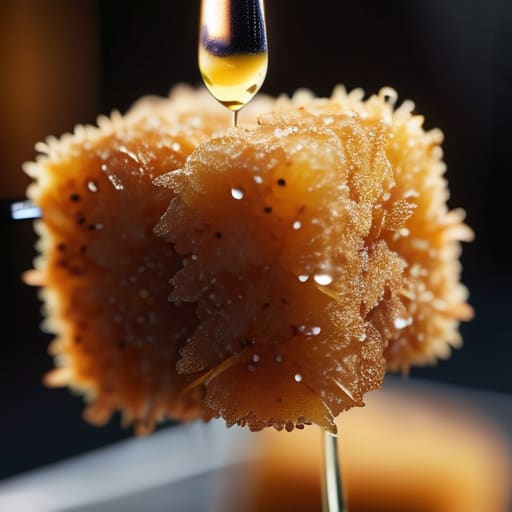
There is a specific, almost rhythmic quality to the sound of a well-executed fry. As I sat at a scarred wooden counter in Shinsekai last Tuesday, I realized that the panko breadcrumb texture is not merely a culinary choice; it is a structural necessity. Unlike the heavy, doughy batters found in Western frying, these airy, jagged flakes create a protective shell that preserves the integrity of what lies within. Whether it is a piece of tender lotus root or a morsel of quail, the crunch provides a momentary barrier before the heat of the oil gives way to the steam of the ingredient.
To master this dish, one must respect the delicate balance of the kushikatsu ingredients list. It isn’t about complexity, but about the precision of the coating. I watched a chef work with the efficiency of a seasoned logistics manager, his movements minimizing waste while maximizing the golden surface area. When you finally dip a skewer into the communal vat, remember the unspoken kushikatsu dipping sauce etiquette: a single, decisive dip is all that is required. To double-dip is to disrupt the flow of the entire kitchen—a breach of the very order that makes these small stalls function so beautifully.
The Logistics of the Perfect Bite: A Few Rules for the Kushikatsu Counter
- Respect the “No Double Dipping” rule with absolute discipline. In these cramped, communal spaces, the shared sauce tin is a matter of public hygiene and unspoken social contract; dip once, and only once.
- Order with a sense of rhythm rather than greed. Start with the lighter, vegetable-based skewers to prime your palate before moving into the heavier, protein-rich options that demand more of your attention.
- Watch the oil, not just the skewer. A skilled chef manages the temperature of the vat like a finely tuned engine; if the crust feels heavy or greasy rather than crisp, the logistics of the fry have failed.
- Embrace the chaos of the small stall. The best kushikatsu isn’t found in a polished dining room, but in the narrow, steam-filled corridors where the noise of the city provides the only soundtrack you need.
- Use your senses to gauge the freshness. A truly exceptional skewer should have a distinct, clean snap when you bite through the panko, a sign that the ingredients were sourced with the same precision I once demanded in my supply chain days.
The Logistics of Flavor: Three Lessons from the Skewer
Beyond the grease and the crunch, kushikatsu is a study in efficiency; it is a masterclass in how a city feeds its workers quickly, without sacrificing the integrity of the ingredient.
To truly understand Osaka, you must look past the neon lights of Dotonbori and find the quiet, steam-filled stalls where the rhythm of the frying pan dictates the pace of the neighborhood.
The perfection of the dish lies in its tactile details—the precise weight of the panko coating and the communal ritual of the shared sauce—reminding us that even in a sprawling metropolis, connection is found in the smallest, most functional traditions.
The Logistics of Flavor
“There is a precise, almost mathematical elegance to a perfect kushikatsu; it is the intersection of heat, timing, and texture, serving as a small, golden anchor in the frantic rush of an Osaka evening.”
Rurik Salonen
The Final Bite
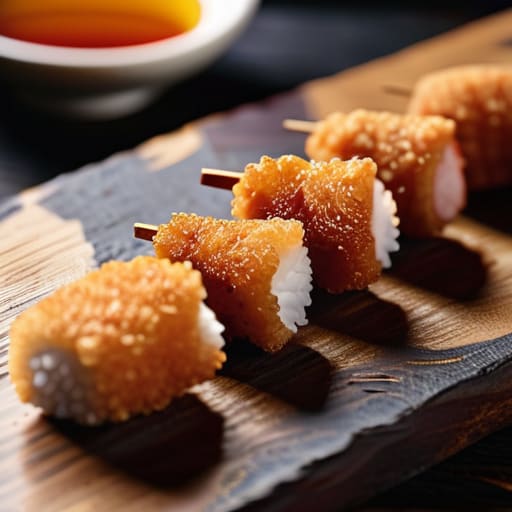
Looking back at the layers we have peeled away, it becomes clear that kushikatsu is far more than a mere snack of deep-fried protein. It is a masterclass in logistical precision, from the careful temperature control of the oil to the specific, granular selection of panko that creates that signature, golden architecture. We have seen how these skewers act as a culinary map of Osaka, tracing the city’s history through everything from humble lotus root to premium wagyu. To eat here is to witness a meticulous ritual of texture and timing, where the crunch of the breading serves as a bridge between the city’s gritty industrial past and its vibrant, modern culinary present.
As I sit here in a dim corner of Shinsekai, sketching the movement of the crowd in my notebook, I am reminded that the most profound truths are rarely found in the grand gestures of a city. They are found in the steam rising from a communal fryer and the shared silence of strangers enjoying a meal. Don’t just seek out the famous spots; instead, look for the stalls where the grease on the counter tells a story of decades of consistency. If you listen closely to the rhythm of the kitchen, you will realize that finding the soul of a city often requires nothing more than a simple skewer and the patience to truly taste it.
Frequently Asked Questions
Is there a specific etiquette I should follow when sharing the communal sauce at these traditional stalls?
The rule is simple, yet absolute: no double-dipping. In these cramped, shared spaces, the communal sauce tin is a single entity. You dip your skewer once, enjoy the crunch, and move on. It isn’t just about hygiene; it’s about the collective respect for the person sitting next to you. I’ve seen many a newcomer hesitate, but once you grasp the rhythm of the stall, the etiquette becomes second nature.
How can I tell the difference between a standard snack and a truly high-quality kushikatsu prepared by a master?
It comes down to the physics of the bite. A standard snack leaves you with a heavy, oil-soaked coating that sits in your stomach like lead. A master’s work is different; the crust is a gossamer-thin veil, providing a sharp, clean crunch that yields immediately to the ingredient beneath. You aren’t eating breadcrumbs; you are eating the texture of the protein, protected by a golden, non-greasy armor that vanishes on the tongue.
Are there certain types of ingredients I should look for to experience the most authentic seasonal flavors of Osaka?
If you want to taste the seasons, look toward the sea and the soil. In the spring, seek out bamboo shoots or seasonal white fish; they offer a lightness that cuts through the oil. As summer approaches, look for lotus root or seasonal vegetables that provide a necessary crunch. I’ve found that the most authentic stalls don’t have massive menus—they have small, rotating lists dictated by what arrived at the market that morning.
