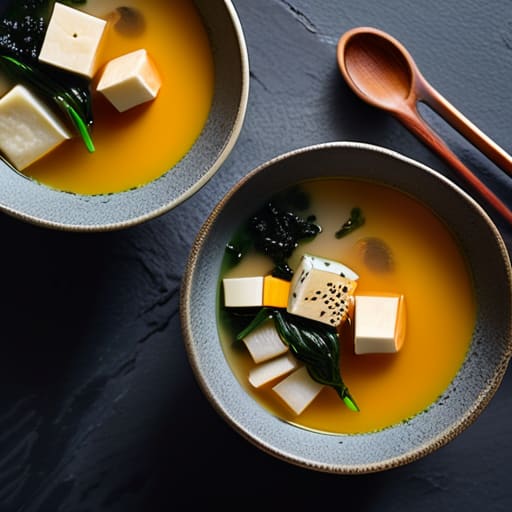
I was sitting in a cramped, steam-filled corner of a basement eatery near Shinjuku Station last Tuesday, watching a salaryman nurse a bowl of broth with a focus usually reserved for high-stakes negotiations. Most travel guides will try to sell you on the “exotic” complexity of different miso soup varieties, treating them like fine wines to be swirled and sniffed. But that’s nonsense. To me, the real distinction isn’t about pretension; it’s about the functional soul of the bowl—how a dark, heavy red miso can anchor a cold morning, while a pale, delicate white variety acts as a gentle palate cleanser after a heavy meal.
I have no interest in the polished, tourist-friendly versions of these recipes you find in glossy magazines. Instead, I want to walk you through the logistics of flavor—the actual, grounded differences in fermentation, color, and character that define the various miso soup varieties you’ll encounter in the real Japan. My goal is to give you a practical map of these subtle shifts, so you can stop looking for the “best” soup and start recognizing the right one for the moment.
Table of Contents
Decoding the Umami Flavor Profile in Every Spoonful
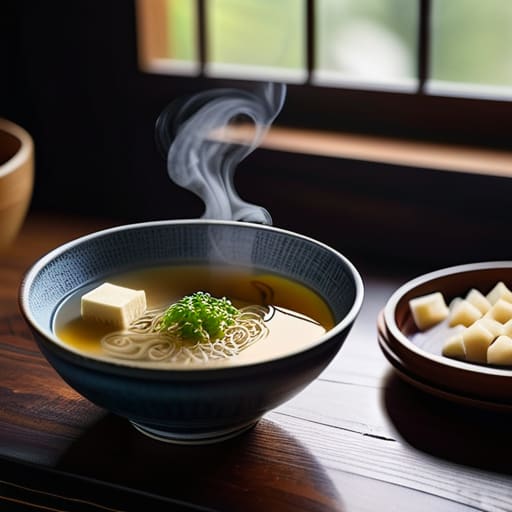
To understand the depth of a good broth, one must look past the steam and focus on the foundation. In my years of logistics, I learned that the strength of a system lies in its base components; the same is true here. The true complexity of the umami flavor profile begins long before the paste hits the pot. It starts with the choice of dashi. I often find myself weighing the subtle, sea-scented clarity of kombu dashi against the more aggressive, smoky punch of bonito dashi. While the former offers a cleaner, more minimalist canvas, the latter provides a structural weight that anchors the entire bowl.
The character shifts dramatically once you introduce the fermented elements. Understanding the white vs red miso differences is essential for anyone trying to map the culinary landscape of a neighborhood. White miso, or shiro miso, is lighter and carries a delicate sweetness that feels appropriate for a quiet morning. Red miso, conversely, is fermented longer, yielding a saltier, more robust profile that commands attention. When these are paired with thoughtful tofu and seaweed additions, the soup ceases to be mere sustenance and becomes a study in balance.
White vs Red Miso Differences a Study in Fermentation
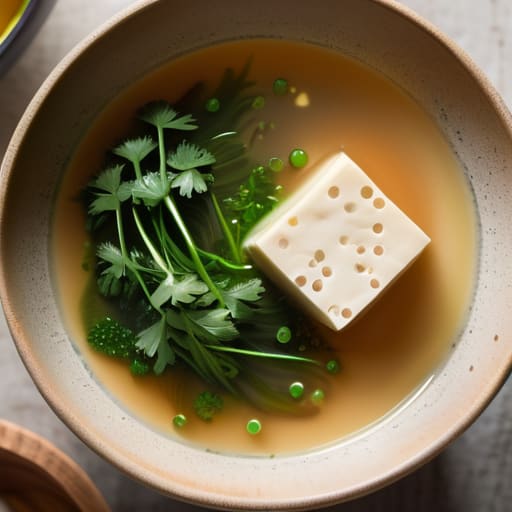
To understand the nuances of these pastes, one must look past the color and see the clock. In my years of managing logistics, I learned that timing dictates everything; fermentation is no different. White miso, or shiro miso, is the product of a shorter, gentler aging process. It possesses a subtle, almost creamy sweetness that feels light on the palate. I often find it paired with delicate tofu and seaweed additions during a quiet morning, providing a soft introduction to the day without overwhelming the senses.
In contrast, red miso—aka miso—is a study in patience and intensity. It has been left to mature in wooden vats for months, perhaps even years, resulting in a deep, salty complexity that commands attention. When I encounter this variety in a small izakaya, it feels more substantial, more grounded. The white vs red miso differences aren’t just about hue; they represent a spectrum of fermentation that dictates how a dish breathes. While white miso offers a fleeting, bright note, red miso provides a heavy, resonant bassline that anchors the entire meal.
A Logician’s Guide to Navigating the Miso Landscape
- Respect the dashi foundation. Just as a global supply chain relies on its primary arteries, a miso soup is only as strong as its base broth. If you are dining in a neighborhood shop, pay attention to whether they use katsuobushi (bonito) or kombu (kelp); the broth is the silent architecture upon which the miso rests.
- Match the weight of the paste to the density of the ingredients. If you find yourself in a stall serving hearty, chunky vegetables or thick tofu, look for a darker, more robust red miso. For lighter, more delicate seasonal greens, a pale white miso will preserve the subtle nuances without overwhelming them.
- Observe the seasonal rhythm. In my travels through Osaka, I’ve noticed that the varieties often shift with the weather. Heavy, fermented pastes feel more grounding during the damp, humid summer months, while lighter, clearer broths offer a necessary clarity during the biting chill of winter.
- Don’t rush the infusion. If you are preparing this at home, never boil the miso paste itself. High heat destroys the delicate enzymes and the complex soul of the fermentation. Whisk it in at the very last moment, much like the final calibration of a complex logistical plan.
- Look for the “hidden” varieties in regional specialties. Don’t limit your search to the standard supermarket labels. Some of the most profound experiences I’ve had involve local, artisanal pastes found in small, non-descript shops near transit hubs—pastes that carry the specific salinity and character of their home prefecture.
The Logistics of a Perfect Bowl
Understanding that miso is not a monolith, but a spectrum of fermentation where the color and saltiness dictate the dish’s role in a meal’s rhythm.
Recognizing that the true soul of the soup lies in the quality of the dashi, the invisible foundation that carries the miso’s character through the broth.
Learning to seek out the regional variations found in neighborhood stalls, where the specific blend of paste often tells the story of the local terrain.
The Logistics of Flavor
“Much like a well-oiled transit network, a perfect bowl of miso is a study in balance; it isn’t just about the salt or the grain, but how the specific depth of the fermentation interacts with the broth to create a momentary, quiet equilibrium in the middle of a frantic day.”
Rurik Salonen
The Final Sip
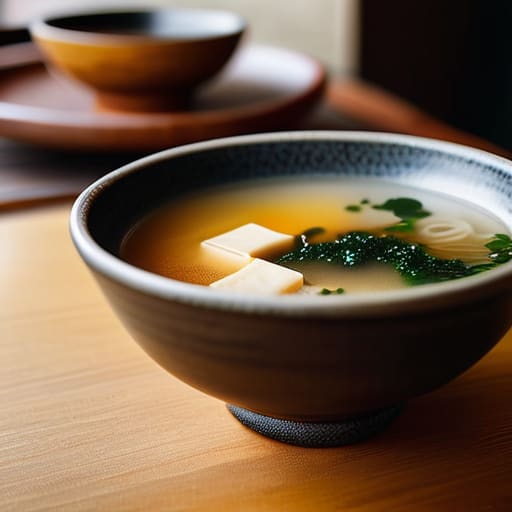
As I sit here in this small corner of Shimokitazawa, watching the steam rise from my bowl, the complexity of what we have discussed becomes clear. Whether it is the delicate, slightly sweet notes of a white miso or the deep, fermented intensity of a red variety, each bowl is a result of careful, patient timing. We have looked at how the salinity, the color, and the specific fermentation process dictate the character of the broth. To truly understand miso is to understand that there is no single “correct” way to enjoy it; rather, there is a vast spectrum of flavor that responds to the ingredients paired with it, from the subtle crunch of tofu to the earthy depth of dried seaweed.
Ultimately, my time spent navigating these narrow streets has taught me that the most profound lessons aren’t found in the grand architecture, but in these small, steaming vessels. A bowl of miso soup is more than just a morning ritual or a simple side dish; it is a quiet testament to the beauty of precision. When you stop rushing through the transit hubs and start paying attention to the subtle shifts in flavor, you begin to see how a city truly breathes. I encourage you to look past the tourist menus and find your own quiet corner, where the broth tells a story that no guidebook could ever capture.
Frequently Asked Questions
How does the choice of dashi—whether it's kombu, bonito, or something more obscure—change the way the specific miso variety expresses itself?
The dashi is the foundation upon which the miso performs. If I use a clean, kelp-based kombu dashi, the delicate, sweet notes of white miso are allowed to sing without distraction. However, when I pair a robust, smoky bonito dashi with a deep red miso, the flavors engage in a heavy, structural dialogue—much like the interplay of steel and stone in a city terminal. The broth doesn’t just carry the miso; it dictates its character.
Are there certain regional miso styles in Japan that are better suited for specific times of the year or particular seasonal ingredients?
In my travels, I’ve noticed the Japanese palate shifts with the seasons, much like the changing light for my film photography. During the biting chill of winter, I find myself gravitating toward the robust, saltier red misos of Aichi; they offer a grounding warmth that feels necessary. Conversely, as spring arrives, the lighter, sweeter white misos pair beautifully with delicate seasonal greens, mirroring the subtle, fleeting freshness of the city as it wakes.
When navigating a local market or a small neighborhood eatery, what are the subtle visual cues that distinguish a freshly fermented miso from one that has been sitting on a shelf?
When I’m browsing a local market, I look for life in the texture. Freshly fermented miso rarely looks uniform; it possesses a certain luster and a slight, moist sheen. If it looks dull, dusty, or unnaturally smooth, it’s likely been sitting too long. I pay close attention to the surface—a vibrant, slightly uneven grain suggests a living culture. It’s a small detail, but in a city of precision, these subtle textures tell the real story.
