I remember sitting in a cramped, neon-lit corner of Shibuya last Tuesday, clutching a lukewarm latte that cost more than my first analog camera. I was surrounded by people filming their foam art for social media, completely oblivious to the rhythmic hiss of the espresso machine or the way the afternoon light hit the wooden counter. It struck me then that most travelers completely miss the point of japanese cafe culture by chasing the aesthetic instead of the atmosphere. They hunt for the “Instagrammable” spots, but in doing so, they overlook the functional stillness that makes these spaces so vital to the city’s rhythm.
I have no interest in pointing you toward overpriced, hollow trends. Instead, I want to show you how to navigate the labyrinth of side streets to find the places where the coffee is precise and the silence is respected. My goal is to provide a practical guide to the quiet, essential corners of the Japanese coffee scene—the kind of places where you can actually hear your own thoughts. We aren’t looking for monuments here; we are looking for the heartbeat of the neighborhood.
Table of Contents
- The Slow Rhythm of Traditional Kissaten Etiquette
- Finding Showa Era Cafe Nostalgia in Quiet Alleys
- Navigating the Quiet Rituals: A Few Practical Observations
- Lessons from the Counter: What the Cafe Teaches Us About the City
- The Architecture of Stillness
- The Geometry of a Quiet Moment
- Frequently Asked Questions
The Slow Rhythm of Traditional Kissaten Etiquette
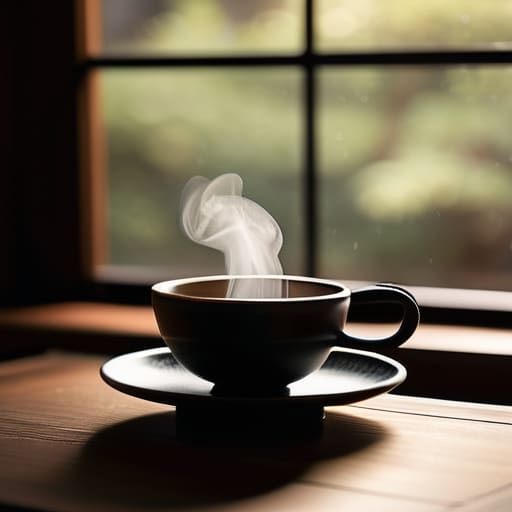
There is a specific, almost sacred tempo to a traditional kissaten that you simply won’t find in the frantic energy of the modern Tokyo coffee scene. Stepping through those heavy wooden doors feels less like entering a business and more like entering a private living room preserved in amber. Here, the service isn’t hurried; it is deliberate. You’ll notice the subtle nuances of traditional kissaten etiquette, from the silent, precise way the proprietor places your cup on the saucer to the hushed tones maintained by the patrons. It is a space designed for contemplation, not for the rapid-fire consumption of caffeine.
I often find myself sitting in these dimly lit corners, watching the light play across dark wood paneling and feeling a profound sense of Showa era cafe nostalgia. In these establishments, the ritual of the pour is as important as the bean itself. There is no rush to clear the table for the next customer. Instead, there is a quiet respect for the individual’s time, an unspoken agreement that you are permitted to simply exist within these four walls.
Finding Showa Era Cafe Nostalgia in Quiet Alleys
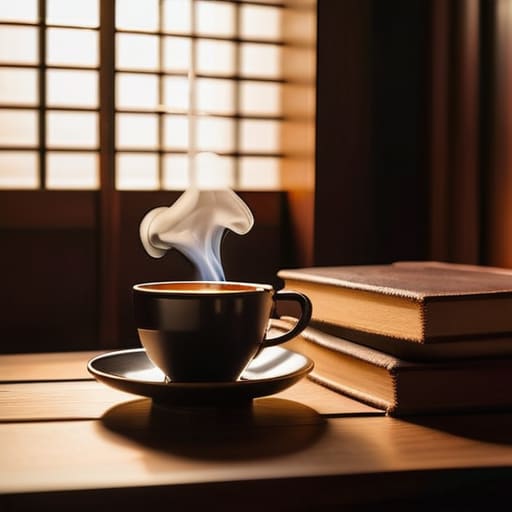
To find the true heart of Showa era cafe nostalgia, you have to abandon the main thoroughfares and follow the narrow veins of the side streets. I often find myself wandering through the residential pockets of Setagaya or the older quarters of Taito, looking for that specific, weathered wooden sign that signals a doorway to the past. These aren’t the bright, high-ceilinged spaces of the modern Tokyo coffee scene; they are dim, amber-lit sanctuaries where time seems to have congealed around the scent of dark-roast beans and old paper.
Inside, the atmosphere is heavy with a sense of permanence. You’ll find velvet upholstery that has smoothed over decades of use and heavy glass ashtrays that serve as silent monuments to a different age. There is a profound, unspoken dignity in these spaces. While the world outside rushes toward the next digital convenience, these small establishments remain anchored. It is in these quiet, shadowed corners—away from the neon glare—that I feel I am finally witnessing the authentic pulse of the city as it used to be.
Navigating the Quiet Rituals: A Few Practical Observations
- Respect the silence of the Kissaten; these spaces are designed for contemplation, not for loud conversation or frantic typing, so keep your presence as unobtrusive as possible.
- Don’t rush the process; in many traditional establishments, the coffee is brewed with a deliberate, slow precision that demands you sit back and wait for the craft to unfold.
- Observe the unspoken etiquette of space; if you are a solo traveler, a small corner seat or a spot at the counter is often more respectful to the flow of the shop than occupying a larger table.
- Carry small denominations of yen; while modern Tokyo is increasingly digital, the soul of the neighborhood cafe often resides in small, family-run shops that still prefer the tactile simplicity of cash.
- Watch the staff’s movements; there is a subtle choreography to how they serve, and mirroring that level of calm and order will make your experience—and theirs—far more seamless.
Lessons from the Counter: What the Cafe Teaches Us About the City
To truly understand a neighborhood, look past the bright lights of the main thoroughfares and seek out the quiet, dimly lit corners where the locals find their rhythm.
Respect the unspoken rules of the space; in a world of constant noise, the deliberate silence of a well-run cafe is a functional necessity, not an inconvenience.
Value the texture of history over the sheen of modernity, finding more meaning in a weathered wooden counter than in the most polished, trend-driven establishment.
The Architecture of Stillness
A cafe in Japan isn’t just a place to consume caffeine; it is a finely tuned mechanism for pausing. Whether it’s the precise pour of a master in a dim Kissaten or the solitary hum of a corner shop, these spaces provide the necessary friction to slow down a world that is otherwise moving much too fast.
Rurik Salonen
The Geometry of a Quiet Moment

Whether you find yourself navigating the strict, polished etiquette of a high-end kissaten or stumbling upon a weathered Showa-era relic tucked behind a Shinjuku subway exit, the essence of Japanese cafe culture remains the same. It is a deliberate rejection of the frantic pace that defines the modern metropolis. Through these spaces, we see how a simple cup of coffee can serve as an anchor, bridging the gap between the relentless momentum of the city and the internal need for stillness. We have explored how these establishments are not merely businesses, but carefully curated environments that preserve a specific, measured way of being in a world that rarely stops to breathe.
As I sit here, sketching the intersection of a narrow alleyway in my notebook, I am reminded that the most profound urban experiences aren’t found in the neon glare of Shibuya Crossing. They are found in the transition—the moment you step off a crowded train and into the hushed, cedar-scented air of a backstreet sanctuary. To truly understand Japan, you must learn to look for these small, functional pauses in the logistical flow of the streets. Don’t just visit the landmarks; seek out the corners where the city finally slows down. That is where you will find its true, beating heart.
Frequently Asked Questions
How can I distinguish between a modern specialty coffee shop and a traditional kissaten just by looking at the storefront?
It’s a matter of visual logistics. If you see floor-to-ceiling glass, minimalist wood, and a bright, clinical light, you’ve found a modern specialty shop—they want the street to see the craft. But a kissaten? It hides. Look for heavy wooden doors, small, frosted windows, or a dim, recessed entryway. They aren’t trying to recruit the passerby; they are preserving a sanctuary for those who already know how to find them.
Are there specific social etiquettes I should follow to avoid disrupting the quiet atmosphere of these smaller establishments?
In these smaller spaces, silence isn’t an absence of sound; it’s a shared respect. Keep your phone on silent—the sharp vibration of a notification can feel like a hammer blow in a quiet kissaten. If you must take a call, step outside. Speak in low tones, and try to avoid the heavy clatter of a laptop. I find that observing more than observing loudly allows you to truly settle into the room’s natural rhythm.
Is it common to spend several hours with a single cup of coffee, or is there an unspoken expectation to move along?
In a traditional kissaten, time seems to bend differently. You won’t find the frantic “turnover” culture of a Starbucks here. If you’re tucked into a corner with a book and a single, well-made pour-over, there is an unspoken permission to linger. However, I’ve learned to read the room: if the shop is packed and patrons are waiting for tables, a respectful traveler eventually makes room. Balance is key.
