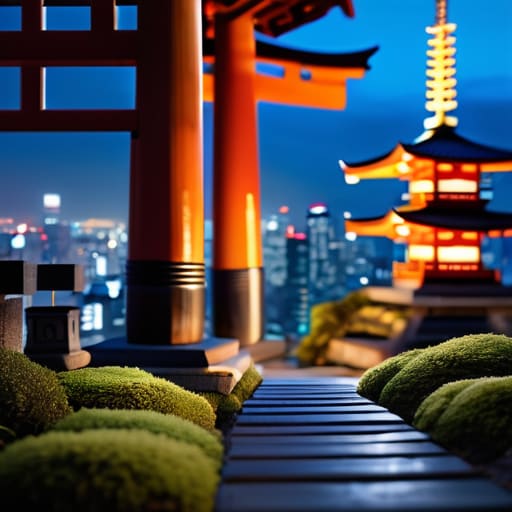
The scent of incense always hits me first, cutting through the heavy, metallic tang of the Shinjuku subway station. I remember standing there last Tuesday, my Leica hanging heavy around my neck, watching a salaryman pause for exactly three seconds before a tiny, weathered stone altar tucked between two vending machines. Most people see these urban shrines as mere clutter or architectural leftovers, something to be navigated around in their rush to catch the next train. They miss the fact that these pockets of stillness are the only things keeping the city’s frantic pace from becoming entirely inhuman.
I’m not here to give you a curated list of the most “Instagrammable” landmarks or the high-traffic tourist spots that have lost their way. Instead, I want to show you how to spot the real ones—the quiet, functional spaces that actually serve the neighborhood. I’ll share my notes on how to recognize the authentic pulse of a district through its smallest altars, helping you find that rare, meditative silence that exists right in the middle of the concrete chaos.
Table of Contents
Miniature Shrines and Street Altars the Citys Secret Breath
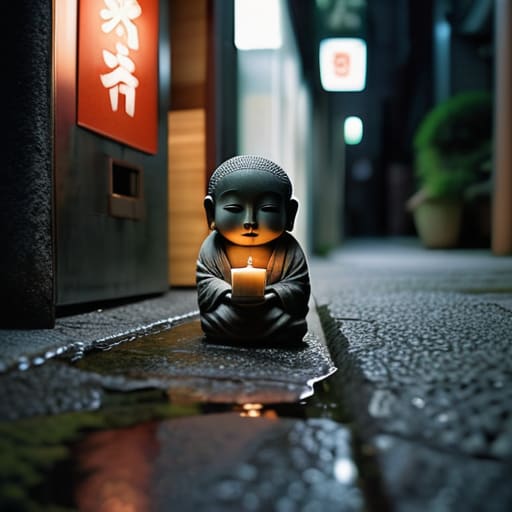
I was walking through a narrow alleyway in Setagaya last Tuesday, my Leica heavy around my neck, when I spotted one. It wasn’t a grand temple with sweeping eaves, but a tiny stone Jizo statue tucked between a vending machine and a concrete utility pole. These miniature shrines and street altars are the city’s true connective tissue. They exist in the margins, occupying the few inches of space that the relentless march of urban development hasn’t quite managed to pave over. To the salaryman rushing toward the Chuo Line, they are invisible obstacles; to me, they are the pauses in a frantic sentence.
There is a profound, quiet logic to how these sites function. They represent a seamless integration of shinto rituals and modern life, where a small offering of water or a fresh sprig of greenery sits undisturbed amidst the hum of air conditioners and passing scooters. Finding these pockets of stillness provides a unique way of finding peace in busy environments. You don’t need to find a mountain retreat to experience a sense of the sacred; sometimes, you just need to look down at the base of a telephone pole to see where the city actually breathes.
Finding Peace in Busy Environments Through Small Devotions
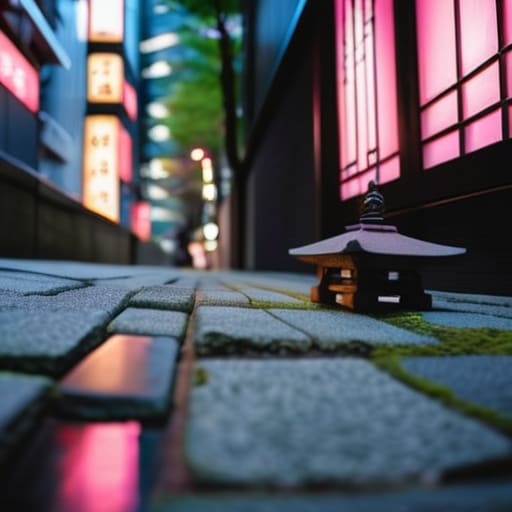
I often find myself standing on a crowded corner in Shinjuku, the neon lights blurring into a frantic smear of color, feeling the sheer weight of the city’s momentum. It is in these exact moments of sensory overload that I seek out the small, stone-carved sentinels tucked between glass skyscrapers. There is a profound, quiet logic to how these sacred spaces in metropolitan areas function; they don’t compete with the surrounding noise, but rather offer a silent counterpoint to it.
When I stop to observe a salaryman pausing for a brief, respectful bow before a tiny roadside altar, I am reminded that finding peace in busy environments isn’t about escaping the chaos, but about finding the friction points where stillness persists. These moments of Shinto rituals and modern life aren’t grand spectacles; they are micro-adjustments to the soul. They allow a person to recalibrate, if only for a second, before being swept back into the relentless flow of the crowd. It is a necessary, rhythmic breathing room that keeps the city from feeling entirely mechanical.
A Logistical Guide to Approaching the Sacred
- Don’t rush the entrance. Even if you’re just passing through a crowded corridor in Shinjuku, take a moment to acknowledge the boundary. A small, respectful nod as you pass the torii gate is all it takes to honor the space without disrupting the flow of the street.
- Watch the locals for the rhythm of ritual. You don’t need to be a scholar of Shinto to participate; simply observe how the neighborhood regulars bow or toss a coin. There is a quiet, functional choreography to these small altars that is best learned through watching rather than reading.
- Keep your eyes at street level. The most profound shrines aren’t the massive complexes with sprawling grounds; they are the ones tucked between a vending machine and a concrete pillar. If you only look up at the skyscrapers, you’ll miss the city’s actual heartbeat.
- Carry a few small coins, preferably clean ones. There is something grounding about the tactile sensation of dropping a five-yen coin into a wooden offering box. It’s a small, physical transaction that connects your personal movement to the stillness of the shrine.
- Respect the silence of the micro-environment. These tiny pockets of sanctity act as pressure valves for the city’s chaos. Even if you are only standing there for thirty seconds to capture a frame on my Leica, keep your voice low and your movements steady. Let the shrine breathe.
The Logistics of Stillness
True urban exploration isn’t measured by the landmarks you photograph, but by the quiet, functional spaces—like street-side altars—that allow a city to pause and breathe.
Learning to notice the small, tucked-away shrines amidst the transit rush is a way of understanding the city’s true rhythm and its underlying social architecture.
Finding peace in a metropolis requires a shift in perspective; you must look past the chaos of the crowd to find the steady, enduring details that most people simply walk right past.
The Geometry of Silence
A city’s true rhythm isn’t found in the roar of the Yamanote line, but in the sudden, profound stillness of a roadside altar—a small, sacred pause in the middle of a relentless logistical machine.
Rurik Salonen
The Architecture of Stillness
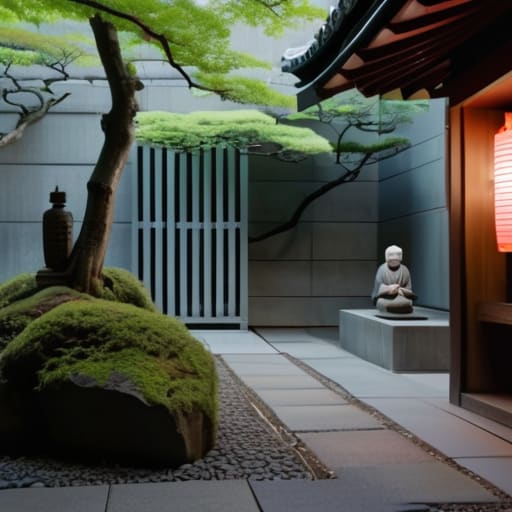
Looking back at the maps I’ve sketched and the routes I’ve walked, it becomes clear that these urban shrines are more than just religious relics. They are the essential pressure valves of the metropolis. Whether it is a tiny stone Jizo statue tucked between two vending machines or a weathered wooden gate nestled against a skyscraper, these spaces provide a necessary counterweight to the relentless momentum of the street. We have seen how they offer a moment of reprieve for the hurried salaryman and how they anchor the neighborhood in a way that no grand monument ever could. To understand a city like Tokyo or Osaka, you cannot simply look at the skyline; you must look at the gaps between the buildings.
As I pack my Leica and close my notebook, I am reminded that the true rhythm of urban life isn’t found in the roar of the subway, but in the quiet pauses that happen in between. The next time you find yourself swept up in the frantic current of a crowded sidewalk, I encourage you to slow your pace. Don’t just navigate the transit lines; look for the small, uncelebrated altars that demand nothing but a moment of your attention. In those tiny, overlooked corners, you might just find the true pulse of the city breathing right alongside you.
Frequently Asked Questions
How do I distinguish between a private family altar and a public community shrine when I encounter them on a sidewalk?
It’s a subtle distinction, but one you’ll catch if you watch the details. A community shrine usually feels “anchored”—it might have a small stone boundary, a communal offering box, or even a sign indicating its name. It’s meant for the neighborhood. A private altar, however, feels more intimate and transient. You’ll often see them tucked into a small niche in a residential wall or near a doorway, serving as a quiet, personal bridge between a family and the street.
Is there a specific etiquette I should follow when approaching these small spaces to avoid being intrusive to the locals?
When you encounter these spaces, remember you are a guest in someone’s private rhythm. I always keep a respectful distance; these aren’t tourist attractions, they are living lungs of the neighborhood. If someone is praying, wait. Avoid loud conversation or blocking the path. A simple, silent bow is enough. If you’re photographing, do it quietly. My rule is simple: observe the flow, don’t disrupt it. Respect the silence, and the city will open up to you.
Are these shrines maintained by the city, or are they kept alive by the small businesses and residents living right next to them?
It’s rarely the municipal government looking after these spots. In my experience, the city provides the pavement, but the people provide the soul. Most of these little altars are kept alive by the shopkeepers next door or the families living in the apartments above. A local florist might leave fresh blossoms, or a neighbor might sweep the stone base every morning. It’s a grassroots stewardship—a quiet, collective agreement to keep the sacred tucked within the mundane.
