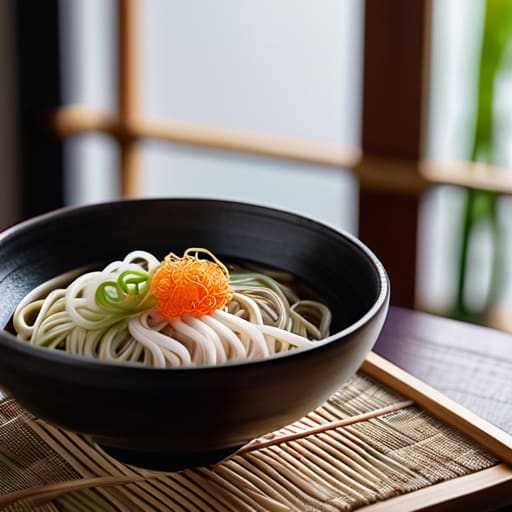
I found myself standing under the flickering neon of a Shinjuku station exit last Tuesday, my notebook tucked under my arm and a sudden, sharp hunger setting in. The dilemma is one I encounter far more often than I care to admit: the quiet, decisive battle of udon vs soba. On one hand, there is the thick, pillowy comfort of wheat, a reliable anchor in a fast-moving city; on the other, the sophisticated, earthy snap of buckwheat that demands your full attention. Most travelers treat this choice like a mere menu item, but to me, it feels like choosing between two entirely different rhythms of urban life.
I have no interest in giving you a textbook definition or a list of nutritional percentages that you could find on any generic travel site. Instead, I want to walk you through the sensory reality of these noodles. I will share what I have learned from years of sitting at cramped wooden counters, observing how the texture and temperature of each dish dictate the soul of the meal. We will look past the hype to understand which noodle truly suits your mood, your surroundings, and the specific corner of Tokyo you find yourself in.
Table of Contents
The Substantial Comfort of Udon
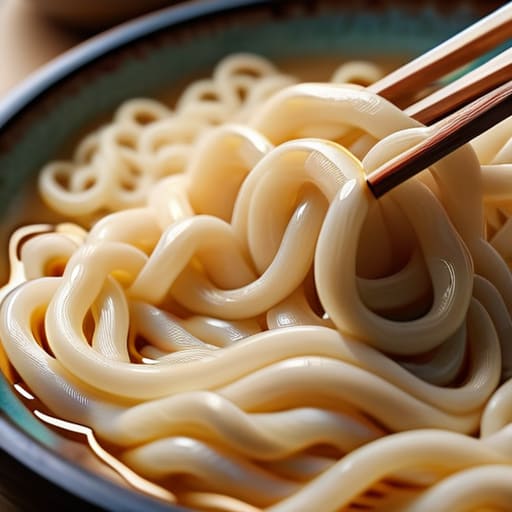
Udon consists of thick, wheat-flour noodles characterized by their smooth, white appearance and a remarkably pillowy texture. These noodles are crafted through a process of kneading and steaming that results in a heavy, chewy bite, offering a sense of satiety that few other dishes can match. Because of their simple composition, they serve as a versatile foundation for everything from light, clear dashi broths to rich, savory dipping sauces.
To me, choosing udon is about seeking a moment of uncomplicated stability amidst the rush of a Tokyo afternoon. I often find myself sitting at a wooden counter near Shinjuku Station, watching the commuters blur past the window, while I focus on the weight of the noodles in my bowl. There is a certain logistical honesty to udon; it doesn’t try to be complex or distracting. It provides a reliable, warming anchor that settles the senses, much like the predictable rhythm of a well-run transit line.
The Refined Elegance of Soba
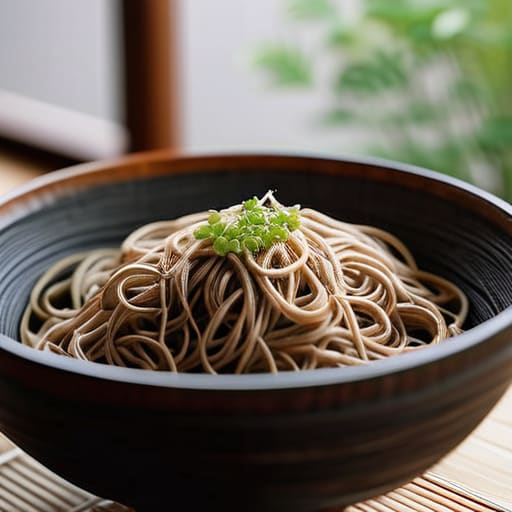
Soba is a traditional Japanese noodle made from buckwheat flour, prized for its distinctively earthy aroma and its nutty, complex flavor profile. Unlike wheat-based varieties, soba relies on the integrity of the buckwheat grain, which produces a thinner, more delicate strand that maintains a firm, slightly coarse texture. This characteristic makes it an ideal medium for showcasing the subtle nuances of seasonal ingredients and high-quality dipping liquids.
In my experience, eating soba is an exercise in mindful observation. When I sit in a quiet corner of an Osaka side street, the snap of a cold soba noodle requires a level of attention that forces me to slow down. It is a more cerebral eating experience than its thicker counterparts, demanding that you notice the slight variations in the grain and the way the buckwheat interacts with the broth. It is a sophisticated dance of texture and scent that rewards those willing to look—and taste—closer.
Comparison of Udon vs Soba Noodles
| Feature | Udon | Soba |
|---|---|---|
| Main Ingredient | Wheat flour | Buckwheat flour |
| Texture | Thick, chewy, and soft | Thin, firm, and earthy |
| Color | Pure white | Greyish-brown |
| Primary Flavor | Mild and neutral | Nutty and robust |
| Best Served | Hot in savory broth | Cold with dipping sauce |
| Nutritional Profile | High carbohydrates | High fiber and protein |
| Gluten Content | High gluten | Low to no gluten |
Wheat Noodle Characteristics and the Comfort of Softness
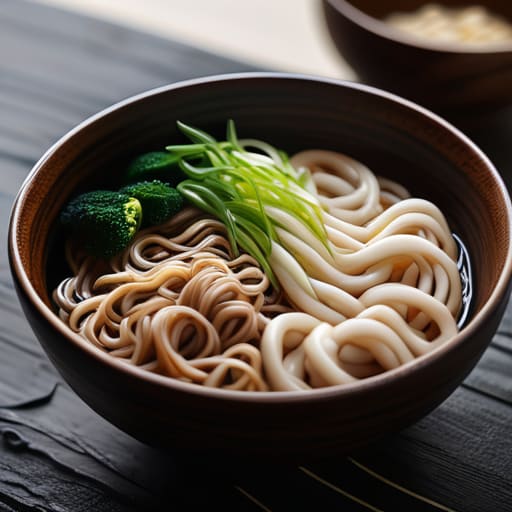
In the logistics of a meal, texture is the primary variable that dictates how a dish settles within you. While flavor profiles are subjective, the physical sensation of the noodle—the way it yields to the teeth—is a structural reality that defines the entire dining experience. Choosing between udon and soba is, at its core, a choice between different tactile philosophies.
Udon is a study in generosity. Made from wheat, these thick, pale strands prioritize a supple, pillowy resistance that feels like a physical embrace. When I find myself seeking refuge from a sudden downpour in a quiet shop near Shinjuku, it is the heavy, comforting weight of udon that provides that sense of stability. It is a predictable, reliable comfort.
Soba, conversely, is much more demanding. The buckwheat content introduces a certain granular fragility; there is a fleeting, earthy snap that requires more focus to appreciate. It lacks the cushioning effect of wheat, offering instead a refined, structural complexity that can feel somewhat austere if you are looking for pure indulgence.
For those seeking the pure, unadulterated solace of softness, udon is the undisputed winner.
Buckwheat Flour Benefits and the Earthy Soba Soul
If wheat is the comfort of a soft blanket, then buckwheat is the grit and character of the earth itself. When we look at the nutritional and sensory soul of these two noodles, we aren’t just talking about calories; we are discussing the fundamental essence of what makes a meal feel purposeful.
In the case of soba, the buckwheat flour brings a complex, nutty profile that is impossible to replicate with refined grains. It offers a rustic, slightly coarse texture and a nutritional density—rich in rutin and fiber—that feels substantial rather than just filling. Udon, by contrast, relies entirely on the clean, simple energy of wheat. While it is efficient and easy on the palate, it lacks that deep, unmistakable mineral quality that buckwheat provides.
For the traveler seeking something that feels rooted in the landscape, the choice is clear. While udon serves as a reliable vessel for broth, soba stands alone as a complete sensory experience. For those who value depth and nutritional integrity, the winner is undoubtedly soba.
Finding Your Rhythm in a Bowl
Choose udon when you seek the quiet, reliable comfort of a heavy meal—it is the culinary equivalent of a steady, well-managed logistics route.
Opt for soba when you want to engage with the subtle, earthy complexities of the season, embracing a texture that demands a slower, more observant pace.
Don’t view the choice as a binary; let your mood and the tempo of the city dictate whether you need the soft embrace of wheat or the sharp, grounding snap of buckwheat.
The Logic of the Noodle
“In my years of managing logistics, I learned that efficiency is rarely about speed; it is about the right tool for the right moment. Choosing between udon and soba is much the same—it is a choice between the soft, reliable embrace of wheat when the world feels heavy, and the sharp, disciplined clarity of buckwheat when you need to feel grounded in the present.”
Rurik Salonen
The Final Choice
In the end, choosing between udon and soba is rarely about a simple matter of nutrition or caloric density. It is a decision dictated by the rhythm of your day and the specific hunger you carry. If you find yourself seeking the uncomplicated warmth of a heavy, wheat-based broth to steady your nerves after a long commute, udon is your reliable anchor. However, if you are looking for something that reflects the seasonal shift—something with a sharp, nutty profile that demands your full attention—soba is the superior companion. One offers the comfort of a soft landing, while the other provides a complex, earthy dialogue with your palate.
As I sit here in this small shop, watching the steam rise from a neighbor’s bowl, I am reminded that these noodles are more than just fuel for the body. They are small, edible threads that connect us to the history of these streets and the precision of the hands that craft them. Don’t feel pressured to pick a side or declare a definitive winner. Instead, let your curiosity guide you. Seek out the quietest noodle stalls tucked away in the subway corridors, and let each bowl tell you exactly what you need in that particular moment of your journey.
Frequently Asked Questions
If I am traveling through the city on a tight schedule, which of these is more practical for a quick, reliable meal between train transfers?
If your schedule is dictated by the precision of the Yamanote Line, go with udon. It is the reliable workhorse of the transit station. Most station-side shops offer quick, steaming bowls of udon that are easy to consume without much fuss. Soba, while sublime, often requires a more deliberate pace to appreciate its delicate texture. When you are racing against a transfer, choose the heavy, efficient comfort of udon.
How does the seasonality of the weather in Japan typically dictate whether a shop will serve these noodles hot or chilled?
In Japan, the rhythm of the seasons dictates the temperature of your bowl. During the humid, heavy months of summer, you’ll find shops leaning into zaru soba—chilled noodles served on bamboo mats to provide a sharp, cooling reprieve. As the autumn chill settles in and the air turns crisp, the focus shifts. That’s when I seek out the steaming, salt-kissed warmth of a hot udon broth to ground me against the seasonal shift.
When I see different thicknesses of noodles on a menu, how much does that actually change the fundamental experience of the broth?
It’s a matter of surface area and friction. A thick, stout udon noodle acts like a sponge; it holds the broth in its heavy folds, making every bite a slow, deliberate swallow of warmth. Soba, being finer and more textured, allows the broth to dance around it rather than cling. The thinner the strand, the more you taste the clarity of the dashi itself, rather than the weight of the grain.
