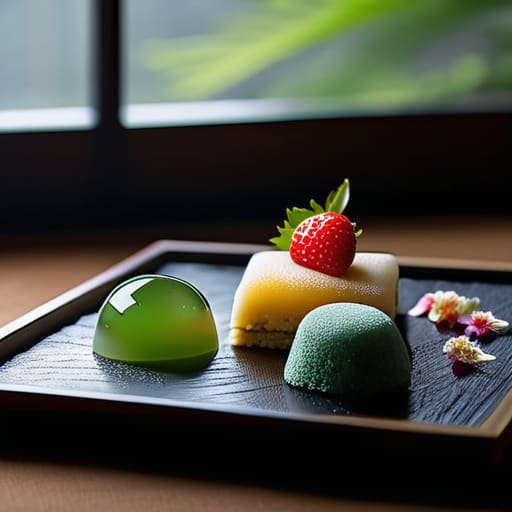
I was sitting in a cramped, neon-lit cafe in Shinjuku last Tuesday, watching a group of tourists struggle through a laminated, overly colorful pamphlet. They were looking for something “iconic,” but all they found was sugar-laden fluff that tasted more like mass-produced candy than craft. It struck me then how much noise there is surrounding the modern japanese dessert menu; people chase the flashy, Instagram-ready towers of cream and fruit, completely missing the structural elegance of the real thing. Most travelers treat these menus like a checklist of sweets, failing to realize that a well-curated selection is actually a map of the season and the local landscape.
I have no interest in guiding you toward the overpriced traps or the sugary distractions that clog up the main thoroughfares. Instead, I want to show you how to read between the lines of a menu to find the quiet, functional beauty of traditional wagashi and the subtle precision of modern patisserie. I will provide you with a grounded, no-nonsense guide to identifying what is actually worth your time and your yen. We aren’t looking for spectacle here; we are looking for the authentic soul of the city, one bite at a time.
Table of Contents
- The Quiet Architecture of Traditional Wagashi Varieties
- Tracing the Seasonal Japanese Sweets Through Changing Light
- Navigating the Menu: A Logistical Approach to Sweet Discovery
- The Logistics of Flavor: Lessons from the Japanese Sweet Menu
- ## The Logistics of Sweetness
- The Final Note of a Sweet Symphony
- Frequently Asked Questions
The Quiet Architecture of Traditional Wagashi Varieties
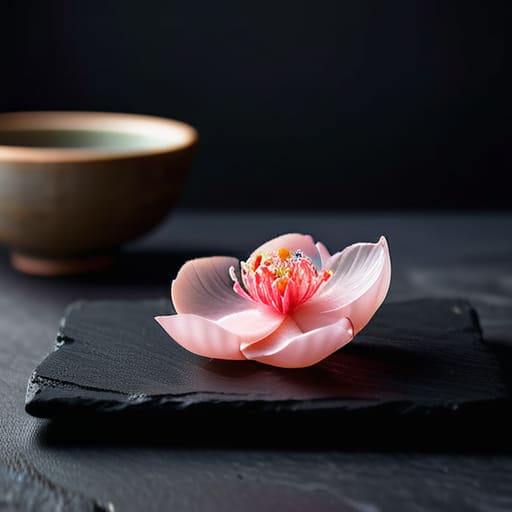
To understand the structure of a Japanese dessert menu, one must look past the sugar and see the geometry. When I sit in a dim tea room in Kyoto, I am not just looking at food; I am observing the careful engineering of traditional wagashi varieties. There is a profound logic to them. A Nerikiri, for instance, isn’t merely a sweet; it is a sculpted piece of edible art, often shaped to mirror the exact curvature of a maple leaf or the fleeting bloom of a plum blossom. These are not mass-produced items, but rather precise expressions of the current season.
The foundation of these sweets lies in their restraint. Unlike the heavy, cream-laden pastries of the West, most japanese confectionery types rely on the subtle, earthy textures of rice flour and azuki bean desserts. There is a quiet dignity in how the red bean paste provides both the structural integrity and the primary sweetness, acting as the anchor for more delicate, ephemeral elements. It is a masterclass in functional beauty—a concept I spent my career chasing in logistics, but one that these artisans have perfected through centuries of tradition.
Tracing the Seasonal Japanese Sweets Through Changing Light
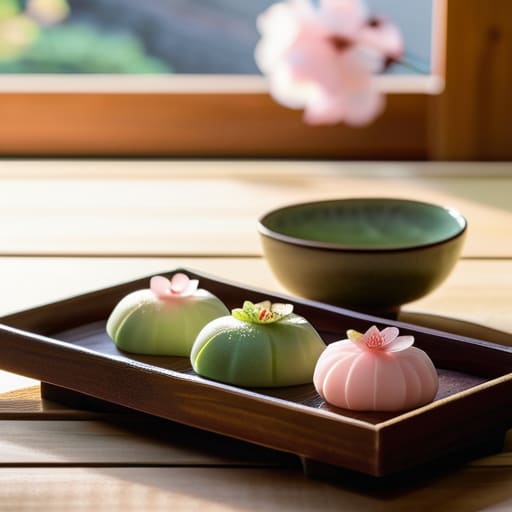
In my years managing logistics, I learned that timing is everything. In Japan, this principle extends far beyond the arrival of a shipping container; it is baked into the very soul of their confectionery. To truly understand the rhythm of the city, one must observe how the seasonal japanese sweets shift alongside the angle of the sun. In the biting chill of February, a dessert might be a dense, warming morsel of bean paste; by April, the same shop will present something translucent and delicate, mimicking the ephemeral cherry blossoms.
I often sit by a window in a small tea house, watching the light change, and realize that these treats are more than just sugar. They are temporal markers. When I encounter authentic japanese dessert ingredients like shaded matcha or hand-pressed mochi, I am tasting the current moment. There is a profound, quiet logic to it—a refusal to rush the seasons. Whether it is the earthy weight of azuki bean desserts in autumn or the citrusy lightness of summer, the menu is a living map of the year’s passing.
Navigating the Menu: A Logistical Approach to Sweet Discovery
- Don’t fear the kanji. If you find yourself staring at a menu in a quiet tea house, look for the characters for ‘Anko’ (red bean) or ‘Matcha’ (green tea); they are the reliable anchors of almost any traditional spread.
- Observe the seasonality before you order. A menu in April will lean heavily into cherry blossom motifs, while October brings chestnut and sweet potato; ordering what the season dictates ensures you are tasting the city at its most authentic.
- Seek out the ‘Set’ menus. Much like a well-planned supply chain, a tea and sweet set is designed for balance, ensuring the bitterness of the tea perfectly offsets the sugar of the confection without one overwhelming the other.
- Pay attention to the vessel. In Japan, the plate or ceramic bowl is as much a part of the dessert as the sugar itself. A menu that highlights artisanal ceramics is often a sign of a shop that respects the slow, deliberate art of presentation.
- Look for the ‘Omakase’ approach in dessert tasting courses. Allowing the chef to curate your experience is the best way to encounter the small, seasonal variations that don’t always make it onto the printed page.
The Logistics of Flavor: Lessons from the Japanese Sweet Menu
To truly understand Japanese desserts, one must look past the sugar and see the seasonal rhythm; a menu is not just a list of items, but a functional map of the passing year.
The value of a dessert often lies in its restraint, where the most profound sensory experiences are found in the subtle textures of wagashi rather than overwhelming sweetness.
Finding the best sweets requires a departure from the main thoroughfares, seeking instead the quiet, specialized shops that prioritize craftsmanship over high-volume foot traffic.
## The Logistics of Sweetness
“A well-crafted dessert menu in Japan isn’t just a list of offerings; it is a precise logistical map of the seasons, where every ingredient is positioned to guide the palate through a specific moment in time.”
Rurik Salonen
The Final Note of a Sweet Symphony
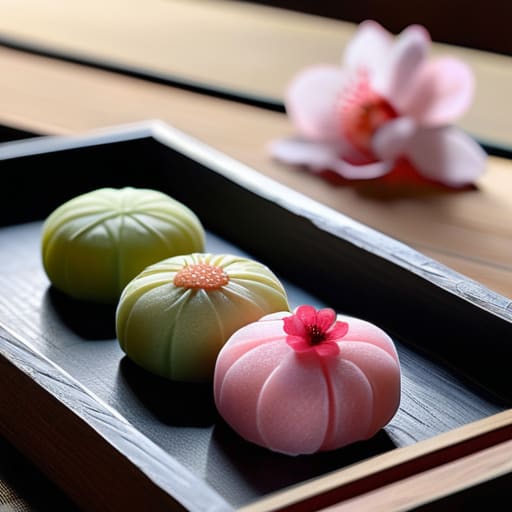
As I sit here in this small corner of Yanaka, looking over my hand-drawn notes, I realize that a Japanese dessert menu is far more than a simple list of offerings. It is a highly organized logistical masterpiece of flavor and timing. From the structural precision of traditional wagashi to the way seasonal ingredients act as a temporal map of the passing year, every item serves a specific purpose. We have seen how these sweets bridge the gap between the rigid discipline of craftsmanship and the fluid, ever-changing whims of nature. To understand the menu is to understand the underlying rhythm of Japanese life itself.
Ultimately, I have learned that you don’t need to rush through these flavors to truly experience them. In my years of managing complex global networks, I often forgot to stop and look at the small, functional details that make a system work; I hope you won’t make the same mistake. The next time you find yourself staring at a menu in a quiet tea house, don’t just look for something to satisfy a craving. Instead, look for the quiet intention behind the sugar and the bean. Seek out the stillness in the sweetness, and you might just find that you’ve finally learned how this beautiful, bustling city breathes.
Frequently Asked Questions
How can I distinguish between the different types of bean pastes used in a standard dessert menu?
To understand a Japanese dessert menu, you must first learn to distinguish the textures of its bean pastes. Koshian is the refined choice—silky, smooth, and passed through fine sieves to remove any grit. It feels elegant on the palate. Then there is Tsubuan, which is more rustic and honest, leaving the whole beans intact for a textured, hearty bite. If you see Shiro-an, you’re looking at white bean paste; it’s neutral, creamy, and often serves as a subtle canvas for seasonal flavors.
Are there specific tea pairings I should look for to balance the sweetness of seasonal wagashi?
When balancing the sugar of a seasonal wagashi, I always look to the tannins. A robust, whisked Matcha is the standard for a reason; its vegetal bitterness cuts through dense bean paste like a sharp line on a map. However, if the sweet is particularly delicate, I prefer a warm Sencha. The clean, grassy finish provides a necessary structural counterpoint, ensuring the sweetness lingers on the palate without overwhelming the senses.
When navigating a traditional menu, how do I identify which sweets are meant for immediate consumption versus those meant for gifting?
When you’re scanning a menu, look for the distinction between nama (fresh) and higashi (dry). If a sweet is listed as nama-gashi, it’s meant for immediate enjoyment—think delicate, moisture-rich mochi or jellies that won’t survive a train ride. For gifting, you’ll want higashi or yokan. These are more stable, often elegantly packaged, and designed to endure the journey from a shop in Kyoto back to your home.
