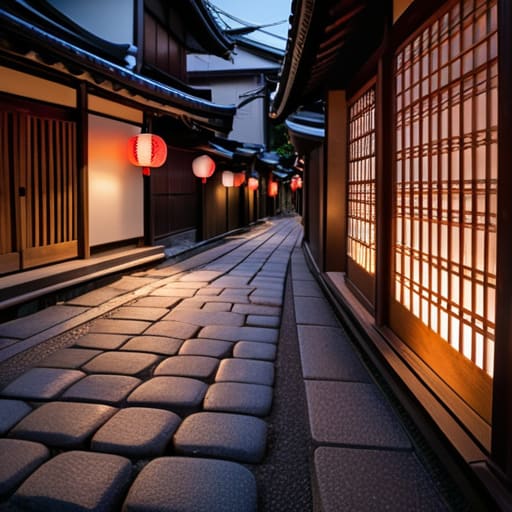
I remember standing on the edge of Hanami-koji last autumn, my Leica heavy around my neck, watching a sea of tourists scramble for a glimpse of a moving geiko. They were so focused on the frantic pursuit of a photograph that they completely missed the way the evening light hit the cedar lattices of the machiya houses. Most people approach the kyoto gion district as if it were a theme park designed for quick snapshots and overpriced tea ceremonies, chasing a version of Japan that exists only in glossy brochures. They treat the area like a monument to be checked off a list, rather than a living, breathing organism with its own delicate internal logic.
I have no interest in helping you navigate the crowds or find the most “Instagrammable” spots. Instead, I want to show you how to read the city’s true pulse. In this guide, I’ll share my observations on the transit routes that bypass the congestion and the specific, quiet corners where the architecture actually speaks. My goal is to provide you with a functional map of the soul of this neighborhood, focusing on the details that remain once the hype fades and the shutter clicks stop.
Table of Contents
Tracing the Veins of Shijo Dori Area Attractions
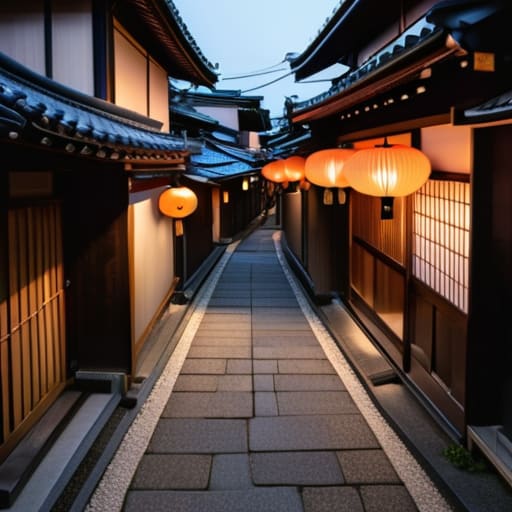
To understand the logistics of Gion, one must first master the flow of Shijo-dori. This main artery acts as the central nervous system of the district, a frantic corridor of commerce that serves as the gateway to something much deeper. While most travelers simply use it as a transit route to reach the larger shrines, I find that the real value lies in how the street filters the chaos into something more structured. If you step just one block north or south, the roar of the buses and the neon signage of the shops begin to fade, replaced by the more deliberate pace of the side streets.
This is where you begin to grasp the true essence of the preserved historic districts in Kyoto. As I move away from the main thoroughfare, the architecture shifts from modern convenience to weathered timber and lattice. If you time your movement correctly, you can witness the seamless transition between the public bustle and the private elegance of the geiko and maiko traditions. It isn’t about rushing to a specific landmark; it is about observing how the city’s social fabric is woven into these narrow, shadowed lanes.
The Best Time to See Geisha in Gion
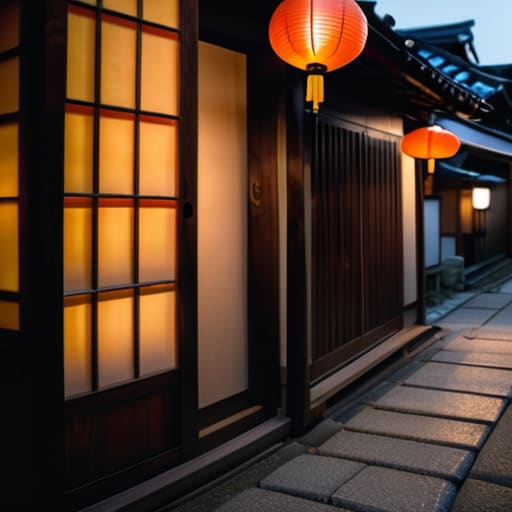
If you are hunting for a glimpse of the ephemeral, you must understand that timing is everything. Most tourists arrive in the mid-afternoon, expecting a parade, only to find empty streets and closed shutters. To truly witness the movement of the city, you need to be present during the twilight transition. The best time to see geisha in Gion is typically between 5:30 PM and 6:30 PM, as they move between appointments. It is a fleeting, disciplined transit that occurs just as the lanterns begin to flicker to life.
I often find myself leaning against a wooden railing near the edge of the district, waiting for that specific shift in the atmosphere. You aren’t looking for a performance; you are looking for the quiet grace of a professional moving through her workspace. While many opt for a structured hanamikoji street walking tour, I prefer to sit back and observe the natural flow. When a maiko emerges, there is a sudden, focused energy in the air—a brief moment where the modern world seems to pause to let history pass by.
The Logistical Nuances of Navigating Gion
- Avoid the main thoroughfares of Shijo-dori when you want to actually feel the city; instead, use the narrow cross-streets to navigate. The true character of Gion isn’t found in the wide, neon-lit lanes, but in the tight, shadow-filled corridors where the architecture forces you to slow your pace.
- Respect the unspoken flow of the local transit. When walking through the Hanami-koji area, treat the pedestrians with the same precision I used in logistics—keep to one side, maintain a steady rhythm, and never obstruct the path of those who live and work here.
- Leave the digital maps in your pocket for an hour. Gion is a labyrinth designed for discovery, not efficiency. I find that sketching a rough mental map of the alleyways helps me understand the spatial relationship between the shrines and the tea houses far better than a GPS ever could.
- Timing your visits is a matter of managing density. If you arrive at the peak afternoon hours, you are merely part of a crowd; if you arrive just as the light begins to fail and the lanterns flicker to life, you catch the district in its most functional, atmospheric state.
- Carry a small, physical notebook for more than just sketches. Use it to note the specific way the light hits a certain wooden lattice or the exact moment a street transitions from commercial to residential. These small, recorded observations are the only way to truly capture the breath of the district.
The Logistics of a Gion Visit
Prioritize the side streets over Shijo-dori; the true character of the district lies in the narrow, quiet lanes where the pace of life slows down and the architectural details become visible.
Respect the rhythm of the Geiko and Maiko; observe them from a distance with patience rather than rushing to catch a glimpse, as their presence is a part of the city’s living tradition, not a spectacle.
Use the local transit as your guide; understanding the flow of the bus lines and the walking paths between Hanami-koji and the Kamo River will help you navigate the district without feeling lost in the crowds.
The Architecture of Silence
Most people approach Gion as if they are looking for a performance, but the true character of the district isn’t found in the fleeting glimpse of a kimono; it’s found in the way the shadows settle in the narrow machiya lanes once the tourist rush subsides, revealing the quiet, structural soul of old Kyoto.
Rurik Salonen
The Quiet Aftermath of Gion
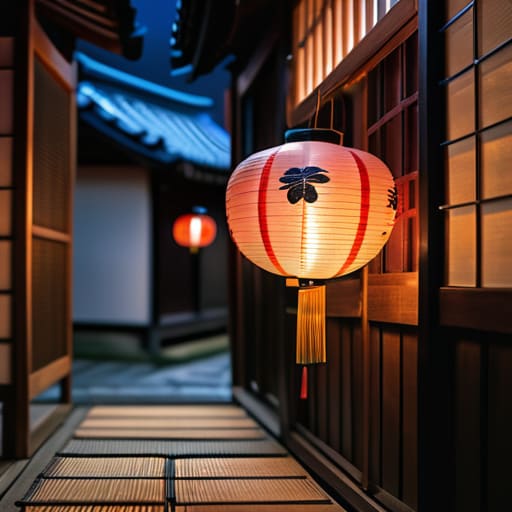
As I sit here in a small cafe near the edge of the district, my notebook is filled with more than just sketches of Shijo-dori or the timing of the evening walks. We have looked at the logistical flow of the main thoroughfares and the delicate, fleeting moments when a Geiko moves through the shadows of the tea houses. To truly understand Gion, one must balance the structured movement of the tourist corridors with the patient, quiet observation of the side streets. It is not enough to simply witness the spectacle; you must respect the delicate equilibrium between a living, working neighborhood and a historical treasure.
Ultimately, Gion is not a museum to be viewed through a lens, but a living organism that requires your silence and your respect to truly be seen. Don’t rush to find the perfect photograph or the most famous landmark. Instead, let yourself get lost in the rhythm of the shadows and the way the light hits the old wooden lattices at dusk. When you stop trying to conquer the city with your itinerary, you finally allow the city to reveal its true self to you. That is where the real journey begins.
Frequently Asked Questions
How can I navigate the narrowest lanes of Gion without disrupting the local rhythm or infringing on the privacy of the residents?
To navigate Gion’s narrowest lanes, you must adopt the mindset of a guest, not a spectator. Stick to the main thoroughfares when moving quickly, and only enter the side streets with a deliberate, slow pace. Keep your camera tucked away unless you are stationary, and never block a doorway or a path. If a resident appears, yield the right of way immediately. True observation requires being a ghost in the machinery of their daily lives.
Which specific transit connections allow for the most seamless transition between the bustle of Shijo-dori and the quieter outskirts of Higashiyama?
To escape the Shijo-dori crush, skip the buses and head for the Keihan Line. Taking it from Gion-Shijo toward Kiyomizu-Gojo allows you to bypass the surface-level congestion entirely. Once you emerge, the transition is immediate; the urban noise drops away, replaced by the slope of the hills. It’s a surgical way to move from the commercial heart into the breathing space of Higashiyama without losing your composure to the crowds.
Are there particular times of day when the light is best for capturing the texture of the traditional machiya houses on analog film?
For the texture of those machiya walls, avoid the harsh midday glare; it flattens the wood grain and washes out the shadows. I find the “blue hour”—just before sunrise—offers a soft, even light that respects the subtlety of the timber. However, if you’re shooting film, the late afternoon sun is your best ally. As it dips low, the raking light catches every imperfection in the plaster and the weathered grooves of the lattice, giving the architecture a tangible, three-dimensional weight.
