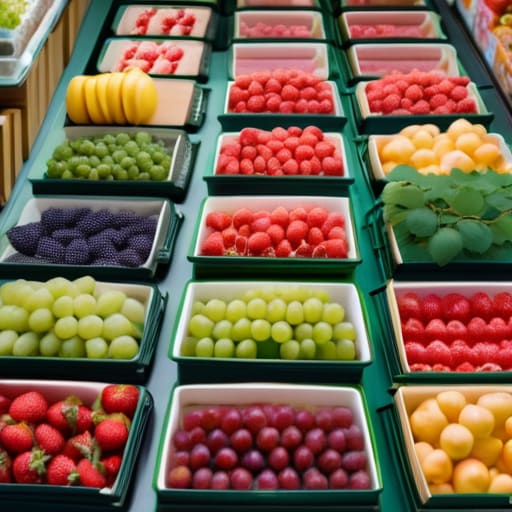
I remember standing in a cramped supermarket in Setagaya last Tuesday, watching a young traveler stare helplessly at a wall of miso paste as if it were a complex logistical flowchart. Most guidebooks will tell you that japan grocery shopping is a high-end culinary adventure or a colorful cultural spectacle, but they rarely mention the quiet, overwhelming reality of the sheer density of choice. They skip over the subtle art of navigating the evening discount cycles or the specific etiquette of the checkout line. To the uninitiated, it feels like a chaotic maze of packaging; to me, it looks like a perfectly synchronized machine that simply requires a bit of study to master.
I’m not here to give you a list of “must-try” snacks that you’ll find in every airport terminal. Instead, I want to pull back the curtain on the actual mechanics of the local aisles. I will share the practical, grounded observations I’ve gathered from years of observing these urban rhythms—from identifying the best time to find high-quality proteins at a fraction of the cost, to understanding the subtle logic of the supermarket layout. My goal is to help you move through these spaces with the quiet confidence of a local, finding the functional beauty in the everyday errand.
Table of Contents
Konbini vs Supermarket Choosing Your Daily Rhythm
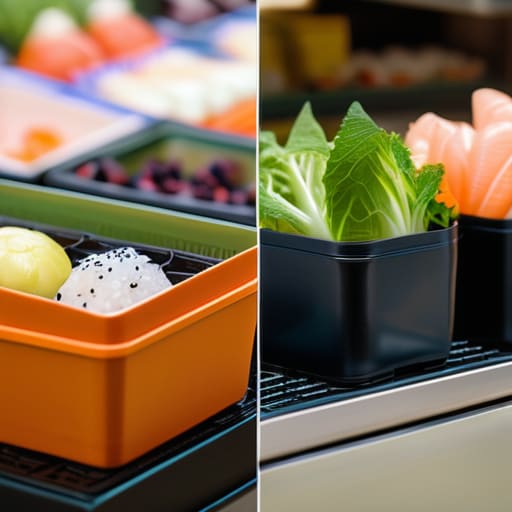
Deciding between a konbini and a local supermarket is less about convenience and more about the tempo of your day. The konbini—the ubiquitous 7-Eleven or Lawson—is a marvel of logistical precision. It is where I go when I need a singular, high-quality item or a quick meal during a frantic transit transfer. However, if you are looking to truly settle into a neighborhood, you must learn the art of budgeting for groceries in japan by venturing into the larger supermarkets.
While the konbini offers immediate gratification, the supermarket is where the city’s true seasonal pulse resides. If you are interested in seasonal food availability in japan, the supermarket aisles are your best resource; you will see the subtle shifts from spring bamboo shoots to autumn persimmons reflected in the displays. There is a certain meditative quality to navigating these larger stores. They require more patience and a bit more legwork, but they offer a depth of variety and a much lower price point that a convenience store simply cannot match.
Understanding Japanese Food Labels and Hidden Truths
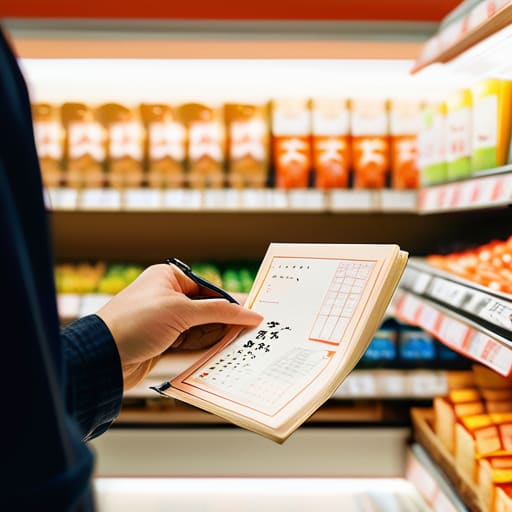
I spent years staring at shipping manifests and cargo logs, so I’ve developed a habit of scrutinizing the fine print. In a Japanese grocery store, that habit is a necessity. When you are understanding japanese food labels, you quickly realize they are a dense thicket of kanji that can feel impenetrable at first glance. I often find myself hovering over a carton of milk or a package of tofu, my pen poised over my notebook, trying to decipher the specific origins and expiration dates. It isn’t just about calories; it’s about the integrity of the supply chain that brought that item to your table.
The labels also offer a subtle window into the country’s obsession with precision. You’ll notice meticulous details regarding salt content, additives, and, most importantly, the strictness of the “best before” dates. For those budgeting for groceries in japan, learning to read these markers is essential. I’ve found that the most efficient way to navigate this is to look for the specific characters denoting freshness. It requires patience, but there is a quiet satisfaction in decoding the system and knowing exactly what you are bringing into your kitchen.
The Logician’s Guide to the Aisles: Five Practical Rules for the Efficient Shopper
- Master the art of the “Evening Discount.” If you find yourself wandering the aisles after 7:00 PM, look for the stickers. Supermarkets are master logisticians; they would rather slash prices on prepared bento boxes and fresh sashimi than let them go to waste by closing time. It’s a tactical window for anyone looking to eat well on a budget.
- Carry your own ecosystem of bags. While many stores have moved toward charging for plastic, I’ve learned that a single, sturdy reusable bag is more than just an environmental choice—it’s a logistical necessity. Trying to balance a delicate carton of eggs and a heavy bottle of soy sauce in flimsy, thin-handled plastic is a recipe for a messy commute on the Yamanote line.
- Learn the geography of the “Depachika.” If you are near a major department store like Isetan or Mitsukoshi, descend to the basement. These food halls are marvels of organization and quality. They aren’t your everyday grocery stops, but they are the gold standard for understanding the sheer precision of Japanese food presentation and sourcing.
- Don’t overlook the seasonal rhythm of the produce section. In my years of logistics, I learned that supply chains are most beautiful when they follow the clock. In Japan, this is visible in the fruit. A single, perfectly shaped peach in summer or a specific variety of citrus in winter isn’t just food; it’s a seasonal marker that tells you exactly where you are in the city’s lifecycle.
- Trust the “Single-Serve” logic. One of the most efficient aspects of Japanese grocery shopping is the scale. Everything is portioned with mathematical precision. If you are living alone or traveling, embrace the small packs of rice, individual portions of miso, and pre-cut vegetables. It minimizes waste and keeps your kitchen space—and your mental load—uncluttered.
Lessons from the Aisles
Treat the local supermarket as your primary logistical hub; while the konbini offers convenience, the supermarket offers the authentic, unvarnished rhythm of local life and better value for the observant traveler.
Mastery of the labels is more than just reading ingredients; it is about understanding the subtle cues of freshness and quality that dictate how a neighborhood actually eats.
Look past the polished displays to find the real story; the true character of a Japanese city is often found in the quiet, functional efficiency of its grocery aisles rather than its tourist-facing storefronts.
The Logistics of a Meal
“A grocery list in Japan isn’t just a set of instructions for dinner; it is a study in precision. When you watch a shopper navigate the narrow aisles of a local market, you aren’t just seeing someone buying ingredients—you are witnessing a perfectly calibrated system of efficiency and respect for the small, essential details of daily life.”
Rurik Salonen
The Logistics of Living Well
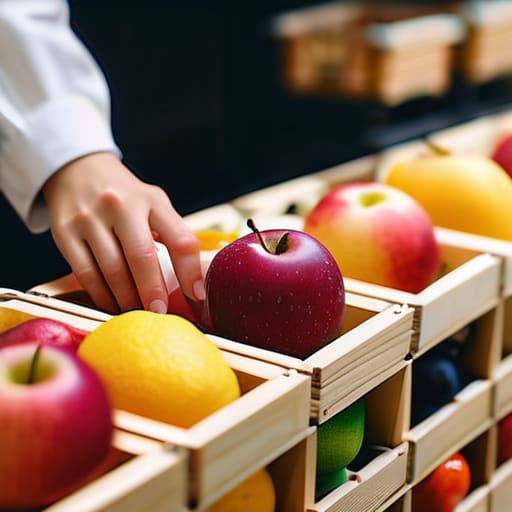
Navigating a Japanese grocery store is more than just a logistical exercise in sourcing ingredients; it is a lesson in precision and intent. Whether you find yourself leaning on the convenience of a midnight konbini run or meticulously parsing the seasonal offerings in a local supermarket, you are engaging with the very mechanics of the city. By learning to decipher those complex labels and understanding the distinct roles each shop plays in the urban ecosystem, you move from being a mere spectator to an active participant. You stop merely “buying food” and start mastering the subtle rhythms that dictate how a household—and a city—actually functions on a daily basis.
As I sit in my small apartment, sketching the intricate lines of the Chuo Line in my notebook, I am reminded that the most profound connections are often found in these mundane, repetitive tasks. There is a certain, quiet dignity in the way a well-stocked aisle reflects the seasonal shifts of the archipelago. Don’t rush through the aisles to get back to the tourist landmarks. Instead, linger a moment longer near the produce section or the seafood counter. If you look closely enough, you will see that the true soul of Japan isn’t found in a guidebook, but in the deliberate, quiet beauty of a perfectly organized shelf.
Frequently Asked Questions
How do I navigate the etiquette of bagging my own items and handling payments at a self-checkout versus a manned counter?
The checkout process is a study in choreographed efficiency. At a manned counter, wait for the clerk to initiate; they will often bag your items for you, a service that feels almost formal. If you’re using self-checkout, keep your movements steady. Scan, place, and then bag. Don’t rush the machine. When paying, use the provided tray for cash or cards rather than handing them directly to the sensor. It’s all about maintaining that quiet, functional flow.
Are there specific times of day when I can find significant discounts on prepared meals and fresh produce in local supermarkets?
The secret to the supermarket rhythm lies in the evening descent. If you approach the deli counters around 7:00 PM or 8:00 PM, you’ll see the staff begin the ritual of applying those coveted discount stickers—waribiki. It’s a calculated dance of efficiency. Fresh bento boxes and seasonal produce often drop by thirty or even fifty percent as the day wanes. For a man who appreciates a well-oiled machine, there is a quiet satisfaction in timing your visit perfectly.
What are the essential phrases or visual cues I should look for to distinguish between seasonal specialties and standard staples?
Look for the kanji 旬 (shun)—it’s the golden ticket. It signifies peak seasonality. You’ll often see it paired with seasonal ingredients like 筍 (bamboo shoots) in spring or 栗 (chestnuts) in autumn. Beyond the text, watch for the visual cues: limited-edition packaging, often featuring soft watercolors or motifs of cherry blossoms or maple leaves. If a product feels like it has a “moment,” it likely does. Don’t just grab the staple; follow the season.
