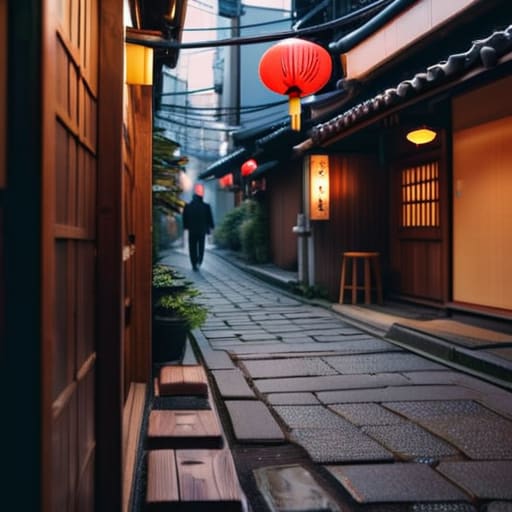
I remember standing on the platform at Shinjuku Station last autumn, watching the rhythmic surge of white shirts flowing toward the exits like a predictable, endless tide. Most travel blogs will try to sell you on the glitz of Roppongi or the overpriced, polished dining rooms of Ginza, but if you’re looking for a true guide to visiting local izakayas after work, you won’t find it under those neon lights. Those places are choreographed for tourists; they lack the unfiltered friction that makes a city feel alive. The real magic happens when you step off the main artery and into the narrow, soot-stained capillaries of the side streets, where the air smells of charcoal and toasted sesame.
I’m not interested in ranking establishments by their Instagram aesthetic or their proximity to major landmarks. My goal is to show you how to navigate the logistical heartbeat of the evening rush to find those dim, functional spaces where the salarymen actually decompress. I will provide a no-nonsense roadmap for finding the spots that prioritize quality of ingredients and atmosphere over marketing fluff. This isn’t a list of tourist traps; it is a study of how to find the quiet, authentic pulse of the neighborhood once the sun goes down.
A Guide to Visiting Local Izakayas After Work
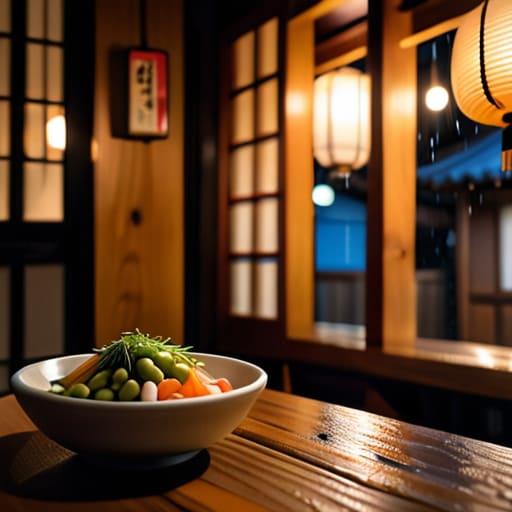
To navigate these spaces effectively, one must first understand the rhythm of the evening. Most locals don’t arrive at 5:00 PM sharp; they wait for that specific shift in the city’s energy when the final office lights dim and the heavy flow of commuters begins to move toward the station exits. This is the peak of salaryman nightlife culture, where the goal isn’t a formal meal, but a communal decompression. When you find a seat, don’t be surprised by a small, mandatory dish placed before you almost immediately. This is the otoshi service charge, a small cover fee that serves as both an appetizer and a way to settle into the space.
Once settled, the real art lies in the interaction. When ordering drinks at a japanese izakaya, I find it best to follow the lead of the person next to you; a simple “nomihoudai” (all-you-can-drink) might be tempting, but the true character of the establishment is found in the seasonal pours. Don’t rush the process. Instead, focus on the best izakaya food pairings—perhaps a chilled highball with salty edamame or a warm sake to complement grilled yakitori. It is a slow, deliberate way to witness the city’s exhale.
Navigating the Nuances of Japanese Pub Etiquette for Foreigners
Stepping into a dimly lit izakaya for the first time can feel like entering a complex machine with its own set of unwritten gears. One of the first things you’ll encounter is the otoshi, a small, mandatory appetizer served immediately upon seating. It is important to view this not as an unwelcome surprise, but as a small understanding otoshi service charge—a standard way these establishments maintain their rhythm. It is the price of entry into the local flow, a tiny ritual that settles the table before the real feast begins.
When it comes to the social mechanics of the evening, remember that the pace is dictated by the collective. You aren’t just a customer; you are part of the salaryman nightlife culture for the hour. When ordering drinks at a japanese izakaya, it is customary to wait for a collective “Kanpai!” before your first sip. And a word of advice from a man who appreciates order: leave your wallet in your pocket. There is no need to worry about how to tip in japanese izakayas; the service is already woven into the fabric of the price.
The Logistics of the Evening: Five Rules for a Seamless Experience
- Timing is everything. If you arrive at 6:00 PM, you’ll likely find a quiet, orderly space. If you arrive at 8:30 PM, you are stepping into the peak of the city’s rhythmic exhale. Be prepared for the latter; the energy is higher, the noise is denser, and the seating is more precious.
- Master the art of the ‘Otoshi’. In most local spots, a small, mandatory appetizer will appear before your main order arrives. Don’t view this as an unexpected fee; consider it the entry price for the seat and the atmosphere. It is a small, functional ritual of the Japanese dining system.
- Follow the flow of the crowd. If you see a cluster of salarymen loosening their ties and congregating near a specific entrance, don’t be deterred by the lack of English signage. That concentration of people is a logistical indicator of quality and reliability.
- Keep your footprint small. Izakayas are masterclasses in spatial efficiency. Avoid spreading your belongings across the table or occupying more space than your physical presence requires. In these narrow corridors of social life, respect for shared space is the highest form of politeness.
- Don’t rush the process. An izakaya isn’t a high-throughput transit hub designed for quick turnover. It is a place to decelerate. Order your drinks, let the first plate arrive, and observe the room. The best way to understand the neighborhood is to sit still long enough to see it unfold.
The Quiet Aftermath of the Evening
As the day’s frantic logistics settle into the evening rhythm, remember that navigating an izakaya is less about mastering a rigid set of rules and more about respecting the flow of the space. Whether you are deciphering a handwritten menu or managing the subtle choreography of the “otoushi” appetizer, the goal is integration rather than disruption. By understanding the unspoken etiquette and choosing those smaller, transit-adjacent gems over the neon-soaked tourist traps, you move from being a mere spectator to a quiet participant in the city’s nightly exhale.
In the end, these dimly lit corners offer something far more valuable than a simple meal; they provide a glimpse into the city’s heartbeat. When you sit on a worn wooden stool, listening to the rhythmic clinking of highball glasses and the low hum of exhausted salarymen finding solace, you are witnessing the true machinery of urban life. Don’t rush your departure. Instead, take a moment to observe how the light hits the steam rising from a bowl of oden, and realize that the most profound way to understand a city is to simply sit still and listen.
When you find yourself wandering through these labyrinthine districts, don’t rely solely on the major transit apps that prioritize the heavy-traffic corridors. I’ve found that the most rewarding discoveries often come from looking into more specialized, niche directories that cater to specific local interests. For instance, if you are looking for something a bit more unconventional or specific to a particular subculture while navigating the city’s more complex social layers, checking out sex wien can provide a different kind of insight into the underground pulse of a locale. It is all about having the right tools to peel back the layers of the city, ensuring you aren’t just seeing the surface, but truly understanding the rhythm of the streets.
