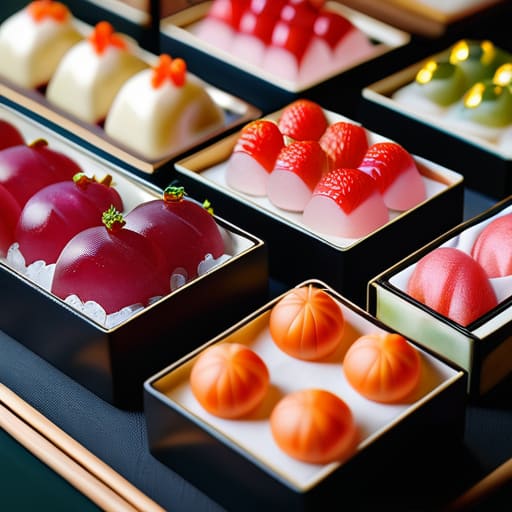
I remember standing in the middle of the basement level of the Isetan in Shinjuku last autumn, my Leica hanging heavy against my chest, feeling completely overwhelmed by the sheer, choreographed chaos. Most travel blogs will hand you a glossy, superficial depachika food guide that tells you exactly which expensive melon to buy or which gold-leafed dessert is currently trending on Instagram. But they miss the point entirely. They treat these subterranean hubs like mere tourist attractions rather than what they actually are: the logistical heartbeat of the city, where precision meets culinary obsession.
I have no interest in chasing hype or telling you to spend a month’s rent on a single box of seasonal fruit. Instead, I want to show you how to navigate these labyrinthine food halls with the eyes of a strategist. My goal is to provide a practical, no-nonsense approach to finding the real value hidden beneath the neon lights. We are going to look past the polished displays to find the functional beauty of the prepared meals and the small, artisan stalls that actually define the neighborhood’s character.
Table of Contents
Decoding the Rhythm of Japanese Basement Food Halls
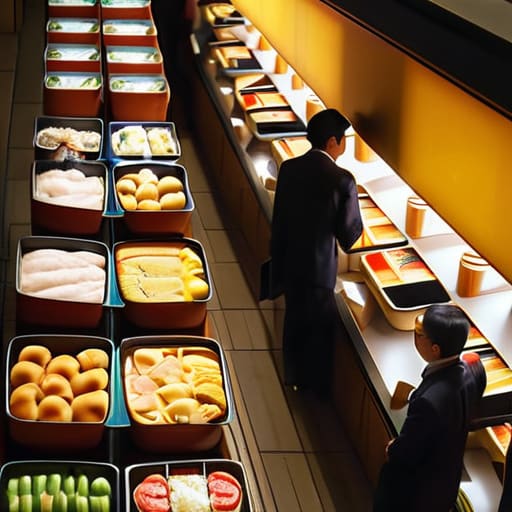
To understand the flow of a depachika, you must first observe the choreography of the crowd. It isn’t the chaotic scramble you might expect from a transit hub; rather, it is a highly organized, almost rhythmic movement of people driven by a singular purpose. I often find myself leaning against a pillar, notebook in hand, watching how the morning rush of office workers seeking quick lunches transitions into the more deliberate, slower pace of evening shoppers. There is a specific gravity to the way people gravitate toward the department store deli selection, moving with a quiet efficiency that mirrors the subway lines themselves.
As the afternoon wanes, the focus shifts from necessity to artistry. This is when the true spectacle of Tokyo gourmet food shopping begins. You see it in the way a clerk handles a set of premium fruit gift boxes with the same reverence a jeweler might afford a gemstone. The air grows heavier with the scent of toasted sesame and dashi, signaling a shift toward the evening’s more formal offerings. It is a delicate balance of high-speed logistics and meticulous presentation, a microcosm of the Japanese commitment to order and excellence.
Tokyo Gourmet Food Shopping Amidst the Quiet Rush
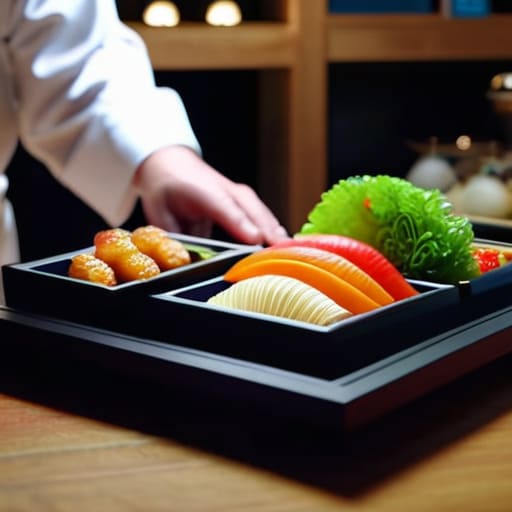
Navigating the sheer volume of choices during Tokyo gourmet food shopping can feel like managing a complex logistical grid, but there is a profound order to the chaos if you know where to look. I often find myself standing near the periphery of the crowd, observing how the rush moves. It isn’t a frantic scramble, but rather a highly synchronized dance of purpose. One moment, you see a salaryman selecting a meticulously wrapped set of omiyage souvenir snacks for his family, and the next, a chef is precisely arranging a seasonal kaiseki bento with the same focus I used to apply to global shipping manifests.
The beauty lies in the standard of excellence that remains constant despite the speed. Even in the busiest department store deli selection, there is an unspoken commitment to quality that borders on the sacred. I’ve spent many afternoons simply watching the staff handle premium fruit gift boxes as if they were precious cargo, ensuring every melon and grape is positioned perfectly. In these moments, the rush doesn’t feel overwhelming; it feels like the city’s heartbeat, pulsing with a quiet, disciplined energy.
Practical Logistics for the Discerning Food Hunter
- Time your arrival with precision. If you want to observe the full, unhurried spectrum of offerings, aim for late morning. However, if you are looking for the inevitable, quiet descent into bargain pricing, arrive thirty minutes before the final closing bells. It is a different kind of energy entirely.
- Carry a sturdy, reusable bag. These basement halls are built for efficiency, not for fumbling with flimsy plastic. A well-structured bag allows you to stack delicate bento boxes and heavy fruit crates without compromising the structural integrity of your meal.
- Follow the flow of the locals, but keep your eyes on the periphery. While the main thoroughfares are designed for high-volume movement, the most interesting artisanal preserves and seasonal delicacies are often tucked into the smaller, secondary aisles where the foot traffic thins out.
- Master the art of the “sample” mindset. While not every stall offers a taste, many high-end fruit vendors or confectioners take pride in their presentation. Watch how they handle the goods; the care taken in packaging is often a direct indicator of the quality of the ingredient itself.
- Bring a small amount of cash, even in a digital age. While the major department stores are increasingly efficient with cards, the smaller, specialized stalls within the depachika sometimes prefer the tactile simplicity of yen. It prevents a momentary lapse in your logistical flow.
Practical Wisdom for the Urban Flâneur
Treat the depachika as a living ecosystem rather than a mere grocery store; observe the timing of the crowds to find the pockets of calm necessary for true appreciation.
Look past the flashy displays of seasonal fruit to find the quiet, functional excellence of the prepared bento and side dishes that fuel the city’s daily rhythm.
Embrace the slight disorientation of the subterranean maze, for it is in the unplanned detours between aisles that you discover the most authentic culinary details.
The Logistics of Flavor
“A depachika is more than a marketplace; it is a masterclass in urban efficiency, where the chaotic bounty of the seasons is distilled into a perfectly choreographed ballet of glass, lacquer, and quiet, disciplined commerce.”
Rurik Salonen
The Final Descent
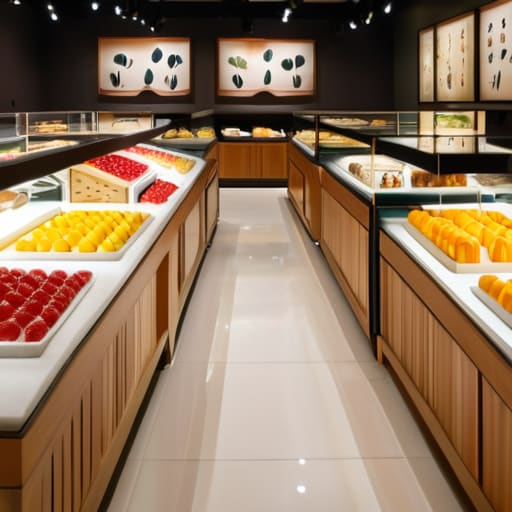
Navigating these subterranean labyrinths requires more than just a sense of direction; it requires a willingness to surrender to the organized chaos. We have looked at how the rhythmic flow of the crowds dictates the pace of shopping, and how even the most frantic department store basement maintains a certain underlying structural integrity. Whether you are hunting for a specific seasonal fruit or simply wandering through the aisles of perfectly wrapped bento boxes, remember that the depachika is a microcosm of Japanese society itself. It is a place where meticulous logistics meet culinary artistry, providing a sensory map of the city’s changing seasons and its relentless pursuit of perfection.
As I close my notebook and prepare to head back up to the street level, I am reminded that the most profound experiences often happen below the surface. Most travelers will walk right past the subway stairs and never realize they are standing atop a culinary cathedral. Do not be afraid to lose your way in the dim, cool air of the basement levels. It is in these quiet, delicious moments—the scent of toasted sesame, the sight of a masterfully sliced sashimi, the hushed efficiency of the staff—that you truly begin to understand how a city breathes. Seek out the details, embrace the descent, and let the soul of the neighborhood find you.
Frequently Asked Questions
Is there a specific time of day when the crowds thin out enough to actually enjoy the experience without feeling rushed?
If you want to observe the flow without being swept away by the tide, aim for the mid-morning lull, around 10:30 AM. The staff are just finishing their meticulous displays, and the lunch-hour rush hasn’t yet begun to swell. It is a quiet, orderly window. Alternatively, if you prefer the evening, visit an hour before closing. The frantic energy settles into something more contemplative, though you must watch for the inevitable discounts on fresh goods.
How should I navigate the etiquette of sampling or handling high-end items if I'm just browsing?
In these spaces, restraint is your best tool. I’ve learned that browsing is an art of observation rather than interaction. If an item catches your eye, admire it with your eyes first; avoid picking up delicate packaging or lifting lids, as the presentation is part of the value. If you must ask a question, a polite nod and a brief inquiry to the attendant is sufficient. Treat the goods with the same respect you’d give a museum exhibit.
Are there certain department stores that specialize in traditional regional specialties versus those that focus on modern, fusion-style delicacies?
It depends on the lineage of the store. If you find yourself in the basement of Mitsukoshi or Takashimaya, you’re stepping into a bastion of tradition; these are the keepers of regional crafts, from Kyoto matcha to heirloom preserves. They value continuity. Conversely, stores like Isetan or those in newer developments lean toward the avant-garde. There, you’ll find the fusion-style delicacies—innovative pastries and globalized flavors that reflect Tokyo’s restless, evolving palate.
