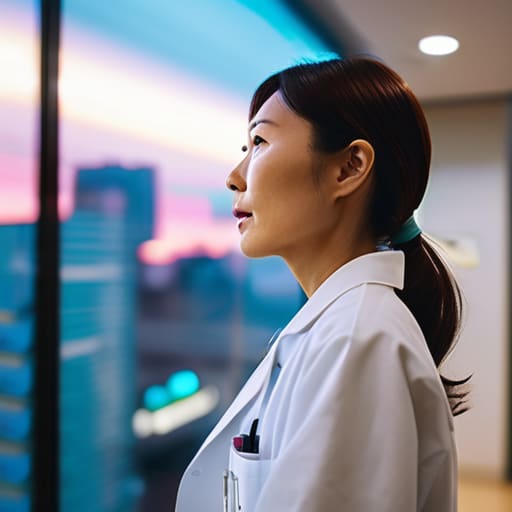
I remember standing under the neon glare of Shinjuku Station last November, nursing a sudden, sharp fever and feeling that familiar, cold knot of anxiety tighten in my chest. Most travelers assume that navigating japan urban healthcare requires a complex map of massive, high-tech medical centers or an expensive concierge service. They expect the same sprawling, bureaucratic hurdles I dealt with in my logistics days back home. But as I stood there, clutching my leather notebook, I realized the truth was much simpler—and much more quietly efficient—than the brochures would ever lead you to believe.
I have no interest in reciting glossy pamphlets or marketing jargon. Instead, I want to show you how the system actually breathes when you’re standing on a street corner at midnight. I’m going to walk you through the practical realities of finding care, from the small, neighborhood clinics tucked behind subway exits to the seamless rhythm of the local pharmacy. You won’t find any hype here, just honest, experience-based observations on how to navigate the medical landscape of the city without losing your footing.
Table of Contents
- The Safety Net Decoding the Japanese National Health Insurance System
- The Pulse of the Pavement Tokyo Medical Facility Accessibility
- Navigating the System: Five Observations for the Practical Traveler
- The Logistics of Wellbeing: What I’ve Observed
- ## The Logistics of Care
- The Quiet Architecture of Care
- Frequently Asked Questions
The Safety Net Decoding the Japanese National Health Insurance System
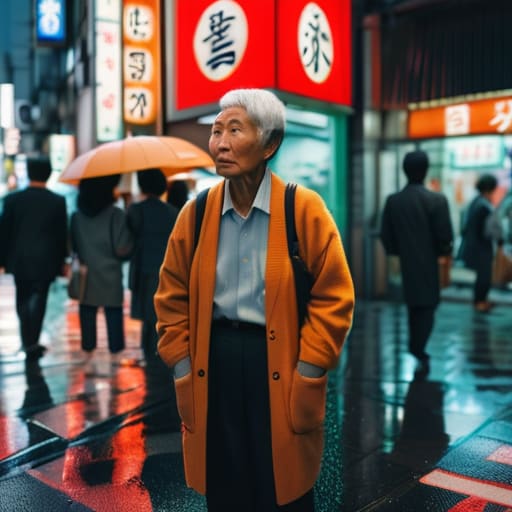
To understand how a city functions, you have to look at the invisible threads that keep its people from fraying. In my years managing logistics, I learned that a system is only as strong as its most basic layer of support. Here, that layer is the Japanese national health insurance system. It isn’t a grand, sweeping monument, but rather a quiet, pervasive mechanism that ensures no one is truly left adrift. Whether you are a salaryman in Shinjuku or a retiree in a quiet corner of Setagaya, the coverage is remarkably consistent, removing the frantic guesswork that often accompanies illness in other global hubs.
What strikes me most is the seamless integration of this system into the urban fabric. You don’t see massive, intimidating medical complexes dominating every skyline; instead, there is an incredible density of specialized clinics in metropolitan areas that feel almost domestic in scale. This high level of tokyo medical facility accessibility means that care isn’t a destination you travel toward, but a service that exists just a few subway stops—or even a few alleyway turns—away from your daily life. It is a masterpiece of social logistics.
The Pulse of the Pavement Tokyo Medical Facility Accessibility
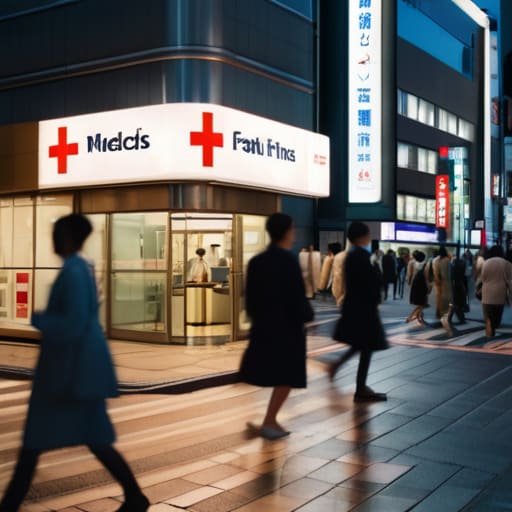
I often find myself sitting in the corner of a Shinjuku station cafe, watching the rhythmic surge of commuters, and thinking about how easily a person could be lost in the crowd. Yet, there is a profound sense of security in this density. You don’t find it in grand, sweeping gestures, but in the sheer density of tokyo medical facility accessibility. Whether you are navigating the labyrinthine corridors of Shibuya or a quiet residential pocket in Setagaya, a clinic is never more than a short walk or a few train stops away.
What strikes me most is how seamlessly these services integrate into the urban fabric. You see it in the way specialized clinics in metropolitan areas occupy the upper floors of unassuming office buildings, tucked neatly above convenience stores and dry cleaners. There is no jarring separation between life and care; the urban medical infrastructure in Japan is woven directly into the transit lines we use every day. Even in the middle of a frantic rush hour, the system maintains a quiet, mechanical efficiency that mirrors the trains themselves—reliable, predictable, and always within reach.
Navigating the System: Five Observations for the Practical Traveler
- Keep your physical health insurance card—or at least a clear digital copy—at the front of your wallet; in the rhythmic flow of a Japanese clinic, that small piece of plastic is the key that unlocks the entire logistical chain of your care.
- Don’t expect a central hub for every ailment; instead, look for the neighborhood clinics, often marked by a simple, clean sign, which act as the essential first valves in the city’s medical circulatory system.
- Learn the basic cadence of the local pharmacy; most prescriptions are filled at small, specialized counters near transit hubs, and having your medication names written clearly in Japanese can prevent any friction in the hand-off.
- Understand that “appointment” carries a different weight here than in the West; many of the most efficient urban clinics operate on strict schedules, so arriving ten minutes early isn’t just polite—it’s how you respect the system’s precision.
- Carry a small notebook, much like my own, to jot down symptoms and the exact timing of your discomfort; when you finally sit across from a doctor, providing a precise timeline is the most effective way to ensure their diagnosis is as accurate as the city’s rail timetables.
The Logistics of Wellbeing: What I’ve Observed
Healthcare in Japan isn’t a centralized monolith; it is a distributed network of small, hyper-efficient clinics that function with the same precision as a well-timed subway transfer.
The true strength of the system lies in its accessibility, ensuring that medical care is never more than a short walk or a few train stops away from even the densest residential pockets.
Understanding the Japanese healthcare landscape requires looking past the grand medical centers and recognizing the quiet, reliable infrastructure that supports the city’s daily rhythm.
## The Logistics of Care
“In my years managing supply chains, I learned that a system is only as strong as its smallest connection. In Tokyo, you see this in the way healthcare is woven into the urban fabric; it isn’t a distant monolith, but a seamless, quiet network of clinics that exist exactly where the people need them, tucked into the very rhythm of the streets.”
Rurik Salonen
The Quiet Architecture of Care
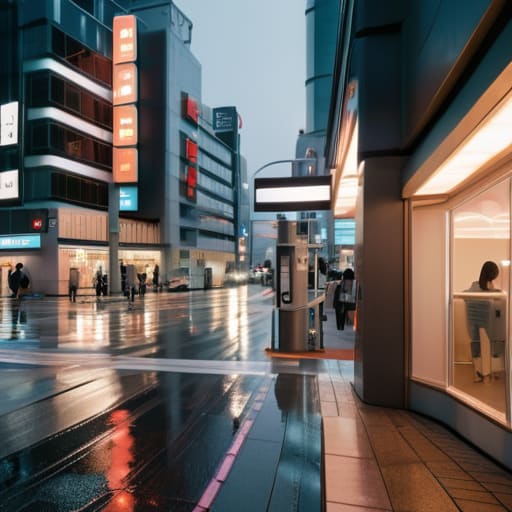
As I sit in a small cafe near Shinjuku Station, watching the rhythmic flow of commuters, I realize that Japan’s healthcare isn’t just a collection of buildings or a complex insurance scheme. It is a seamless integration of logistical precision and social responsibility. From the universal coverage that provides a baseline of security to the hyper-local clinics that ensure no neighborhood is left behind, the system functions like a well-oiled transit network. It is designed to be invisible, yet it is the very foundation upon which the city’s high-speed life is built. You don’t notice the safety net until you realize it is everywhere you look, tucked into the fabric of the urban sprawl.
Ultimately, understanding a city requires looking past the neon lights and the towering skyscrapers to see how it sustains its people. A city’s true health isn’t measured by its most advanced research hospitals, but by the ease with which a person can find help in a moment of need. In the quiet efficiency of a neighborhood pharmacy or the orderly queues at a local clinic, I see the soul of the metropolis. Japan teaches us that true urban excellence is found in the details of care—the small, steady pulses of a system that works so well, you almost forget it is there.
Frequently Asked Questions
If I’m navigating a sudden illness while traveling, how do I bridge the language gap when visiting a neighborhood clinic?
When the fever hits and the language barrier feels like a physical wall, don’t panic. I’ve found that a translation app is a fine tool, but it lacks nuance. Instead, rely on the tactile. Carry a small card with your name, age, and primary symptoms written in Japanese. Most neighborhood clinics are small, but they are incredibly disciplined. If you can show them your insurance card and a written list of your medications, the logistical friction disappears.
Beyond the insurance paperwork, how does one actually locate a specialist in a city as dense and layered as Tokyo?
It’s rarely about a single directory; it’s about understanding the hierarchy. In my years in logistics, I learned that efficiency relies on the right nodes. In Tokyo, you don’t just wander. You start with the local naika (general practitioner)—the neighborhood anchor. They are the gatekeepers. If you need a specialist, they provide the referral. It’s a structured flow, much like a well-managed supply chain, ensuring the right patient reaches the right expertise without clogging the system.
Is there a practical way to distinguish between the large, impersonal hospitals and the smaller, more specialized clinics that seem to dot every subway exit?
It comes down to scale and signage. Large hospitals are the heavy lifters—massive, multi-story structures often near major hubs, designed for emergencies and complex procedures. They can feel a bit clinical, almost overwhelming. The smaller clinics, however, are the city’s capillaries. Look for the modest, single-floor storefronts tucked near subway exits. They usually specialize—dentistry, dermatology, or internal medicine—and offer a much more direct, quiet interaction if you just need a quick consultation.
