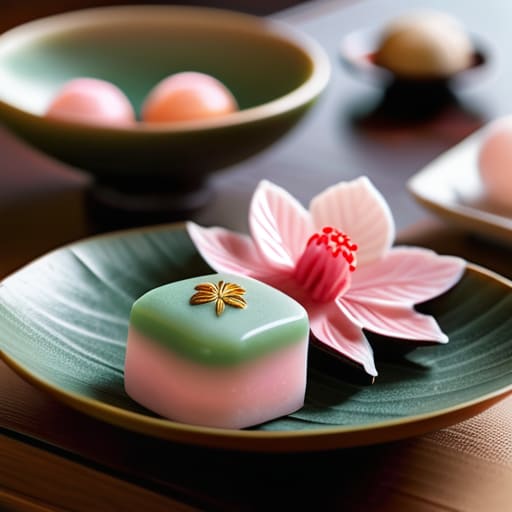
I was sitting in a cramped, wood-paneled tea house near the Umeda station last Tuesday, watching the rain blur the neon lights outside, when I realized how much the modern world has misunderstood japanese sweets wagashi. Most travelers—and frankly, even some locals—treat these confections like mere edible ornaments, chasing after the most expensive, gold-leafed displays in Ginza department stores just for the sake of a photograph. They treat it like a luxury commodity rather than what it actually is: a deliberate pause in the middle of a frantic day. To me, a wagashi isn’t a trophy to be displayed; it is a functional piece of edible art that should ground you.
I have no interest in the flashy, overpriced hype that clutters most travel guides. Instead, I want to show you how to find the true essence of these seasonal morsels in the quiet, unpretentious corners of the city. In the following pages, I’ll share my observations on how to identify quality through texture and seasonality, and more importantly, how to find the small, nameless shops where the craft is still a quiet, respected ritual. We aren’t looking for souvenirs; we are looking for the soul of the season.
Table of Contents
Tracing the Zen Buddhist Influence on Sweets
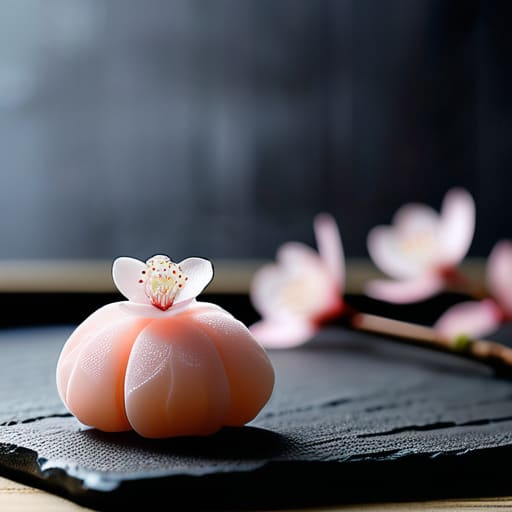
To understand why these confections carry such a profound weight, one must look past the sugar and toward the temple. As I sat in a small tea house overlooking a stone garden in Kyoto, I realized that the Zen Buddhist influence on sweets is not merely a historical footnote; it is the very architecture of the experience. In the monasteries, sweets were never meant to be indulgent or loud. They were designed to facilitate mindfulness, serving as a brief, sensory pause in a life of discipline. This restraint is why you won’t find the heavy, cloying syrups common in Western desserts here. Instead, there is a deliberate focus on simplicity and the ephemeral nature of the moment.
This philosophy manifests most clearly in the meticulous use of nerikiri art techniques, where craftsmen transform simple bean paste into delicate sculptures of plum blossoms or maple leaves. Each piece is a lesson in impermanence. Even the subtle variations in anko bean paste varieties—ranging from the coarse, rustic texture of tsubuan to the silky smoothness of koshian—serve to ground the palate without overwhelming it. It is a controlled, quiet elegance that mirrors the way a well-managed system operates: every element has a purpose, and nothing is wasted.
Deciphering the Subtle Nuances of Anko Bean Paste Varieties
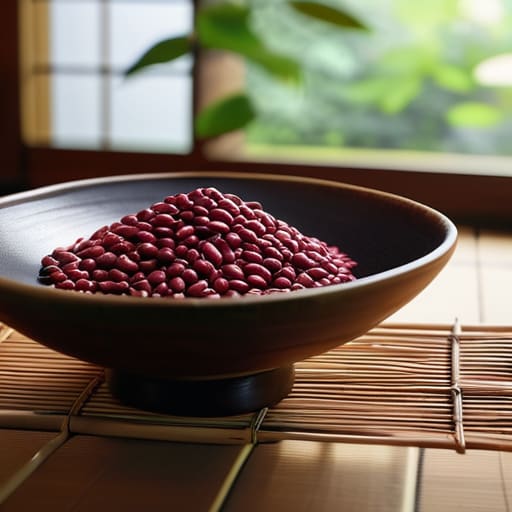
To the untrained eye, it is simply a dark, sweet paste. But if you sit long enough in a quiet tea house, you realize that understanding the different anko bean paste varieties is much like understanding the different grades of efficiency in a shipping lane—it is all about the grain and the finish. There is koshian, which is refined and silk-smooth, stripped of its skins to achieve a texture that vanishes almost instantly on the tongue. Then there is tsubuan, the more rustic, textured version where the whole beans remain intact, offering a tactile, earthy resistance that feels honest and grounded.
I often find myself comparing these textures to the way a city moves; some parts are streamlined and polished, while others retain a rugged, human grit. When paired with different mochi texture and types, the experience shifts entirely. A dense, chewy grain provides a heavy anchor for a light, aerated paste, whereas a soft, pillowy rice cake allows the subtle floral notes of the bean to take center stage. It isn’t just about sugar; it is about the delicate balance of structural integrity and flavor.
Navigating the Subtle Art of the Wagashi Tasting
- Pay close attention to the seasonality; a truly skilled confectioner isn’t just making a sweet, they are capturing a fleeting moment in time, whether it’s the pale pink of a cherry blossom or the deep ochre of autumn leaves.
- Don’t rush the experience. Wagashi is designed to be consumed slowly, often paired with the bitter, grounding notes of matcha, creating a deliberate balance that requires your full presence.
- Observe the vessel as much as the sweet itself. In my travels through the smaller tea houses in Osaka, I’ve noticed that the ceramic plate or wooden tray is an extension of the confection, providing the necessary visual context for its texture.
- Look for the “hidden” details in the craftsmanship. Much like a well-designed transit map, the beauty of a high-quality wagashi lies in its precision—the way a single fold of Nerikiri dough defines a shape without being overbearing.
- Seek out the local artisans in the neighborhoods just outside the main tourist hubs. The most honest expressions of these sweets are often found in small, family-run shops where the recipe hasn’t changed in decades, tucked away near quiet subway exits.
Lessons from the Sweetness
To truly understand wagashi, one must look past the sugar and see the seasonal intent; a sweet is not just a snack, but a temporal marker of the year’s shifting rhythm.
The complexity of the craft lies in the tension between texture and restraint, where the subtle grit of anko or the softness of mochi tells a story of precision and patience.
Finding the heart of Japanese confectionery requires stepping off the main thoroughfares and into the quiet, unassuming shops where tradition is preserved through daily, unhurried ritual.
The Architecture of a Single Bite
“In my years managing supply chains, I learned that the most complex systems are often those that appear the most seamless; wagashi is much the same—a precise, delicate engineering of season and texture that demands you slow your pace just to truly perceive it.”
Rurik Salonen
The Last Morsel
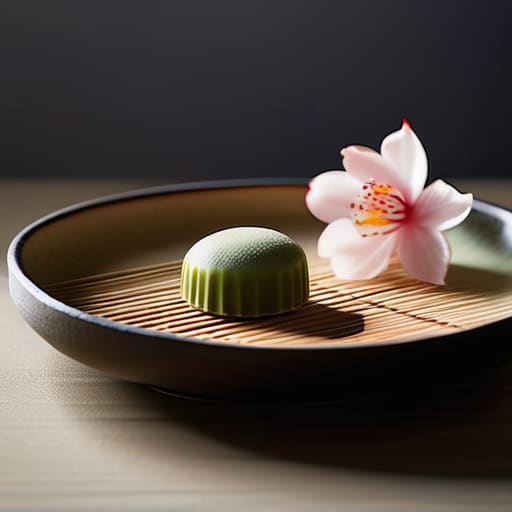
As I sit here in a small tea house near the Shinjuku station, watching the commuters rush toward their next connection, I realize that wagashi is far more than a simple confection. It is a complex system of seasonal storytelling, rooted in the disciplined traditions of Zen Buddhism and refined through the precise, technical mastery of bean paste preparation. From the structural elegance of the shapes to the subtle shifts in sweetness between koshian and tsubuan, every element serves a specific, functional purpose. To understand these sweets is to understand the meticulous logistics of Japanese aesthetics, where nothing is accidental and every ingredient is placed with intention.
Ultimately, my time spent documenting these small rituals has taught me that the true soul of a city isn’t found in its neon lights or towering skyscrapers, but in these quiet, fleeting moments of grace. A single piece of wagashi, paired with a bowl of bitter matcha, offers a necessary pause in an otherwise frantic world. I encourage you to look past the crowded tourist paths and seek out these small, deliberate pauses for yourself. When you stop rushing to the next monument, you might just find that the most profound truths are waiting in the simplest of flavors.
Frequently Asked Questions
How can I tell the difference between the various textures of mochi when I'm standing in a crowded shop?
When the shop is loud and the line is moving, don’t rely on the menu. Look at the surface tension. If the mochi has a dull, matte finish, it’s likely koshi-an style—soft and refined. If it catches the light with a slight, translucent sheen, you’re looking at something more substantial, perhaps tsubuan or a traditional pounded rice texture. Watch how it yields to the tongs; a slow, heavy sag indicates a dense, chewy heart.
Is there a specific etiquette I should follow when being served wagashi during a formal tea ceremony?
In a formal setting, etiquette is less about rigid rules and more about respecting the rhythm of the ceremony. When the wagashi is presented, place it on your small ceramic plate. Use the provided pick to divide it into small, manageable pieces. The goal is to finish the sweet before the tea arrives; the sweetness is designed to prime your palate for the tea’s bitterness. It’s a quiet, deliberate dance of timing.
Where can I find seasonal sweets that aren't just aimed at tourists, but reflect the actual micro-seasons of the Japanese calendar?
To find the real thing, you have to step away from the neon-lit storefronts of Ginza. I’ve found that the most authentic seasonal offerings are tucked away in the shitamachi neighborhoods or near the smaller, residential stations on the Chuo Line. Look for shops with a simple noren curtain and no English signage. They don’t market to crowds; they cater to the local rhythm, changing their displays to match the exact, fleeting micro-seasons.
